Recovery Tips for Faster Healing After Plastic Surgery

The Importance of Recovery: Why It Matters as Much as the Surgery Itself When considering plastic surgery, the focus often rests on the procedure itself, but understanding the importance of recovery is just as crucial. The post-surgery recovery process is not merely a follow-up phase; it is an integral part of achieving optimal results and ensuring your overall well-being. The importance of recovery cannot be overstated. It is during this time that your body heals and adapts to the changes made during surgery. Proper surgery aftercare plays a pivotal role in minimizing complications, reducing swelling, and preventing infections. By following your surgeon’s aftercare instructions diligently, you enhance your body’s natural healing abilities and contribute significantly to the success of your plastic surgery. Moreover, taking recovery seriously allows you to enjoy long-lasting results. Patience and adherence to recommended guidelines are essential for allowing incisions to heal properly and ensuring that any adjustments settle into their intended positions. Rushing back into daily activities too soon can jeopardize these outcomes. Pre-Surgery Preparations: Setting the Stage for a Smooth Recovery Preparing for plastic surgery is a crucial step that can significantly influence the outcome of your procedure and the ease of your recovery. By taking the time to plan ahead, you set the stage for a smooth and successful healing process. Here are some essential pre-surgery tips to ensure you’re fully prepared. First, create a comprehensive pre-operative checklist. This should include all necessary medical evaluations, such as blood tests or imaging studies recommended by your surgeon. Ensuring these are completed well before your surgery date helps prevent any last-minute surprises that could delay your procedure. Next, focus on recovery planning. Arrange for any needed assistance during your initial recovery period—whether it’s help with household chores or childcare—so you can rest without worry. Stock up on easy-to-prepare meals and ensure that all essential items are within easy reach in your home. Additionally, preparing for plastic surgery involves getting both mentally and physically ready. Follow any specific instructions from your surgeon regarding medications, fasting requirements, or lifestyle changes like quitting smoking well in advance of surgery to optimize healing. By adhering to these pre-surgery tips and thoroughly planning each aspect of your preparation, you’ll be taking proactive steps towards ensuring not only a successful operation but also a faster and more comfortable recovery journey. The Role of Nutrition and Hydration in Accelerating Your Healing Process When it comes to post-surgery recovery, nutrition and hydration play pivotal roles in accelerating the healing process. A carefully planned post-surgery diet can make all the difference in how quickly and effectively your body bounces back. Nutrition is fundamentally linked to healing. Consuming a balanced diet rich in vitamins, minerals, and proteins provides your body with the essential building blocks needed for tissue repair and immune function. Foods such as lean meats, leafy greens, nuts, and seeds are excellent choices to incorporate into your meals. These foods not only supply necessary nutrients but also help reduce inflammation and promote faster recovery. By prioritizing both nutrition and hydration after surgery, you empower your body’s natural healing mechanisms. This proactive approach not only speeds up recovery but also enhances overall well-being during what can be a challenging time. Pain Management Strategies to Ensure Comfort and Promote Healing Effective pain management is crucial for ensuring comfort and promoting healing after surgery. Surgical pain relief is not just about alleviating discomfort; it’s a critical component of the recovery process that can significantly influence outcomes. One of the foremost strategies in managing discomfort after surgery involves a combination of medication and non-medication approaches. Medications such as analgesics and anti-inflammatory drugs play a pivotal role in controlling acute surgical pain relief, allowing patients to move more freely and engage in necessary physical therapy exercises without excessive discomfort. Beyond medications, incorporating non-pharmacological methods is equally important. Techniques such as ice application, gentle massage, or transcutaneous electrical nerve stimulation (TENS) can be highly effective in reducing localized pain and swelling. Moreover, relaxation techniques like deep breathing exercises or guided imagery can help manage stress-related tension that often exacerbates post-operative pain. Education also plays a vital role in empowering patients to manage their own recovery effectively. Understanding the importance of adhering to prescribed regimens and knowing when to seek additional help ensures that individuals are active participants in their healing journey. In summary, comprehensive surgical pain relief strategies that blend both pharmacological and non-pharmacological approaches are essential for managing discomfort after surgery. These techniques not only enhance comfort but also promote faster healing by enabling patients to engage more fully with rehabilitation efforts.  

What Are the Risks and Benefits of Buccal Fat Removal?

Exploring the Popularity of Buccal Fat Removal In recent years, buccal fat removal has surged in popularity, becoming one of the most talked-about cosmetic surgery trends. This procedure, which involves the removal of excess fat from the cheeks to enhance facial contouring, owes much of its fame to the influence of celebrities who have openly embraced it. The allure of a more sculpted and defined facial structure is undeniable, and as public figures flaunt their refined looks on social media and red carpets, it’s no wonder that buccal fat removal is capturing widespread attention. Celebrities have always played a pivotal role in shaping beauty standards, and their impact on cosmetic procedures like buccal fat removal is significant. When high-profile individuals undergo this transformation and achieve stunning results, it sparks curiosity and desire among fans who wish to emulate their favorite stars’ appearances. This ripple effect has contributed significantly to the procedure’s growing acceptance and demand. Moreover, as more people seek ways to achieve a chiseled jawline without relying solely on makeup or filters, buccal fat removal offers a permanent solution that aligns with current beauty ideals. The procedure not only enhances one’s natural features but also boosts confidence by providing a harmonious balance between cheekbones and jawlines. In conclusion, the rise in buccal fat removal popularity can be attributed to both celebrity influence and an increasing desire for well-defined facial contours. As this trend continues to gain momentum, it’s clear that many are eager to explore the potential benefits of this transformative cosmetic surgery option. The Benefits of Buccal Fat Removal for Facial Aesthetics When considering ways to enhance facial aesthetics, buccal fat removal is an increasingly popular choice that offers a range of compelling benefits. This procedure focuses on reducing the buccal fat pads in the cheeks, resulting in a more defined facial structure and contributing to a refined, sophisticated look. One of the most notable advantages of buccal fat removal is its ability to achieve facial slimming. By removing excess fat from the cheeks, this procedure creates a sleeker contour that highlights your natural bone structure. The result is often an enhanced appearance of cheekbones, adding definition and symmetry to your face. Moreover, for those seeking a youthful appearance benefit, buccal fat removal can be transformative. As we age, our faces naturally lose volume in certain areas while retaining fullness in others. By strategically removing buccal fat, you can maintain or even regain a balanced and youthful visage without appearing gaunt or overly thin. In essence, opting for buccal fat removal can dramatically redefine your facial aesthetics by accentuating your features and providing long-lasting results. With its ability to deliver both subtle improvements and striking transformations alike, it’s no wonder this procedure continues to gain popularity among those looking to enhance their natural beauty with precision and elegance. Risks Involved in Buccal Fat Removal Surgery Buccal fat removal surgery has gained popularity as a cosmetic procedure aimed at achieving a more contoured facial appearance. However, it’s crucial to consider the risks and potential complications associated with this surgery before making a decision. Surgical risks, such as infection, bleeding, and adverse reactions to anesthesia, are inherent in any surgical procedure and should not be overlooked. Beyond the immediate surgical risks, there are concerns about recovery time. Patients may experience swelling and discomfort that can last several weeks, impacting daily activities and quality of life during the healing process. It’s essential to have realistic expectations about recovery time and to plan accordingly. Perhaps most importantly are the long-term effects on facial structure. Buccal fat removal can lead to changes in facial appearance that may not be immediately apparent but become more pronounced over time as natural aging occurs. This could result in an overly gaunt or hollow look that some might find undesirable. Considering these factors, it’s vital for anyone contemplating buccal fat removal surgery to thoroughly discuss potential outcomes with a qualified professional who can provide personalized advice based on individual facial anatomy and aesthetic goals. Making an informed decision is key to ensuring satisfaction with the results while minimizing regrets related to unforeseen consequences of this permanent alteration of one’s facial structure. A Comparative Look at Alternatives to Buccal Fat Removal When considering facial contouring, many individuals are drawn to buccal fat removal for its promise of a more sculpted appearance. However, it’s essential to explore non-surgical alternatives that offer similar benefits without the need for invasive surgery. One such option is the use of dermal fillers, which can provide a more defined facial structure with minimal downtime. Dermal fillers vs. surgery: Unlike buccal fat removal, which permanently removes fat pads from the cheeks through an incision, dermal fillers work by adding volume and enhancing contours in targeted areas. This method allows for greater control over the final look and can be adjusted as desired over time. Fillers offer an effective solution that requires little recovery time compared to surgical procedures. Less invasive procedures for facial contouring have become increasingly popular due to their convenience and reduced risk factors. Techniques such as radiofrequency treatments or ultrasound-based therapies can tighten skin and enhance definition without any incisions or significant healing periods. Ultimately, non-surgical alternatives to buccal fat removal provide compelling options for those seeking facial refinement with fewer risks and quicker results. Embracing these less invasive procedures allows individuals to achieve their aesthetic goals while maintaining flexibility in their beauty routine.  

Exploring Non-Surgical Nose Reshaping Options

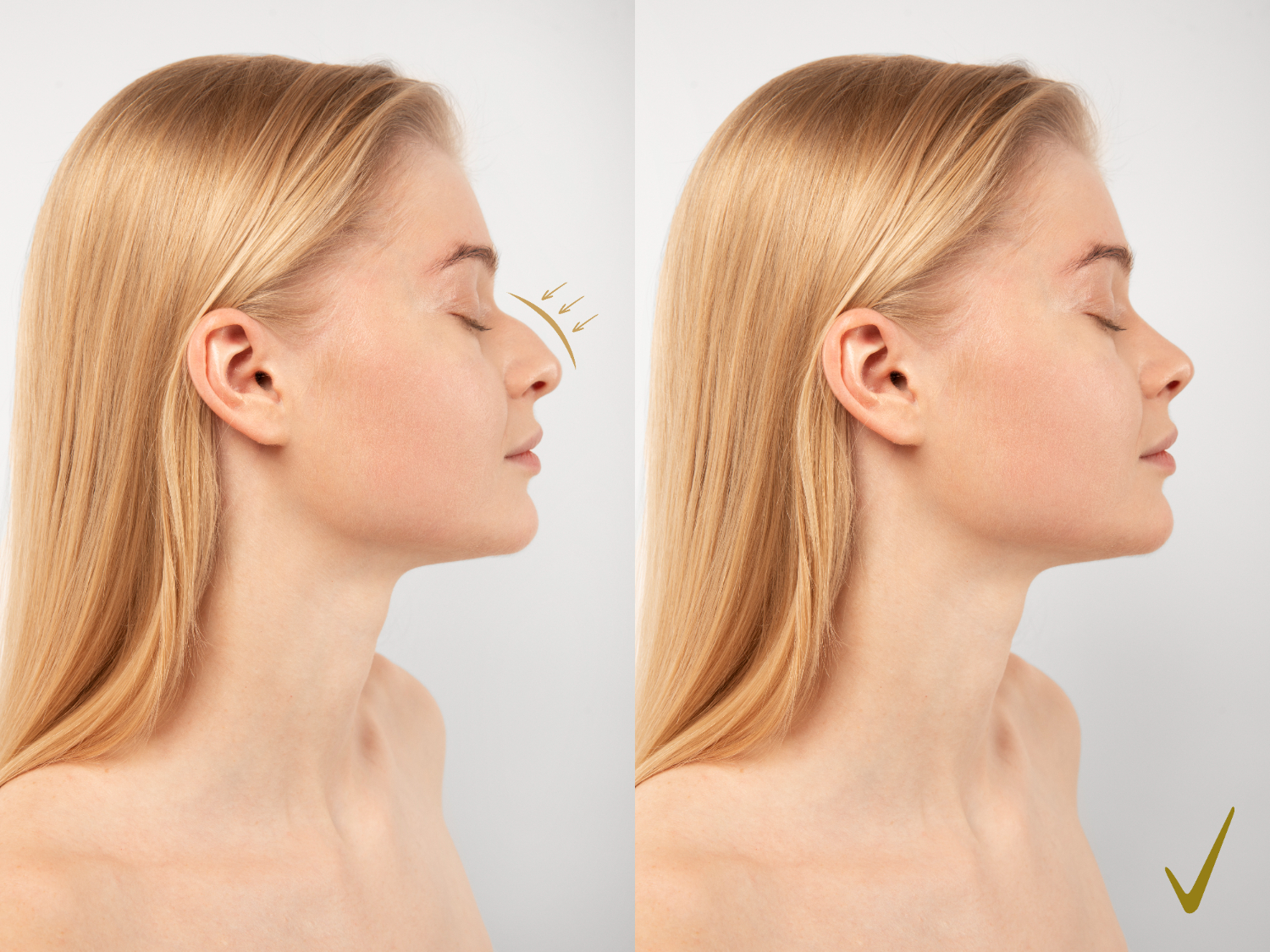
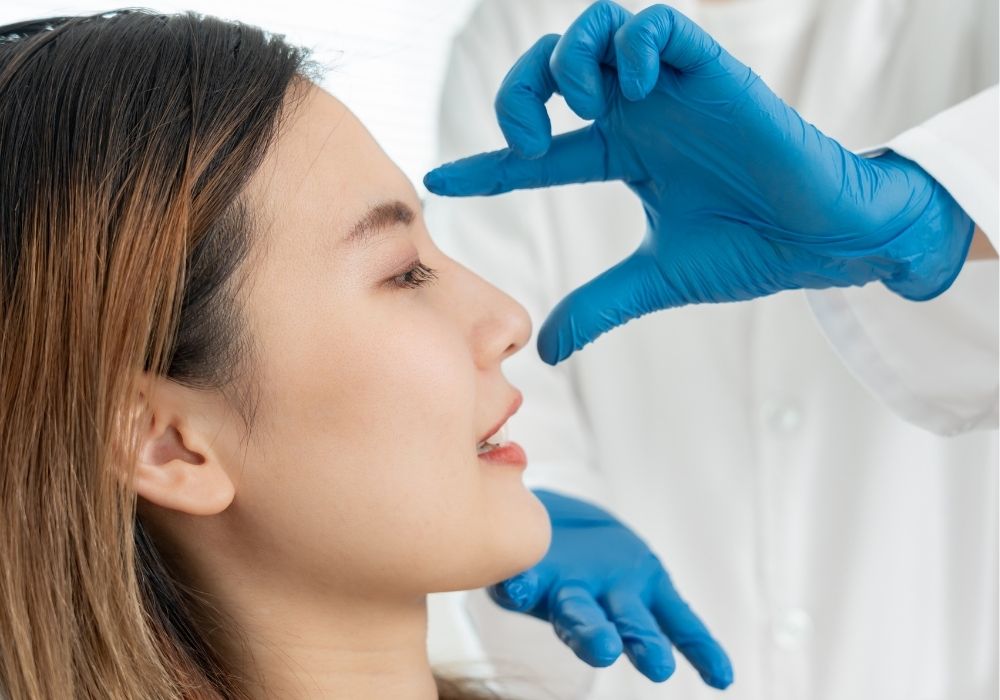
The Rise of Non-Surgical Aesthetic Enhancements In recent years, non-surgical aesthetic enhancements have revolutionized the beauty industry, offering individuals transformative results without the need for invasive surgery. Among these innovative treatments is the non-surgical nose job, also known as non-surgical rhinoplasty. This procedure has gained immense popularity due to its ability to reshape and refine nasal contours using dermal fillers, providing a quick and virtually painless alternative to traditional rhinoplasty. This convenience makes them an attractive option for those seeking subtle yet impactful changes without committing to permanent alterations or enduring lengthy recovery periods. Moreover, aesthetic treatments such as these empower individuals by offering customizable solutions tailored to their unique facial features and personal preferences. As technology continues to advance, the rise of non-surgical enhancements promises even more sophisticated techniques that prioritize safety and satisfaction. It’s clear that these procedures are more than just a trend—they represent a significant shift towards accessible beauty solutions that cater to modern lifestyles. Understanding Non-Surgical Nose Reshaping In today’s fast-paced world, the demand for cosmetic enhancements that offer minimal downtime and maximum results has never been higher. Enter the realm of non-surgical nose reshaping, a revolutionary approach that is transforming the way we think about rhinoplasty. Imagine achieving your desired nose shape in under an hour, with little to no recovery time. That’s precisely what non-invasive rhinoplasty offers. By strategically injecting dermal fillers into specific areas of the nose, skilled practitioners can smooth bumps, enhance contours, and even correct asymmetries with remarkable precision. Moreover, for individuals seeking subtle improvements rather than drastic alterations, a liquid nose job offers a customizable solution tailored to their unique facial structure and personal preferences. It’s time to embrace this innovative approach and experience how non-invasive techniques can redefine beauty standards while delivering natural-looking enhancements with ease and confidence. The Benefits of Choosing Non-Surgical Nose Reshaping Over Traditional Surgery When considering nose reshaping, many individuals find themselves weighing the options between traditional surgical rhinoplasty and non-surgical alternatives. Non-surgical nose reshaping offers a host of benefits that make it an appealing choice for those seeking subtle yet effective changes without the commitment of surgery. Firstly, one of the most significant advantages is the quick recovery associated with non-surgical treatments. Unlike surgical rhinoplasty, which can require weeks of downtime and post-operative care, non-surgical procedures allow you to return to your daily routine almost immediately. This means less disruption to your life and more time enjoying your refined look. Another compelling benefit is the reduced risk involved in non-surgical vs surgical rhinoplasty. With no incisions or general anesthesia required, non-surgical treatments minimize potential complications and side effects. This makes them an excellent option for those who are hesitant about undergoing a full surgical procedure. In conclusion, if you’re looking for a safe, efficient way to enhance your nose’s appearance without surgery’s long recovery period or risks, non-surgical nose reshaping might be the perfect solution for you. Embrace this innovative approach and enjoy the benefits it brings—quick recovery and peace of mind included.

Scar Minimization Techniques After Cosmetic Surgery

Understanding the Healing Process: Why Scars Form After Cosmetic Surgery When it comes to cosmetic surgery, understanding the healing process is crucial for setting realistic expectations. One common aspect of this process is scar formation, which often raises questions and concerns among patients. To fully appreciate why scars form after surgery, it’s important to delve into the skin healing process. Post-surgery healing involves a complex series of events that the body initiates to repair itself. After an incision is made during a cosmetic procedure, your body immediately begins working to heal the wound. This natural response involves several stages: hemostasis, inflammation, proliferation, and remodeling. During these stages, scar tissue development occurs as part of the body’s effort to close and strengthen the wound site. Initially, collagen fibers are laid down rapidly and haphazardly to seal off the area quickly—this is when scars begin to form. It’s essential to recognize that scar formation is a normal part of post-surgery healing and varies from person to person based on factors like genetics, age, skin type, and even surgical technique. While some scarring is inevitable with any surgical procedure involving incisions or cuts into the skin’s surface layer (the epidermis), advancements in surgical methods have significantly minimized their visibility. Understanding this natural process can help alleviate concerns about scarring after cosmetic surgery. With proper care and guidance from your surgeon—such as following post-operative instructions meticulously—you can support optimal healing outcomes while embracing this step towards enhancing your appearance confidently. Topical Treatments for Reducing Scar Visibility When it comes to minimizing the appearance of scars, topical treatments have become a go-to solution for many seeking effective and non-invasive options. Among the most popular products are scar creams, which are specifically formulated to hydrate and soften scar tissue, promoting a smoother texture over time. These creams often contain ingredients like vitamin E, onion extract, or aloe vera—each known for their skin-healing properties. Silicone gel sheets are another highly recommended treatment option. These sheets work by providing a protective barrier that hydrates the scar area, reducing redness and flattening raised scars. Clinically proven to improve scar appearance, silicone gel sheets are easy to use and can be applied comfortably under clothing. Topical ointments for scars also play a crucial role in the healing process. They often include powerful antioxidants and anti-inflammatory agents that not only help reduce discoloration but also prevent further irritation of sensitive scar tissue. Whether you opt for silicone-based solutions or nourishing creams packed with natural ingredients, these topical treatments offer promising results in achieving more refined skin texture and reduced visibility of scars. The Role of Massage in Scar Minimization and Skin Recovery When it comes to scar minimization and skin recovery, massage plays a surprisingly pivotal role that is often underestimated. Scar massage techniques can be incredibly effective in softening and flattening scars, making them less noticeable over time. By incorporating regular massage into your scar treatment regimen, you can significantly enhance the healing process. One of the primary benefits of massage on scars is its ability to improve circulation. When you gently manipulate the scar tissue through specific techniques, you increase blood flow to the area. This enhanced circulation delivers essential nutrients and oxygen that are crucial for skin regeneration and repair. As a result, scars can become more pliable and blend more seamlessly with surrounding skin. Moreover, consistent scar massage helps break down collagen fibers that form during the healing process. This action not only reduces stiffness but also aids in preventing adhesions that can restrict movement or cause discomfort. By adopting these techniques early in the healing journey, you empower your body’s natural ability to reduce scars effectively. Incorporating regular massages into your skincare routine is a proactive step towards achieving smoother and healthier-looking skin. Whether you’re dealing with surgical scars or minor injuries, embracing this holistic approach will undoubtedly yield transformative results over time. The Importance of Sun Protection in Preventing Scar Darkening When it comes to healing after surgery or an injury, protecting your skin from the sun is crucial in preventing scar darkening. The delicate nature of healing skin makes it particularly vulnerable to the harmful effects of UV rays. This is where the importance of using sunscreen for scars cannot be overstated. Applying a broad-spectrum sunscreen with a high SPF acts as a shield, offering essential UV protection for healing skin. By diligently using sunscreen, you minimize the risk of pigmentation changes that can lead to darker, more noticeable scars. It’s not just about aesthetics; it’s about ensuring your skin heals optimally without unnecessary complications. Avoiding sun exposure post-surgery should be a top priority in your skincare routine. Even brief periods in direct sunlight can trigger melanin production in scar tissue, leading to long-lasting discoloration. Therefore, incorporating sun protection into your daily regimen is not merely an option—it’s a necessity for anyone serious about maintaining even-toned and healthy-looking skin during recovery. Embrace the power of prevention by prioritizing sun protection as part of your healing process. Your future self will thank you for taking these proactive steps towards healthier and more beautiful skin.

What Is the Recovery Time for a Brazilian Butt Lift?

Understanding the Brazilian Butt Lift Procedure When considering enhancing your curves, the Brazilian Butt Lift (BBL) procedure stands out as a popular and effective option. The Brazilian Butt Lift is not just about achieving a fuller, more contoured backside; it’s about using your body’s own resources to do so. This fat is then purified and strategically injected into the buttocks to create natural-looking volume and shape. This holistic approach to body contouring results in a more harmonious silhouette that many patients find incredibly satisfying. Moreover, BBL results are renowned for their longevity and natural appearance. Unlike implants, which can sometimes look artificial or feel uncomfortable, a fat transfer procedure uses your own tissue, ensuring that the augmentation moves naturally with your body.  As long as you maintain a stable weight post-surgery, you can enjoy these stunning results for years to come. In conclusion, if you’re seeking to enhance your figure with lasting effects while utilizing a minimally invasive approach, understanding the Brazilian Butt Lift procedure could be your first step towards achieving the body you’ve always desired. The Immediate Post-Operative Phase: What to Expect Understanding the immediate post-operative phase is crucial for anyone undergoing a Brazilian Butt Lift (BBL) procedure. The initial recovery period sets the foundation for successful healing and optimal results. During these early stages, it’s essential to be well-informed about what to expect and how to manage your care effectively. The first few days after surgery are critical as your body begins its healing process. You may experience swelling, bruising, and discomfort, which are all normal aspects of BBL recovery stages. It’s important to adhere strictly to your surgeon’s post-surgery care instructions during this time. This includes wearing compression garments as advised, which help reduce swelling and support the newly contoured areas. Immediate aftercare tips are invaluable in ensuring a smooth recovery journey. This precaution helps preserve fat grafts and promotes better outcomes. Additionally, maintain a balanced diet rich in nutrients to aid in tissue repair and avoid strenuous activities that could hinder your progress. By understanding these immediate post-operative expectations and following recommended care guidelines, you set yourself up for a successful recovery and achieve the best possible results from your BBL procedure. Week-by-Week Breakdown of BBL Recovery Time Understanding the recovery timeline for a Brazilian Butt Lift (BBL) can significantly enhance your healing experience and ensure optimal results. By breaking down the recovery journey week by week, you can better prepare for each stage and follow essential tips to support your gradual healing process. In the first week, it’s crucial to focus on rest and following your surgeon’s post-operative instructions meticulously. This period is characterized by swelling and bruising, which are completely normal parts of the BBL timeline. To aid in reducing these symptoms, consider implementing week 1 recovery tips such as wearing compression garments as advised and avoiding sitting directly on your buttocks. As you transition into subsequent weeks, you’ll notice gradual improvements in comfort and mobility. Each stage of the recovery journey requires patience and adherence to recommended practices like maintaining a healthy diet to support tissue regeneration and hydration. By understanding this structured approach to healing after a Brazilian Butt Lift, you’re not only investing in a smoother recovery but also maximizing the long-term success of your procedure. Remember that every individual’s body heals differently; however, being informed about each phase will empower you throughout this transformative process.  

Can tummy tuck surgery be performed without liposuction?

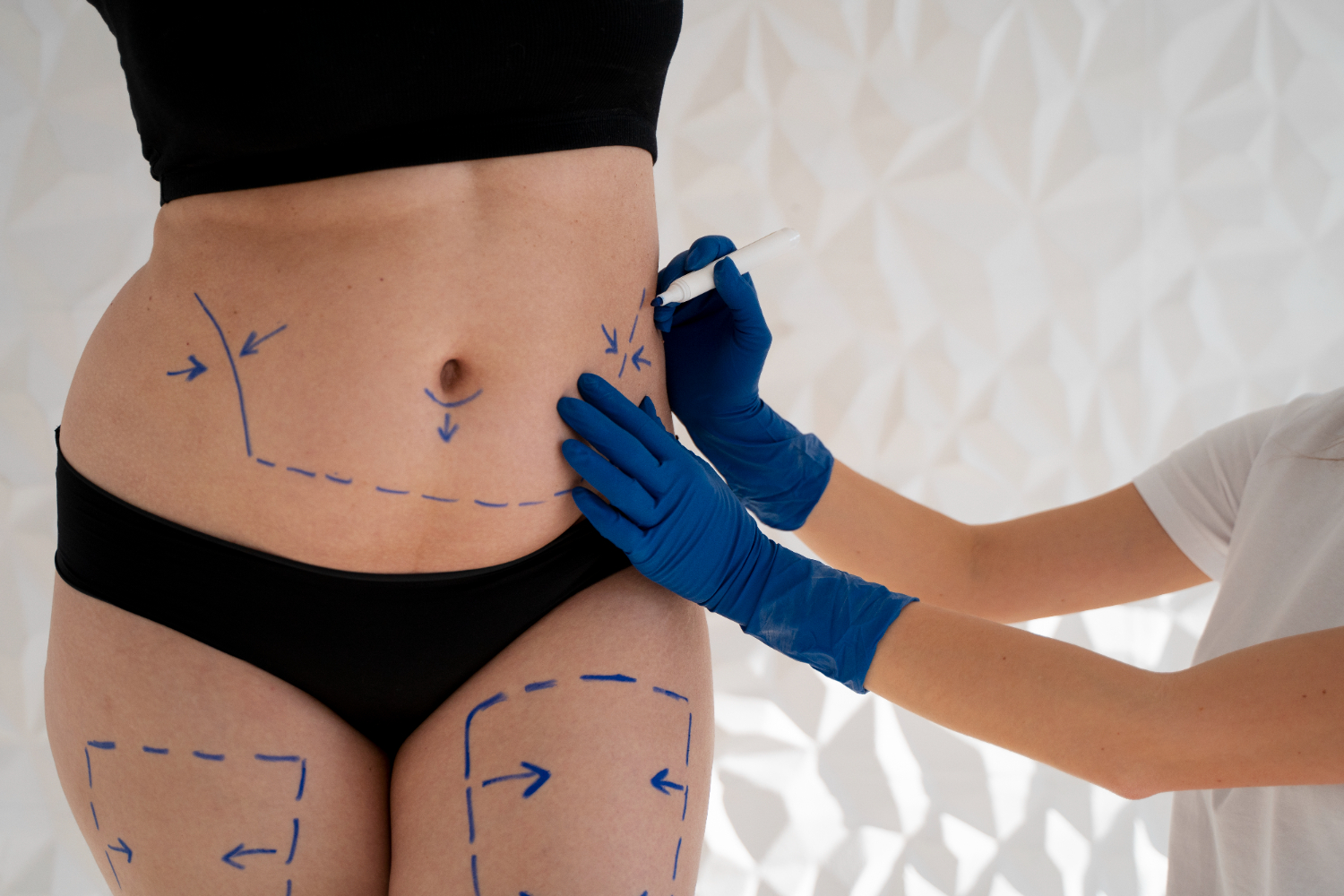
Understanding the Differences: Tummy Tuck vs. Liposuction When considering body contouring options, understanding the differences between tummy tuck surgery and liposuction is crucial to making an informed decision. Both procedures aim to enhance your silhouette but address different concerns. Tummy tuck surgery, or abdominoplasty, focuses on removing excess skin and tightening abdominal muscles. On the other hand, a liposuction procedure targets stubborn fat deposits resistant to diet and exercise. Choosing between these cosmetic surgeries depends on your unique goals. For those seeking a flatter stomach with tightened skin and muscles, abdominoplasty without liposuction might be the best route. However, if your primary concern is reducing isolated fat areas while maintaining skin elasticity, liposuction could be more suitable. Understanding these differences empowers you to select a path tailored to achieving your desired results confidently. The Process of a Standalone Tummy Tuck When considering a standalone tummy tuck, or abdominoplasty procedure, it’s important to understand the nuances and benefits of this transformative surgery. Unlike a tummy tuck with liposuction, this approach focuses solely on tightening the abdominal area without the additional fat removal process. Excess skin is then meticulously trimmed away, resulting in a firmer and smoother abdominal profile. This precise method ensures that patients achieve their desired aesthetic results without unnecessary interventions. Patients can expect some swelling and discomfort initially; however, following prescribed guidelines for rest and activity will facilitate a smoother recovery process. Opting for an abdominoplasty procedure tailored specifically as a standalone treatment can provide remarkable improvements in body confidence and comfort—making it an appealing choice for those seeking targeted results without additional procedures. Benefits of Choosing a Tummy Tuck Without Liposuction When considering body contouring options, many people find themselves weighing the benefits of a tummy tuck without liposuction. Opting for a tummy tuck alone offers distinct advantages that can make it an ideal choice for those seeking specific results. One of the primary benefits is targeted skin tightening. Unlike procedures that combine liposuction with a tummy tuck, this approach focuses on addressing loose or sagging skin in the abdominal area, which is often a concern after significant weight loss or pregnancy. By choosing a tummy tuck without liposuction, patients can benefit from a more straightforward procedure with reduced recovery time and fewer potential complications. This option is particularly appealing for individuals who are already at their target weight and have minimal excess fat but struggle with stretched skin and weakened abdominal muscles. The no-liposuction approach allows for precise enhancement of the midsection’s appearance while minimizing the impact on surrounding tissues. Furthermore, avoiding liposuction means there’s less risk of uneven fat removal or irregular contours that sometimes accompany fat extraction techniques. The focus remains solely on achieving a firmer and flatter abdomen through surgical tightening and muscle repair. For those whose primary concern is excess skin rather than stubborn fat deposits, choosing a tummy tuck without liposuction can provide satisfying results tailored to their unique needs. Candidates Ideal for a Tummy Tuck Without Liposuction When considering a tummy tuck, many potential patients wonder if they might be ideal candidates for the procedure without the need for additional liposuction. The candidacy criteria for surgery focus on those with good overall health, stable weight, and realistic expectations about the results. If your primary concern is sagging skin or separated muscles rather than stubborn fat deposits, a tummy tuck without liposuction may be precisely what you need to restore confidence in your body’s appearance. By understanding these criteria and consulting with a qualified plastic surgeon, you can make an informed decision about whether abdominoplasty alone will meet your aesthetic goals. This procedure provides transformative results for those who fit the profile of ideal candidates—offering not just physical benefits but also renewed self-assurance.  

Choosing Between Tummy Tuck and Liposuction

What are Tummy Tuck and Liposuction? If you want to achieve the body shape you desire, it’s important to understand the difference between a tummy tuck and liposuction. Both are popular cosmetic procedures to improve body contours, but they have different purposes and offer unique benefits. This procedure is particularly beneficial for those who have experienced significant weight loss or sagging skin after pregnancy. The result is a firmer, flatter abdominal contour that can significantly improve your appearance and boost your confidence. Liposuction, on the other hand, involves removing stubborn fat deposits from various areas of the body, such as the thighs, buttocks, arms, or abdomen.  Both procedures can be life-changing in their own right and may even be combined for optimal results in some cases. Consulting with a qualified cosmetic surgeon will help you determine which surgical option aligns best with your goals and expectations for body contouring. With expert guidance and realistic expectations, achieving your dream physique through these advanced techniques is well within reach. Tummy Tuck vs. Liposuction When considering your body contouring options, understanding the difference between a tummy tuck and liposuction is essential to making an informed decision. Both surgeries are designed to improve your physique, but have different purposes and suit different needs. The procedure not only removes excess skin, but also repairs weak or separated muscles, creating a tighter abdominal contour. It is ideal for those who are close to their ideal weight but struggle with localized fat deposits that do not counteract traditional weight loss methods. Choosing between these two procedures depends on your specific goals. If you’re looking to address loose skin and muscle laxity in addition to removing fat from your abdomen, a tummy tuck might be the right choice. However, if you’re primarily concerned with eliminating isolated areas of fat without addressing skin elasticity or muscle tone, liposuction could be more suitable. Ultimately, both tummy tucks and liposuction offer transformative results when performed by skilled professionals. Consulting with a board-certified plastic surgeon can help you determine which procedure aligns best with your aesthetic goals and ensures safe and satisfying outcomes. Determine the Best Option for Your Body Whether you’re aiming for targeted fat removal, excess skin removal, or muscle tightening, understanding the options available can make all the difference in reaching your desired outcome. These techniques can help contour specific areas of the body, providing a more sculpted appearance. For those dealing with excess skin due to significant weight loss or aging, skin removal surgeries like tummy tucks or arm lifts can be transformative. These procedures not only remove surplus skin but also enhance comfort and mobility. Muscle tightening is another critical aspect of achieving your body goals. Techniques such as Emsculpt use advanced technology to stimulate muscle contractions beyond what is possible through regular workouts. This approach helps in strengthening and toning muscles effectively. By carefully considering these options and consulting with qualified professionals, you can determine the best course of action tailored specifically for you. Achieving your body goals is not just about aesthetics; it’s about feeling confident and comfortable in your own skin.  

Nose Aesthetics Post-Operation Scars and Care

Understanding Nose Aesthetics and the Importance of Post-Op Care When it comes to nose aesthetics, understanding the intricate balance between form and function is crucial. However, the journey to your desired aesthetic results doesn’t end once you leave the operating room. The importance of post-op care in rhinoplasty recovery cannot be overstated. Proper post-operative care is essential in ensuring that aesthetic surgery outcomes meet your expectations. By following your surgeon’s guidelines meticulously, you can significantly influence the healing process and final results. This includes managing swelling and bruising through cold compresses and keeping your head elevated, as well as adhering to prescribed medication schedules to prevent infection. Moreover, avoiding strenuous activities and protecting your nose from potential impacts are vital steps in maintaining the integrity of surgical work during those critical early weeks of recovery. The commitment to diligent post-op care ultimately supports a smoother healing process and enhances the overall success of your rhinoplasty. Investing time in understanding both nose aesthetics and post-op care ensures that you not only achieve a beautifully balanced appearance but also safeguard long-term satisfaction with your surgical outcomes. The Reality of Post-Operation Scars: What to Expect After Rhinoplasty When considering rhinoplasty, one common concern is the visibility of post-operation scars. Understanding what to expect during the nose surgery healing process can help set realistic expectations and alleviate worries. Rhinoplasty, or a nose job, is a delicate procedure with incisions typically made within the nostrils or along the natural creases of the nose. This strategic placement means that rhinoplasty scars are often well-concealed. Following your surgeon’s aftercare instructions diligently can promote optimal healing and further minimize scar visibility after a nose job. Remember that patience is key; full recovery can take several months. However, with time and proper care, any post-operation scars will likely become an insignificant part of your overall transformation. Embrace this journey knowing that modern surgical techniques prioritize both function and aesthetics to ensure you achieve satisfying results without compromising on appearance. Top Tips for Minimizing Scars and Enhancing Nose Aesthetics Post-Surgery Achieving the best results after rhinoplasty involves more than just the surgery itself; it requires diligent post-operative care to minimize scars and enhance your nose’s aesthetics. First, scar minimization techniques are crucial. Keeping the incision sites clean and moisturized can significantly reduce scar visibility.  Always follow your surgeon’s recommendations on when to start applying these treatments. Next, consider essential post-surgery skin care tips that promote healing while enhancing the final look of your nose. Additionally, maintaining a healthy lifestyle supports optimal recovery and aesthetic results. Finally, consult with your surgeon about any specific concerns you have regarding enhancing nose aesthetics post-rhinoplasty.  The Role of Professional Guidance in Maintaining Optimal Nose Appearance When it comes to achieving and maintaining the perfect nose appearance, professional guidance is indispensable. Adhering to these appointments is crucial; they provide an opportunity for ongoing professional support and reassurance throughout your recovery journey. In addition to regular check-ins, expert tips for post-op care are vital in maintaining the results of your surgery over time. Your plastic surgeon will offer specific advice on how to care for your nose immediately after surgery and in the months that follow—ranging from proper cleaning techniques to guidelines on physical activities—to protect both form and function as you heal. Ultimately, entrusting this transformative process to a seasoned professional not only ensures superior aesthetic results but also provides peace of mind knowing you have access to top-tier advice every step of the way. Investing in professional guidance is investing in yourself, guaranteeing that you enjoy lasting satisfaction with both appearance and confidence levels long after recovery concludes.  

What is Facial and Nose aesthetics?

Understanding the Basics of Facial and Nose Aesthetics In today’s world, where beauty standards are constantly evolving, understanding the basics of facial and nose aesthetics has become more important than ever. At its core, facial aesthetics refers to the harmonious balance and proportion of features that contribute to an individual’s overall appearance. It’s not just about isolated traits but how these features work together to create a pleasing visage. Nose aesthetics play a crucial role in this equation. A well-proportioned nose can enhance other features and bring symmetry to one’s appearance. Understanding nose aesthetics means recognizing how its shape, size, and position can affect overall facial balance. By understanding facial and nose aesthetics, individuals can make informed decisions about enhancing their natural beauty while embracing their unique characteristics. The Science Behind Facial and Nose Aesthetics When it comes to facial and nose aesthetics, there’s more than just a subjective sense of beauty at play—there’s science. Aesthetic principles rooted in proportion and symmetry have long guided our perceptions of attractiveness. This principle suggests that certain ratios between different facial features can create a more appealing appearance. Facial structure analysis further delves into how these proportions impact our perception of beauty. By examining the balance between elements such as the eyes, nose, and mouth, experts can determine how closely an individual’s features align with these aesthetic ideals.  Understanding these scientific foundations allows us to appreciate why certain faces are universally considered beautiful and paves the way for informed decisions in cosmetic procedures. Whether considering subtle adjustments or major changes, recognizing the importance of proportion in aesthetics ensures that any enhancements remain true to one’s natural beauty while aligning with timeless aesthetic principles. The Role of Cultural Perspectives in Defining Aesthetic Beauty In our increasingly interconnected world, understanding the role of cultural perspectives in defining aesthetic beauty is more important than ever. Aesthetic preferences are deeply rooted in cultural differences, and what is considered beautiful can vary dramatically across the globe. These beauty ideals worldwide are shaped by a rich tapestry of historical, social, and environmental influences that define each culture’s unique perspective. Cultural influences on aesthetics dictate not only what we find visually appealing but also how we interpret art, fashion, and even architecture. For instance, while Western cultures might celebrate symmetry and proportion as hallmarks of beauty, other cultures may prioritize vibrant colors or intricate patterns. The Japanese concept of “wabi-sabi,” which finds beauty in imperfection and transience, contrasts sharply with the Western pursuit of flawlessness. Recognizing these diverse cultural influences enriches our understanding of aesthetics and encourages us to appreciate the vast array of beauty that exists around us. By embracing these differences, we can foster a more inclusive appreciation for all forms of art and design—one that transcends borders and celebrates global diversity. As we continue to explore these varied aesthetic landscapes, it becomes clear that true beauty lies in the eye—and culture—of the beholder.  

What to Expect During the Healing Process After Face Lift Surgery

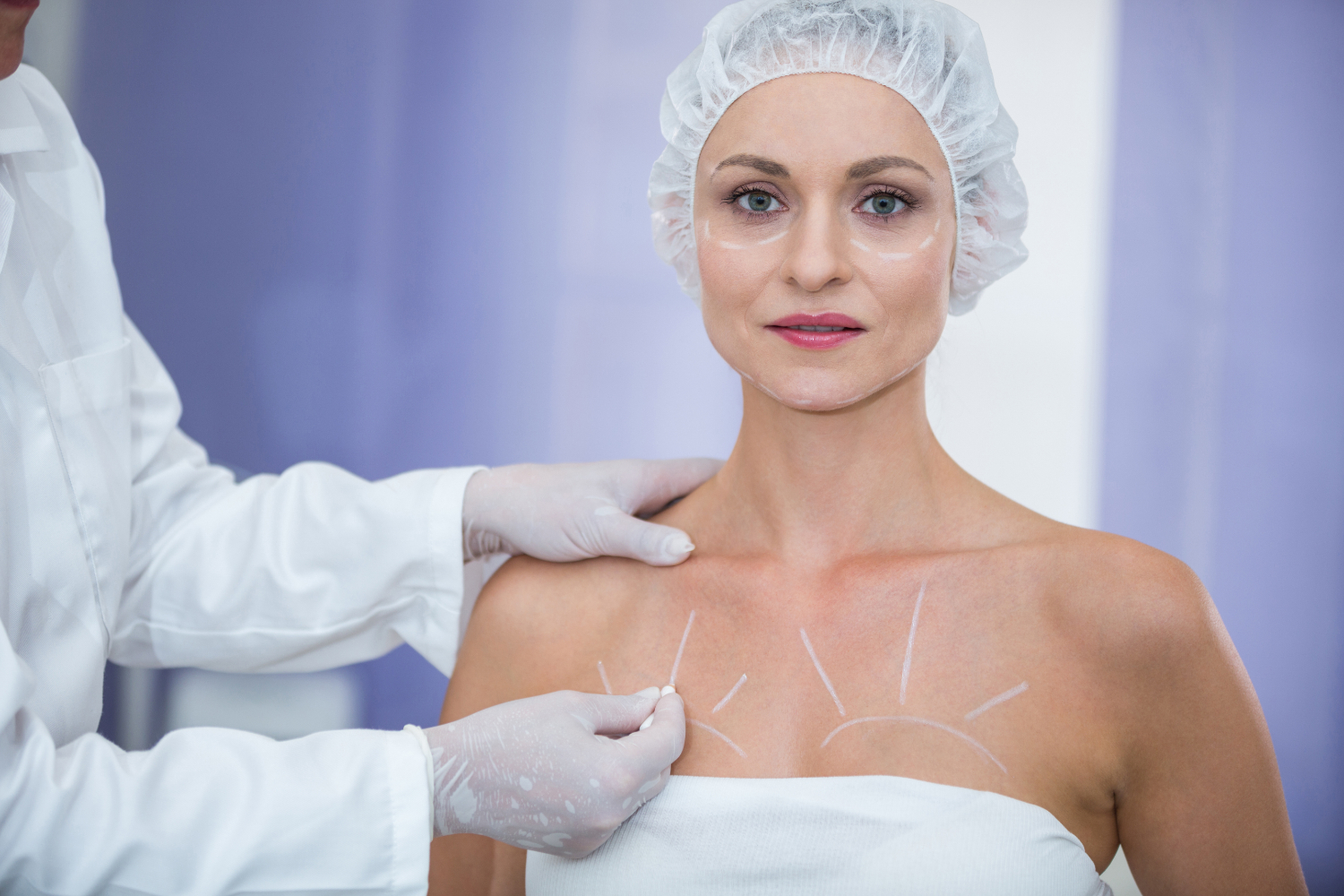
Understanding the Face Lift Surgery Journey Embarking on the journey of facelift surgery can be both an exciting and daunting experience. Understanding the facelift procedure and what to expect during recovery is crucial for anyone considering this transformative process. This surgical technique involves lifting and tightening underlying muscles to create a more youthful contour, while also removing excess skin for a smoother look. Once you’ve undergone the surgery, the facelift recovery process begins. It’s important to recognize that healing is a gradual journey, with each day bringing you closer to your desired results. During the initial phase of recovery, it’s normal to experience some swelling and bruising; however, these effects will diminish over time as your body heals. Setting realistic post-surgery expectations can greatly enhance your overall experience. While immediate results may not be visible right away due to swelling, patience is key as you allow ample time for full recovery. By following your surgeon’s aftercare instructions diligently and attending follow-up appointments, you’ll ensure optimal healing conditions. Ultimately, understanding each step of the facelift journey—from procedure details through recovery—empowers you with confidence in achieving a refreshed appearance that aligns with your aesthetic goals. The Initial Recovery Phase: Days 1-7 The first week following a facelift is crucial for setting the foundation of your recovery journey. During this initial recovery phase, days 1-7, post-operative care plays a significant role in ensuring optimal healing and minimizing discomfort. Understanding what to expect can make all the difference in navigating this period with confidence and ease. Facelift swelling and bruising are common reactions as your body begins to heal. While these symptoms might seem daunting, they are entirely normal and typically subside as the days progress. To manage discomfort after surgery effectively, it’s essential to follow your surgeon’s instructions closely. Keeping your head elevated, applying cold compresses gently, and taking prescribed medications can significantly alleviate swelling and pain. In addition to these measures, consider incorporating some initial recovery tips into your routine. Rest is paramount; allow yourself ample time to relax without exerting too much energy on daily tasks. Stay hydrated and nourish your body with healthy foods that promote healing. Avoid strenuous activities that could strain your incisions or increase blood pressure in the face. By prioritizing proper post-operative care and embracing these strategies for managing discomfort after surgery, you’re investing in a smoother recovery process that will ultimately lead to satisfying results from your facelift procedure. Week Two: Transitioning to Normalcy As you enter week two after your facelift, you’re likely eager to see more noticeable changes and return to your usual routine. This period marks a significant transition towards normalcy, and understanding the reduced swelling timeline can help set realistic expectations. Typically, by this stage, you’ll observe a considerable decrease in swelling, which is one of the most reassuring signs of healing progress. However, common indicators that you’re on the right track include diminished bruising and increased comfort in facial movements. These signs are positive affirmations that your body is adjusting well post-surgery. Adhering to activity guidelines post-facelift is crucial during this phase. While it’s tempting to dive back into all your pre-surgery activities, moderation remains key. Gentle walks can be beneficial for circulation without overexertion. Avoid strenuous exercises and heavy lifting until your surgeon gives you the green light. By following these guidelines and monitoring your healing progress closely, you’ll ensure a smoother transition back to normalcy while safeguarding the results of your procedure. Trust in the process and give yourself grace as you continue on this transformative journey. The First Month: Watching Your Healing Unfold The first month following a facelift is a transformative journey where you witness the remarkable healing process unfold. As the days pass, you’ll notice gradual improvements in appearance that serve as a testament to your body’s incredible ability to rejuvenate itself. The scar fading process begins subtly, with redness and swelling diminishing as your skin starts to reveal its renewed self. During this period, patience is key. Each day brings subtle changes—skin tightens and smooths, while scars become less prominent. It’s essential to remember that these gradual improvements are part of your body’s natural healing trajectory, working tirelessly beneath the surface to restore vitality and youthfulness. Embrace this time as an opportunity to nurture your skin with gentle care and attention. Hydration, sun protection, and following post-operative guidelines will support the skin rejuvenation process after a facelift. Trust in the journey; soon enough, you’ll be enjoying the full benefits of your procedure—a refreshed appearance that reflects both inner confidence and outer beauty.