
Understanding the Healing Process: Why Scars Form After Cosmetic Surgery
When it comes to cosmetic surgery, understanding the healing process is crucial for setting realistic expectations. One common aspect of this process is scar formation, which often raises questions and concerns among patients. To fully appreciate why scars form after surgery, it’s important to delve into the skin healing process.
Post-surgery healing involves a complex series of events that the body initiates to repair itself. After an incision is made during a cosmetic procedure, your body immediately begins working to heal the wound. This natural response involves several stages: hemostasis, inflammation, proliferation, and remodeling.
During these stages, scar tissue development occurs as part of the body’s effort to close and strengthen the wound site. Initially, collagen fibers are laid down rapidly and haphazardly to seal off the area quickly—this is when scars begin to form.
It’s essential to recognize that scar formation is a normal part of post-surgery healing and varies from person to person based on factors like genetics, age, skin type, and even surgical technique. While some scarring is inevitable with any surgical procedure involving incisions or cuts into the skin’s surface layer (the epidermis), advancements in surgical methods have significantly minimized their visibility.
Understanding this natural process can help alleviate concerns about scarring after cosmetic surgery. With proper care and guidance from your surgeon—such as following post-operative instructions meticulously—you can support optimal healing outcomes while embracing this step towards enhancing your appearance confidently.
Topical Treatments for Reducing Scar Visibility
When it comes to minimizing the appearance of scars, topical treatments have become a go-to solution for many seeking effective and non-invasive options. Among the most popular products are scar creams, which are specifically formulated to hydrate and soften scar tissue, promoting a smoother texture over time. These creams often contain ingredients like vitamin E, onion extract, or aloe vera—each known for their skin-healing properties.
Silicone gel sheets are another highly recommended treatment option. These sheets work by providing a protective barrier that hydrates the scar area, reducing redness and flattening raised scars. Clinically proven to improve scar appearance, silicone gel sheets are easy to use and can be applied comfortably under clothing.
Topical ointments for scars also play a crucial role in the healing process. They often include powerful antioxidants and anti-inflammatory agents that not only help reduce discoloration but also prevent further irritation of sensitive scar tissue.
Whether you opt for silicone-based solutions or nourishing creams packed with natural ingredients, these topical treatments offer promising results in achieving more refined skin texture and reduced visibility of scars.
The Role of Massage in Scar Minimization and Skin Recovery
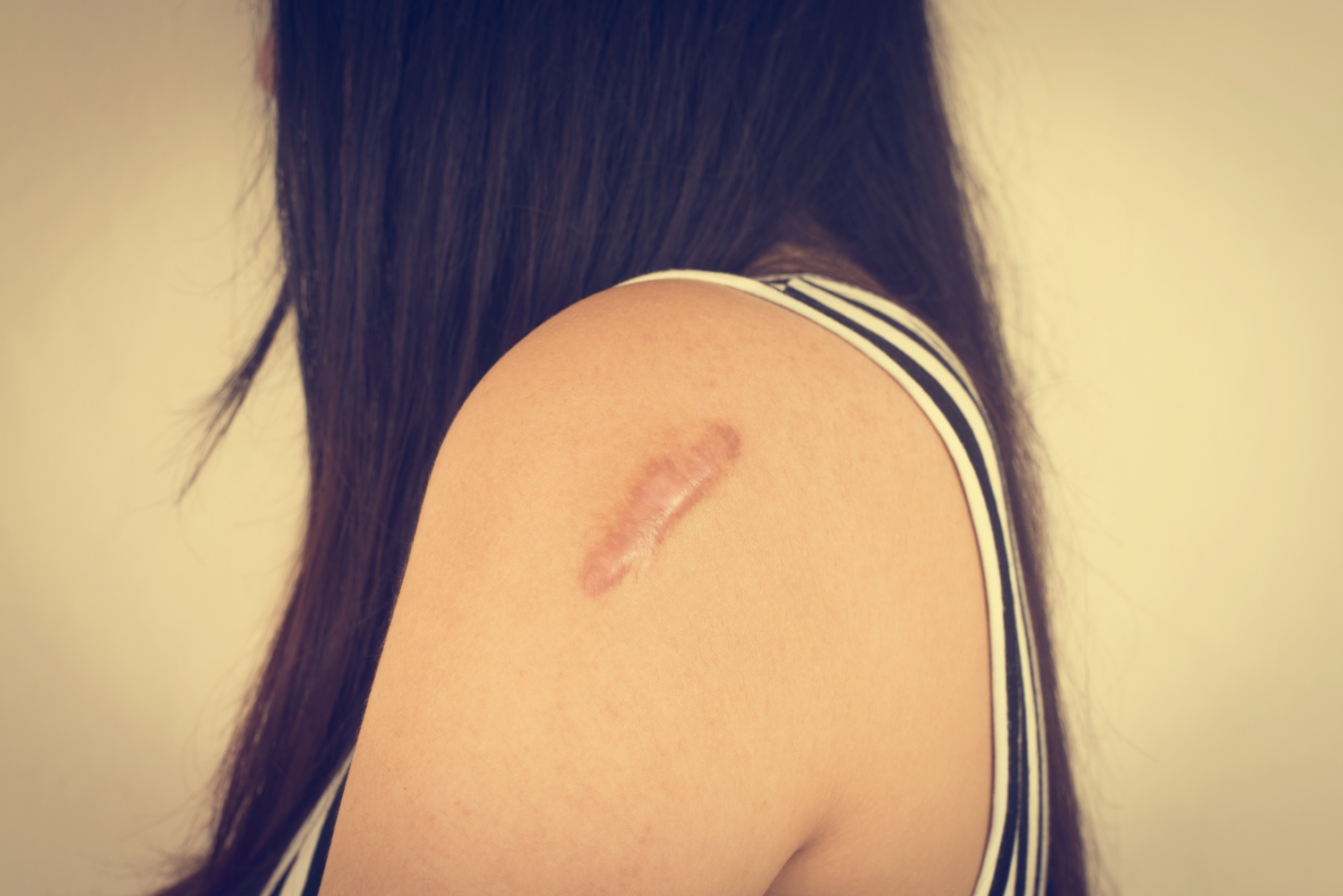
When it comes to scar minimization and skin recovery, massage plays a surprisingly pivotal role that is often underestimated. Scar massage techniques can be incredibly effective in softening and flattening scars, making them less noticeable over time. By incorporating regular massage into your scar treatment regimen, you can significantly enhance the healing process.
One of the primary benefits of massage on scars is its ability to improve circulation. When you gently manipulate the scar tissue through specific techniques, you increase blood flow to the area. This enhanced circulation delivers essential nutrients and oxygen that are crucial for skin regeneration and repair. As a result, scars can become more pliable and blend more seamlessly with surrounding skin.
Moreover, consistent scar massage helps break down collagen fibers that form during the healing process. This action not only reduces stiffness but also aids in preventing adhesions that can restrict movement or cause discomfort. By adopting these techniques early in the healing journey, you empower your body’s natural ability to reduce scars effectively.
Incorporating regular massages into your skincare routine is a proactive step towards achieving smoother and healthier-looking skin. Whether you’re dealing with surgical scars or minor injuries, embracing this holistic approach will undoubtedly yield transformative results over time.
The Importance of Sun Protection in Preventing Scar Darkening
When it comes to healing after surgery or an injury, protecting your skin from the sun is crucial in preventing scar darkening. The delicate nature of healing skin makes it particularly vulnerable to the harmful effects of UV rays. This is where the importance of using sunscreen for scars cannot be overstated.
Applying a broad-spectrum sunscreen with a high SPF acts as a shield, offering essential UV protection for healing skin. By diligently using sunscreen, you minimize the risk of pigmentation changes that can lead to darker, more noticeable scars. It’s not just about aesthetics; it’s about ensuring your skin heals optimally without unnecessary complications.
Avoiding sun exposure post-surgery should be a top priority in your skincare routine. Even brief periods in direct sunlight can trigger melanin production in scar tissue, leading to long-lasting discoloration. Therefore, incorporating sun protection into your daily regimen is not merely an option—it’s a necessity for anyone serious about maintaining even-toned and healthy-looking skin during recovery.
Embrace the power of prevention by prioritizing sun protection as part of your healing process. Your future self will thank you for taking these proactive steps towards healthier and more beautiful skin.