
- moderator10
- 0 Comments
What Causes Buttock Asymmetry?
Buttock asymmetry occurs when one side of the buttocks differs from the other in size, shape, projection, height, or overall contour. Mild differences between the two sides of the body are naturally common, but more noticeable asymmetry can affect the balance between the waist, hips, and lower body.
Several factors can contribute to uneven buttocks. Genetics and natural skeletal anatomy may cause differences in pelvic structure, muscle development, or fat distribution. These variations can become more noticeable as the body develops or when body composition changes over time.
Differences in fat distribution are another common factor. One side may naturally store more fatty tissue than the other, creating unequal fullness or projection. Significant weight gain or weight loss can sometimes make these differences more apparent.
Muscle imbalance may also influence buttock shape. Differences in the size or development of the gluteal muscles can result from activity patterns, previous injuries, posture, or natural anatomical variation. In some cases, previous surgery or trauma may also contribute to contour irregularities.
A careful evaluation is therefore necessary before planning treatment. Determining whether the asymmetry originates primarily from fat distribution, muscle structure, skeletal anatomy, skin quality, or a combination of factors helps establish what degree of correction may realistically be achieved.
Rather than aiming for perfect symmetry, treatment focuses on creating better balance, smoother contours, and more harmonious proportions between the two sides of the body.
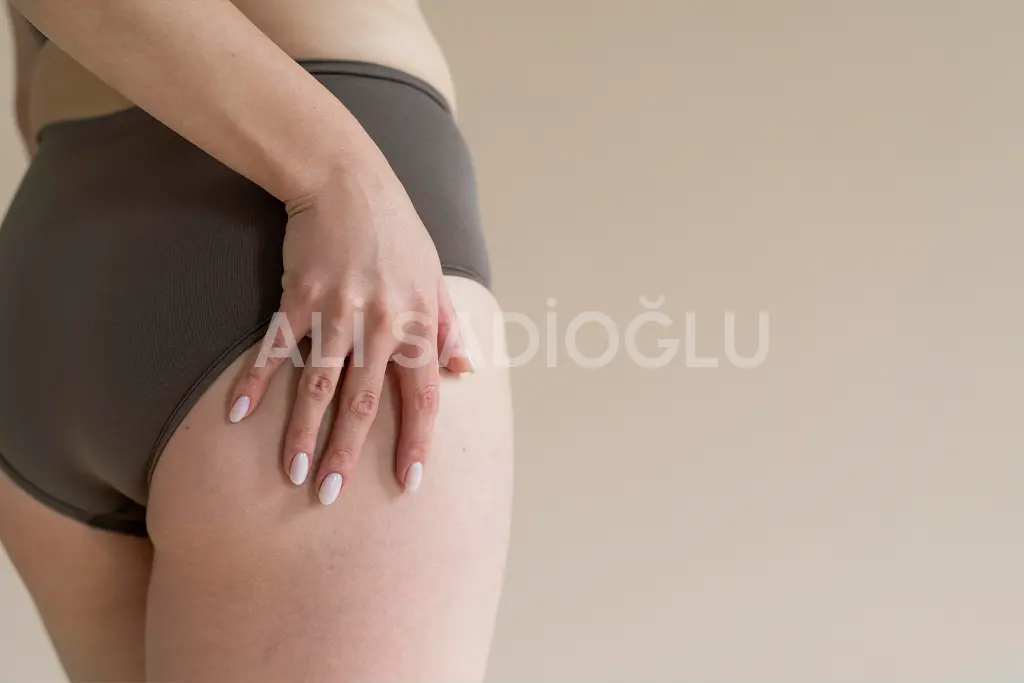
How Can a BBL Improve Uneven Buttocks?
A Brazilian Butt Lift (BBL) can improve certain forms of buttock asymmetry by strategically transferring the patient’s own fat to areas that lack volume or projection. Instead of adding the same amount of fat to both sides, the procedure can be customized according to the specific differences between the buttocks.
The process begins with liposuction, typically performed on areas such as the abdomen, flanks, waist, back, or thighs. The harvested fat is prepared for transfer and then carefully distributed to improve the contour of the buttocks. When one side is smaller or flatter, different volumes and placement patterns may be used to create better visual balance.
Fat transfer can also help address localized depressions or contour irregularities. By placing fat strategically, the surgeon can create smoother transitions, improved projection, and a more balanced relationship between the hips and buttocks.
However, BBL cannot correct every cause of asymmetry. Differences resulting primarily from pelvic structure, spinal alignment, or significant muscle imbalance may remain partially visible even after fat transfer. For this reason, identifying the anatomical source of the asymmetry before surgery is essential.
It is also important to recognize that perfect symmetry is rarely realistic because natural differences exist throughout the human body. The objective of a BBL for uneven buttocks is to reduce noticeable imbalance and create a more harmonious overall contour, while preserving proportions that suit the patient’s individual anatomy.
What Role Does Liposuction Play in Correcting Asymmetry?
Liposuction is an important part of BBL planning because buttock asymmetry is not always caused solely by differences in buttock volume. Uneven fat distribution around the waist, flanks, hips, or lower back can make one side appear larger or differently shaped even when the buttocks themselves are relatively similar.
During a BBL for buttock asymmetry, liposuction can be performed selectively to refine areas with excess fat and create smoother transitions around the buttocks. Removing different amounts of fat from each side may help improve visual balance before any harvested fat is transferred.
The procedure also influences the waist-to-hip ratio and overall lower-body silhouette. Carefully contouring the flanks and lower back can make the buttocks appear more defined and symmetrical without relying exclusively on adding volume.
Combining selective liposuction with strategic fat transfer allows both excess and deficient areas to be addressed within the same treatment plan. One side may require greater fat reduction around the surrounding tissues, while the other may need additional volume to improve projection or contour.
In Istanbul, Dr. Ali Sadioğlu evaluates fat distribution, buttock shape, hip contour, and overall body proportions to develop an individualized approach for patients with noticeable asymmetry.
The objective is not simply to remove or add equal amounts of fat on both sides. Precise contouring based on existing anatomical differences is essential for creating a smoother, more proportionate, and naturally balanced result.
Who Is a Good Candidate for BBL to Correct Buttock Asymmetry?
A BBL for buttock asymmetry may be suitable for individuals who have noticeable differences in buttock volume, projection, or contour that are primarily related to uneven fat distribution. The procedure is particularly useful when one side appears flatter, smaller, or less defined than the other.
Suitable candidates generally need to have enough donor fat available for transfer from areas such as the abdomen, flanks, back, hips, or thighs. The amount required varies according to the degree of asymmetry and the overall body contour the patient hopes to achieve.
Candidates should also be in good overall health and at a relatively stable body weight. Significant weight fluctuations after surgery can alter the volume of transferred fat and potentially affect the balance achieved through the procedure.
Skin quality is another important consideration. Good skin elasticity can help the tissues adapt more smoothly to changes in volume and contour, although patients with some degree of skin laxity may still be candidates depending on their anatomy and treatment goals.
Realistic expectations are essential. A BBL can improve visible differences between the buttocks, but it cannot guarantee perfect symmetry or fully correct asymmetry caused by skeletal structure, pelvic alignment, or significant muscular differences.
A detailed anatomical assessment is therefore necessary to determine whether fat transfer can meaningfully improve the imbalance. The goal is to achieve better proportion, smoother contours, and a more visually balanced lower-body silhouette rather than creating two perfectly identical sides.
Recovery and Results After BBL for Uneven Buttocks
Recovery after a BBL for buttock asymmetry involves healing in both the areas treated with liposuction and the regions where fat has been transferred. Temporary swelling, bruising, tenderness, and changes in sensation may occur during the early recovery period and gradually improve as the tissues heal.
Protecting the transferred fat is particularly important during the first weeks. Patients are generally advised to limit prolonged direct pressure on the buttocks and follow individualized sitting and sleeping instructions provided by their surgeon. Compression garments may also be recommended for the liposuction areas to help control swelling and support the newly created body contours.
The initial shape seen after a BBL does not represent the permanent outcome. Early swelling may temporarily exaggerate differences between the two sides, while the body gradually absorbs some of the transferred fat during recovery. Fat cells that successfully integrate with the surrounding tissues can retain their volume over the long term and become part of the final buttock contour.
As swelling decreases and the tissues settle, the difference between the two sides can become less noticeable. However, complete symmetry cannot be guaranteed, particularly when underlying skeletal or muscular differences contribute to the original imbalance.
Maintaining a stable body weight is important for preserving the result because transferred fat can respond to future weight changes. Significant weight gain or loss may alter buttock volume and affect the proportions achieved through surgery.
The long-term objective is to create better balance between the buttocks, smoother transitions around the hips and waist, and a more harmonious lower-body silhouette while respecting the patient’s natural anatomy.