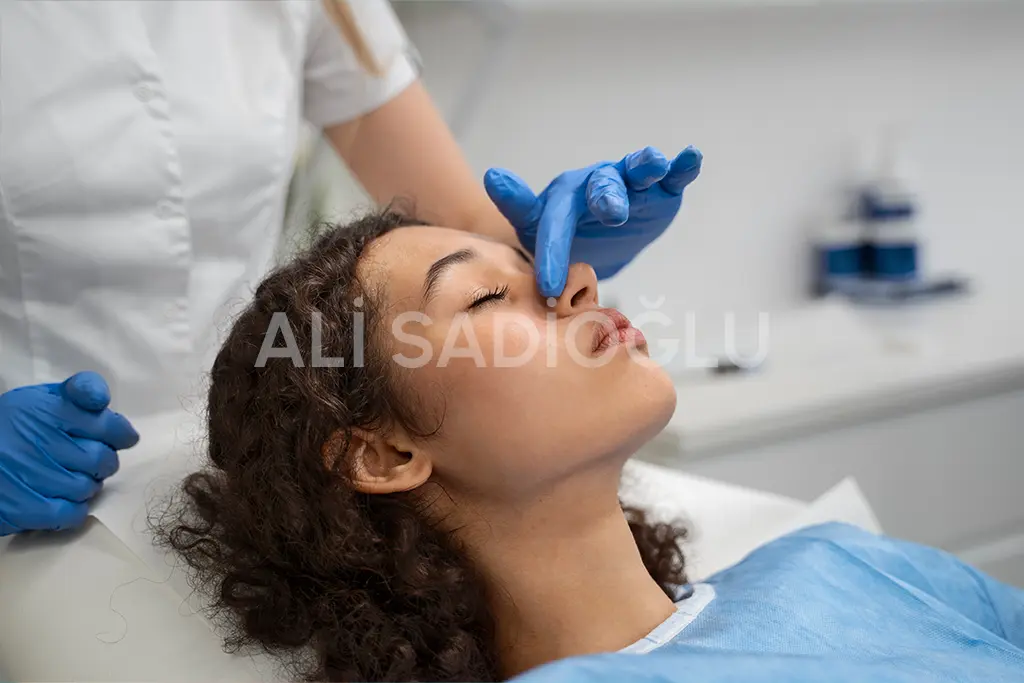
Nostril Reduction Surgery: Can Wide Nostrils Be Made Smaller with Rhinoplasty?

What Is Nostril Reduction Surgery? Nostril reduction surgery, also known as alar base reduction, is a surgical technique used to refine nostrils that appear excessively wide, flared, or disproportionate to the rest of the nose. The procedure focuses on improving the shape and width of the nostril base while maintaining a natural relationship with the surrounding facial features. Wide nostrils may be related to genetics, nasal anatomy, skin thickness, or the overall width of the nasal base. In some individuals, nostril flare becomes particularly noticeable when smiling or making facial expressions. For others, the concern is visible even when the face is at rest. During treatment planning, the surgeon evaluates more than nostril width alone. The nasal tip, columella, alar shape, facial proportions, and symmetry of the nostrils are considered together to determine whether narrowing the nasal base would create a balanced result. Nostril reduction may be performed as an independent procedure in selected patients or incorporated into a more comprehensive rhinoplasty when other areas of the nose also require modification. The amount of tissue removed must be carefully controlled, as excessive narrowing can create an unnatural appearance or affect the shape of the nostril openings. The objective is therefore not simply to make the nostrils as small as possible. A carefully planned wide nostril correction aims to create a more refined nasal base while preserving natural contours, symmetry, and harmony with the patient’s individual facial anatomy. How Are Wide Nostrils Reduced with Rhinoplasty? Reducing wide nostrils requires a carefully individualized surgical approach, as the appearance of the nasal base can be influenced by nostril flare, alar width, nasal tip structure, and overall facial proportions. One commonly used technique is alar base reduction, in which carefully planned amounts of tissue are removed from specific areas near the natural crease where the nostril meets the cheek. The remaining tissue is then precisely repositioned and closed to narrow the nasal base and reduce excessive nostril flare. In some patients, wide nostrils are only one component of a broader nasal concern. When this occurs, nostril narrowing may be combined with rhinoplasty techniques that reshape the nasal tip, bridge, or supporting cartilage. Treating these structures together can help maintain appropriate proportions throughout the nose. The amount of narrowing must be determined conservatively. Removing excessive tissue may produce nostrils that appear unnaturally small, create asymmetry, or alter the natural curvature of the alar region. For this reason, preserving balanced nostril shape is just as important as reducing width. Surgical planning also considers how the nose changes during facial expression. The goal is to achieve a refined and proportionate nasal base that remains natural both at rest and while smiling, rather than simply reducing the measured width of the nostrils. Who Is a Good Candidate for Nostril Reduction? Nostril reduction surgery may be suitable for individuals who feel that their nostrils are excessively wide, flared, or disproportionate compared with the rest of their nose and facial features. Candidacy depends on nasal anatomy and the type of correction required rather than nostril width alone. Patients with a broad alar base, noticeable nostril flare, or asymmetry between the nostrils may benefit from this procedure. It may also be considered when the nasal base remains disproportionately wide after other areas of the nose have been refined through rhinoplasty. Good candidates should generally be in stable overall health and have realistic expectations about the outcome. Nostril reduction is intended to improve proportion and balance rather than create extremely narrow or identical nostrils. Minor natural differences between the two sides of the nose can remain even after surgery. The patient’s skin characteristics, nasal tip position, alar structure, nostril shape, and overall facial proportions must also be evaluated. In some cases, narrowing the nostrils alone may be sufficient, while other patients may benefit from combining alar base reduction with a more comprehensive rhinoplasty. In Istanbul, Dr. Ali Sadioğlu evaluates the nose as part of the entire facial structure to determine whether isolated nostril reduction or a broader rhinoplasty approach is more appropriate. Careful patient selection and individualized planning are essential for achieving natural-looking nostril narrowing without compromising facial harmony or nasal function. Will Nostril Reduction Leave Visible Scars? Because nostril reduction surgery involves small external incisions, some degree of scarring is expected. However, the incisions used for alar base reduction are typically positioned within or close to the natural crease where the nostril meets the cheek, helping them blend with the surrounding anatomy as healing progresses. During the early recovery period, incision lines may appear pink, slightly raised, or more noticeable than the surrounding skin. This appearance generally changes over time as the scars mature, soften, and gradually become less prominent. The final visibility of a scar varies between individuals. The final appearance of a scar can vary depending on individual skin characteristics, genetic healing tendencies, the location of the incision, surgical precision, tissue recovery, and the quality of post-operative care. Some patients are naturally more prone to noticeable or raised scarring than others. Proper aftercare can support favorable scar maturation. Patients should follow wound-care instructions carefully and protect healing incisions from excessive sun exposure. Additional scar treatments may be recommended depending on how the incision heals. Although scars cannot be guaranteed to disappear completely, carefully positioned incisions can often become subtle and difficult to notice during normal facial interaction. The objective is to refine nostril width while keeping surgical signs as discreet as possible. Recovery and Results After Nostril Reduction Surgery Recovery after nostril reduction surgery is generally gradual, with most early changes occurring around the nasal base and incision sites. Mild swelling, tenderness, tightness, and temporary redness may develop during the first several days as the tissues begin to heal. Patients can often resume light daily activities within a relatively short period, although the exact recovery timeline depends on whether alar base reduction was performed alone or combined with a more extensive rhinoplasty. Strenuous exercise, unnecessary pressure on the nose, and activities that could cause facial trauma should be

Tuberous Breast Correction: Can Surgery Create a More Natural Breast Shape?

What Are Tuberous Breasts and Why Do They Develop? Tuberous breasts, also known as tubular breasts, describe a developmental breast shape that becomes apparent as the breasts grow during puberty. Rather than being caused by lifestyle habits or weight changes, the condition is associated with differences in how breast tissue and the surrounding skin develop. The appearance can vary considerably between individuals. Common characteristics include a narrow breast base, constricted lower breast tissue, enlarged or prominent areolas, increased spacing between the breasts, and a more elongated or tubular contour. One breast may also be affected more noticeably than the other, resulting in visible asymmetry. In a naturally rounded breast, tissue expands across the chest in multiple directions during development. With a tuberous breast, a restrictive tissue pattern may prevent the lower portion of the breast from expanding normally. Breast tissue can instead project forward toward the areola, contributing to the characteristic shape. The degree of tuberous breast development ranges from mild to more pronounced. Some patients primarily notice limited lower-pole fullness or subtle asymmetry, while others may have significant constriction, breast volume differences, or noticeable areolar changes. Because the condition involves more than breast size alone, tuberous breast correction requires individualized surgical planning. The objective is to address the underlying shape and tissue distribution while creating a softer, more balanced breast contour that complements the patient’s natural body proportions. How Is Tuberous Breast Correction Performed? Tuberous breast correction is planned according to the degree of constriction, breast volume, asymmetry, areolar appearance, and the patient’s desired outcome. Because the condition affects the distribution and shape of breast tissue, treatment usually involves more than simply increasing breast size. A key part of surgery is addressing the constricted breast base. The restrictive tissue can be carefully released or redistributed so that the lower portion of the breast has greater freedom to expand into a more rounded contour. This helps improve the transition between the lower breast and the chest wall. Depending on the patient’s anatomy, breast implants or fat transfer may be used to restore volume and improve symmetry. Implants can provide additional projection and help expand areas with limited development, while fat grafting may be used selectively to soften contours and correct localized volume differences. When the areola is enlarged or breast tissue protrudes through the areolar region, areolar reshaping or reduction may also form part of the procedure. Patients with significant breast asymmetry may require different techniques on each side to achieve better balance. In selected cases, a breast lift can be incorporated when skin laxity or nipple position also needs correction. The combination of techniques is determined individually rather than applying the same surgical approach to every patient. The primary goal is to reshape and redistribute the existing breast tissue, correct constriction, and create a softer, more naturally rounded breast contour while maintaining proportions that complement the patient’s body. Which Surgical Techniques Can Improve Breast Shape? There is no single technique used for every tuberous breast correction. The surgical approach depends on the degree of breast constriction, existing volume, skin quality, areolar size, nipple position, and the amount of asymmetry between the breasts. One of the most important steps is releasing the constricted breast tissue. Carefully modifying restrictive tissue can allow the lower portion of the breast to expand more naturally and create a broader, rounder breast base. Breast implants may be considered when additional volume or projection is required. Implant size, shape, and position are selected according to the patient’s anatomy rather than simply choosing the largest possible volume. The aim is to support the newly created breast contour while maintaining balanced body proportions. Fat transfer can also play a valuable role, particularly when smaller contour irregularities or volume differences need to be corrected. Fat obtained from another area of the patient’s body can be strategically placed to improve transitions and enhance symmetry. For patients with enlarged or protruding areolas, areolar reduction and tissue reshaping may help create a more proportionate appearance. A breast lift may also be incorporated when nipple position or excess skin requires additional correction. In Istanbul, Dr. Ali Sadioğlu evaluates the characteristics of each breast individually and develops a surgical plan based on the patient’s anatomy, degree of constriction, and aesthetic goals. Combining appropriate techniques can help transform a narrow or tubular breast shape into a softer, more balanced, and naturally proportioned contour while addressing asymmetry when present. Who Is a Good Candidate for Tuberous Breast Surgery? Tuberous breast surgery may be suitable for individuals whose breast development has resulted in a constricted, elongated, asymmetrical, or noticeably narrow breast shape. The procedure is generally considered after breast development is complete and the breast contour has become stable. Potential candidates may have characteristics such as a narrow breast base, limited fullness in the lower breast, enlarged or prominent areolas, significant spacing between the breasts, or differences in size and shape between the two sides. These features can occur individually or in combination and may vary considerably in severity. Candidates should generally be in good overall health and have realistic expectations about what surgery can accomplish. The purpose of tuberous breast correction is to improve breast shape, proportion, and symmetry rather than guarantee perfectly identical breasts. Future plans should also be considered before surgery. Pregnancy, breastfeeding, aging, and significant weight fluctuations may affect breast volume and shape over time. Patients should discuss these factors during consultation so that the treatment strategy can reflect both current anatomy and long-term expectations. A detailed examination is essential because some breast characteristics that resemble tuberous breasts may have different underlying causes. Evaluating breast tissue distribution, skin quality, areolar dimensions, nipple position, chest-wall anatomy, and existing asymmetry helps determine the most appropriate surgical approach. Careful patient selection and individualized planning are therefore central to achieving a more natural, balanced breast contour that remains proportionate to the patient’s body. Recovery and Results After Tuberous Breast Correction Recovery after tuberous breast correction depends on the techniques used during surgery. A procedure involving tissue

Closed Rhinoplasty vs. Open Rhinoplasty: Which Technique Is Right for You?

Closed Rhinoplasty vs. Open Rhinoplasty: Which Technique Is Right for You? Rhinoplasty is a highly individualized operation that can improve both the appearance and function of the nose. One of the first decisions discussed during a consultation is whether the procedure should be performed using a closed rhinoplasty or an open rhinoplasty approach. Although both techniques can reshape the nasal bones and cartilage, they differ in where the incisions are made and how much of the nasal framework is exposed. So, which technique is right for you? The answer depends on your anatomy, breathing concerns, previous surgery, skin and cartilage characteristics, and the changes you hope to achieve. Rather than choosing a technique based only on the promise of a scar-free result or a faster recovery, it is important to select the approach that supports a safe and natural-looking outcome.  What Is Closed Rhinoplasty? In closed rhinoplasty, all incisions are made inside the nostrils. Because there is no incision on the columella—the strip of tissue between the nostrils—there is no visible external scar. Through these internal incisions, the surgeon can modify the nasal bridge, reduce a dorsal hump, refine certain areas of the tip, and improve overall nasal balance. A closed approach may be suitable when the required changes are limited or when the surgeon can achieve the desired correction without fully exposing the nasal framework. Many patients appreciate that closed rhinoplasty generally involves less disruption to the soft tissue envelope. In appropriately selected patients, this approach may help minimize early swelling and support a smoother recovery, although the healing process remains unique to each individual. The main limitation is access. Since the surgeon works through a restricted field, highly complex structural changes may be more difficult to perform with the same level of visibility and control available through an open approach. Closed rhinoplasty is therefore not automatically “better”; it is most effective when it matches the patient’s needs and the surgeon’s assessment. What Is Open Rhinoplasty? Open rhinoplasty uses the same internal nostril incisions as closed rhinoplasty, with the addition of a small incision across the columella. This allows the skin to be gently lifted so the surgeon can directly view and work on the underlying cartilage and bone. The increased visibility can be particularly valuable when precise tip reshaping, significant asymmetry correction, grafting, reconstruction, revision surgery, or post-traumatic deformity treatment is required. Open rhinoplasty may also provide more predictable access when the nasal anatomy is complex or has already been altered by a previous procedure. The trade-off is that open rhinoplasty can be associated with more soft-tissue swelling and a longer period of visible recovery. The columellar incision usually heals well and becomes subtle over time, but patients should understand that it is an external incision and may leave a fine scar. Your surgeon will explain how incision placement and closure are managed in your specific case. Closed Rhinoplasty vs. Open Rhinoplasty: Key Differences   Feature Closed rhinoplasty Open rhinoplasty Incisions Inside the nostrils only Inside the nostrils plus a small columellar incision External scar No visible external incision A small columellar scar may be present Surgical access More limited Broader and more direct visualization Typical use Selected primary cases and less extensive corrections Complex reshaping, grafting, revision, or reconstruction Swelling and recovery May be reduced in suitable cases May involve more swelling and a longer early recovery Best choice Depends on anatomy and treatment goals Depends on anatomy and treatment goals These differences serve as general guidelines and may vary according to individual anatomy and aesthetic goals. Experienced surgeons may use different variations of each approach, and some techniques can be combined or adapted according to the patient’s anatomy.   Which Rhinoplasty Technique Is Right for You? The right approach is determined during a detailed consultation. Your surgeon will evaluate the nasal bones, cartilage, skin thickness, septum, nasal valves, tip support, facial proportions, and any existing breathing problems. Your medical history, previous nasal surgery, allergies, medications, and expectations are also important parts of the assessment. Closed rhinoplasty may be considered when a patient needs a relatively focused correction and the surgeon can perform the planned changes safely through internal incisions. Open rhinoplasty may be preferable when the operation requires extensive tip work, structural grafts, correction of marked asymmetry, or revision of a previous rhinoplasty. Functional concerns, such as a deviated septum or narrowed nasal passages, may also influence the surgical plan. Rhinoplasty can be performed for aesthetic, functional, or combined reasons. For this reason, patients should be cautious of absolute claims that one method is always superior. Op. Dr. Ali Sadioğlu emphasizes that the surgical approach should be selected after examining the patient in person and defining the desired balance between appearance, breathing, stability, and long-term healing. In other words, the surgeon’s experience and the quality of the treatment plan are at least as important as whether the approach is open or closed. Recovery and Expectations After Rhinoplasty Regardless of the approach, rhinoplasty requires patience. A splint may be used during the first stage of healing, Temporary swelling and bruising around the nose and eye area are expected during early recovery. Many patients can gradually resume desk-based or other light work within one to two weeks, although the exact timeframe depends on the extent of surgery and each person’s healing response. The nose may continue to refine gradually for several months, and residual swelling—especially around the tip—can persist longer. Patients should follow all postoperative instructions carefully, avoid pressure or impact to the nose, and attend scheduled follow-up visits. Rhinoplasty results cannot be guaranteed, and possible complications include bleeding, infection, asymmetry, altered smell, persistent breathing difficulties, or the need for additional treatment. The Importance of a Personal Consultation Photos and online comparisons can help you understand the difference between closed rhinoplasty and open rhinoplasty, but they cannot determine which technique is appropriate for your nose. A consultation with a qualified plastic surgeon is essential for assessing your anatomy, discussing realistic goals, reviewing potential risks, and creating a

Top 5 Most Popular Plastic Surgery Procedures for Women in 2026

Top 5 Most Popular Plastic Surgery Procedures for Women in 2026 Plastic surgery has long been an important part of aesthetic medicine for women, with procedures continuing to evolve to meet changing expectations and individual needs. In recent years, many women have considered aesthetic surgery to improve facial balance, enhance body contours, address age-related changes, or correct physical features that have bothered them for years. However, aesthetic goals in female patients require an individualized approach. Rather than dramatically changing facial or body characteristics, plastic surgery for women generally focuses on maintaining feminine proportions, enhancing natural contours, and creating results that remain consistent with the patient’s natural anatomy. In 2026, procedures ranging from rhinoplasty and liposuction to tummy tuck and facelift surgery continue to attract interest among female patients. The appropriate procedure depends not only on the area being treated, but also on factors such as skin quality, body composition, facial structure, age, lifestyle, and individual expectations. Here are five of the most popular plastic surgery procedures for women in 2026 and the reasons why women may consider them. 1. Rhinoplasty: Creating a Refined and Balanced Facial Profile Rhinoplasty remains one of the most sought-after plastic surgery procedures for women, particularly among patients who want to improve facial proportions while preserving the features that contribute to their individual appearance. Female rhinoplasty is not simply about making the nose smaller. The nose occupies a central position in the face, meaning even relatively subtle changes to its shape can influence the relationship between the forehead, cheeks, lips, chin, and overall facial profile. Women may consider rhinoplasty because of a prominent nasal hump, wide or asymmetrical nose, drooping nasal tip, previous nasal trauma, or breathing difficulties. Depending on the individual case, surgery may address aesthetic concerns, functional problems, or both within the same treatment plan. Planning female rhinoplasty requires particular attention to facial proportions. Features that suit one patient may not necessarily be appropriate for another. Some women may prefer a more refined nasal bridge or tip, while others may want only subtle adjustments that preserve the natural character of their face. The objective is therefore not to create a standardized “perfect nose,” but to reshape the existing nasal structure in a way that complements the patient’s facial features. Modern rhinoplasty techniques allow the nasal bones and cartilage to be carefully modified while preserving or reinforcing structural support where necessary. A well-planned procedure should create a nose that appears naturally integrated with the rest of the face rather than drawing attention to the fact that surgery has been performed. Because nasal anatomy and facial proportions differ considerably between patients, individualized surgical planning remains one of the most important elements of rhinoplasty for women. 2. Tummy Tuck: Addressing Loose Abdominal Skin and Improving Definition A fit appearance does not always depend on body weight alone. Some women maintain a healthy lifestyle yet continue to experience loose abdominal skin, weakened abdominal tissues, or changes in the contour of the midsection that cannot be adequately corrected through exercise. These changes may occur following significant weight loss, pregnancy, aging, or fluctuations in body weight. As body volume decreases or the abdomen changes during pregnancy, previously stretched skin may not completely retract, leaving excess tissue around the abdomen. Age-related changes in skin elasticity can produce a similar effect. A tummy tuck for women, also known as abdominoplasty, is designed to remove excess abdominal skin and improve the overall contour of the midsection. When necessary, the procedure may also address weakened or separated abdominal muscles to create a firmer abdominal wall. The surgical approach varies according to the amount and location of excess tissue. Some patients primarily have loose skin below the navel, while others have more extensive laxity affecting a larger portion of the abdomen. Tummy tuck surgery should also be distinguished from liposuction. Liposuction primarily targets localized fat deposits, whereas a tummy tuck focuses on excess skin and abdominal wall laxity. In selected patients, the two procedures may be combined when both concerns are present. For female patients, surgical planning generally aims to create a natural and proportionate abdominal contour while maintaining harmony between the abdomen, waist, and hips. The position of the navel, incision placement, distribution of remaining fat, and surrounding body proportions all influence the final contour. Women considering abdominoplasty should ideally be close to a stable body weight. Significant weight fluctuations or future pregnancies may affect the abdominal tissues and alter the result over time. When performed for an appropriate candidate, tummy tuck surgery can create a flatter, firmer, and more proportionate abdominal contour, particularly when loose skin rather than body fat alone is responsible for the concern. 3. Liposuction: Targeting Stubborn Fat and Improving Female Body Contours Even with regular exercise and balanced nutrition, localized fat deposits can remain in areas that are particularly resistant to lifestyle changes. Liposuction for women is designed to target these areas and improve body proportions rather than serve as a method for substantial weight loss. Common treatment areas in female patients include the abdomen, waist, hips, thighs, back, upper arms, and beneath the chin. Localized fat deposits in these areas may affect body proportions even in women who maintain a healthy and stable weight. During liposuction, unwanted fat is removed through small incisions using a thin cannula. However, successful body contouring involves considerably more than removing the maximum possible amount of fat. The location and amount of fat removal must be carefully planned to maintain smooth transitions between different areas of the body. Removing too much fat or doing so unevenly can lead to unbalanced body contours, making a careful assessment of the patient’s natural anatomy essential when planning the procedure. In selected female patients, strategic fat reduction can help enhance natural curves and create greater definition around areas such as the waist, abdomen, hips, and thighs. However, the potential result depends on several factors, including skin elasticity, body structure, existing body fat percentage, and fat distribution. Liposuction and tummy tuck surgery can sometimes complement one another,

Why Is Revision Rhinoplasty Necessary? Common Reasons and Treatment Options

Why Might a Second Nose Surgery Be Needed? Revision rhinoplasty is a secondary nasal surgery performed to improve the appearance, function, or both after a previous rhinoplasty. While many primary rhinoplasty procedures achieve successful and lasting results, some patients may require an additional operation because the initial outcome does not fully meet their aesthetic goals or functional needs. The need for revision surgery does not always indicate that the first procedure was unsuccessful. The nose is a highly complex structure composed of bone, cartilage, skin, and delicate soft tissues, all of which heal differently from one individual to another. Unpredictable scar formation, changes during healing, trauma after surgery, or the progression of natural aging can all influence the final appearance and function of the nose. Some patients seek revision rhinoplasty because they experience ongoing breathing difficulties after their first operation, while others wish to correct cosmetic concerns such as asymmetry, irregular contours, overcorrection, undercorrection, or dissatisfaction with the shape of the nasal tip or bridge. In many cases, both functional and aesthetic issues are addressed during the same procedure. Revision rhinoplasty is typically more complex than primary rhinoplasty because the surgeon must work with tissue that has already been altered and may contain scar tissue or reduced cartilage support. Careful evaluation and individualized planning are therefore essential to achieve safe, balanced, and natural-looking results. What Are the Most Common Reasons for Revision Rhinoplasty? Patients consider revision rhinoplasty for a variety of functional and aesthetic reasons. In many cases, the goal is to correct concerns that remained after the initial procedure or that developed during the healing process. One of the most common reasons is persistent breathing difficulty. Structural problems such as a narrowed nasal valve, unresolved septal deviation, or weakened cartilage support can interfere with normal airflow and may require surgical correction to restore comfortable breathing. Aesthetic concerns are another frequent reason for revision surgery. Some patients are dissatisfied with issues such as a crooked nose, asymmetry, irregularities along the nasal bridge, an overly elevated or drooping nasal tip, or a nose that appears either over-reduced or insufficiently refined. Even subtle imperfections can become more noticeable once the healing process is complete. Changes that occur during recovery may also lead to the need for a second procedure. Scar tissue can alter the shape of the nose over time, while cartilage may shift or heal in an unexpected way. In some cases, an injury after the original operation can also affect the nasal structure and create new functional or cosmetic concerns. Revision rhinoplasty is not intended to create a completely different nose. Instead, it focuses on refining the existing result, correcting specific problems, and improving both appearance and function while preserving harmony with the rest of the face. How Is Revision Rhinoplasty Different from Primary Rhinoplasty? Revision rhinoplasty is generally more complex than primary rhinoplasty because the surgeon is working on a nose that has already undergone surgery. Previous procedures can alter the normal anatomy, leaving behind scar tissue, changes in cartilage support, and differences in skin flexibility that make the operation more technically challenging. One of the main differences is the presence of scar tissue. Scar tissue can obscure normal anatomical landmarks, reduce tissue mobility, and make it more difficult to reshape the nose with precision. As a result, revision surgery often requires meticulous dissection and careful preservation of the remaining nasal structures. Another important consideration is cartilage availability. During the first rhinoplasty, part of the nasal cartilage may have been removed or reshaped. If additional structural support is needed during revision, cartilage grafts may be obtained from the nasal septum, ear, or, in more complex cases, the rib to rebuild stability and improve both function and appearance. Planning is also more individualized in revision rhinoplasty. The surgeon must carefully evaluate the outcome of the previous procedure, identify the underlying cause of the patient’s concerns, and determine which changes can realistically be achieved. Establishing clear expectations is an essential part of the consultation process. In Istanbul, Dr. Ali Sadioğlu performs a comprehensive assessment of each revision rhinoplasty case, developing a personalized surgical strategy that addresses both functional concerns and aesthetic refinement while preserving a natural facial appearance. Who Is a Good Candidate for Revision Rhinoplasty? Revision rhinoplasty may be an appropriate option for individuals who continue to experience functional problems, remain dissatisfied with the appearance of their nose after a previous rhinoplasty, or develop changes that affect the final result over time. The decision to proceed with revision rhinoplasty should be made after a comprehensive assessment of the patient’s concerns, nasal structure, and the factors contributing to the unsatisfactory outcome of the initial procedure. Candidates should generally be in good overall health and have realistic expectations about what revision surgery can achieve. Because the nose has already undergone surgical changes, the goal is often to improve specific issues rather than create a completely new appearance. In most cases, patients are advised to wait until the nose has fully healed before considering revision rhinoplasty. Healing after the initial procedure can continue for up to a year or longer, particularly in individuals with thicker skin. Waiting allows residual swelling to resolve and the final shape of the nose to become apparent, making it easier to identify which concerns truly require correction. Suitable candidates may include patients with persistent breathing difficulties, noticeable asymmetry, contour irregularities, tip deformities, collapse of the nasal structures, or cosmetic concerns that did not improve after the first surgery. A thorough examination helps determine whether these issues can be addressed through revision rhinoplasty or whether non-surgical options may be appropriate in selected cases. What to Expect During Recovery After Revision Rhinoplasty Recovery after revision rhinoplasty is similar in many ways to recovery after a primary procedure, but the healing process may take longer because the nose has already undergone surgery. The presence of scar tissue and the complexity of the revision can influence how quickly swelling resolves and the final results become visible. Most patients experience mild to

At What Age Should You Consider a Facelift? Signs, Benefits and Expectations

What Is the Ideal Age for a Facelift? There is no universal age at which a facelift becomes necessary. The decision depends more on the condition of the skin, the degree of facial aging, and individual aesthetic goals than on a specific number. While many patients consider a facelift in their forties, fifties, or sixties, the ideal timing varies from person to person. As the natural aging process progresses, the skin gradually loses collagen and elasticity. At the same time, facial fat shifts downward and the underlying support structures begin to weaken. These changes can lead to sagging cheeks, loss of jawline definition, deep facial folds, and loose skin around the neck. For individuals with mild signs of aging, non-surgical treatments may provide temporary improvement. However, when tissue laxity becomes more pronounced, a facelift can offer a more comprehensive and longer-lasting solution by repositioning the deeper facial structures rather than simply tightening the skin. Choosing to undergo a facelift at the appropriate stage of aging often produces the most natural-looking results. Instead of dramatically altering facial features, the procedure restores youthful contours while preserving individual expression and facial harmony. What Signs Indicate That You May Need a Facelift? The decision to consider a facelift is usually based on visible changes in facial structure rather than age alone. As the skin and underlying tissues lose strength over time, certain signs become more noticeable and may no longer respond effectively to non-surgical treatments. One of the earliest indicators is sagging in the midface. The cheeks gradually lose volume and descend, creating a tired or aged appearance. This change can also deepen the folds that extend from the sides of the nose to the corners of the mouth. Loss of jawline definition is another common sign. As facial tissues shift downward, jowls may develop and the transition between the face and neck becomes less distinct. Many patients seek a facelift when they notice that their once-defined facial contours have become softer. Neck laxity is also an important consideration. Loose skin, excess tissue, or visible neck bands can make the face appear older than it feels. In many cases, a facelift combined with neck rejuvenation provides a more balanced and harmonious result. Another indication is when injectable treatments or skin-tightening procedures no longer produce the desired improvement. While these options can address early aging, they cannot reposition deeper facial tissues. How a Facelift Addresses Visible Signs of Aging A facelift is designed to correct the structural changes that occur as the face ages, restoring a smoother, firmer, and more youthful appearance. Rather than simply tightening the skin, modern facelift techniques focus on repositioning the deeper facial tissues that have gradually descended over time. One of the primary benefits of the procedure is the improvement of sagging in the cheeks and lower face. By lifting the underlying support layers, a facelift restores facial contours and recreates a more defined transition between the cheeks, jawline, and neck. The procedure also softens deep facial folds and reduces the appearance of jowls, creating a more balanced profile. Excess skin is carefully redraped without excessive tension, allowing the face to look refreshed instead of overly tight or artificial. For many patients, a facelift is combined with complementary procedures such as neck contouring or fat grafting to achieve comprehensive facial rejuvenation. This personalized approach enhances overall harmony while preserving natural facial expressions. Modern facelift surgery is intended to reverse the visible effects of aging rather than change an individual’s identity. The goal is to create subtle, long-lasting improvements that help patients look like a younger version of themselves. Benefits of Choosing a Facelift at the Right Time Undergoing a facelift at the appropriate stage of aging can provide more natural, balanced, and long-lasting results. When facial tissues have begun to sag but still retain good elasticity, surgeons can reposition the underlying structures more effectively while preserving the patient’s unique features. One of the biggest advantages of early intervention is that less extensive correction may be required. Addressing moderate tissue laxity before more advanced aging develops can produce subtle rejuvenation without creating a dramatic change in appearance. A well-timed facelift also helps restore facial definition by improving the contours of the cheeks, jawline, and neck. Instead of repeatedly relying on temporary treatments, patients can achieve comprehensive rejuvenation through a single surgical procedure with results that last for many years. Another important benefit is psychological confidence. Many patients report feeling more comfortable with their appearance and appreciate looking refreshed rather than noticeably altered. Modern facelift techniques are designed to maintain natural facial movement and expression while reducing visible signs of aging. Choosing the right time for surgery is a personalized decision based on anatomy, skin quality, and aesthetic goals rather than chronological age alone. In Istanbul, Dr. Ali Sadioğlu carefully evaluates each patient to determine the most appropriate timing and surgical approach for natural-looking facial rejuvenation. What to Expect Before and After Facelift Surgery Preparing for a facelift begins with a comprehensive evaluation of facial anatomy, skin quality, and overall health. During the consultation process, the surgeon assesses the degree of tissue laxity, discusses aesthetic goals, and develops a personalized surgical plan tailored to the patient’s needs. Before surgery, patients may be advised to stop smoking, avoid certain medications or supplements that increase bleeding risk, and maintain a healthy lifestyle to support healing. Following these recommendations can contribute to a smoother recovery and more predictable results. After the procedure, mild swelling, bruising, and a feeling of tightness are normal and gradually improve over the following weeks. Most patients are able to return to light daily activities within one to two weeks, although complete healing continues for several months as the tissues settle into their new position. As recovery progresses, facial contours become more refined and natural. The cheeks appear lifted, the jawline becomes better defined, and the neck regains a smoother appearance. Modern facelift techniques are designed to avoid an overly stretched look, instead providing subtle rejuvenation that preserves facial expression

How Long Does Swelling Last After Rhinoplasty?

What Causes Swelling After Rhinoplasty? Swelling is a natural part of the healing process after rhinoplasty and occurs as the body responds to surgical changes. During the procedure, the skin, soft tissues, cartilage, and sometimes the nasal bones are carefully reshaped. As a result, the body increases blood flow and fluid accumulation in the treated area to support tissue repair. The amount of swelling varies from one patient to another. Factors such as skin thickness, the complexity of the procedure, individual healing capacity, and post-operative care all influence how noticeable the swelling will be and how long it will last. Patients with thicker skin often experience more prolonged swelling, particularly around the nasal tip. Revision rhinoplasty and procedures involving significant structural modifications may also require a longer recovery period due to additional tissue manipulation. It is important to understand that swelling is a normal and expected response rather than a sign of a complication. In fact, mild residual swelling can persist even after the nose appears largely healed from the outside. Knowing why swelling occurs helps patients approach recovery with realistic expectations and greater confidence. In the next section, we will discuss how long swelling typically lasts and the different stages of the healing process after rhinoplasty. How Long Does Swelling Typically Last? The duration of swelling after rhinoplasty varies depending on the patient’s anatomy, the surgical technique, and the extent of the procedure. Although the most noticeable swelling occurs during the first few days, the healing process continues for many months. During the first two weeks, swelling and bruising gradually begin to subside, and most patients feel comfortable returning to their normal social activities. At this stage, however, the nose is still healing internally and may appear larger or less defined than expected. By the end of the first month, a significant portion of the swelling has typically resolved, allowing the new nasal shape to become more visible. Even so, subtle swelling—particularly around the nasal tip—often remains and continues to improve gradually. Between three and six months after surgery, the nose usually becomes more refined as the tissues settle and residual fluid decreases. Patients often notice continued improvement during this period, especially in the definition of the nasal bridge and tip. Final results generally become apparent within twelve months, although patients with thick skin or those who undergo complex or revision rhinoplasty may require additional time for complete resolution of swelling. Why Does the Nasal Tip Stay Swollen Longer? The nasal tip is often the last part of the nose to fully heal after rhinoplasty. This is because it contains thicker soft tissue and has a more delicate lymphatic drainage system, allowing fluid to remain in the area for a longer period. During surgery, the tip is frequently reshaped to improve projection, definition, or symmetry. Since these adjustments involve cartilage and surrounding tissues, the body naturally responds with inflammation and temporary fluid retention. As a result, the tip may appear rounder or less defined than expected in the early stages of recovery. Patients with thick skin are particularly likely to experience prolonged tip swelling. The additional tissue can take longer to adapt to the newly created nasal framework, meaning visible refinement develops gradually rather than immediately. It is common for the nasal tip to change subtly from month to month. Many patients notice that the tip becomes more refined, narrower, and better defined as swelling continues to resolve throughout the healing process. Following post-operative instructions of surgeon Ali Sadioglu, protecting the nose from trauma, and attending regular follow-up appointments can all support proper healing. Patience is essential, as the final appearance of the nasal tip may not be fully visible until many months after surgery. What Can Help Reduce Swelling After Rhinoplasty? Although swelling is a normal part of recovery, following the right post-operative care routine can help minimize its severity and support a smoother healing process. Keeping the head elevated, especially while sleeping, is one of the most effective ways to reduce fluid accumulation during the first few weeks after surgery. Using extra pillows or sleeping in a slightly upright position can promote better circulation and decrease facial swelling. Applying cold compresses to the cheeks and surrounding areas during the early recovery period may also help reduce inflammation. However, ice should never be placed directly on the nose unless specifically recommended by the surgeon. Patients are encouraged to stay well hydrated and maintain a balanced diet rich in vitamins and nutrients that support tissue repair. Reducing sodium intake can also help prevent unnecessary fluid retention and excessive swelling. Strenuous exercise, heavy lifting, and activities that increase blood pressure should be avoided until the surgeon approves a return to normal physical activity. Protecting the nose from accidental impact and excessive sun exposure is equally important throughout the healing process. Regular follow-up appointments allow the surgeon to monitor recovery and provide additional recommendations if needed. While swelling cannot be eliminated entirely, consistent post-operative care can significantly improve comfort and contribute to a more predictable healing journey. When Should Postoperative Swelling Be a Concern? In most cases, swelling after rhinoplasty is a normal part of the healing process and gradually improves over time. However, certain symptoms may indicate that additional medical evaluation is necessary. Mild asymmetry, temporary firmness, and fluctuating swelling are common during recovery and usually resolve without intervention. In contrast, swelling that suddenly worsens after an initial period of improvement should be assessed by a surgeon, especially if it is accompanied by increasing pain or discomfort. Persistent redness, warmth around the nose, unusual drainage, or fever may suggest an infection and should never be ignored. Likewise, excessive swelling that affects one side of the nose significantly more than the other or causes severe pressure may require prompt examination. Patients should also seek medical advice if they experience unexpected bleeding, difficulty breathing that continues to worsen, or any trauma to the nose during the healing period. Early evaluation can help identify potential complications and prevent further problems. What to

Empty Nose Syndrome: Symptoms, Causes, and Treatment Options

Empty Nose Syndrome Empty Nose Syndrome (ENS) is a rare but serious condition that can occur after nasal surgeries, particularly procedures involving the reduction or removal of the nasal turbinates. These structures play a critical role in regulating airflow, humidifying inhaled air, and supporting normal nasal function. Despite having a physically open nasal passage, patients with ENS often feel as though they cannot breathe properly. This paradoxical sensation is one of the defining characteristics of the condition. The issue is not blockage, but rather a disruption in how airflow is sensed and processed within the nasal cavity. The turbinates are essential for directing airflow and maintaining moisture balance. When too much tissue is removed or altered, the nasal environment can become excessively dry and less responsive. This can interfere with the normal feedback mechanisms that signal adequate breathing. Empty Nose Syndrome is not only a physical condition but can also have psychological effects. The persistent sensation of insufficient breathing may lead to anxiety, sleep disturbances, and reduced quality of life. Understanding ENS is crucial for both patients and clinicians, especially when considering nasal surgery. What Are the Symptoms of Empty Nose Syndrome? The symptoms of Empty Nose Syndrome can be both physical and psychological, often affecting a patient’s daily comfort and overall quality of life. One of the most characteristic complaints is a persistent sensation of not getting enough air, even though the nasal passages are physically open. Patients frequently describe a feeling of dryness inside the nose. This occurs because the natural humidification process is disrupted, leading to irritation and discomfort. Some individuals may also experience a burning sensation or a feeling of excessive airflow that becomes uncomfortable over time. Breathing may feel unnatural or forced. Instead of smooth, effortless airflow, patients often report that breathing requires conscious effort. This can be particularly distressing during rest or sleep, sometimes leading to insomnia or frequent awakenings. Other common symptoms include crusting, reduced sense of airflow control, and a feeling of emptiness or hollowness within the nose. In some cases, patients may also experience decreased sense of smell. Beyond physical symptoms, ENS can have a significant emotional impact. Chronic breathing discomfort may lead to anxiety, stress, or even depressive symptoms. The combination of physical and psychological effects makes the condition particularly challenging. What Causes Empty Nose Syndrome? Empty Nose Syndrome most commonly develops after surgical procedures that alter the nasal turbinates, such as turbinate reduction or partial removal. While these procedures are often performed to improve airflow in patients with nasal obstruction, excessive removal of turbinate tissue can disrupt the natural function of the nasal cavity. The turbinates play a critical role in regulating airflow, humidifying inhaled air, and maintaining proper sensory feedback. When a significant portion of this tissue is removed, the balance of airflow within the nose changes. Instead of being directed and conditioned properly, air may pass too quickly or inefficiently through the nasal passages. One of the key underlying issues in ENS is the loss of normal airflow sensation. The nasal lining contains receptors that help the brain perceive breathing. When these receptors are affected or reduced, the brain may interpret airflow as insufficient, even when the airway is physically open. Another contributing factor is dryness. Without adequate turbinate function, the nose loses its ability to retain moisture, leading to irritation, crusting, and inflammation. This further worsens the sensation of discomfort and abnormal breathing. It is important to note that not every turbinate surgery leads to ENS. The condition is relatively rare and is often associated with aggressive or improperly planned procedures. Careful surgical technique and preservation of nasal structures are essential to minimize risk. How Is Empty Nose Syndrome Diagnosed? Diagnosing Empty Nose Syndrome can be challenging, as standard nasal examinations often show a clear and open airway despite the patient’s complaints. For this reason, diagnosis relies heavily on a combination of clinical history, symptom evaluation, and specialized assessment methods. A detailed patient history is the first step. Physicians evaluate prior nasal surgeries, particularly turbinate procedures, and assess the onset and progression of symptoms. The characteristic mismatch between an open nasal passage and the sensation of poor breathing is a key diagnostic indicator. Physical examination alone may not be sufficient. Therefore, additional tools are often used. One commonly applied method is the “cotton test,” where small pieces of moistened cotton are placed inside the nasal cavity to simulate the presence of turbinate tissue. If the patient experiences temporary relief, this may support the diagnosis of ENS. Endoscopic evaluation can help visualize the internal nasal structures and assess the condition of the mucosa. However, findings may appear relatively normal, which is why symptom correlation is essential. In some cases, airflow studies or imaging techniques may be used to further evaluate nasal function. These tests help assess how air moves through the nasal passages and whether abnormalities in airflow dynamics are present. Because ENS involves both physical and sensory components, accurate diagnosis requires experience and careful interpretation. In Istanbul, Dr. Ali Sadioğlu performs comprehensive evaluations to distinguish ENS from other nasal conditions and develop an appropriate treatment plan. Treatment Options for Empty Nose Syndrome Managing Empty Nose Syndrome requires a personalized and multi-faceted approach, as the condition affects both nasal function and patient perception of breathing. Treatment focuses on restoring moisture, improving airflow dynamics, and, in some cases, rebuilding lost nasal structures. Non-surgical treatments are often the first step. These include nasal moisturizers, saline irrigations, and humidification therapies aimed at reducing dryness and irritation. In addition, medications may be used to support mucosal health and decrease inflammation. For many patients, these measures help alleviate symptoms and improve daily comfort. Another important aspect of treatment is supportive care. Because ENS can have psychological effects such as anxiety or sleep disturbances, addressing these components is essential. Breathing exercises and, when necessary, psychological support can play a valuable role in overall management. In more severe cases, surgical treatment may become a necessary option. Reconstructive procedures aim to restore volume inside

Should You Consider a Facelift? 5 Key Factors to Help You Decide

5 Key Factors That Determine Whether a Facelift Is Right for You Instead of relying solely on age, the decision to undergo a facelift should be based on a combination of anatomical, aesthetic, and personal factors: 1. Degree of Skin Laxity and Tissue Sagging The most important factor is how much the facial tissues have loosened over time. Sagging in the mid and lower face, loss of jawline definition, and the development of jowls or neck laxity often indicate that surgical intervention may provide more effective and lasting results than non-surgical treatments. 2. Skin Quality and Elasticity Skin quality directly affects the outcome of a facelift. Patients with better elasticity tend to achieve smoother and more natural-looking results, as the skin adapts more effectively after repositioning. However, even reduced elasticity can still benefit from a properly planned procedure. 3. Structural Changes in the Face Due to Aging Aging is not limited to the skin. Changes in fat distribution, muscle tone, and bone structure all contribute to facial aging. Volume loss in the cheeks, descending fat pads, and weakened support structures lead to a less defined and more tired appearance—issues that a facelift is designed to address. 4. Limitations of Non-Surgical Treatments Many patients first try fillers, botulinum toxin, or skin tightening procedures. While these can be effective in early stages, they do not reposition deeper tissues. If these treatments no longer provide satisfactory results, it may be a strong indication that a surgical approach is more appropriate. 5. Personal Expectations and Overall Health A facelift candidate should be in good general health and have realistic expectations. The goal is not to create a completely different look, but to restore a more youthful version of your natural appearance. Understanding achievable outcomes is essential for long-term satisfaction. What Are the Signs That You May Need a Facelift? There is no specific age that determines when a facelift becomes necessary. Instead, certain physical changes in the face can indicate that surgical intervention may provide more effective and lasting results than non-surgical treatments. One of the most common signs is sagging in the mid and lower face. As facial tissues lose support over time, the cheeks may begin to descend, leading to a tired or aged appearance. This can also contribute to deeper folds around the nose and mouth. Loss of jawline definition is another key indicator. The appearance of jowls or excess tissue along the jawline can make the face look less structured and less youthful. Similarly, loose skin or banding in the neck area often signals that aging has progressed beyond what non-invasive treatments can correct. Patients may also notice that fillers or other non-surgical procedures no longer provide the desired results. While these treatments can be effective in earlier stages of aging, they may not address deeper structural changes. Ultimately, the need for a facelift is based on the degree of tissue laxity and how it affects overall facial harmony.  How Aging Affects Facial Structure Aging affects the face at multiple levels, not just the surface of the skin. Over time, changes occur in the skin, fat distribution, muscle tone, and even the underlying bone structure. These combined factors contribute to the visible signs of aging. One of the earliest changes is the loss of skin elasticity. As collagen and elastin production decreases, the skin becomes thinner and less able to maintain its firmness. This results in skin sagging along with the development of fine lines and wrinkles. Fat pads in the face also shift and diminish with age. In younger individuals, facial fat is evenly distributed, creating a smooth and full appearance. As aging progresses, these fat compartments may shrink or descend, causing hollow areas in some regions and fullness in others, particularly in the lower face. Additionally, the support structures beneath the skin weaken. The ligaments that hold facial tissues in place gradually lose strength, allowing tissues to move downward. This contributes to the development of jowls and a less defined jawline. Subtle changes in bone structure can further influence facial shape. Loss of bone volume, especially around the cheeks and jaw, reduces structural support and enhances the appearance of sagging. Understanding these layered changes helps explain why surface-level treatments may not always be sufficient.  What Factors Determine Facelift Candidacy? Determining whether a facelift is the right option depends on several individual factors rather than age alone. The most important consideration is the degree of skin laxity and tissue descent in the mid and lower face. Patients with moderate to advanced sagging often benefit the most from surgical lifting. Skin quality plays a key role in the outcome. Individuals with good skin elasticity tend to achieve smoother and more natural-looking results, as the skin can adapt better after repositioning. However, even patients with reduced elasticity can benefit when the procedure is properly planned. Overall health status is another critical factor. Candidates should be in stable physical condition and free from medical issues that could interfere with healing. Lifestyle habits such as smoking can also impact both recovery and final results. Facial anatomy and bone structure must be carefully evaluated. The relationship between the cheeks, jawline, and neck influences how effectively the tissues can be repositioned to restore balance and definition. Equally important is the patient’s expectation. A facelift is designed to restore a more youthful appearance, not to create a completely different look. Understanding achievable outcomes is essential for long-term satisfaction. In Istanbul, Dr. Ali Sadioğlu evaluates each patient individually to determine the most appropriate approach based on anatomy, aging patterns, and aesthetic goals. Surgical vs. Non-Surgical Treatments: Which Option Suits You Best? Choosing between surgical and non-surgical facial rejuvenation depends on the extent of aging and the desired level of improvement. Non-surgical treatments such as fillers, botulinum toxin, and skin tightening procedures are typically effective in the early stages of aging. They can improve skin quality, restore limited volume, and soften fine lines. However, these methods have limitations. They do not reposition deeper tissues or correct significant

Are You a Good Candidate for Awake Rhinoplasty?

What Is Awake Rhinoplasty? Awake rhinoplasty is a modern nose reshaping procedure performed under local anesthesia with sedation, allowing the patient to remain conscious yet comfortable throughout the surgery. Unlike traditional rhinoplasty performed under general anesthesia, this technique eliminates the need for full unconsciousness while still ensuring a pain-free experience. During the procedure, the nasal area is fully numbed, and light sedation helps the patient feel relaxed. Although the patient is technically awake, they do not experience discomfort and often have little to no memory of the surgery. One of the key advantages of awake rhinoplasty is increased safety. Avoiding general anesthesia reduces certain risks and allows for a smoother recovery process. Additionally, surgeons can make more controlled and precise adjustments since the patient’s natural tissue response can be observed in real time. Awake rhinoplasty is typically used for patients who require moderate structural or aesthetic changes. It is especially suitable for those seeking refinement rather than extensive reconstruction. This approach reflects a shift toward less invasive, patient-friendly techniques in modern aesthetic surgery. How Awake Rhinoplasty Differs from Traditional Rhinoplasty Awake rhinoplasty differs from traditional rhinoplasty primarily in the type of anesthesia used and the overall surgical experience. While traditional rhinoplasty is performed under general anesthesia, awake rhinoplasty is carried out using local anesthesia combined with mild sedation. This allows the patient to remain conscious but relaxed throughout the procedure. One of the most notable differences is the recovery process. Patients who undergo awake rhinoplasty often experience less nausea, faster recovery times, and fewer anesthesia-related side effects compared to those who receive general anesthesia. This makes the procedure more comfortable both during and after surgery. Another key distinction is intraoperative control. Because the patient’s tissues are not affected by deep anesthesia, surgeons can observe more natural tissue behavior. This can allow for more precise adjustments, particularly in cases that require subtle refinements. The overall duration and complexity of the procedure may also differ. Awake rhinoplasty is generally preferred for less complex cases that do not require extensive reconstruction. In contrast, traditional rhinoplasty remains the standard for more advanced structural changes. Ultimately, both techniques aim to achieve aesthetic and functional improvement. The choice between them depends on the patient’s needs, expectations, and the extent of correction required. Benefits of Awake Rhinoplasty Awake rhinoplasty offers several advantages that make it an increasingly preferred option for both patients and surgeons. One of the most significant benefits is the avoidance of general anesthesia. By using local anesthesia with sedation, the procedure reduces anesthesia-related risks and allows for a safer overall experience. Another important advantage is a faster and more comfortable recovery process. Patients typically experience less nausea, dizziness, and fatigue after the procedure. This enables a quicker return to daily activities compared to traditional rhinoplasty performed under general anesthesia. Precision is also a key benefit. Since the patient’s tissues are not fully suppressed by deep anesthesia, surgeons can observe more natural tissue behavior during the operation. This can enhance accuracy, especially when performing subtle refinements that require careful adjustments. Awake rhinoplasty is also often associated with shorter procedure times and a more streamlined surgical process. Many patients appreciate the idea of being able to undergo surgery without full unconsciousness while still remaining comfortable and pain-free. Additionally, this approach can reduce the need for extended hospital stays. Most procedures are performed on an outpatient basis, allowing patients to return home the same day. Who Is an Ideal Candidate for Awake Rhinoplasty? Awake rhinoplasty is best suited for patients who require mild to moderate nasal refinement rather than extensive structural reconstruction. Individuals seeking subtle changes in nasal shape, symmetry, or contour often benefit the most from this approach. Good candidates are generally in stable overall health and feel comfortable undergoing a procedure without general anesthesia. Since the surgery is performed under local anesthesia with sedation, patients should be able to remain relaxed and cooperative during the process. This technique is particularly ideal for those who want to avoid the risks and recovery time associated with general anesthesia. Patients who have concerns about anesthesia-related side effects or prefer a quicker return to daily life may find awake rhinoplasty to be a suitable option. It is also important that candidates have realistic expectations. Awake rhinoplasty is designed for refinement, not major transformation. Patients who understand the scope of achievable results tend to have higher satisfaction rates. In Istanbul, Dr. Ali Sadioğlu evaluates each patient individually to determine whether awake rhinoplasty is the most appropriate technique based on anatomy, expectations, and surgical goals. Who May Not Be Suitable for Awake Rhinoplasty? Awake rhinoplasty is not ideal for every patient. Individuals who require complex structural corrections or major functional improvements are generally better suited for traditional rhinoplasty performed under general anesthesia. Cases involving severe nasal deviation, significant breathing problems, or revision surgeries often demand a more controlled surgical environment. Patients who feel anxious about being awake during the procedure may also not be suitable candidates. Although sedation helps create a relaxed state, some individuals may still feel uncomfortable with the idea of remaining conscious during surgery. In such situations, general anesthesia can provide a more appropriate and stress-free experience. Another important consideration is the duration and complexity of the operation. Awake rhinoplasty is typically recommended for shorter and less complicated procedures. When surgery is expected to be lengthy or technically demanding, general anesthesia allows for greater control and patient comfort. Medical factors may also influence suitability. Certain health conditions or anatomical considerations may require a different surgical approach, making traditional rhinoplasty a safer and more effective option. Choosing the right technique depends on a thorough evaluation of the patient’s needs, expectations, and overall condition. In the final section, we will discuss the recovery process and what patients can expect after awake rhinoplasty.