
- moderator10
- 0 Comments
What Is the Ideal Age for a Facelift?
There is no universal age at which a facelift becomes necessary. The decision depends more on the condition of the skin, the degree of facial aging, and individual aesthetic goals than on a specific number. While many patients consider a facelift in their forties, fifties, or sixties, the ideal timing varies from person to person.
As the natural aging process progresses, the skin gradually loses collagen and elasticity. At the same time, facial fat shifts downward and the underlying support structures begin to weaken. These changes can lead to sagging cheeks, loss of jawline definition, deep facial folds, and loose skin around the neck. For individuals with mild signs of aging, non-surgical treatments may provide temporary improvement. However, when tissue laxity becomes more pronounced, a facelift can offer a more comprehensive and longer-lasting solution by repositioning the deeper facial structures rather than simply tightening the skin.
Choosing to undergo a facelift at the appropriate stage of aging often produces the most natural-looking results. Instead of dramatically altering facial features, the procedure restores youthful contours while preserving individual expression and facial harmony.
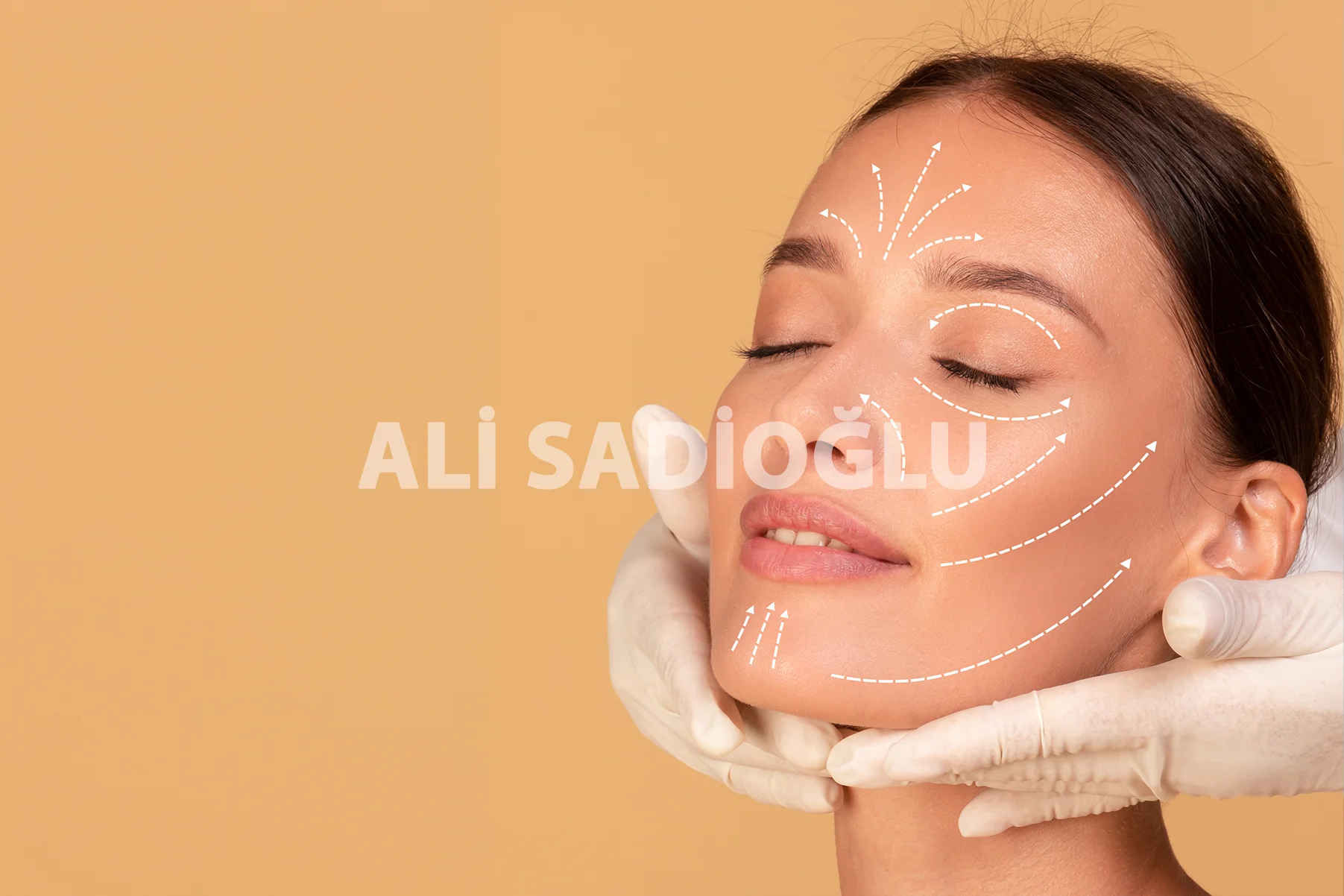
What Signs Indicate That You May Need a Facelift?
The decision to consider a facelift is usually based on visible changes in facial structure rather than age alone. As the skin and underlying tissues lose strength over time, certain signs become more noticeable and may no longer respond effectively to non-surgical treatments.
One of the earliest indicators is sagging in the midface. The cheeks gradually lose volume and descend, creating a tired or aged appearance. This change can also deepen the folds that extend from the sides of the nose to the corners of the mouth. Loss of jawline definition is another common sign. As facial tissues shift downward, jowls may develop and the transition between the face and neck becomes less distinct. Many patients seek a facelift when they notice that their once-defined facial contours have become softer.
Neck laxity is also an important consideration. Loose skin, excess tissue, or visible neck bands can make the face appear older than it feels. In many cases, a facelift combined with neck rejuvenation provides a more balanced and harmonious result. Another indication is when injectable treatments or skin-tightening procedures no longer produce the desired improvement. While these options can address early aging, they cannot reposition deeper facial tissues.
How a Facelift Addresses Visible Signs of Aging
A facelift is designed to correct the structural changes that occur as the face ages, restoring a smoother, firmer, and more youthful appearance. Rather than simply tightening the skin, modern facelift techniques focus on repositioning the deeper facial tissues that have gradually descended over time.
One of the primary benefits of the procedure is the improvement of sagging in the cheeks and lower face. By lifting the underlying support layers, a facelift restores facial contours and recreates a more defined transition between the cheeks, jawline, and neck.
The procedure also softens deep facial folds and reduces the appearance of jowls, creating a more balanced profile. Excess skin is carefully redraped without excessive tension, allowing the face to look refreshed instead of overly tight or artificial.
For many patients, a facelift is combined with complementary procedures such as neck contouring or fat grafting to achieve comprehensive facial rejuvenation. This personalized approach enhances overall harmony while preserving natural facial expressions.
Modern facelift surgery is intended to reverse the visible effects of aging rather than change an individual’s identity. The goal is to create subtle, long-lasting improvements that help patients look like a younger version of themselves.
Benefits of Choosing a Facelift at the Right Time
Undergoing a facelift at the appropriate stage of aging can provide more natural, balanced, and long-lasting results. When facial tissues have begun to sag but still retain good elasticity, surgeons can reposition the underlying structures more effectively while preserving the patient’s unique features.
One of the biggest advantages of early intervention is that less extensive correction may be required. Addressing moderate tissue laxity before more advanced aging develops can produce subtle rejuvenation without creating a dramatic change in appearance.
A well-timed facelift also helps restore facial definition by improving the contours of the cheeks, jawline, and neck. Instead of repeatedly relying on temporary treatments, patients can achieve comprehensive rejuvenation through a single surgical procedure with results that last for many years.
Another important benefit is psychological confidence. Many patients report feeling more comfortable with their appearance and appreciate looking refreshed rather than noticeably altered. Modern facelift techniques are designed to maintain natural facial movement and expression while reducing visible signs of aging.
Choosing the right time for surgery is a personalized decision based on anatomy, skin quality, and aesthetic goals rather than chronological age alone. In Istanbul, Dr. Ali Sadioğlu carefully evaluates each patient to determine the most appropriate timing and surgical approach for natural-looking facial rejuvenation.
What to Expect Before and After Facelift Surgery
Preparing for a facelift begins with a comprehensive evaluation of facial anatomy, skin quality, and overall health. During the consultation process, the surgeon assesses the degree of tissue laxity, discusses aesthetic goals, and develops a personalized surgical plan tailored to the patient’s needs.
Before surgery, patients may be advised to stop smoking, avoid certain medications or supplements that increase bleeding risk, and maintain a healthy lifestyle to support healing. Following these recommendations can contribute to a smoother recovery and more predictable results.
After the procedure, mild swelling, bruising, and a feeling of tightness are normal and gradually improve over the following weeks. Most patients are able to return to light daily activities within one to two weeks, although complete healing continues for several months as the tissues settle into their new position.
As recovery progresses, facial contours become more refined and natural. The cheeks appear lifted, the jawline becomes better defined, and the neck regains a smoother appearance. Modern facelift techniques are designed to avoid an overly stretched look, instead providing subtle rejuvenation that preserves facial expression and individuality.
Following post-operative instructions and attending scheduled follow-up appointments are essential for optimal healing. Patience is also important, as the final outcome becomes increasingly visible as residual swelling resolves.
How Long Do Facelift Results Last?
A facelift provides long-lasting facial rejuvenation, but it does not stop the natural aging process. Instead, the procedure resets the facial tissues to a more youthful position, allowing patients to enjoy a refreshed appearance for many years while continuing to age naturally.
The longevity of the results depends on several factors, including surgical technique, skin quality, genetics, lifestyle habits, and sun exposure. Patients who maintain a healthy lifestyle, protect their skin from excessive ultraviolet exposure, and follow a consistent skincare routine often preserve their results for a longer period.
Most individuals continue to benefit from their facelift for many years, with facial contours remaining noticeably firmer and more defined than they would have been without surgery. Although subtle aging changes gradually occur, patients generally continue to look younger than their chronological age.
Weight stability also plays an important role in maintaining results. Significant weight fluctuations can affect facial volume and skin tension, potentially altering the appearance achieved through surgery. Maintaining a consistent weight helps preserve facial harmony and contour.
Rather than creating a temporary improvement, a facelift offers long-term enhancement that evolves naturally over time. With appropriate care and realistic expectations, patients can enjoy a refreshed, balanced, and youthful appearance while maintaining their unique facial identity.