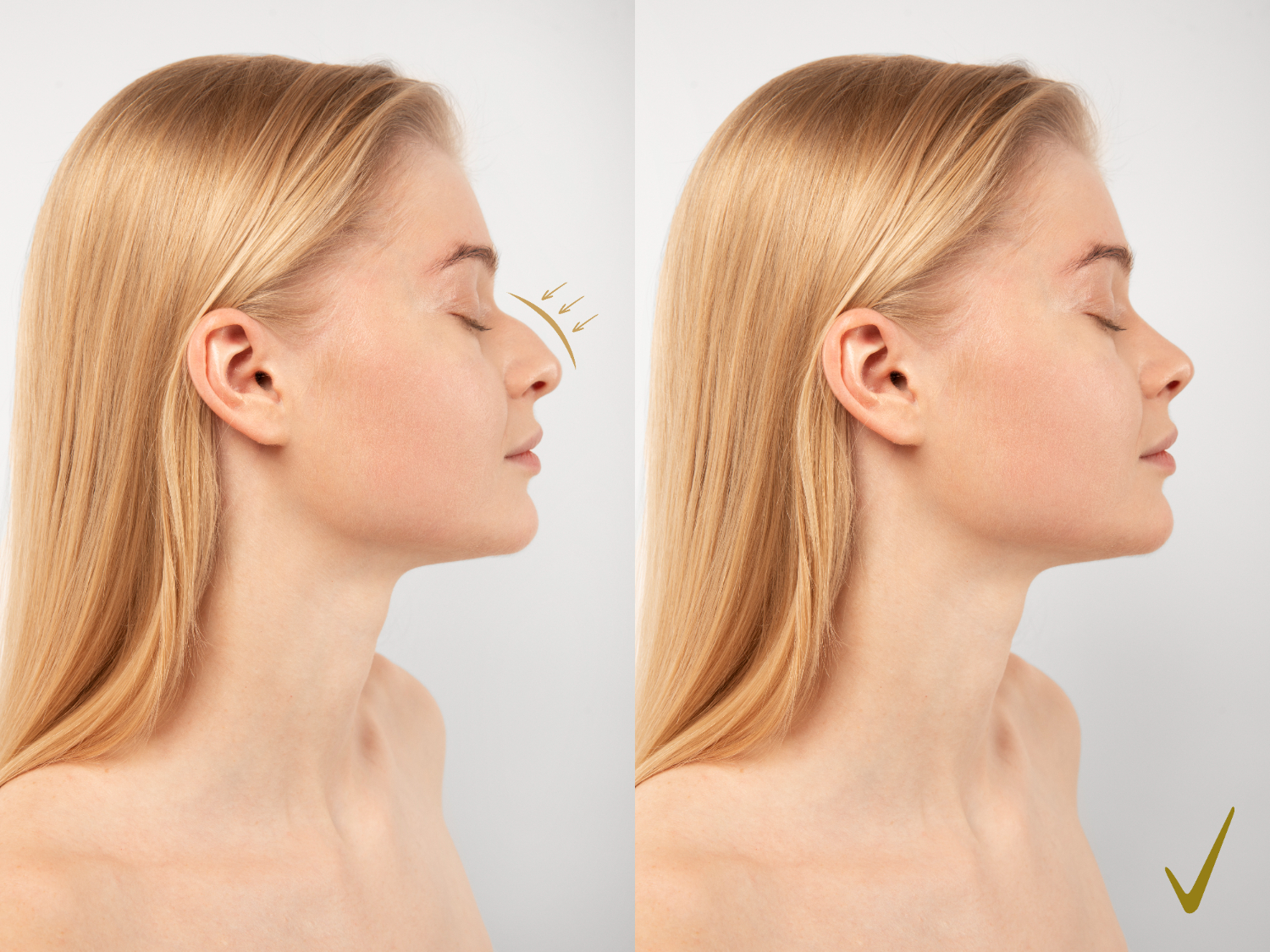
Exploring Non-Surgical Nose Reshaping Options

The Rise of Non-Surgical Aesthetic Enhancements In recent years, non-surgical aesthetic enhancements have revolutionized the beauty industry, offering individuals transformative results without the need for invasive surgery. Among these innovative treatments is the non-surgical nose job, also known as non-surgical rhinoplasty. This procedure has gained immense popularity due to its ability to reshape and refine nasal contours using dermal fillers, providing a quick and virtually painless alternative to traditional rhinoplasty. This convenience makes them an attractive option for those seeking subtle yet impactful changes without committing to permanent alterations or enduring lengthy recovery periods. Moreover, aesthetic treatments such as these empower individuals by offering customizable solutions tailored to their unique facial features and personal preferences. As technology continues to advance, the rise of non-surgical enhancements promises even more sophisticated techniques that prioritize safety and satisfaction. It’s clear that these procedures are more than just a trend—they represent a significant shift towards accessible beauty solutions that cater to modern lifestyles. Understanding Non-Surgical Nose Reshaping In today’s fast-paced world, the demand for cosmetic enhancements that offer minimal downtime and maximum results has never been higher. Enter the realm of non-surgical nose reshaping, a revolutionary approach that is transforming the way we think about rhinoplasty. Imagine achieving your desired nose shape in under an hour, with little to no recovery time. That’s precisely what non-invasive rhinoplasty offers. By strategically injecting dermal fillers into specific areas of the nose, skilled practitioners can smooth bumps, enhance contours, and even correct asymmetries with remarkable precision. Moreover, for individuals seeking subtle improvements rather than drastic alterations, a liquid nose job offers a customizable solution tailored to their unique facial structure and personal preferences. It’s time to embrace this innovative approach and experience how non-invasive techniques can redefine beauty standards while delivering natural-looking enhancements with ease and confidence. The Benefits of Choosing Non-Surgical Nose Reshaping Over Traditional Surgery When considering nose reshaping, many individuals find themselves weighing the options between traditional surgical rhinoplasty and non-surgical alternatives. Non-surgical nose reshaping offers a host of benefits that make it an appealing choice for those seeking subtle yet effective changes without the commitment of surgery. Firstly, one of the most significant advantages is the quick recovery associated with non-surgical treatments. Unlike surgical rhinoplasty, which can require weeks of downtime and post-operative care, non-surgical procedures allow you to return to your daily routine almost immediately. This means less disruption to your life and more time enjoying your refined look. Another compelling benefit is the reduced risk involved in non-surgical vs surgical rhinoplasty. With no incisions or general anesthesia required, non-surgical treatments minimize potential complications and side effects. This makes them an excellent option for those who are hesitant about undergoing a full surgical procedure. In conclusion, if you’re looking for a safe, efficient way to enhance your nose’s appearance without surgery’s long recovery period or risks, non-surgical nose reshaping might be the perfect solution for you. Embrace this innovative approach and enjoy the benefits it brings—quick recovery and peace of mind included.
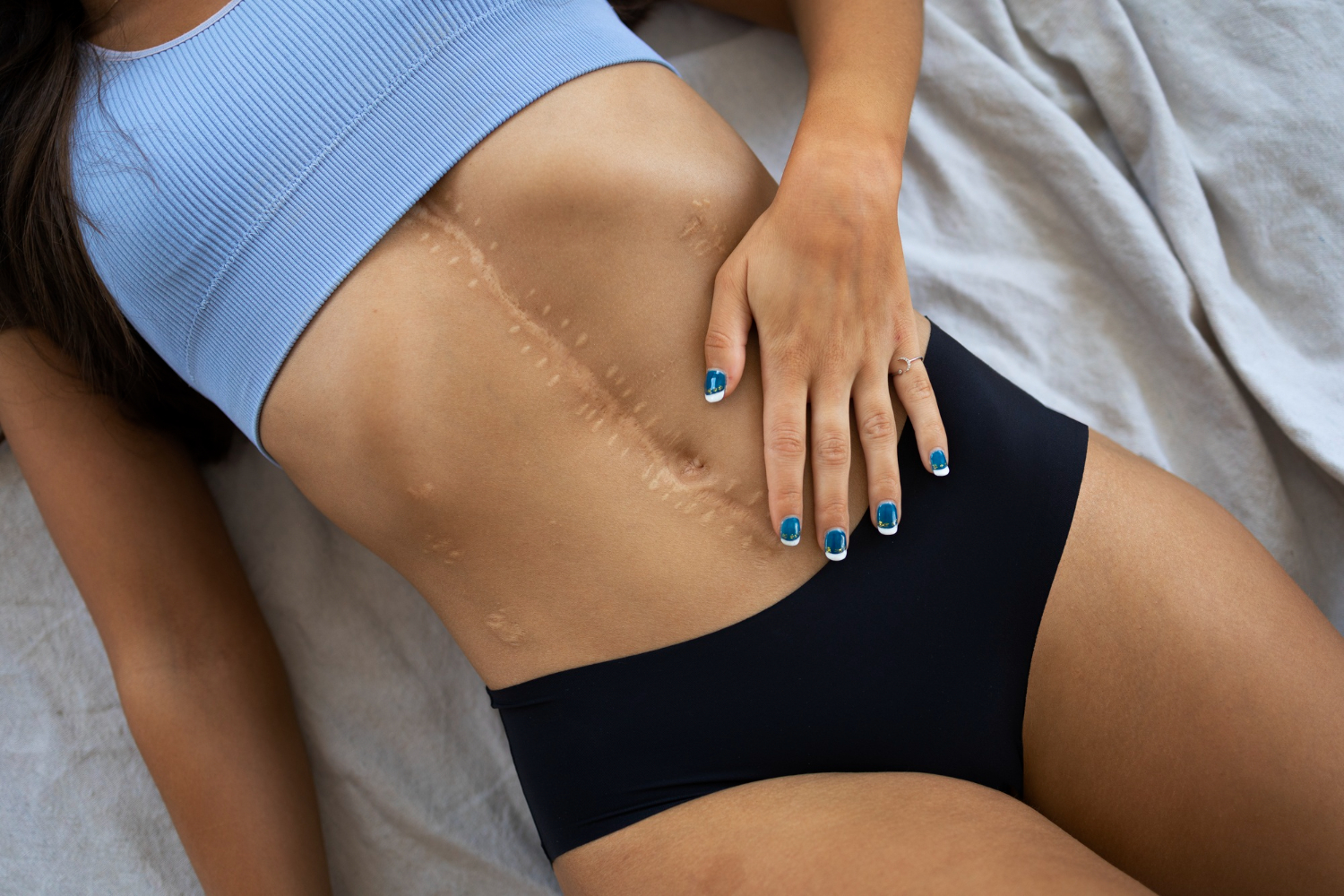
Scar Minimization Techniques After Cosmetic Surgery

Understanding the Healing Process: Why Scars Form After Cosmetic Surgery When it comes to cosmetic surgery, understanding the healing process is crucial for setting realistic expectations. One common aspect of this process is scar formation, which often raises questions and concerns among patients. To fully appreciate why scars form after surgery, it’s important to delve into the skin healing process. Post-surgery healing involves a complex series of events that the body initiates to repair itself. After an incision is made during a cosmetic procedure, your body immediately begins working to heal the wound. This natural response involves several stages: hemostasis, inflammation, proliferation, and remodeling. During these stages, scar tissue development occurs as part of the body’s effort to close and strengthen the wound site. Initially, collagen fibers are laid down rapidly and haphazardly to seal off the area quickly—this is when scars begin to form. It’s essential to recognize that scar formation is a normal part of post-surgery healing and varies from person to person based on factors like genetics, age, skin type, and even surgical technique. While some scarring is inevitable with any surgical procedure involving incisions or cuts into the skin’s surface layer (the epidermis), advancements in surgical methods have significantly minimized their visibility. Understanding this natural process can help alleviate concerns about scarring after cosmetic surgery. With proper care and guidance from your surgeon—such as following post-operative instructions meticulously—you can support optimal healing outcomes while embracing this step towards enhancing your appearance confidently. Topical Treatments for Reducing Scar Visibility When it comes to minimizing the appearance of scars, topical treatments have become a go-to solution for many seeking effective and non-invasive options. Among the most popular products are scar creams, which are specifically formulated to hydrate and soften scar tissue, promoting a smoother texture over time. These creams often contain ingredients like vitamin E, onion extract, or aloe vera—each known for their skin-healing properties. Silicone gel sheets are another highly recommended treatment option. These sheets work by providing a protective barrier that hydrates the scar area, reducing redness and flattening raised scars. Clinically proven to improve scar appearance, silicone gel sheets are easy to use and can be applied comfortably under clothing. Topical ointments for scars also play a crucial role in the healing process. They often include powerful antioxidants and anti-inflammatory agents that not only help reduce discoloration but also prevent further irritation of sensitive scar tissue. Whether you opt for silicone-based solutions or nourishing creams packed with natural ingredients, these topical treatments offer promising results in achieving more refined skin texture and reduced visibility of scars. The Role of Massage in Scar Minimization and Skin Recovery When it comes to scar minimization and skin recovery, massage plays a surprisingly pivotal role that is often underestimated. Scar massage techniques can be incredibly effective in softening and flattening scars, making them less noticeable over time. By incorporating regular massage into your scar treatment regimen, you can significantly enhance the healing process. One of the primary benefits of massage on scars is its ability to improve circulation. When you gently manipulate the scar tissue through specific techniques, you increase blood flow to the area. This enhanced circulation delivers essential nutrients and oxygen that are crucial for skin regeneration and repair. As a result, scars can become more pliable and blend more seamlessly with surrounding skin. Moreover, consistent scar massage helps break down collagen fibers that form during the healing process. This action not only reduces stiffness but also aids in preventing adhesions that can restrict movement or cause discomfort. By adopting these techniques early in the healing journey, you empower your body’s natural ability to reduce scars effectively. Incorporating regular massages into your skincare routine is a proactive step towards achieving smoother and healthier-looking skin. Whether you’re dealing with surgical scars or minor injuries, embracing this holistic approach will undoubtedly yield transformative results over time. The Importance of Sun Protection in Preventing Scar Darkening When it comes to healing after surgery or an injury, protecting your skin from the sun is crucial in preventing scar darkening. The delicate nature of healing skin makes it particularly vulnerable to the harmful effects of UV rays. This is where the importance of using sunscreen for scars cannot be overstated. Applying a broad-spectrum sunscreen with a high SPF acts as a shield, offering essential UV protection for healing skin. By diligently using sunscreen, you minimize the risk of pigmentation changes that can lead to darker, more noticeable scars. It’s not just about aesthetics; it’s about ensuring your skin heals optimally without unnecessary complications. Avoiding sun exposure post-surgery should be a top priority in your skincare routine. Even brief periods in direct sunlight can trigger melanin production in scar tissue, leading to long-lasting discoloration. Therefore, incorporating sun protection into your daily regimen is not merely an option—it’s a necessity for anyone serious about maintaining even-toned and healthy-looking skin during recovery. Embrace the power of prevention by prioritizing sun protection as part of your healing process. Your future self will thank you for taking these proactive steps towards healthier and more beautiful skin.

What Is the Recovery Time for a Brazilian Butt Lift?

Understanding the Brazilian Butt Lift Procedure When considering enhancing your curves, the Brazilian Butt Lift (BBL) procedure stands out as a popular and effective option. The Brazilian Butt Lift is not just about achieving a fuller, more contoured backside; it’s about using your body’s own resources to do so. This fat is then purified and strategically injected into the buttocks to create natural-looking volume and shape. This holistic approach to body contouring results in a more harmonious silhouette that many patients find incredibly satisfying. Moreover, BBL results are renowned for their longevity and natural appearance. Unlike implants, which can sometimes look artificial or feel uncomfortable, a fat transfer procedure uses your own tissue, ensuring that the augmentation moves naturally with your body.  As long as you maintain a stable weight post-surgery, you can enjoy these stunning results for years to come. In conclusion, if you’re seeking to enhance your figure with lasting effects while utilizing a minimally invasive approach, understanding the Brazilian Butt Lift procedure could be your first step towards achieving the body you’ve always desired. The Immediate Post-Operative Phase: What to Expect Understanding the immediate post-operative phase is crucial for anyone undergoing a Brazilian Butt Lift (BBL) procedure. The initial recovery period sets the foundation for successful healing and optimal results. During these early stages, it’s essential to be well-informed about what to expect and how to manage your care effectively. The first few days after surgery are critical as your body begins its healing process. You may experience swelling, bruising, and discomfort, which are all normal aspects of BBL recovery stages. It’s important to adhere strictly to your surgeon’s post-surgery care instructions during this time. This includes wearing compression garments as advised, which help reduce swelling and support the newly contoured areas. Immediate aftercare tips are invaluable in ensuring a smooth recovery journey. This precaution helps preserve fat grafts and promotes better outcomes. Additionally, maintain a balanced diet rich in nutrients to aid in tissue repair and avoid strenuous activities that could hinder your progress. By understanding these immediate post-operative expectations and following recommended care guidelines, you set yourself up for a successful recovery and achieve the best possible results from your BBL procedure. Week-by-Week Breakdown of BBL Recovery Time Understanding the recovery timeline for a Brazilian Butt Lift (BBL) can significantly enhance your healing experience and ensure optimal results. By breaking down the recovery journey week by week, you can better prepare for each stage and follow essential tips to support your gradual healing process. In the first week, it’s crucial to focus on rest and following your surgeon’s post-operative instructions meticulously. This period is characterized by swelling and bruising, which are completely normal parts of the BBL timeline. To aid in reducing these symptoms, consider implementing week 1 recovery tips such as wearing compression garments as advised and avoiding sitting directly on your buttocks. As you transition into subsequent weeks, you’ll notice gradual improvements in comfort and mobility. Each stage of the recovery journey requires patience and adherence to recommended practices like maintaining a healthy diet to support tissue regeneration and hydration. By understanding this structured approach to healing after a Brazilian Butt Lift, you’re not only investing in a smoother recovery but also maximizing the long-term success of your procedure. Remember that every individual’s body heals differently; however, being informed about each phase will empower you throughout this transformative process.