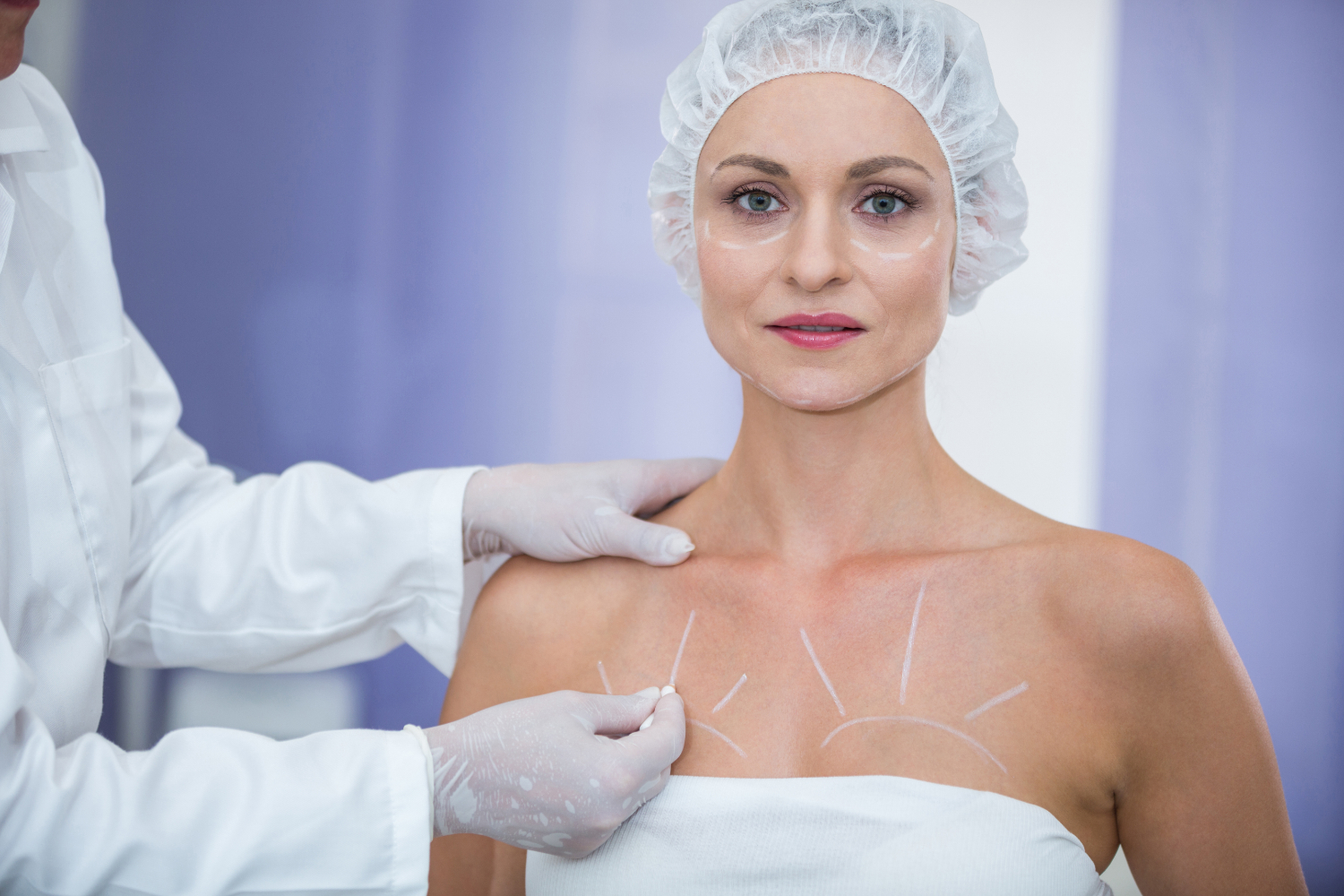
The Importance of Recovery: Why It Matters as Much as the Surgery Itself
When considering plastic surgery, the focus often rests on the procedure itself, but understanding the importance of recovery is just as crucial. The post-surgery recovery process is not merely a follow-up phase; it is an integral part of achieving optimal results and ensuring your overall well-being.
The importance of recovery cannot be overstated. It is during this time that your body heals and adapts to the changes made during surgery. Proper surgery aftercare plays a pivotal role in minimizing complications, reducing swelling, and preventing infections. By following your surgeon’s aftercare instructions diligently, you enhance your body’s natural healing abilities and contribute significantly to the success of your plastic surgery.
Moreover, taking recovery seriously allows you to enjoy long-lasting results. Patience and adherence to recommended guidelines are essential for allowing incisions to heal properly and ensuring that any adjustments settle into their intended positions. Rushing back into daily activities too soon can jeopardize these outcomes.
Pre-Surgery Preparations: Setting the Stage for a Smooth Recovery
Preparing for plastic surgery is a crucial step that can significantly influence the outcome of your procedure and the ease of your recovery. By taking the time to plan ahead, you set the stage for a smooth and successful healing process. Here are some essential pre-surgery tips to ensure you’re fully prepared.
First, create a comprehensive pre-operative checklist. This should include all necessary medical evaluations, such as blood tests or imaging studies recommended by your surgeon. Ensuring these are completed well before your surgery date helps prevent any last-minute surprises that could delay your procedure.
Next, focus on recovery planning. Arrange for any needed assistance during your initial recovery period—whether it’s help with household chores or childcare—so you can rest without worry. Stock up on easy-to-prepare meals and ensure that all essential items are within easy reach in your home.
Additionally, preparing for plastic surgery involves getting both mentally and physically ready. Follow any specific instructions from your surgeon regarding medications, fasting requirements, or lifestyle changes like quitting smoking well in advance of surgery to optimize healing.
By adhering to these pre-surgery tips and thoroughly planning each aspect of your preparation, you’ll be taking proactive steps towards ensuring not only a successful operation but also a faster and more comfortable recovery journey.
The Role of Nutrition and Hydration in Accelerating Your Healing Process

When it comes to post-surgery recovery, nutrition and hydration play pivotal roles in accelerating the healing process. A carefully planned post-surgery diet can make all the difference in how quickly and effectively your body bounces back.
Nutrition is fundamentally linked to healing. Consuming a balanced diet rich in vitamins, minerals, and proteins provides your body with the essential building blocks needed for tissue repair and immune function. Foods such as lean meats, leafy greens, nuts, and seeds are excellent choices to incorporate into your meals. These foods not only supply necessary nutrients but also help reduce inflammation and promote faster recovery.
By prioritizing both nutrition and hydration after surgery, you empower your body’s natural healing mechanisms. This proactive approach not only speeds up recovery but also enhances overall well-being during what can be a challenging time.
Pain Management Strategies to Ensure Comfort and Promote Healing
Effective pain management is crucial for ensuring comfort and promoting healing after surgery. Surgical pain relief is not just about alleviating discomfort; it’s a critical component of the recovery process that can significantly influence outcomes.
One of the foremost strategies in managing discomfort after surgery involves a combination of medication and non-medication approaches. Medications such as analgesics and anti-inflammatory drugs play a pivotal role in controlling acute surgical pain relief, allowing patients to move more freely and engage in necessary physical therapy exercises without excessive discomfort.
Beyond medications, incorporating non-pharmacological methods is equally important. Techniques such as ice application, gentle massage, or transcutaneous electrical nerve stimulation (TENS) can be highly effective in reducing localized pain and swelling. Moreover, relaxation techniques like deep breathing exercises or guided imagery can help manage stress-related tension that often exacerbates post-operative pain.
Education also plays a vital role in empowering patients to manage their own recovery effectively. Understanding the importance of adhering to prescribed regimens and knowing when to seek additional help ensures that individuals are active participants in their healing journey.
In summary, comprehensive surgical pain relief strategies that blend both pharmacological and non-pharmacological approaches are essential for managing discomfort after surgery. These techniques not only enhance comfort but also promote faster healing by enabling patients to engage more fully with rehabilitation efforts.