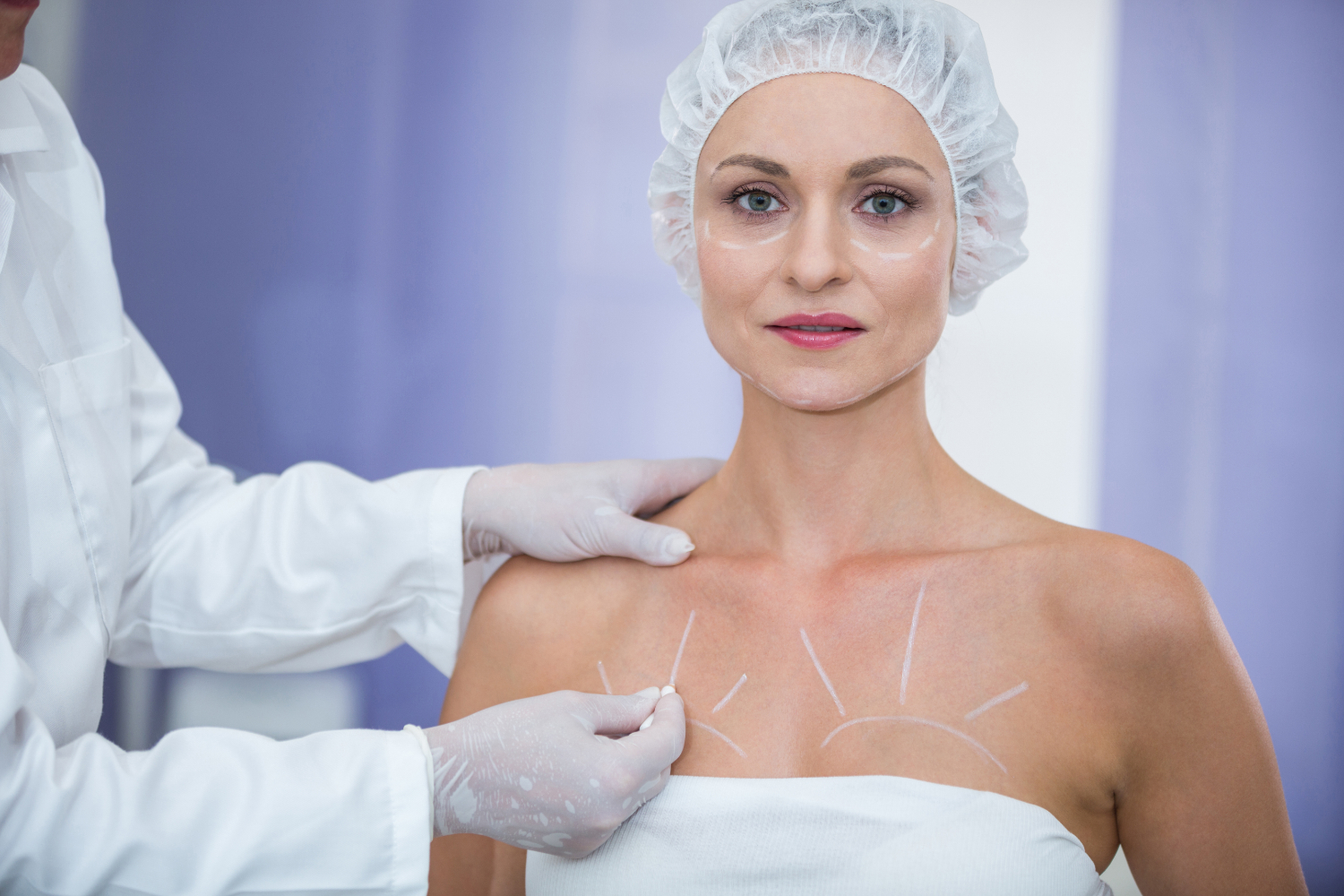
Recovery Tips for Faster Healing After Plastic Surgery

The Importance of Recovery: Why It Matters as Much as the Surgery Itself When considering plastic surgery, the focus often rests on the procedure itself, but understanding the importance of recovery is just as crucial. The post-surgery recovery process is not merely a follow-up phase; it is an integral part of achieving optimal results and ensuring your overall well-being. The importance of recovery cannot be overstated. It is during this time that your body heals and adapts to the changes made during surgery. Proper surgery aftercare plays a pivotal role in minimizing complications, reducing swelling, and preventing infections. By following your surgeon’s aftercare instructions diligently, you enhance your body’s natural healing abilities and contribute significantly to the success of your plastic surgery. Moreover, taking recovery seriously allows you to enjoy long-lasting results. Patience and adherence to recommended guidelines are essential for allowing incisions to heal properly and ensuring that any adjustments settle into their intended positions. Rushing back into daily activities too soon can jeopardize these outcomes. Pre-Surgery Preparations: Setting the Stage for a Smooth Recovery Preparing for plastic surgery is a crucial step that can significantly influence the outcome of your procedure and the ease of your recovery. By taking the time to plan ahead, you set the stage for a smooth and successful healing process. Here are some essential pre-surgery tips to ensure you’re fully prepared. First, create a comprehensive pre-operative checklist. This should include all necessary medical evaluations, such as blood tests or imaging studies recommended by your surgeon. Ensuring these are completed well before your surgery date helps prevent any last-minute surprises that could delay your procedure. Next, focus on recovery planning. Arrange for any needed assistance during your initial recovery period—whether it’s help with household chores or childcare—so you can rest without worry. Stock up on easy-to-prepare meals and ensure that all essential items are within easy reach in your home. Additionally, preparing for plastic surgery involves getting both mentally and physically ready. Follow any specific instructions from your surgeon regarding medications, fasting requirements, or lifestyle changes like quitting smoking well in advance of surgery to optimize healing. By adhering to these pre-surgery tips and thoroughly planning each aspect of your preparation, you’ll be taking proactive steps towards ensuring not only a successful operation but also a faster and more comfortable recovery journey. The Role of Nutrition and Hydration in Accelerating Your Healing Process When it comes to post-surgery recovery, nutrition and hydration play pivotal roles in accelerating the healing process. A carefully planned post-surgery diet can make all the difference in how quickly and effectively your body bounces back. Nutrition is fundamentally linked to healing. Consuming a balanced diet rich in vitamins, minerals, and proteins provides your body with the essential building blocks needed for tissue repair and immune function. Foods such as lean meats, leafy greens, nuts, and seeds are excellent choices to incorporate into your meals. These foods not only supply necessary nutrients but also help reduce inflammation and promote faster recovery. By prioritizing both nutrition and hydration after surgery, you empower your body’s natural healing mechanisms. This proactive approach not only speeds up recovery but also enhances overall well-being during what can be a challenging time. Pain Management Strategies to Ensure Comfort and Promote Healing Effective pain management is crucial for ensuring comfort and promoting healing after surgery. Surgical pain relief is not just about alleviating discomfort; it’s a critical component of the recovery process that can significantly influence outcomes. One of the foremost strategies in managing discomfort after surgery involves a combination of medication and non-medication approaches. Medications such as analgesics and anti-inflammatory drugs play a pivotal role in controlling acute surgical pain relief, allowing patients to move more freely and engage in necessary physical therapy exercises without excessive discomfort. Beyond medications, incorporating non-pharmacological methods is equally important. Techniques such as ice application, gentle massage, or transcutaneous electrical nerve stimulation (TENS) can be highly effective in reducing localized pain and swelling. Moreover, relaxation techniques like deep breathing exercises or guided imagery can help manage stress-related tension that often exacerbates post-operative pain. Education also plays a vital role in empowering patients to manage their own recovery effectively. Understanding the importance of adhering to prescribed regimens and knowing when to seek additional help ensures that individuals are active participants in their healing journey. In summary, comprehensive surgical pain relief strategies that blend both pharmacological and non-pharmacological approaches are essential for managing discomfort after surgery. These techniques not only enhance comfort but also promote faster healing by enabling patients to engage more fully with rehabilitation efforts.  

What Are the Risks and Benefits of Buccal Fat Removal?

Exploring the Popularity of Buccal Fat Removal In recent years, buccal fat removal has surged in popularity, becoming one of the most talked-about cosmetic surgery trends. This procedure, which involves the removal of excess fat from the cheeks to enhance facial contouring, owes much of its fame to the influence of celebrities who have openly embraced it. The allure of a more sculpted and defined facial structure is undeniable, and as public figures flaunt their refined looks on social media and red carpets, it’s no wonder that buccal fat removal is capturing widespread attention. Celebrities have always played a pivotal role in shaping beauty standards, and their impact on cosmetic procedures like buccal fat removal is significant. When high-profile individuals undergo this transformation and achieve stunning results, it sparks curiosity and desire among fans who wish to emulate their favorite stars’ appearances. This ripple effect has contributed significantly to the procedure’s growing acceptance and demand. Moreover, as more people seek ways to achieve a chiseled jawline without relying solely on makeup or filters, buccal fat removal offers a permanent solution that aligns with current beauty ideals. The procedure not only enhances one’s natural features but also boosts confidence by providing a harmonious balance between cheekbones and jawlines. In conclusion, the rise in buccal fat removal popularity can be attributed to both celebrity influence and an increasing desire for well-defined facial contours. As this trend continues to gain momentum, it’s clear that many are eager to explore the potential benefits of this transformative cosmetic surgery option. The Benefits of Buccal Fat Removal for Facial Aesthetics When considering ways to enhance facial aesthetics, buccal fat removal is an increasingly popular choice that offers a range of compelling benefits. This procedure focuses on reducing the buccal fat pads in the cheeks, resulting in a more defined facial structure and contributing to a refined, sophisticated look. One of the most notable advantages of buccal fat removal is its ability to achieve facial slimming. By removing excess fat from the cheeks, this procedure creates a sleeker contour that highlights your natural bone structure. The result is often an enhanced appearance of cheekbones, adding definition and symmetry to your face. Moreover, for those seeking a youthful appearance benefit, buccal fat removal can be transformative. As we age, our faces naturally lose volume in certain areas while retaining fullness in others. By strategically removing buccal fat, you can maintain or even regain a balanced and youthful visage without appearing gaunt or overly thin. In essence, opting for buccal fat removal can dramatically redefine your facial aesthetics by accentuating your features and providing long-lasting results. With its ability to deliver both subtle improvements and striking transformations alike, it’s no wonder this procedure continues to gain popularity among those looking to enhance their natural beauty with precision and elegance. Risks Involved in Buccal Fat Removal Surgery Buccal fat removal surgery has gained popularity as a cosmetic procedure aimed at achieving a more contoured facial appearance. However, it’s crucial to consider the risks and potential complications associated with this surgery before making a decision. Surgical risks, such as infection, bleeding, and adverse reactions to anesthesia, are inherent in any surgical procedure and should not be overlooked. Beyond the immediate surgical risks, there are concerns about recovery time. Patients may experience swelling and discomfort that can last several weeks, impacting daily activities and quality of life during the healing process. It’s essential to have realistic expectations about recovery time and to plan accordingly. Perhaps most importantly are the long-term effects on facial structure. Buccal fat removal can lead to changes in facial appearance that may not be immediately apparent but become more pronounced over time as natural aging occurs. This could result in an overly gaunt or hollow look that some might find undesirable. Considering these factors, it’s vital for anyone contemplating buccal fat removal surgery to thoroughly discuss potential outcomes with a qualified professional who can provide personalized advice based on individual facial anatomy and aesthetic goals. Making an informed decision is key to ensuring satisfaction with the results while minimizing regrets related to unforeseen consequences of this permanent alteration of one’s facial structure. A Comparative Look at Alternatives to Buccal Fat Removal When considering facial contouring, many individuals are drawn to buccal fat removal for its promise of a more sculpted appearance. However, it’s essential to explore non-surgical alternatives that offer similar benefits without the need for invasive surgery. One such option is the use of dermal fillers, which can provide a more defined facial structure with minimal downtime. Dermal fillers vs. surgery: Unlike buccal fat removal, which permanently removes fat pads from the cheeks through an incision, dermal fillers work by adding volume and enhancing contours in targeted areas. This method allows for greater control over the final look and can be adjusted as desired over time. Fillers offer an effective solution that requires little recovery time compared to surgical procedures. Less invasive procedures for facial contouring have become increasingly popular due to their convenience and reduced risk factors. Techniques such as radiofrequency treatments or ultrasound-based therapies can tighten skin and enhance definition without any incisions or significant healing periods. Ultimately, non-surgical alternatives to buccal fat removal provide compelling options for those seeking facial refinement with fewer risks and quicker results. Embracing these less invasive procedures allows individuals to achieve their aesthetic goals while maintaining flexibility in their beauty routine.