Can tummy tuck surgery be performed without liposuction?

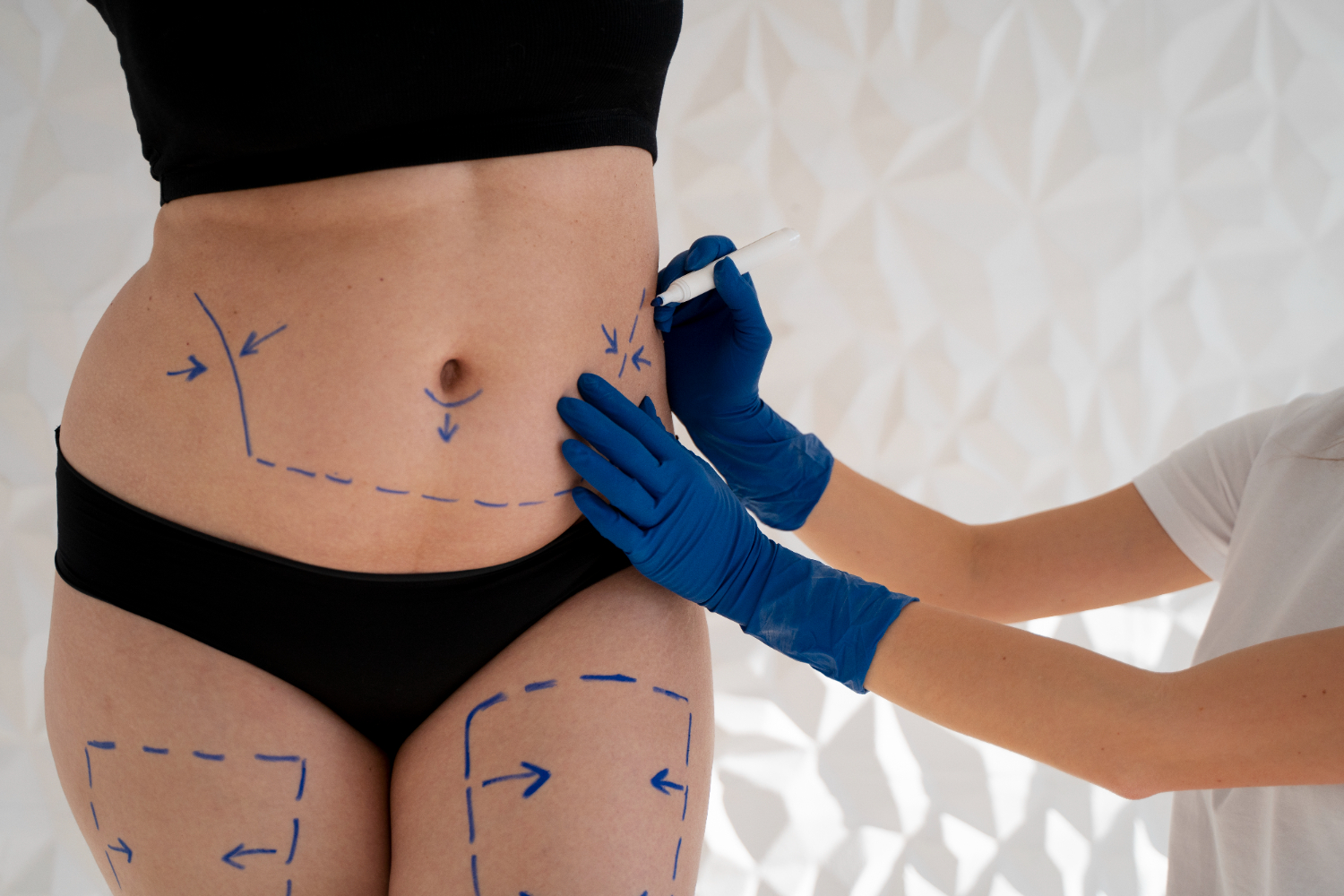
Understanding the Differences: Tummy Tuck vs. Liposuction When considering body contouring options, understanding the differences between tummy tuck surgery and liposuction is crucial to making an informed decision. Both procedures aim to enhance your silhouette but address different concerns. Tummy tuck surgery, or abdominoplasty, focuses on removing excess skin and tightening abdominal muscles. On the other hand, a liposuction procedure targets stubborn fat deposits resistant to diet and exercise. Choosing between these cosmetic surgeries depends on your unique goals. For those seeking a flatter stomach with tightened skin and muscles, abdominoplasty without liposuction might be the best route. However, if your primary concern is reducing isolated fat areas while maintaining skin elasticity, liposuction could be more suitable. Understanding these differences empowers you to select a path tailored to achieving your desired results confidently. The Process of a Standalone Tummy Tuck When considering a standalone tummy tuck, or abdominoplasty procedure, it’s important to understand the nuances and benefits of this transformative surgery. Unlike a tummy tuck with liposuction, this approach focuses solely on tightening the abdominal area without the additional fat removal process. Excess skin is then meticulously trimmed away, resulting in a firmer and smoother abdominal profile. This precise method ensures that patients achieve their desired aesthetic results without unnecessary interventions. Patients can expect some swelling and discomfort initially; however, following prescribed guidelines for rest and activity will facilitate a smoother recovery process. Opting for an abdominoplasty procedure tailored specifically as a standalone treatment can provide remarkable improvements in body confidence and comfort—making it an appealing choice for those seeking targeted results without additional procedures. Benefits of Choosing a Tummy Tuck Without Liposuction When considering body contouring options, many people find themselves weighing the benefits of a tummy tuck without liposuction. Opting for a tummy tuck alone offers distinct advantages that can make it an ideal choice for those seeking specific results. One of the primary benefits is targeted skin tightening. Unlike procedures that combine liposuction with a tummy tuck, this approach focuses on addressing loose or sagging skin in the abdominal area, which is often a concern after significant weight loss or pregnancy. By choosing a tummy tuck without liposuction, patients can benefit from a more straightforward procedure with reduced recovery time and fewer potential complications. This option is particularly appealing for individuals who are already at their target weight and have minimal excess fat but struggle with stretched skin and weakened abdominal muscles. The no-liposuction approach allows for precise enhancement of the midsection’s appearance while minimizing the impact on surrounding tissues. Furthermore, avoiding liposuction means there’s less risk of uneven fat removal or irregular contours that sometimes accompany fat extraction techniques. The focus remains solely on achieving a firmer and flatter abdomen through surgical tightening and muscle repair. For those whose primary concern is excess skin rather than stubborn fat deposits, choosing a tummy tuck without liposuction can provide satisfying results tailored to their unique needs. Candidates Ideal for a Tummy Tuck Without Liposuction When considering a tummy tuck, many potential patients wonder if they might be ideal candidates for the procedure without the need for additional liposuction. The candidacy criteria for surgery focus on those with good overall health, stable weight, and realistic expectations about the results. If your primary concern is sagging skin or separated muscles rather than stubborn fat deposits, a tummy tuck without liposuction may be precisely what you need to restore confidence in your body’s appearance. By understanding these criteria and consulting with a qualified plastic surgeon, you can make an informed decision about whether abdominoplasty alone will meet your aesthetic goals. This procedure provides transformative results for those who fit the profile of ideal candidates—offering not just physical benefits but also renewed self-assurance.  

Choosing Between Tummy Tuck and Liposuction

What are Tummy Tuck and Liposuction? If you want to achieve the body shape you desire, it’s important to understand the difference between a tummy tuck and liposuction. Both are popular cosmetic procedures to improve body contours, but they have different purposes and offer unique benefits. This procedure is particularly beneficial for those who have experienced significant weight loss or sagging skin after pregnancy. The result is a firmer, flatter abdominal contour that can significantly improve your appearance and boost your confidence. Liposuction, on the other hand, involves removing stubborn fat deposits from various areas of the body, such as the thighs, buttocks, arms, or abdomen.  Both procedures can be life-changing in their own right and may even be combined for optimal results in some cases. Consulting with a qualified cosmetic surgeon will help you determine which surgical option aligns best with your goals and expectations for body contouring. With expert guidance and realistic expectations, achieving your dream physique through these advanced techniques is well within reach. Tummy Tuck vs. Liposuction When considering your body contouring options, understanding the difference between a tummy tuck and liposuction is essential to making an informed decision. Both surgeries are designed to improve your physique, but have different purposes and suit different needs. The procedure not only removes excess skin, but also repairs weak or separated muscles, creating a tighter abdominal contour. It is ideal for those who are close to their ideal weight but struggle with localized fat deposits that do not counteract traditional weight loss methods. Choosing between these two procedures depends on your specific goals. If you’re looking to address loose skin and muscle laxity in addition to removing fat from your abdomen, a tummy tuck might be the right choice. However, if you’re primarily concerned with eliminating isolated areas of fat without addressing skin elasticity or muscle tone, liposuction could be more suitable. Ultimately, both tummy tucks and liposuction offer transformative results when performed by skilled professionals. Consulting with a board-certified plastic surgeon can help you determine which procedure aligns best with your aesthetic goals and ensures safe and satisfying outcomes. Determine the Best Option for Your Body Whether you’re aiming for targeted fat removal, excess skin removal, or muscle tightening, understanding the options available can make all the difference in reaching your desired outcome. These techniques can help contour specific areas of the body, providing a more sculpted appearance. For those dealing with excess skin due to significant weight loss or aging, skin removal surgeries like tummy tucks or arm lifts can be transformative. These procedures not only remove surplus skin but also enhance comfort and mobility. Muscle tightening is another critical aspect of achieving your body goals. Techniques such as Emsculpt use advanced technology to stimulate muscle contractions beyond what is possible through regular workouts. This approach helps in strengthening and toning muscles effectively. By carefully considering these options and consulting with qualified professionals, you can determine the best course of action tailored specifically for you. Achieving your body goals is not just about aesthetics; it’s about feeling confident and comfortable in your own skin.  

Nose Aesthetics Post-Operation Scars and Care

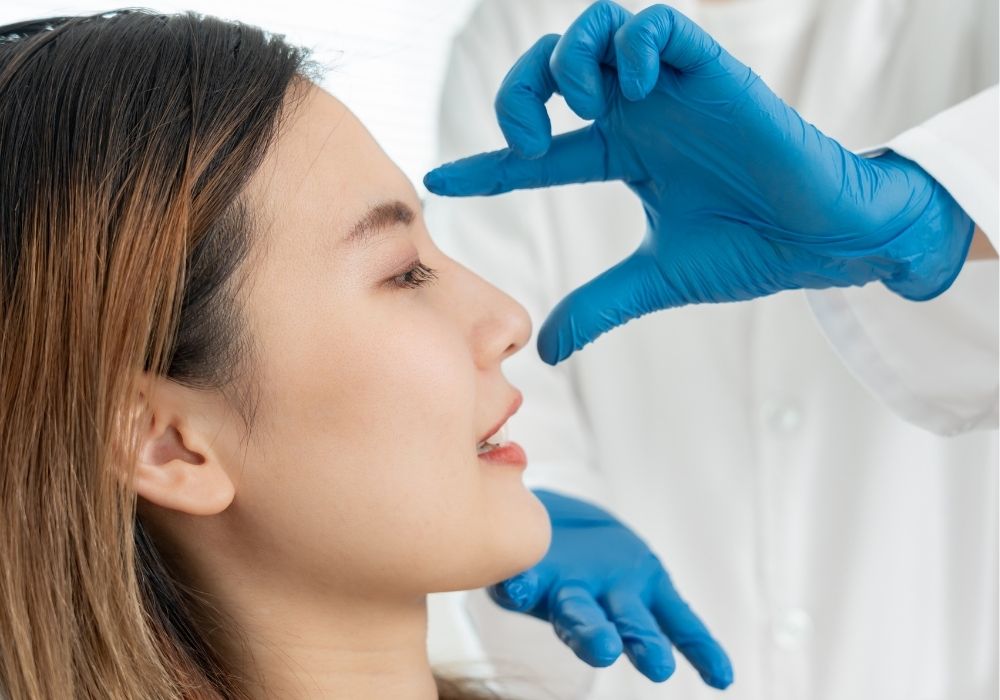
Understanding Nose Aesthetics and the Importance of Post-Op Care When it comes to nose aesthetics, understanding the intricate balance between form and function is crucial. However, the journey to your desired aesthetic results doesn’t end once you leave the operating room. The importance of post-op care in rhinoplasty recovery cannot be overstated. Proper post-operative care is essential in ensuring that aesthetic surgery outcomes meet your expectations. By following your surgeon’s guidelines meticulously, you can significantly influence the healing process and final results. This includes managing swelling and bruising through cold compresses and keeping your head elevated, as well as adhering to prescribed medication schedules to prevent infection. Moreover, avoiding strenuous activities and protecting your nose from potential impacts are vital steps in maintaining the integrity of surgical work during those critical early weeks of recovery. The commitment to diligent post-op care ultimately supports a smoother healing process and enhances the overall success of your rhinoplasty. Investing time in understanding both nose aesthetics and post-op care ensures that you not only achieve a beautifully balanced appearance but also safeguard long-term satisfaction with your surgical outcomes. The Reality of Post-Operation Scars: What to Expect After Rhinoplasty When considering rhinoplasty, one common concern is the visibility of post-operation scars. Understanding what to expect during the nose surgery healing process can help set realistic expectations and alleviate worries. Rhinoplasty, or a nose job, is a delicate procedure with incisions typically made within the nostrils or along the natural creases of the nose. This strategic placement means that rhinoplasty scars are often well-concealed. Following your surgeon’s aftercare instructions diligently can promote optimal healing and further minimize scar visibility after a nose job. Remember that patience is key; full recovery can take several months. However, with time and proper care, any post-operation scars will likely become an insignificant part of your overall transformation. Embrace this journey knowing that modern surgical techniques prioritize both function and aesthetics to ensure you achieve satisfying results without compromising on appearance. Top Tips for Minimizing Scars and Enhancing Nose Aesthetics Post-Surgery Achieving the best results after rhinoplasty involves more than just the surgery itself; it requires diligent post-operative care to minimize scars and enhance your nose’s aesthetics. First, scar minimization techniques are crucial. Keeping the incision sites clean and moisturized can significantly reduce scar visibility.  Always follow your surgeon’s recommendations on when to start applying these treatments. Next, consider essential post-surgery skin care tips that promote healing while enhancing the final look of your nose. Additionally, maintaining a healthy lifestyle supports optimal recovery and aesthetic results. Finally, consult with your surgeon about any specific concerns you have regarding enhancing nose aesthetics post-rhinoplasty.  The Role of Professional Guidance in Maintaining Optimal Nose Appearance When it comes to achieving and maintaining the perfect nose appearance, professional guidance is indispensable. Adhering to these appointments is crucial; they provide an opportunity for ongoing professional support and reassurance throughout your recovery journey. In addition to regular check-ins, expert tips for post-op care are vital in maintaining the results of your surgery over time. Your plastic surgeon will offer specific advice on how to care for your nose immediately after surgery and in the months that follow—ranging from proper cleaning techniques to guidelines on physical activities—to protect both form and function as you heal. Ultimately, entrusting this transformative process to a seasoned professional not only ensures superior aesthetic results but also provides peace of mind knowing you have access to top-tier advice every step of the way. Investing in professional guidance is investing in yourself, guaranteeing that you enjoy lasting satisfaction with both appearance and confidence levels long after recovery concludes.  

What is Facial and Nose aesthetics?

Understanding the Basics of Facial and Nose Aesthetics In today’s world, where beauty standards are constantly evolving, understanding the basics of facial and nose aesthetics has become more important than ever. At its core, facial aesthetics refers to the harmonious balance and proportion of features that contribute to an individual’s overall appearance. It’s not just about isolated traits but how these features work together to create a pleasing visage. Nose aesthetics play a crucial role in this equation. A well-proportioned nose can enhance other features and bring symmetry to one’s appearance. Understanding nose aesthetics means recognizing how its shape, size, and position can affect overall facial balance. By understanding facial and nose aesthetics, individuals can make informed decisions about enhancing their natural beauty while embracing their unique characteristics. The Science Behind Facial and Nose Aesthetics When it comes to facial and nose aesthetics, there’s more than just a subjective sense of beauty at play—there’s science. Aesthetic principles rooted in proportion and symmetry have long guided our perceptions of attractiveness. This principle suggests that certain ratios between different facial features can create a more appealing appearance. Facial structure analysis further delves into how these proportions impact our perception of beauty. By examining the balance between elements such as the eyes, nose, and mouth, experts can determine how closely an individual’s features align with these aesthetic ideals.  Understanding these scientific foundations allows us to appreciate why certain faces are universally considered beautiful and paves the way for informed decisions in cosmetic procedures. Whether considering subtle adjustments or major changes, recognizing the importance of proportion in aesthetics ensures that any enhancements remain true to one’s natural beauty while aligning with timeless aesthetic principles. The Role of Cultural Perspectives in Defining Aesthetic Beauty In our increasingly interconnected world, understanding the role of cultural perspectives in defining aesthetic beauty is more important than ever. Aesthetic preferences are deeply rooted in cultural differences, and what is considered beautiful can vary dramatically across the globe. These beauty ideals worldwide are shaped by a rich tapestry of historical, social, and environmental influences that define each culture’s unique perspective. Cultural influences on aesthetics dictate not only what we find visually appealing but also how we interpret art, fashion, and even architecture. For instance, while Western cultures might celebrate symmetry and proportion as hallmarks of beauty, other cultures may prioritize vibrant colors or intricate patterns. The Japanese concept of “wabi-sabi,” which finds beauty in imperfection and transience, contrasts sharply with the Western pursuit of flawlessness. Recognizing these diverse cultural influences enriches our understanding of aesthetics and encourages us to appreciate the vast array of beauty that exists around us. By embracing these differences, we can foster a more inclusive appreciation for all forms of art and design—one that transcends borders and celebrates global diversity. As we continue to explore these varied aesthetic landscapes, it becomes clear that true beauty lies in the eye—and culture—of the beholder.  

What to Expect During the Healing Process After Face Lift Surgery

Understanding the Face Lift Surgery Journey Embarking on the journey of facelift surgery can be both an exciting and daunting experience. Understanding the facelift procedure and what to expect during recovery is crucial for anyone considering this transformative process. This surgical technique involves lifting and tightening underlying muscles to create a more youthful contour, while also removing excess skin for a smoother look. Once you’ve undergone the surgery, the facelift recovery process begins. It’s important to recognize that healing is a gradual journey, with each day bringing you closer to your desired results. During the initial phase of recovery, it’s normal to experience some swelling and bruising; however, these effects will diminish over time as your body heals. Setting realistic post-surgery expectations can greatly enhance your overall experience. While immediate results may not be visible right away due to swelling, patience is key as you allow ample time for full recovery. By following your surgeon’s aftercare instructions diligently and attending follow-up appointments, you’ll ensure optimal healing conditions. Ultimately, understanding each step of the facelift journey—from procedure details through recovery—empowers you with confidence in achieving a refreshed appearance that aligns with your aesthetic goals. The Initial Recovery Phase: Days 1-7 The first week following a facelift is crucial for setting the foundation of your recovery journey. During this initial recovery phase, days 1-7, post-operative care plays a significant role in ensuring optimal healing and minimizing discomfort. Understanding what to expect can make all the difference in navigating this period with confidence and ease. Facelift swelling and bruising are common reactions as your body begins to heal. While these symptoms might seem daunting, they are entirely normal and typically subside as the days progress. To manage discomfort after surgery effectively, it’s essential to follow your surgeon’s instructions closely. Keeping your head elevated, applying cold compresses gently, and taking prescribed medications can significantly alleviate swelling and pain. In addition to these measures, consider incorporating some initial recovery tips into your routine. Rest is paramount; allow yourself ample time to relax without exerting too much energy on daily tasks. Stay hydrated and nourish your body with healthy foods that promote healing. Avoid strenuous activities that could strain your incisions or increase blood pressure in the face. By prioritizing proper post-operative care and embracing these strategies for managing discomfort after surgery, you’re investing in a smoother recovery process that will ultimately lead to satisfying results from your facelift procedure. Week Two: Transitioning to Normalcy As you enter week two after your facelift, you’re likely eager to see more noticeable changes and return to your usual routine. This period marks a significant transition towards normalcy, and understanding the reduced swelling timeline can help set realistic expectations. Typically, by this stage, you’ll observe a considerable decrease in swelling, which is one of the most reassuring signs of healing progress. However, common indicators that you’re on the right track include diminished bruising and increased comfort in facial movements. These signs are positive affirmations that your body is adjusting well post-surgery. Adhering to activity guidelines post-facelift is crucial during this phase. While it’s tempting to dive back into all your pre-surgery activities, moderation remains key. Gentle walks can be beneficial for circulation without overexertion. Avoid strenuous exercises and heavy lifting until your surgeon gives you the green light. By following these guidelines and monitoring your healing progress closely, you’ll ensure a smoother transition back to normalcy while safeguarding the results of your procedure. Trust in the process and give yourself grace as you continue on this transformative journey. The First Month: Watching Your Healing Unfold The first month following a facelift is a transformative journey where you witness the remarkable healing process unfold. As the days pass, you’ll notice gradual improvements in appearance that serve as a testament to your body’s incredible ability to rejuvenate itself. The scar fading process begins subtly, with redness and swelling diminishing as your skin starts to reveal its renewed self. During this period, patience is key. Each day brings subtle changes—skin tightens and smooths, while scars become less prominent. It’s essential to remember that these gradual improvements are part of your body’s natural healing trajectory, working tirelessly beneath the surface to restore vitality and youthfulness. Embrace this time as an opportunity to nurture your skin with gentle care and attention. Hydration, sun protection, and following post-operative guidelines will support the skin rejuvenation process after a facelift. Trust in the journey; soon enough, you’ll be enjoying the full benefits of your procedure—a refreshed appearance that reflects both inner confidence and outer beauty.