Correcting Overdone Rhinoplasty: Surgical Strategies for Secondary Nose Jobs

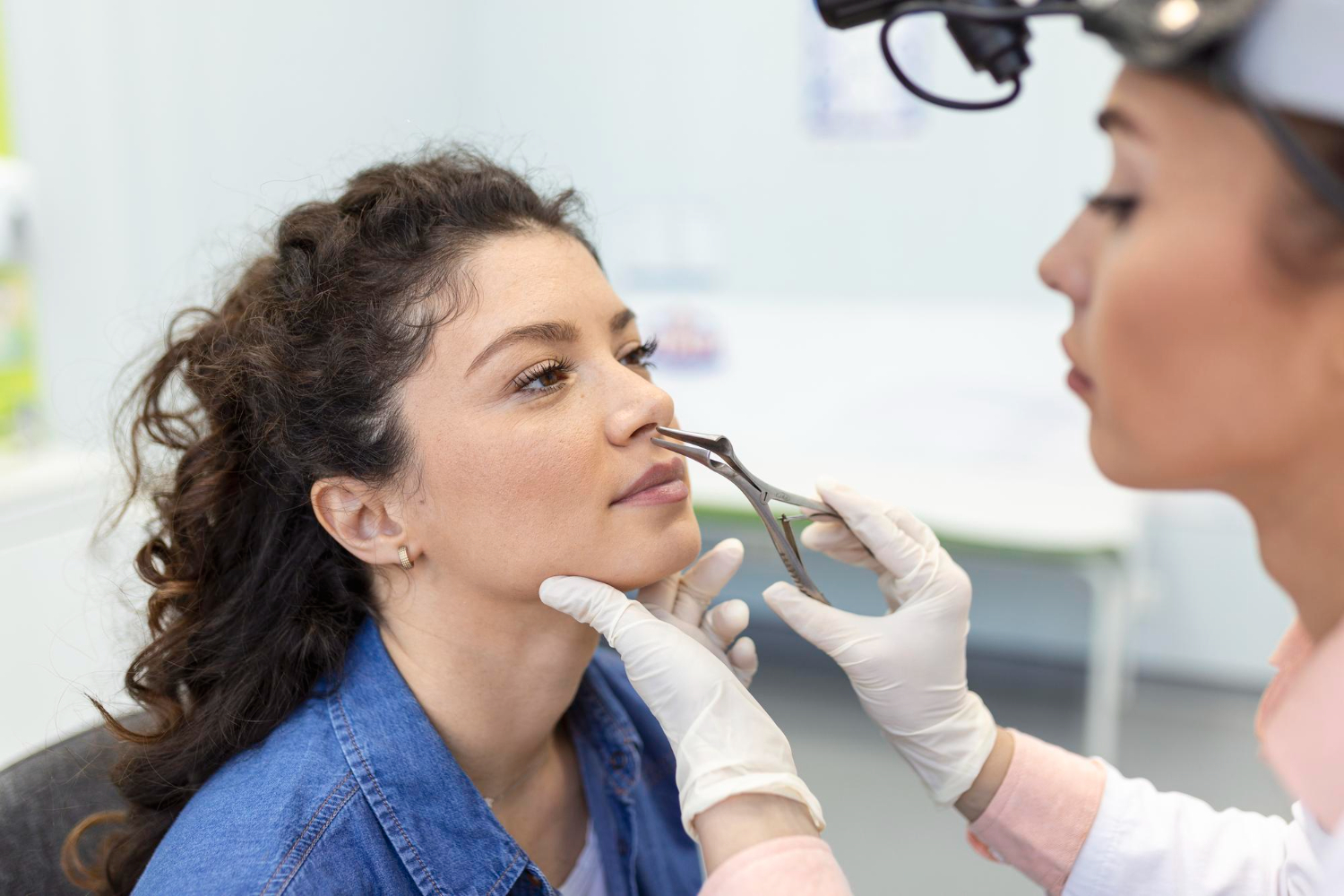
The Challenges of Overdone Rhinoplasty Rhinoplasty, often referred to as a nose job, can be a transformative procedure for many individuals seeking to enhance their facial harmony. However, when rhinoplasty is overdone, it can lead to a host of challenges that are both physically and emotionally taxing. Recognizing failed nose jobs and understanding the common issues in over-corrected noses are crucial steps for anyone considering this surgery. One of the primary challenges of overdone rhinoplasty is the unnatural appearance it can create. Over-correction often results in noses that appear too small or pinched, disrupting the natural balance of facial features. This not only affects aesthetics but can also impact self-esteem and confidence. Breathing difficulties are another significant issue associated with overdone procedures. Excessive removal of cartilage or bone during surgery can compromise nasal function, leading to chronic breathing problems—a consequence far more troubling than any cosmetic dissatisfaction. Moreover, scar tissue development is a frequent concern in overly aggressive surgeries. This scarring can cause stiffness and irregularities in nasal shape over time, further complicating any future corrective procedures. For those who suspect they might be victims of an unsuccessful rhinoplasty attempt, recognizing these signs early is essential. Consulting with an experienced surgeon who specializes in revision rhinoplasty can help address these issues effectively. Ultimately, while rhinoplasty has the potential to deliver outstanding results when performed judiciously, understanding the risks of over-correction is vital for anyone considering this path. By being informed about these challenges ahead of time, patients can make more confident decisions regarding their surgical options and outcomes. The Importance of Choosing an Experienced Surgeon for Revision Rhinoplasty When it comes to revision rhinoplasty, the stakes are significantly higher than a primary procedure. This is why choosing an experienced surgeon for your nose job correction is of utmost importance. A revision rhinoplasty expert possesses the specialized skills and knowledge required to address the complexities involved in secondary procedures. A secondary rhinoplasty specialist understands that each case presents unique challenges, often involving scar tissue, altered anatomy, and compromised nasal structures. Their expertise allows them to navigate these intricacies with precision and care, ensuring that your desired results are achieved while maintaining func  Ultimately, entrusting your revision rhinoplasty to a seasoned expert can make all the difference in restoring both confidence and satisfaction with your appearance. Don’t settle for anything less—ensure that your choice prioritizes experience and specialization for this critical procedure. Surgical Techniques for Correcting Overdone Rhinoplasties When it comes to addressing the challenges of overdone rhinoplasties, the expertise in surgical strategies for revision rhinoplasty is paramount. Over-reduced noses not only affect aesthetic appeal but can also compromise nasal function. Fortunately, advanced techniques have been developed to fix these issues effectively. One of the primary goals in secondary rhinoplasty is structural support restoration. This involves carefully rebuilding the nasal framework to ensure both form and function are optimized. Surgeons often use cartilage grafts, sourced from the septum, ear, or even ribs, to provide necessary support and volume where needed. In addition to restoring structure, precision reshaping techniques are employed to refine and correct any previous over-reduction. These meticulous adjustments require a deep understanding of nasal anatomy and an artistic eye for symmetry and proportion. Choosing a skilled surgeon with extensive experience in revision procedures is crucial for achieving successful outcomes. With these advanced surgical strategies, patients can look forward to not only improved aesthetics but also enhanced breathing functionality—ultimately leading to greater satisfaction and confidence post-surgery.  
Are Facial Implants Still Relevant? The Role of Cheek and Chin Implants in Modern Aesthetic Surgery

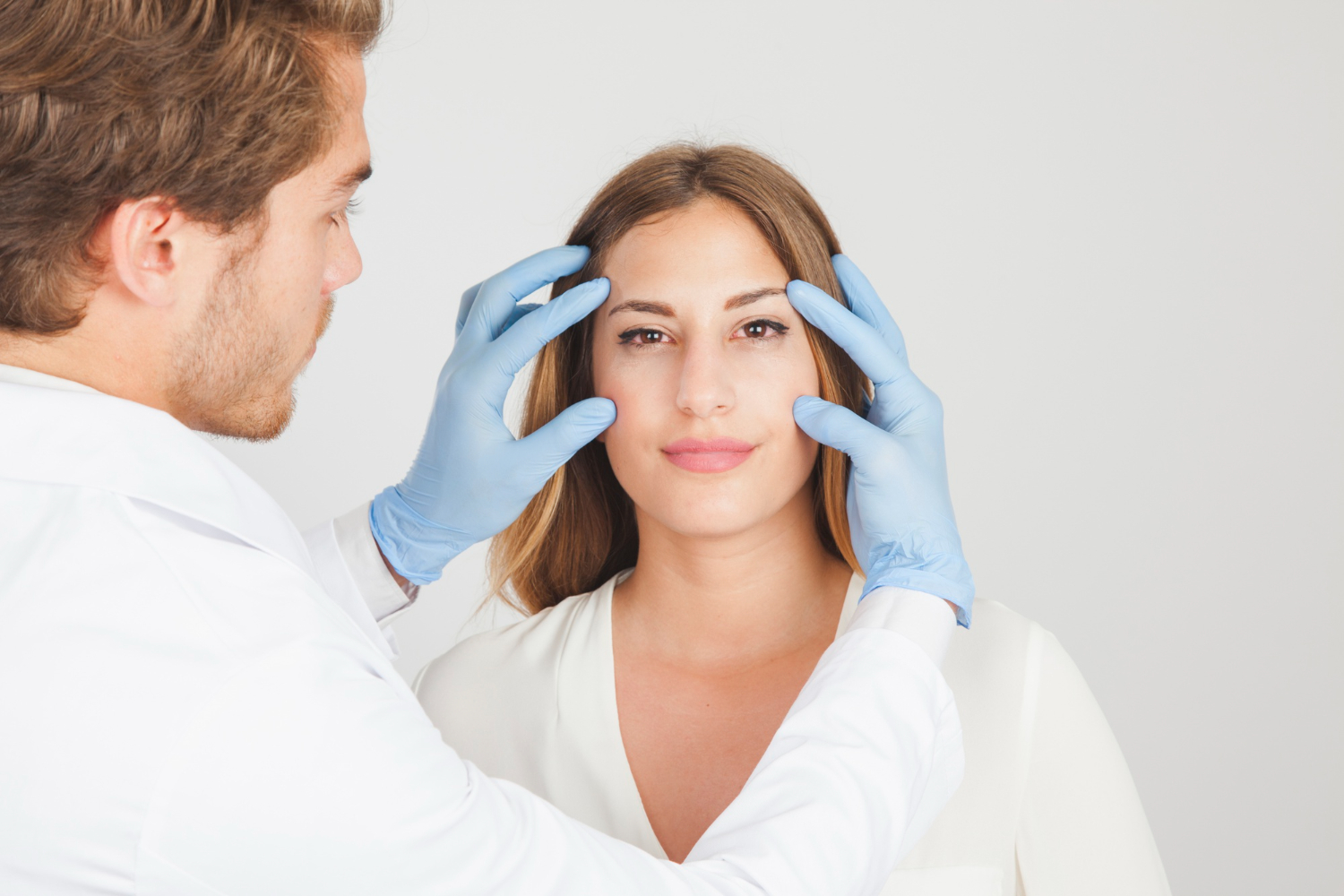
Facial Implants in Today’s Cosmetic Landscape Facial implants have emerged as a transformative option in today’s cosmetic landscape, offering individuals the opportunity to enhance their natural beauty with precision and confidence. Whether you’re considering cheek implants to achieve that coveted high-cheekbone look or chin implants to create a more defined jawline, these aesthetic surgeries are designed to harmonize facial features and boost self-esteem. Unlike temporary cosmetic enhancements, facial implants provide long-lasting results that can dramatically improve facial symmetry and balance. The versatility of these procedures allows for tailored solutions that meet the unique desires of each individual. For those seeking a significant yet subtle transformation, facial implants offer an effective pathway to achieving your aesthetic goals. As part of a comprehensive approach to beauty, they not only enhance one’s appearance but also contribute positively to overall self-image. In choosing aesthetic surgery like cheek or chin implants, you’re investing in a future where you feel empowered by your reflection every day. The Evolution of Facial Implants: How Technology Has Transformed Their Relevance The evolution of facial implants is a testament to the incredible advancements in cosmetic surgery, redefining modern facial aesthetics with precision and innovation. Over the years, facial implant technology has undergone a remarkable transformation, making it more relevant than ever in the quest for beauty and symmetry. Initially, facial implants were limited in scope and often associated with significant risks. However, today’s technological breakthroughs have revolutionized these procedures. These advancements have opened up new possibilities for those seeking to enhance their appearance. Whether it’s correcting asymmetries or augmenting features like the chin or cheeks, contemporary facial implant technology offers tailored solutions that align with each patient’s unique aesthetic goals. The integration of 3D imaging and computer-assisted design further enhances precision, allowing surgeons to plan procedures with unprecedented accuracy. As we continue to witness rapid developments in this field, it’s clear that the relevance of facial implants will only grow stronger. They represent a perfect blend of art and science—an opportunity for individuals to achieve their desired look while maintaining harmony with their natural features. Embracing these innovations means stepping into a future where personal aesthetics can be perfected safely and effectively. The Benefits of Cheek and Chin Implants: Why They Matter More Than Ever In today’s world, where first impressions are often visual, the benefits of cheek and chin implants have become more significant than ever. Cheek augmentation and chin enhancement are not just about altering appearance; they play a crucial role in enhancing facial symmetry—a key element in perceived attractiveness. Cheek augmentation benefits extend beyond mere aesthetics. Well-defined cheeks can add a youthful contour to the face, creating an uplifted look that exudes vitality and confidence. This procedure can also restore volume lost due to aging, helping individuals maintain a refreshed appearance over time. Similarly, chin enhancement offers distinct advantages by providing balance to facial features. A well-proportioned chin can enhance the jawline, giving the face a more structured and harmonious look. This improvement in facial symmetry is not just about beauty standards; it can significantly boost self-esteem and personal confidence. In an era where digital presence matters as much as real-world interactions, investing in cheek and chin implants is more relevant than ever. These procedures offer tangible improvements that align with both personal desires for self-improvement and societal trends towards valuing balanced aesthetics. By choosing these enhancements, individuals are not only embracing their best selves but also stepping forward with renewed assurance in every aspect of life.  

Fat Survival Rate in Fat Grafting Procedures: What Affects Longevity?

What is it and Why is Fat Survival Important? Fat grafting, also known as fat transfer, is a revolutionary technique in cosmetic and reconstructive surgery that involves transferring fat from one part of the body to another. This procedure has gained immense popularity due to its ability to enhance and contour the body naturally. But what truly sets this technique apart is the importance of fat survival and the longevity of fat grafts. Understanding why fat survival is crucial can transform your perspective on this procedure. When fat cells are transferred, their survival rate directly impacts the success of the surgery. High survival rates mean more predictable results, less need for additional procedures, and ultimately, more satisfaction with your appearance. The longevity of these grafts ensures that you enjoy long-lasting benefits without frequent touch-ups. It’s not just about adding volume; it’s about maintaining it in a way that looks natural over time. By prioritizing techniques that enhance fat survival—such as careful handling during transfer and strategic placement—surgeons can significantly improve outcomes. In essence, focusing on fat survival isn’t just a technical detail; it’s at the heart of achieving beautiful, enduring results with fat grafting. So when considering this procedure, understanding its critical role will empower you to make informed decisions for your aesthetic journey. The Science Behind Fat Survival Rates in Grafting Procedures The science behind fat survival rates in grafting procedures is crucial for anyone considering adipose tissue transplantation. The success of these procedures largely hinges on fat cell viability, which refers to the ability of transplanted fat cells to survive and integrate into new tissue environments. Several factors affect the survival rate of fat during these procedures. First, the method of harvesting plays a pivotal role. Techniques that minimize trauma to adipose cells can significantly enhance their viability. Once harvested, how the fat is processed and purified also impacts its survival potential. Proper handling ensures that only healthy cells are selected for transplantation. Moreover, the site of injection is another critical factor. Areas with a rich blood supply tend to support better integration and nourishment of transplanted cells, leading to higher survival rates. These scientific principles, patients can make informed decisions and have realistic expectations about their outcomes in adipose tissue transplantation. With ongoing research and advancements in technique, we continue to improve these procedures’ success rates—making them a reliable option for many seeking reconstructive or cosmetic enhancements. Key Factors Influencing the Longevity of Fat Grafts When considering fat grafting as a cosmetic or reconstructive procedure, understanding the key factors that influence the longevity of fat grafts is crucial for achieving optimal results. One of the primary considerations is the **graft preparation techniques** employed. Proper harvesting and processing of fat cells are essential to ensure their viability and integration into new tissue. Techniques that minimize trauma to the cells during extraction and purification significantly enhance graft survival rates. Equally important are **patient health factors**. The overall health of a patient can greatly impact how well the body accepts and maintains the transplanted fat. Factors such as age, smoking status, circulation issues, and metabolic conditions can affect healing processes and graft retention. Patients in good general health typically experience better outcomes. Another critical component is **post-operative care**. Following your surgeon’s aftercare instructions diligently can make a significant difference in maintaining your results. This includes avoiding pressure on treated areas, adhering to prescribed activity restrictions, and attending follow-up appointments to monitor progress. Lastly, **surgeon expertise** plays an indispensable role in determining success rates for fat grafting procedures. Experienced surgeons possess refined skills in both technique selection and execution, ensuring that each step—from harvesting to placement—is performed with precision. In conclusion, by focusing on these key factors—graft preparation techniques, patient health factors, post-operative care, and surgeon expertise—you can maximize the longevity of your fat grafts and achieve enduring results that enhance both appearance and confidence.  

Ultrasonic vs. Traditional Liposuction: Which Is Safer and More Effective?

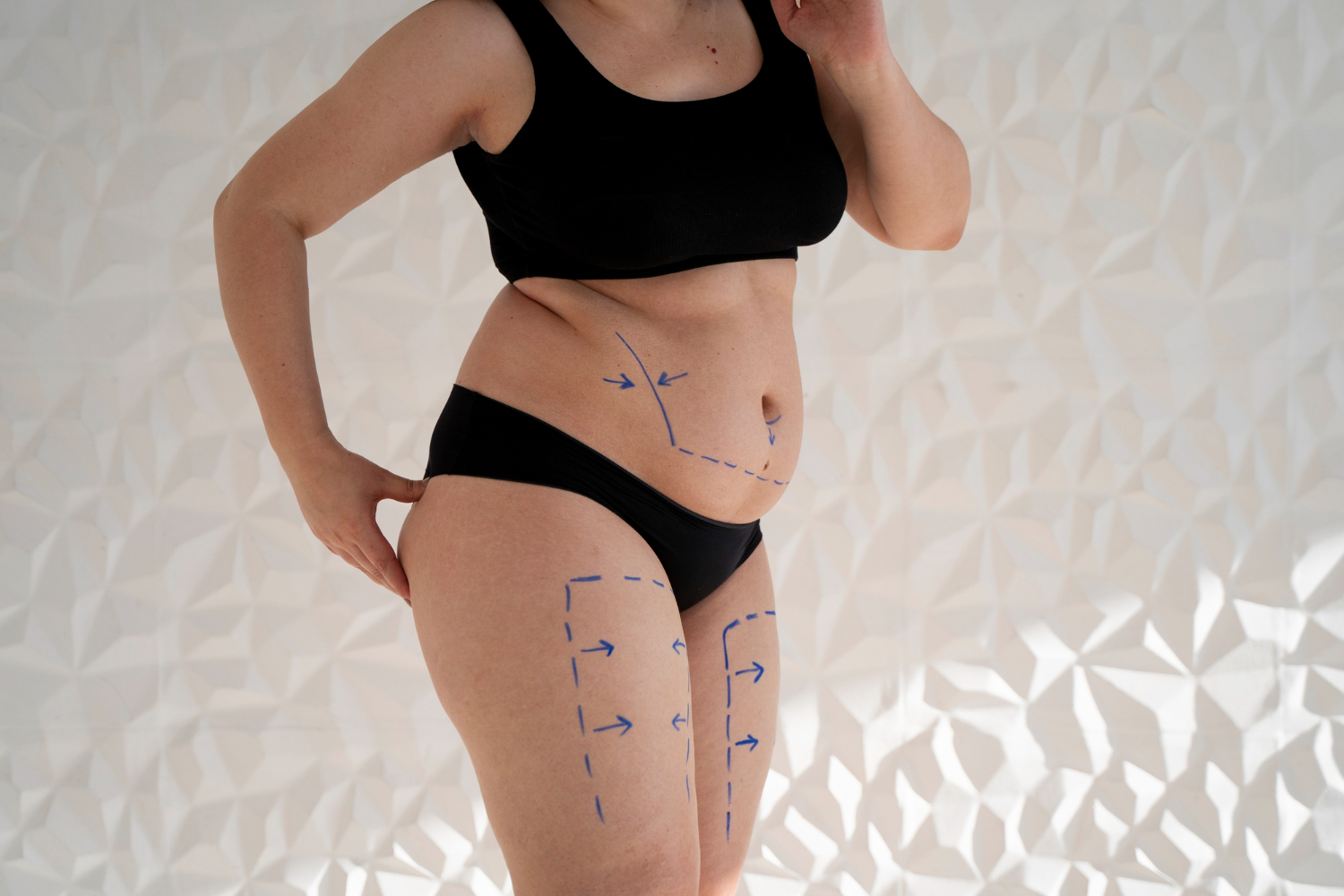
What Are Ultrasonic and Traditional Liposuction? When considering cosmetic surgery for fat removal, understanding the differences between ultrasonic and traditional liposuction is crucial. Both techniques offer effective solutions, but they cater to different needs and preferences. Traditional liposuction is a well-established method that involves physically breaking down fat cells using a cannula before suctioning them out. This technique has been trusted for decades due to its reliability and effectiveness in removing larger volumes of fat. It’s particularly beneficial for individuals seeking significant contouring in areas like the abdomen, thighs, or hips. However, it may require more recovery time compared to newer methods. On the other hand, ultrasonic liposuction represents a more advanced approach by utilizing sound wave energy to liquefy fat cells before removal. This method allows for greater precision and can be especially advantageous in treating fibrous areas or targeting smaller pockets of stubborn fat. The ultrasonic technique often results in less bruising and swelling, leading to a quicker recovery period. Both liposuction techniques have their unique benefits and potential drawbacks; thus, choosing between them depends on individual goals and medical advice from qualified professionals. Whether opting for the tried-and-true traditional method or the innovative ultrasonic approach, patients can achieve their desired body contours with confidence through these advanced cosmetic procedures. The Safety Profile of Ultrasonic vs. Traditional Liposuction When considering liposuction, understanding the safety profiles of different techniques is crucial. Traditional liposuction has been around for decades, offering effective fat removal but not without its risks. Complications in traditional liposuction can include bleeding, infection, and prolonged recovery times due to the invasive nature of the procedure. These risks highlight the importance of exploring safer alternatives. Enter ultrasonic liposuction—a modern technique that promises enhanced surgical safety by utilizing sound waves to liquefy fat before removal. This method allows for more precise targeting and less trauma to surrounding tissues, significantly reducing the risk of complications compared to its traditional counterpart. The safety of ultrasonic liposuction is further bolstered by shorter recovery periods and minimized scarring, making it an attractive option for those seeking a safer body contouring experience. In a surgical safety comparison between these two methods, ultrasonic liposuction emerges as a clear winner in terms of reduced risks and improved patient outcomes. By choosing this innovative approach, patients can enjoy peace of mind knowing they are opting for a procedure designed with their well-being at its core. Efficacy Compared: Achieving Your Desired Results with Liposuction When it comes to achieving your desired body shape, understanding the efficacy of different liposuction techniques is crucial. Traditional liposuction has long been a go-to method for those seeking fat reduction, boasting a solid track record of success. This technique involves physically removing fat deposits, leading to immediate and noticeable results in body contouring. Patients often report high satisfaction with the outcomes, citing significant improvements in their silhouette. However, the landscape of cosmetic surgery has evolved with the introduction of ultrasonic liposuction—a technique that uses sound waves to liquefy fat before removal. This advanced method enhances precision and minimizes trauma to surrounding tissues, leading to quicker recovery times and smoother results. The effectiveness of ultrasonic liposuction is particularly notable in areas that are challenging for traditional methods, offering an impressive fat reduction success rate. Comparing these two approaches highlights distinct advantages: while traditional liposuction provides reliable results for larger volumes of fat removal, ultrasonic liposuction shines in its ability to sculpt and refine contours with finesse. Ultimately, both techniques have proven efficacy; choosing between them depends on individual goals and specific body contouring needs. Consulting with a qualified surgeon can help determine which method aligns best with your desired outcomes and ensures you achieve the look you’ve always envisioned.