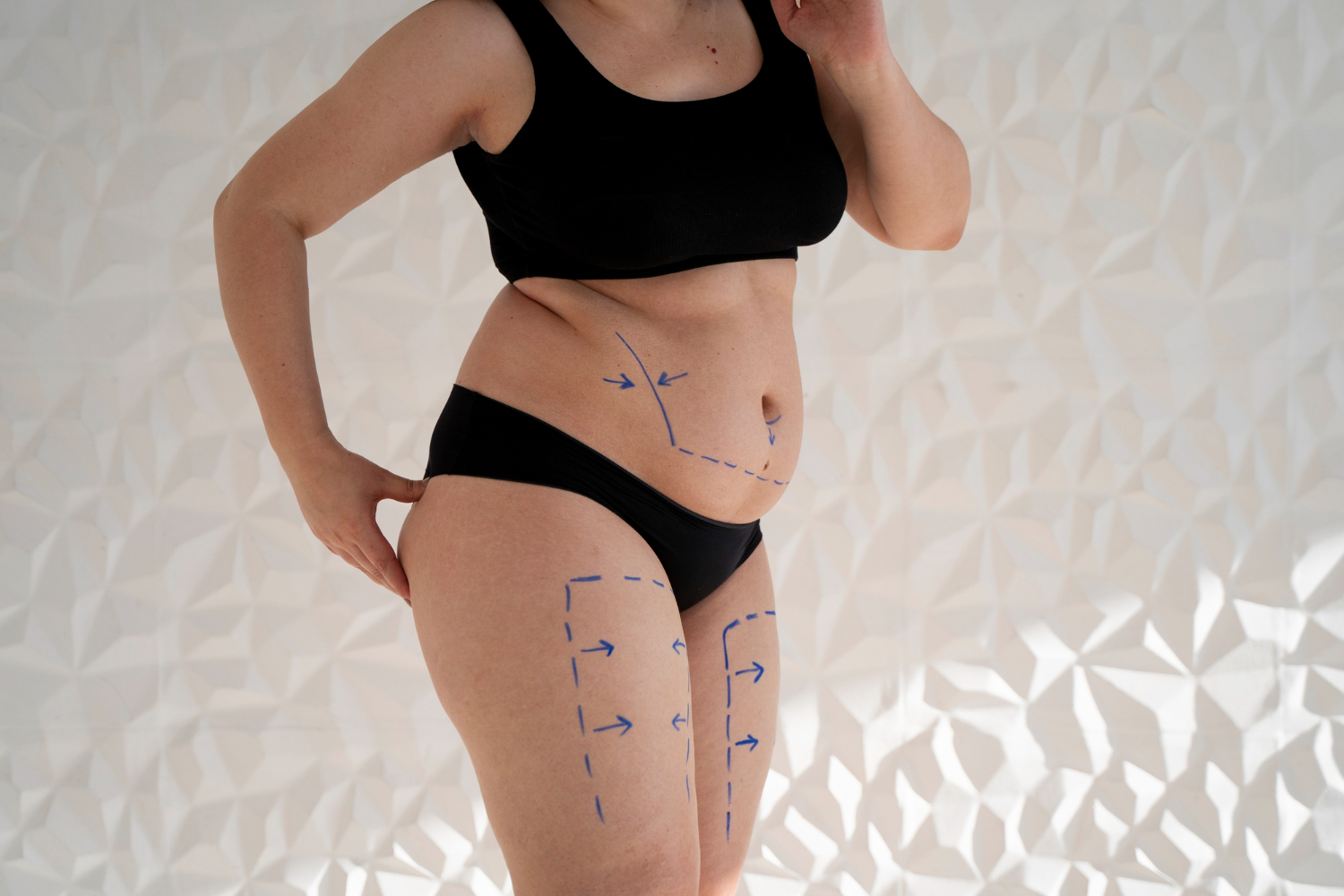
What Are Ultrasonic and Traditional Liposuction?
When considering cosmetic surgery for fat removal, understanding the differences between ultrasonic and traditional liposuction is crucial. Both techniques offer effective solutions, but they cater to different needs and preferences.
Traditional liposuction is a well-established method that involves physically breaking down fat cells using a cannula before suctioning them out. This technique has been trusted for decades due to its reliability and effectiveness in removing larger volumes of fat. It’s particularly beneficial for individuals seeking significant contouring in areas like the abdomen, thighs, or hips. However, it may require more recovery time compared to newer methods.
On the other hand, ultrasonic liposuction represents a more advanced approach by utilizing sound wave energy to liquefy fat cells before removal. This method allows for greater precision and can be especially advantageous in treating fibrous areas or targeting smaller pockets of stubborn fat. The ultrasonic technique often results in less bruising and swelling, leading to a quicker recovery period.
Both liposuction techniques have their unique benefits and potential drawbacks; thus, choosing between them depends on individual goals and medical advice from qualified professionals. Whether opting for the tried-and-true traditional method or the innovative ultrasonic approach, patients can achieve their desired body contours with confidence through these advanced cosmetic procedures.
The Safety Profile of Ultrasonic vs. Traditional Liposuction

When considering liposuction, understanding the safety profiles of different techniques is crucial. Traditional liposuction has been around for decades, offering effective fat removal but not without its risks. Complications in traditional liposuction can include bleeding, infection, and prolonged recovery times due to the invasive nature of the procedure. These risks highlight the importance of exploring safer alternatives.
Enter ultrasonic liposuction—a modern technique that promises enhanced surgical safety by utilizing sound waves to liquefy fat before removal. This method allows for more precise targeting and less trauma to surrounding tissues, significantly reducing the risk of complications compared to its traditional counterpart. The safety of ultrasonic liposuction is further bolstered by shorter recovery periods and minimized scarring, making it an attractive option for those seeking a safer body contouring experience.
In a surgical safety comparison between these two methods, ultrasonic liposuction emerges as a clear winner in terms of reduced risks and improved patient outcomes. By choosing this innovative approach, patients can enjoy peace of mind knowing they are opting for a procedure designed with their well-being at its core.
Efficacy Compared: Achieving Your Desired Results with Liposuction
When it comes to achieving your desired body shape, understanding the efficacy of different liposuction techniques is crucial. Traditional liposuction has long been a go-to method for those seeking fat reduction, boasting a solid track record of success. This technique involves physically removing fat deposits, leading to immediate and noticeable results in body contouring. Patients often report high satisfaction with the outcomes, citing significant improvements in their silhouette.
However, the landscape of cosmetic surgery has evolved with the introduction of ultrasonic liposuction—a technique that uses sound waves to liquefy fat before removal. This advanced method enhances precision and minimizes trauma to surrounding tissues, leading to quicker recovery times and smoother results. The effectiveness of ultrasonic liposuction is particularly notable in areas that are challenging for traditional methods, offering an impressive fat reduction success rate.
Comparing these two approaches highlights distinct advantages: while traditional liposuction provides reliable results for larger volumes of fat removal, ultrasonic liposuction shines in its ability to sculpt and refine contours with finesse. Ultimately, both techniques have proven efficacy; choosing between them depends on individual goals and specific body contouring needs. Consulting with a qualified surgeon can help determine which method aligns best with your desired outcomes and ensures you achieve the look you’ve always envisioned.