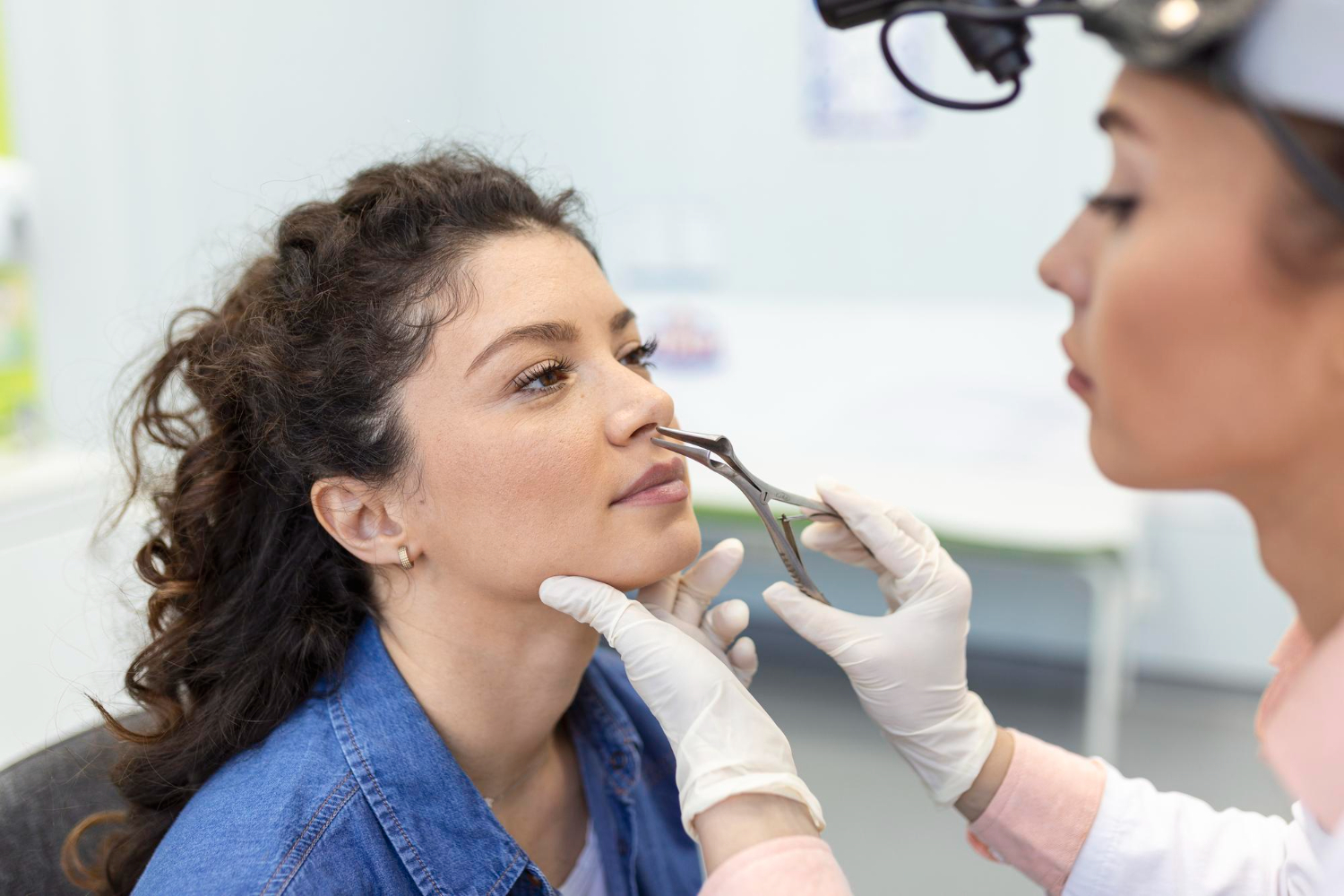
Correcting Overdone Rhinoplasty: Surgical Strategies for Secondary Nose Jobs
The Challenges of Overdone Rhinoplasty Rhinoplasty, often referred to as a nose job, can be a transformative procedure for many individuals seeking to enhance their facial harmony. However, when rhinoplasty is overdone, it can lead to a host of challenges that are both physically and emotionally taxing. Recognizing failed nose jobs and understanding the common issues in over-corrected noses are crucial steps for anyone considering this surgery. One of the primary challenges of overdone rhinoplasty is the unnatural appearance it can create. Over-correction often results in noses that appear too small or pinched, disrupting the natural balance of facial features. This not only affects aesthetics but can also impact self-esteem and confidence. Breathing difficulties are another significant issue associated with overdone procedures. Excessive removal of cartilage or bone during surgery can compromise nasal function, leading to chronic breathing problems—a consequence far more troubling than any cosmetic dissatisfaction. Moreover, scar tissue development is a frequent concern in overly aggressive surgeries. This scarring can cause stiffness and irregularities in nasal shape over time, further complicating any future corrective procedures. For those who suspect they might be victims of an unsuccessful rhinoplasty attempt, recognizing these signs early is essential. Consulting with an experienced surgeon who specializes in revision rhinoplasty can help address these issues effectively. Ultimately, while rhinoplasty has the potential to deliver outstanding results when performed judiciously, understanding the risks of over-correction is vital for anyone considering this path. By being informed about these challenges ahead of time, patients can make more confident decisions regarding their surgical options and outcomes. The Importance of Choosing an Experienced Surgeon for Revision Rhinoplasty When it comes to revision rhinoplasty, the stakes are significantly higher than a primary procedure. This is why choosing an experienced surgeon for your nose job correction is of utmost importance. A revision rhinoplasty expert possesses the specialized skills and knowledge required to address the complexities involved in secondary procedures. A secondary rhinoplasty specialist understands that each case presents unique challenges, often involving scar tissue, altered anatomy, and compromised nasal structures. Their expertise allows them to navigate these intricacies with precision and care, ensuring that your desired results are achieved while maintaining func Ultimately, entrusting your revision rhinoplasty to a seasoned expert can make all the difference in restoring both confidence and satisfaction with your appearance. Don’t settle for anything less—ensure that your choice prioritizes experience and specialization for this critical procedure. Surgical Techniques for Correcting Overdone Rhinoplasties When it comes to addressing the challenges of overdone rhinoplasties, the expertise in surgical strategies for revision rhinoplasty is paramount. Over-reduced noses not only affect aesthetic appeal but can also compromise nasal function. Fortunately, advanced techniques have been developed to fix these issues effectively. One of the primary goals in secondary rhinoplasty is structural support restoration. This involves carefully rebuilding the nasal framework to ensure both form and function are optimized. Surgeons often use cartilage grafts, sourced from the septum, ear, or even ribs, to provide necessary support and volume where needed. In addition to restoring structure, precision reshaping techniques are employed to refine and correct any previous over-reduction. These meticulous adjustments require a deep understanding of nasal anatomy and an artistic eye for symmetry and proportion. Choosing a skilled surgeon with extensive experience in revision procedures is crucial for achieving successful outcomes. With these advanced surgical strategies, patients can look forward to not only improved aesthetics but also enhanced breathing functionality—ultimately leading to greater satisfaction and confidence post-surgery.