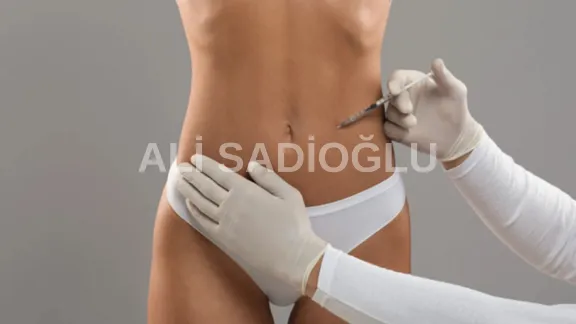
What Is a Reverse Tummy Tuck?
A reverse tummy tuck is a specialized body contouring surgical procedure designed to address excess skin and laxity in the upper abdominal region. Unlike traditional approaches that focus on the lower abdomen, this technique targets loose skin above the navel, particularly the area between the belly button and the inframammary fold. The procedure involves removing excess skin through an incision hidden beneath the breast crease, allowing the upper abdominal skin to be tightened upward rather than downward.
This procedure is most commonly considered by individuals who experience upper abdominal skin looseness due to aging, significant weight loss, pregnancy, or prior abdominal surgeries. In many cases, the lower abdomen may appear relatively firm, making a standard tummy tuck unnecessary or excessive. A reverse tummy tuck offers a more targeted solution that avoids unnecessary intervention in areas that do not require correction.
From an anatomical perspective, the reverse tummy tuck works with natural tension lines of the upper abdomen. By anchoring the skin upward, surgeons can achieve smoother contours without altering the belly button or extensively disrupting deeper abdominal structures. In 2026, this procedure is increasingly recognized as a refined option for patients seeking upper abdominal improvement without the scope of a full abdominoplasty.
How Does a Reverse Tummy Tuck Differ from a Traditional Tummy Tuck?
The most fundamental difference between a reverse tummy tuck and a traditional tummy tuck lies in the direction of skin tightening. In a standard tummy tuck, excess skin is removed from the lower abdomen and pulled downward, often involving repositioning of the belly button and tightening of abdominal muscles. In contrast, a reverse tummy tuck removes excess skin from the upper abdomen and lifts it upward toward the chest.
Another key distinction is the surgical incision. Traditional tummy tucks involve a horizontal incision placed low on the abdomen, typically near the pubic area. A reverse tummy tuck uses incisions concealed beneath the breast crease, which can be especially advantageous for patients concerned about visible scarring in swimwear or lower-cut clothing. This placement also makes the procedure particularly suitable for individuals already undergoing breast surgery.
The scope of correction also differs significantly. A traditional tummy tuck addresses muscle separation, lower abdominal fat, and extensive skin laxity, making it a more invasive operation with longer recovery. A reverse tummy tuck is more localized, focusing solely on skin excess in the upper abdomen. In 2026, this distinction is increasingly important as patients seek customized procedures rather than generalized surgical solutions.
Why Is the Reverse Tummy Tuck Gaining Popularity?
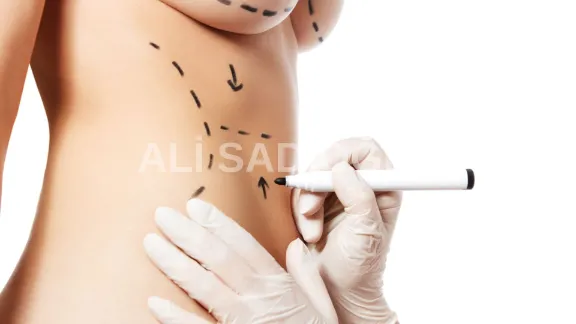
The growing popularity of the reverse tummy tuck is closely tied to evolving aesthetic preferences and advancements in surgical planning. Patients today are more informed and selective, often seeking procedures that address specific concerns rather than undergoing extensive surgeries. The reverse tummy tuck aligns well with this mindset by offering targeted correction with less overall disruption to the body.
Another factor contributing to its rise is the increase in massive weight loss patients. Individuals who have lost significant weight often experience skin laxity in the upper abdomen that does not respond to exercise or non-surgical treatments. Traditional tummy tucks may not adequately address this issue, making the reverse approach more appealing. Additionally, the procedure is frequently combined with breast lifts or reductions, streamlining recovery and enhancing overall torso harmony.
Social media and high-resolution imaging have also played a role. Upper abdominal contour irregularities are more noticeable in fitted clothing and digital imagery, prompting patients to seek solutions. In 2026, the reverse tummy tuck is viewed as a precise, modern procedure that fits within the broader trend of personalized body contouring rather than one-size-fits-all surgery.
Who Is an Ideal Candidate for a Reverse Tummy Tuck?
Ideal candidates for a reverse tummy tuck are individuals who have noticeable excess skin in the upper abdomen while maintaining relatively good tone in the lower abdominal area. These patients often find that their concerns persist despite maintaining a healthy weight and active lifestyle. The procedure is particularly beneficial when the skin laxity is confined above the belly button.
Candidates are generally in good overall health and have realistic expectations about what the surgery can achieve. A reverse tummy tuck is not a weight-loss procedure and does not significantly address fat accumulation. Instead, it is designed for contour refinement. Patients who understand this distinction tend to be more satisfied with their outcomes.
Age is less important than skin quality and distribution of laxity. Both men and women may be suitable candidates, although it is more commonly requested by women, especially those who have undergone pregnancy or breast surgery. In 2026, candidacy assessments focus heavily on long-term aesthetic balance and how the procedure will age with the patient over time.
Who Is Not a Suitable Candidate for This Procedure?
Not everyone seeking abdominal contouring is an appropriate candidate for a reverse tummy tuck. Individuals with significant lower abdominal skin laxity or muscle separation are unlikely to benefit from this approach alone. In such cases, a traditional tummy tuck or a combined procedure may be more appropriate to achieve balanced results.
Patients with poor skin elasticity may also be less suitable candidates. If the skin lacks the ability to retract and adapt after repositioning, the final outcome may appear unnatural or uneven. Additionally, individuals with excessive abdominal fat may require weight stabilization or alternative treatments before considering surgical options.
Certain medical conditions can also limit eligibility. Uncontrolled chronic illnesses, active infections, or poor wound-healing capacity increase surgical risk. In 2026, patient selection emphasizes safety and predictability, ensuring that the procedure is performed only when the benefits clearly outweigh the risks. A thorough evaluation is essential to avoid dissatisfaction or complications.
Expected Results and Limitations of a Reverse Tummy Tuck
The primary result of a reverse tummy tuck is a smoother, tighter upper abdominal contour. Patients often notice a more defined transition between the abdomen and the chest, improved fit in clothing, and enhanced overall body proportions. When performed correctly, results can appear natural and harmonious with the rest of the torso.
However, the procedure has clear limitations. It does not significantly improve the lower abdomen, nor does it correct abdominal muscle separation. Patients expecting a flat abdomen from top to bottom may be disappointed if these limitations are not clearly understood beforehand. Proper expectation management is critical for patient satisfaction.
Scarring, although strategically placed, is permanent. While incisions are hidden beneath the breast crease, scar visibility can vary depending on skin type and healing response. In 2026, surgeons emphasize conservative skin removal and meticulous closure techniques to optimize long-term results while minimizing aesthetic trade-offs.
Risks, Recovery, and Long-Term Considerations
As with any surgical procedure, a reverse tummy tuck carries potential risks. These include infection, bleeding, poor scarring, asymmetry, and delayed wound healing. Because the incision is located near the chest, tension management is especially important to avoid widening of scars or discomfort during healing.
Recovery is generally shorter than that of a full tummy tuck, but it still requires careful adherence to post-operative instructions. Most patients can resume light activities within two weeks, while full recovery may take four to six weeks. Swelling and tightness in the upper abdomen are common during the early healing phase and gradually subside.
Long-term outcomes depend heavily on lifestyle stability. Significant weight fluctuations or future pregnancies can compromise results. In 2026, long-term planning is a central part of patient counseling, ensuring that individuals choose the procedure at a time in their lives when results can be maintained. When carefully selected and properly performed, the reverse tummy tuck can offer durable and satisfying outcomes.