Mommy Makeover Cost in 2026: What to Expect Around the World

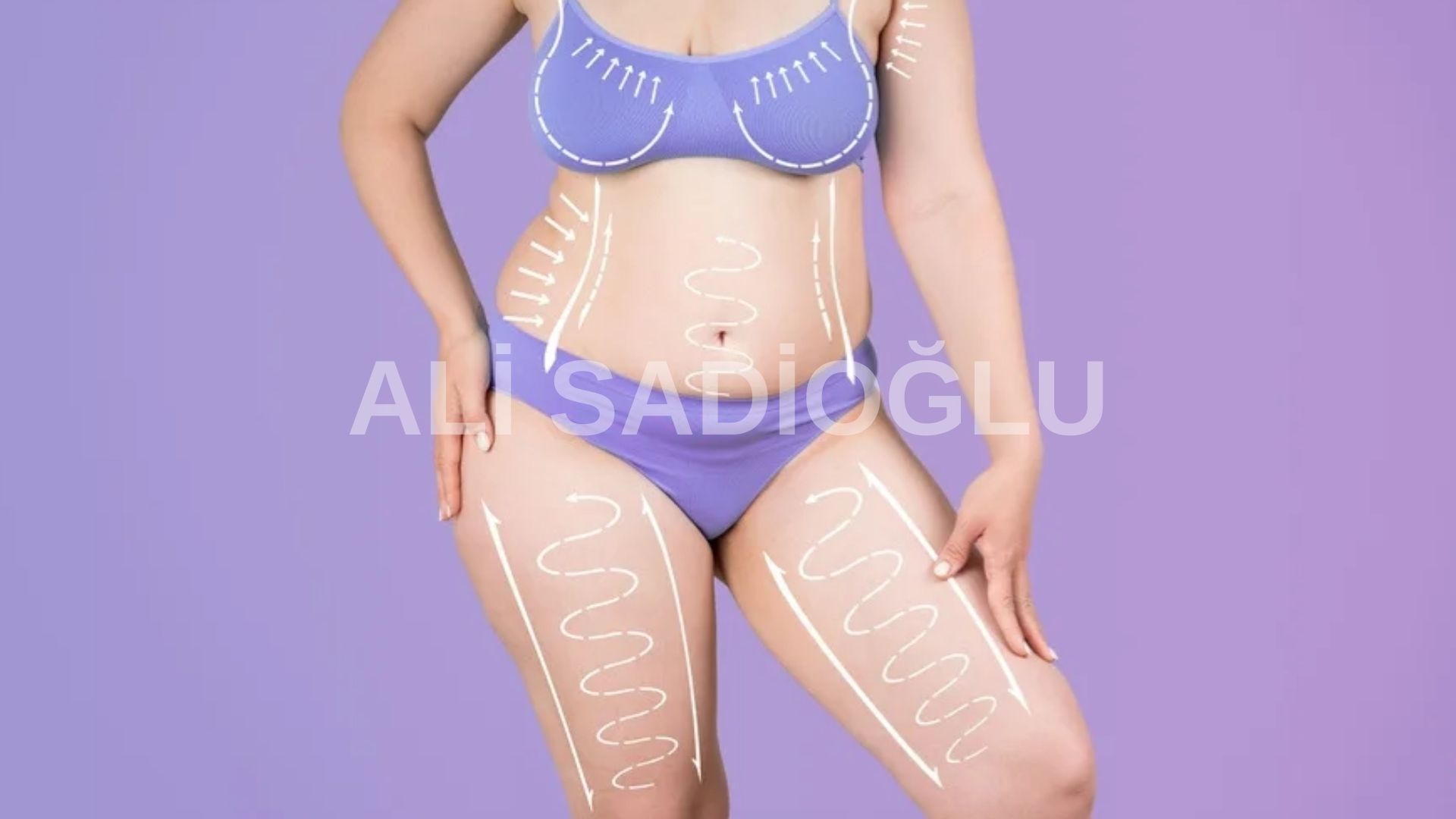
What Is a Mommy Makeover and What Does It Include? A mommy makeover is a personalized combination of cosmetic surgical procedures designed to address the physical changes that often occur after pregnancy, childbirth, and breastfeeding. Rather than being a single operation, it is a tailored treatment plan that focuses on restoring body contours affected by hormonal shifts, weight fluctuations, and skin stretching. The most commonly included procedures target the abdomen, breasts, and areas with stubborn fat deposits, but the exact combination varies based on individual needs and goals. Typically, a mommy makeover may include a tummy tuck to tighten abdominal muscles and remove excess skin, along with breast procedures such as augmentation, lift, or reduction. Liposuction is also frequently part of the plan, helping reshape areas like the waist, hips, thighs, or arms. Some patients may choose additional procedures depending on their anatomy and concerns, making the mommy makeover highly customizable rather than standardized. In 2026, mommy makeovers are increasingly planned with long-term results and safety in mind. Staged approaches, conservative techniques, and individualized assessments are emphasized to reduce risks and optimize recovery. This evolution has also influenced cost, as personalization, advanced techniques, and extended care planning play a larger role in determining the final price. Key Factors That Affect Mommy Makeover Costs in 2026 The cost of a mommy makeover in 2026 is influenced by several interconnected factors, starting with the number and type of procedures included. A combination involving a tummy tuck and breast surgery will naturally cost more than a limited plan that includes only one major procedure. Each additional surgical component increases operating time, anesthesia use, and post-operative care requirements, all of which directly impact total cost. Geographic location is another major factor. Surgical fees, facility costs, and anesthesia charges vary significantly between countries and even within regions of the same country. Urban centers and high-demand markets generally have higher pricing due to increased operational expenses. In contrast, regions with lower overhead may offer more competitive pricing while still meeting international safety standards. Technology and surgical approach also affect cost. In 2026, many mommy makeovers incorporate advanced techniques aimed at minimizing trauma and improving recovery. These methods often require specialized equipment and training, which can increase fees. Additionally, extended aftercare, follow-up visits, and recovery support services are now more commonly included, further shaping the overall cost structure. Average Mommy Makeover Costs in North America In North America, mommy makeover costs remain among the highest globally due to elevated healthcare expenses, facility fees, and regulatory requirements. In 2026, the average cost in the United States typically ranges from the mid-teens to the high twenties in U.S. dollars, depending on the complexity of the procedure combination. More extensive plans that include multiple surgical areas can exceed this range. Canada shows similar trends, although prices may vary slightly depending on province and availability. While these costs may seem high, they often include comprehensive pre-operative evaluations, accredited surgical facilities, advanced anesthesia care, and structured post-operative follow-up. For many patients, this level of oversight and continuity justifies the premium pricing. Another factor influencing North American costs is demand. Mommy makeovers remain highly sought after, particularly among patients prioritizing convenience, proximity, and long-term follow-up care. In 2026, many patients in North America value the ability to recover at home and maintain ongoing access to their surgical team, which continues to support higher price points. Mommy Makeover Prices in Europe and the United Kingdom Across Europe, mommy makeover pricing in 2026 varies widely by country. Western European nations generally fall in a mid-to-high price range, reflecting strong regulatory frameworks and high medical standards. Costs in these regions are often lower than in the United States but still represent a significant investment, especially when multiple procedures are combined. The United Kingdom occupies a unique position, with prices often comparable to Western Europe but influenced by regional demand and private healthcare infrastructure. Mommy makeover costs in the UK typically include facility fees, anesthesia, and follow-up appointments, though additional services may be priced separately. Patients often choose the UK for its proximity and familiar healthcare environment. European patients frequently benefit from transparent pricing models, but travel and accommodation expenses may still apply depending on location. In 2026, Europe remains attractive for patients seeking a balance between cost savings and high medical standards, especially for those residing within the region. Cost Comparison in Popular Medical Tourism Destinations Medical tourism continues to play a major role in mommy makeover pricing worldwide. In 2026, destinations known for cosmetic surgery offer significantly lower costs compared to North America and Western Europe. Prices in these regions can be reduced by more than half while still providing comprehensive procedure packages. Lower costs are often attributed to reduced operational expenses, favorable exchange rates, and bundled pricing models. Many international clinics offer all-inclusive packages that cover surgery, hospital stay, accommodations, and transfers. This pricing structure appeals to patients seeking clarity and predictability in total expenses. However, cost comparison should go beyond the initial price tag. Travel logistics, recovery accommodations, and continuity of care must be carefully evaluated. In 2026, informed patients increasingly weigh overall value rather than cost alone, considering safety standards, communication, and post-operative support when choosing a destination. Hidden Costs and What Patients Often Overlook One of the most common misconceptions about mommy makeover pricing is that the quoted fee represents the total expense. In reality, several additional costs may arise before, during, and after surgery. Post-operative care is another frequently overlooked area. Medications, extended recovery accommodations, and potential revision procedures can all increase costs. For patients traveling abroad, additional expenses such as extended stays, companion travel, and unexpected medical needs should be factored into planning. In 2026, transparency has improved, but patients are still encouraged to request detailed cost breakdowns. Understanding what is included and what is not helps avoid financial stress during recovery. A well-planned budget accounts for both expected and unexpected expenses, ensuring a smoother overall experience. Is a Mommy Makeover Worth the Cost in 2026? Determining whether


Nose Job Trends in 2026: From Barbie Nose to Ultrasonic Rhinoplasty

How Rhinoplasty Trends Have Evolved Leading into 2026 Rhinoplasty trends have undergone a significant transformation over the past decade, and by 2026, the focus has clearly shifted from dramatic reshaping to individualized facial harmony. Earlier trends often emphasized standardized nose shapes, regardless of a patient’s unique facial anatomy. These approaches sometimes produced results that appeared artificial or disconnected from the rest of the face. As patient awareness increased, demand grew for techniques that respected natural proportions and long-term aesthetics. Technological progress has also played a major role in shaping modern rhinoplasty trends. Advanced imaging, three-dimensional planning, and minimally invasive surgical tools have allowed for more precise outcomes. Surgeons are now able to simulate results, anticipate healing patterns, and tailor procedures to each individual. This precision has reduced the desire for extreme alterations and increased interest in refined, subtle changes that enhance rather than dominate facial features. By 2026, rhinoplasty is widely viewed as a balance between aesthetics and function. Breathing improvement, structural support, and long-term nasal stability are now considered just as important as visual appeal. This holistic approach reflects a broader shift in aesthetic medicine, where longevity, safety, and personalization define success rather than adherence to a single trend. What Is the Barbie Nose Trend and Why Is It Controversial? The Barbie nose trend refers to a highly stylized rhinoplasty outcome characterized by a small, narrow nose with an elevated tip and pronounced curvature. This look gained popularity through social media and celebrity influence, often promoted as an idealized standard of beauty. While visually striking, the Barbie nose trend quickly became controversial due to concerns about uniformity and long-term consequences. One major criticism is that this trend does not suit all facial types. Applying the same nose shape across diverse faces can disrupt natural balance and create an unnatural appearance. In some cases, excessive reduction of nasal structures compromises support, increasing the risk of collapse, breathing difficulties, or revision surgery. These issues have raised ethical and medical concerns within the aesthetic community. By 2026, the Barbie nose is increasingly viewed as a cautionary example rather than a goal. Patients are more informed and less willing to pursue exaggerated results that may not age well. The controversy surrounding this trend has ultimately pushed the industry toward more conservative, anatomy-respecting approaches that prioritize individuality over imitation. Natural-Looking Noses vs Over-Defined Results in 2026 In 2026, the preference for natural-looking rhinoplasty results has become more pronounced than ever. Patients increasingly seek outcomes that blend seamlessly with their facial features, avoiding obvious signs of surgery. A natural-looking nose is defined not by its size or shape alone, but by how well it complements the eyes, lips, and overall facial structure. Over-defined results, once popular, are now often associated with outdated techniques and unrealistic beauty ideals. Sharp edges, overly narrow bridges, and excessively lifted tips can draw attention away from the face as a whole. Many patients who pursued these results in the past now seek revision procedures to restore balance and softness. The shift toward natural aesthetics reflects a deeper understanding of facial aging. Subtle rhinoplasty outcomes tend to age more gracefully, maintaining structural integrity and avoiding long-term complications. In 2026, success in rhinoplasty is measured by invisibility, where the nose looks improved but not obviously altered. Ultrasonic Rhinoplasty Explained: Technology and Advantages Ultrasonic rhinoplasty represents one of the most significant technological advancements in nasal surgery. This technique uses ultrasonic energy to precisely cut and reshape nasal bones while preserving surrounding soft tissues. Unlike traditional methods that rely on manual instruments, ultrasonic tools allow for controlled, vibration-based bone modification. One of the primary advantages of ultrasonic rhinoplasty is reduced trauma. Because the technique minimizes damage to blood vessels and soft tissues, patients often experience less swelling, bruising, and discomfort. This can lead to a smoother recovery process and more predictable healing outcomes. Precision is especially beneficial when refining delicate nasal structures. By 2026, ultrasonic rhinoplasty is widely regarded as a gold standard for patients requiring bone work. Its ability to deliver accurate, stable results aligns with modern demands for safety and refinement. While not necessary for every case, this technology has expanded the possibilities of rhinoplasty by offering greater control and consistency. Who Is an Ideal Candidate for Modern Rhinoplasty Techniques? Ideal candidates for modern rhinoplasty techniques are individuals seeking improvement rather than transformation. These patients typically have realistic expectations and understand that the goal is facial harmony, not perfection. Good candidates may have aesthetic concerns, functional issues, or a combination of both. Physical suitability is also important. Healthy skin quality, stable nasal structures, and good overall health contribute to better outcomes. Patients who have completed facial growth and are emotionally prepared for surgery tend to experience higher satisfaction rates. In 2026, candidacy assessments emphasize both physical and psychological readiness. Modern rhinoplasty candidates are also encouraged to consider long-term implications. Techniques are selected based on how results will age over time, ensuring durability and function. This patient-centered approach reflects the evolution of rhinoplasty into a more thoughtful and individualized discipline. Cultural and Social Media Influence on Nose Job Preferences Cultural shifts and social media platforms have had a profound impact on rhinoplasty preferences. Filters, selfies, and constant visual exposure have heightened awareness of facial features, particularly the nose. Trends can spread rapidly, shaping perceptions of beauty across different regions and demographics. However, this influence is double-edged. While social media has increased access to information, it has also promoted unrealistic standards. By 2026, there is growing recognition of this issue, and many patients are learning to differentiate between digitally altered images and achievable surgical outcomes. Cultural diversity now plays a larger role in rhinoplasty planning. Rather than erasing ethnic characteristics, modern approaches aim to enhance natural identity. This shift reflects a broader cultural movement toward authenticity and self-acceptance within aesthetic medicine. Long-Term Outcomes and Patient Expectations in 2026 Long-term outcomes have become a central focus in rhinoplasty decision-making. Patients in 2026 are more interested in how their noses will function and appear decades

Liposuction for Arms in 2026: Slimmer Arms Without the Gym

What Is Arm Liposuction and How Does It Work? Many people experience stubborn fat accumulation in the arms due to genetics, hormonal factors, or age-related changes, even when they maintain an active lifestyle. Arm liposuction focuses on reshaping and slimming the arm contour rather than overall weight reduction, making it a targeted body contouring solution. The procedure works by inserting thin cannulas through small incisions, usually placed discreetly near the armpit or elbow area. These cannulas gently break down and suction out excess fat cells from beneath the skin. In 2026, arm liposuction commonly uses advanced techniques such as power-assisted or ultrasound-assisted liposuction, which allow for more precise fat removal while minimizing trauma to surrounding tissues. These methods help improve skin retraction and reduce recovery time. Arm liposuction does not remove skin, but by reducing excess fat volume, it allows the skin to adapt more smoothly to the new contour when elasticity is adequate. The goal is to create a slimmer, more proportionate arm shape that looks natural from all angles. In 2026, patient education emphasizes that arm liposuction is a contouring procedure, not a substitute for fitness, and works best as part of an overall body harmony approach. Why Arm Liposuction Is Still Popular in 2026 Arm liposuction remains popular in 2026 because it addresses a common aesthetic concern that exercise alone often cannot fix. Many individuals find that despite regular workouts and healthy eating, fat in the upper arms persists. This frustration drives demand for a procedure that can deliver visible, long-lasting results without requiring extreme lifestyle changes. Another reason for its continued popularity is the shift toward subtle, natural-looking body contouring. In 2026, aesthetic trends favor refined improvements rather than dramatic transformations. Arm liposuction aligns well with this mindset by offering a modest yet impactful enhancement that improves clothing fit and overall proportions. Sleeveless clothing, swimwear, and professional attire often highlight the arms, making this area a priority for many patients. Technological advancements have also contributed to sustained interest. Improved liposuction techniques now allow for greater precision, reduced bruising, and faster recovery. Patients are more confident pursuing the procedure when downtime is manageable and outcomes are predictable. As a result, arm liposuction continues to be seen as an efficient solution for achieving slimmer arms without the gym-focused effort that may not yield results in this specific area. Which Areas of the Arms Can Be Treated With Liposuction? Arm liposuction primarily targets the upper arms, particularly the area between the shoulder and elbow where fat tends to accumulate. This region, often referred to as the triceps area, is the most commonly treated zone because it significantly affects arm contour and firmness. Fat in this area can create a heavy or sagging appearance even in individuals with otherwise toned bodies. In some cases, liposuction can also be applied to the area near the armpits, where fat pockets may extend from the upper arm into the chest or back. Treating this transition zone can enhance overall arm definition and create smoother lines when the arms are positioned against the body. Careful planning is essential to maintain symmetry and avoid overcorrection. Lower arms are generally not treated with liposuction due to minimal fat presence and higher risk of contour irregularities. In 2026, treatment plans focus on areas where fat removal will produce balanced, natural results while preserving arm function and aesthetics. A thorough assessment ensures that only appropriate areas are addressed, avoiding unnecessary intervention and optimizing long-term satisfaction. Who Is an Ideal Candidate for Arm Liposuction? Ideal candidates for arm liposuction are individuals who are close to their ideal body weight but struggle with localized fat deposits in the arms. These patients often have maintained stable weight for an extended period and lead relatively healthy lifestyles. The procedure is most effective when fat accumulation is the primary issue rather than significant skin laxity. Good skin elasticity is a crucial factor. When the skin can retract after fat removal, the arms appear smoother and firmer without requiring additional procedures. Younger patients or those with naturally resilient skin tend to experience better outcomes, although age alone does not determine suitability. Overall health and the absence of uncontrolled medical conditions are also important considerations. In 2026, candidacy evaluation places strong emphasis on realistic expectations. Ideal candidates understand that arm liposuction enhances shape but does not dramatically change body composition. Patients who view the procedure as a finishing touch rather than a weight-loss solution are more likely to be satisfied with their results and long-term appearance. Who Should Avoid Arm Liposuction Procedures? Arm liposuction may not be appropriate for individuals with significant skin laxity or sagging, often caused by major weight loss or advanced aging. In such cases, removing fat alone can worsen the appearance by leaving excess loose skin. These patients may require alternative or combined procedures to achieve satisfactory results. Individuals with certain medical conditions, such as bleeding disorders, uncontrolled diabetes, or compromised immune systems, may face increased surgical risks. Smoking can also negatively impact healing and skin retraction, making outcomes less predictable. In 2026, thorough medical screening is emphasized to minimize complications and ensure patient safety. Patients seeking instant or unrealistic results should also avoid arm liposuction. The procedure requires time for swelling to subside and final contours to emerge. Those unwilling to follow post-operative guidelines or maintain stable weight may compromise their results. Proper patient selection remains one of the most important factors in achieving safe and successful outcomes. Expected Results and Limitations of Arm Liposuction The primary result of arm liposuction is a slimmer, more contoured arm profile. Patients often notice improved definition and reduced bulk, allowing clothing to fit more comfortably and enhancing overall body proportions. Results gradually become more visible over several weeks as swelling decreases and tissues settle. However, arm liposuction has limitations that must be clearly understood. It does not tighten loose skin or improve muscle tone. If skin elasticity is poor, additional procedures may be needed to address sagging. Overaggressive fat removal can also

Reverse Tummy Tuck: What Is It and Who Is a Candidate

What Is a Reverse Tummy Tuck? A reverse tummy tuck is a specialized body contouring surgical procedure designed to address excess skin and laxity in the upper abdominal region. Unlike traditional approaches that focus on the lower abdomen, this technique targets loose skin above the navel, particularly the area between the belly button and the inframammary fold. The procedure involves removing excess skin through an incision hidden beneath the breast crease, allowing the upper abdominal skin to be tightened upward rather than downward. This procedure is most commonly considered by individuals who experience upper abdominal skin looseness due to aging, significant weight loss, pregnancy, or prior abdominal surgeries. In many cases, the lower abdomen may appear relatively firm, making a standard tummy tuck unnecessary or excessive. A reverse tummy tuck offers a more targeted solution that avoids unnecessary intervention in areas that do not require correction. From an anatomical perspective, the reverse tummy tuck works with natural tension lines of the upper abdomen. By anchoring the skin upward, surgeons can achieve smoother contours without altering the belly button or extensively disrupting deeper abdominal structures. In 2026, this procedure is increasingly recognized as a refined option for patients seeking upper abdominal improvement without the scope of a full abdominoplasty. How Does a Reverse Tummy Tuck Differ from a Traditional Tummy Tuck? The most fundamental difference between a reverse tummy tuck and a traditional tummy tuck lies in the direction of skin tightening. In a standard tummy tuck, excess skin is removed from the lower abdomen and pulled downward, often involving repositioning of the belly button and tightening of abdominal muscles. In contrast, a reverse tummy tuck removes excess skin from the upper abdomen and lifts it upward toward the chest. Another key distinction is the surgical incision. Traditional tummy tucks involve a horizontal incision placed low on the abdomen, typically near the pubic area. A reverse tummy tuck uses incisions concealed beneath the breast crease, which can be especially advantageous for patients concerned about visible scarring in swimwear or lower-cut clothing. This placement also makes the procedure particularly suitable for individuals already undergoing breast surgery. The scope of correction also differs significantly. A traditional tummy tuck addresses muscle separation, lower abdominal fat, and extensive skin laxity, making it a more invasive operation with longer recovery. A reverse tummy tuck is more localized, focusing solely on skin excess in the upper abdomen. In 2026, this distinction is increasingly important as patients seek customized procedures rather than generalized surgical solutions. Why Is the Reverse Tummy Tuck Gaining Popularity? The growing popularity of the reverse tummy tuck is closely tied to evolving aesthetic preferences and advancements in surgical planning. Patients today are more informed and selective, often seeking procedures that address specific concerns rather than undergoing extensive surgeries. The reverse tummy tuck aligns well with this mindset by offering targeted correction with less overall disruption to the body. Another factor contributing to its rise is the increase in massive weight loss patients. Individuals who have lost significant weight often experience skin laxity in the upper abdomen that does not respond to exercise or non-surgical treatments. Traditional tummy tucks may not adequately address this issue, making the reverse approach more appealing. Additionally, the procedure is frequently combined with breast lifts or reductions, streamlining recovery and enhancing overall torso harmony. Social media and high-resolution imaging have also played a role. Upper abdominal contour irregularities are more noticeable in fitted clothing and digital imagery, prompting patients to seek solutions. In 2026, the reverse tummy tuck is viewed as a precise, modern procedure that fits within the broader trend of personalized body contouring rather than one-size-fits-all surgery. Who Is an Ideal Candidate for a Reverse Tummy Tuck? Ideal candidates for a reverse tummy tuck are individuals who have noticeable excess skin in the upper abdomen while maintaining relatively good tone in the lower abdominal area. These patients often find that their concerns persist despite maintaining a healthy weight and active lifestyle. The procedure is particularly beneficial when the skin laxity is confined above the belly button. Candidates are generally in good overall health and have realistic expectations about what the surgery can achieve. A reverse tummy tuck is not a weight-loss procedure and does not significantly address fat accumulation. Instead, it is designed for contour refinement. Patients who understand this distinction tend to be more satisfied with their outcomes. Age is less important than skin quality and distribution of laxity. Both men and women may be suitable candidates, although it is more commonly requested by women, especially those who have undergone pregnancy or breast surgery. In 2026, candidacy assessments focus heavily on long-term aesthetic balance and how the procedure will age with the patient over time. Who Is Not a Suitable Candidate for This Procedure? Not everyone seeking abdominal contouring is an appropriate candidate for a reverse tummy tuck. Individuals with significant lower abdominal skin laxity or muscle separation are unlikely to benefit from this approach alone. In such cases, a traditional tummy tuck or a combined procedure may be more appropriate to achieve balanced results. Patients with poor skin elasticity may also be less suitable candidates. If the skin lacks the ability to retract and adapt after repositioning, the final outcome may appear unnatural or uneven. Additionally, individuals with excessive abdominal fat may require weight stabilization or alternative treatments before considering surgical options. Certain medical conditions can also limit eligibility. Uncontrolled chronic illnesses, active infections, or poor wound-healing capacity increase surgical risk. In 2026, patient selection emphasizes safety and predictability, ensuring that the procedure is performed only when the benefits clearly outweigh the risks. A thorough evaluation is essential to avoid dissatisfaction or complications. Expected Results and Limitations of a Reverse Tummy Tuck The primary result of a reverse tummy tuck is a smoother, tighter upper abdominal contour. Patients often notice a more defined transition between the abdomen and the chest, improved fit in clothing, and enhanced overall body proportions. When performed correctly, results can appear

Buccal Fat Removal in 2026: Still Trendy or Too Risky

What Is Buccal Fat Removal and Why Is It Popular? These fat pads contribute to facial roundness, particularly in the lower cheek area. By selectively removing part of this fat, the face can appear slimmer, more contoured, and more angular. The procedure is performed through small incisions inside the mouth, meaning there are no visible external scars, which has significantly contributed to its popularity. The appeal of buccal fat removal lies in its ability to create a sculpted facial appearance without the need for implants or injectable fillers. In an era where sharp jawlines and defined cheek contours dominate beauty standards, many individuals view this procedure as a way to achieve a more mature and refined look. Social media, celebrity influence, and the rise of facial aesthetics awareness have all played a major role in bringing buccal fat removal into the mainstream. Another reason for its popularity is the perception that it is a relatively simple and quick procedure. However, the simplicity often portrayed online can be misleading, as the buccal fat pad plays a functional and structural role in facial aging. This growing awareness is shaping how the procedure is viewed in 2026. The Rise of Buccal Fat Removal Trends Leading into 2026 The popularity of buccal fat removal did not happen overnight. Its rise can be traced back to shifting beauty ideals that favor leaner facial structures and pronounced contours. In the years leading up to 2026, aesthetic trends increasingly emphasized facial harmony, symmetry, and long-term results rather than temporary enhancements. Buccal fat removal became associated with a “natural yet defined” look when performed conservatively. Digital culture has amplified this trend significantly. High-definition cameras, video calls, and social media filters have made people more aware of how their faces appear from different angles. As a result, facial fullness that was once considered youthful is now sometimes perceived as undesirable. Buccal fat removal gained traction as a way to permanently address this concern rather than relying on repeated non-surgical treatments. By 2026, the conversation around buccal fat removal has become more nuanced. While the procedure remains popular, it is no longer seen as a one-size-fits-all trend. Patients are increasingly cautious, seeking long-term facial balance rather than dramatic changes. This shift reflects a broader movement in aesthetic medicine toward personalization, moderation, and longevity rather than extreme transformations. Benefits People Seek from Buccal Fat Removal in 2026 In 2026, individuals considering buccal fat removal are often motivated by the desire for improved facial definition. One of the most commonly cited benefits is a slimmer lower face, which can enhance the appearance of cheekbones and jawlines. For people with genetically fuller cheeks, weight loss alone may not achieve this effect, making the procedure an appealing option. Another perceived benefit is the permanence of the result. Unlike fillers or fat-dissolving injections that require ongoing maintenance, buccal fat removal offers a long-lasting change. This appeals to patients who prefer a one-time intervention rather than repeated treatments. The internal incision approach also reassures patients concerned about visible scarring. Psychological benefits also play a role. Many individuals report increased confidence and satisfaction with their facial appearance after the procedure. In a world where professional and social interactions are increasingly visual, feeling confident about one’s face can impact self-esteem and social comfort. However, these benefits are most pronounced when expectations are realistic and the procedure is tailored to the individual’s facial structure. Potential Risks and Long-Term Considerations Despite its popularity, buccal fat removal carries risks that are receiving greater attention in 2026. One of the primary concerns is premature facial aging. The buccal fat pad contributes to youthful fullness, and removing too much can lead to a hollow or sunken appearance over time, especially as natural fat loss occurs with aging. There are also surgical risks to consider. These include infection, asymmetry, nerve irritation, and prolonged swelling. While complications are relatively uncommon, they can have a significant impact on facial aesthetics. Because the buccal fat pad is located near important facial nerves, precision and experience are critical to minimizing risk. Long-term outcomes are now a major focus in patient consultations. Unlike reversible treatments, buccal fat removal cannot be undone. In 2026, more patients are being advised to consider how their face will look not just months, but decades after the procedure. This long-term perspective has led to a more cautious approach and increased emphasis on conservative fat removal. Who Is a Good Candidate for Buccal Fat Removal? Not everyone is an ideal candidate for buccal fat removal, and this distinction has become clearer in recent years. Generally, individuals with naturally fuller, rounder faces and thick lower cheek fat may benefit most from the procedure. These patients often retain facial fullness despite being at a healthy body weight. Age is an important factor. Younger adults with stable facial volume may be better candidates than older individuals who are already experiencing age-related fat loss. In patients over a certain age, removing buccal fat can exaggerate signs of aging rather than improve facial aesthetics. Facial structure, skin elasticity, and overall health also play critical roles. Patients with thin faces, narrow bone structure, or sagging skin are usually advised against the procedure. In 2026, candidacy assessments are more comprehensive, focusing on facial balance and future aging rather than short-term trends. Alternatives to Buccal Fat Removal in 2026 As awareness of the risks has grown, many patients are exploring alternatives to buccal fat removal. Non-surgical contouring options, such as energy-based skin tightening and injectable treatments, offer temporary but adjustable results. These options allow for gradual changes without permanent alteration of facial fat. Weight management and lifestyle changes are also considered before surgery. In some individuals, facial fullness decreases naturally with time or weight stabilization. Facial exercises and skincare routines, while limited in effect, are sometimes used as complementary approaches. In 2026, hybrid treatment plans are increasingly popular. Rather than removing fat, practitioners may combine subtle contouring techniques with skin quality improvements to achieve definition while preserving volume. These alternatives reflect a