Can Liposuction Remove Stubborn Fat Even If You Are Not Overweight?
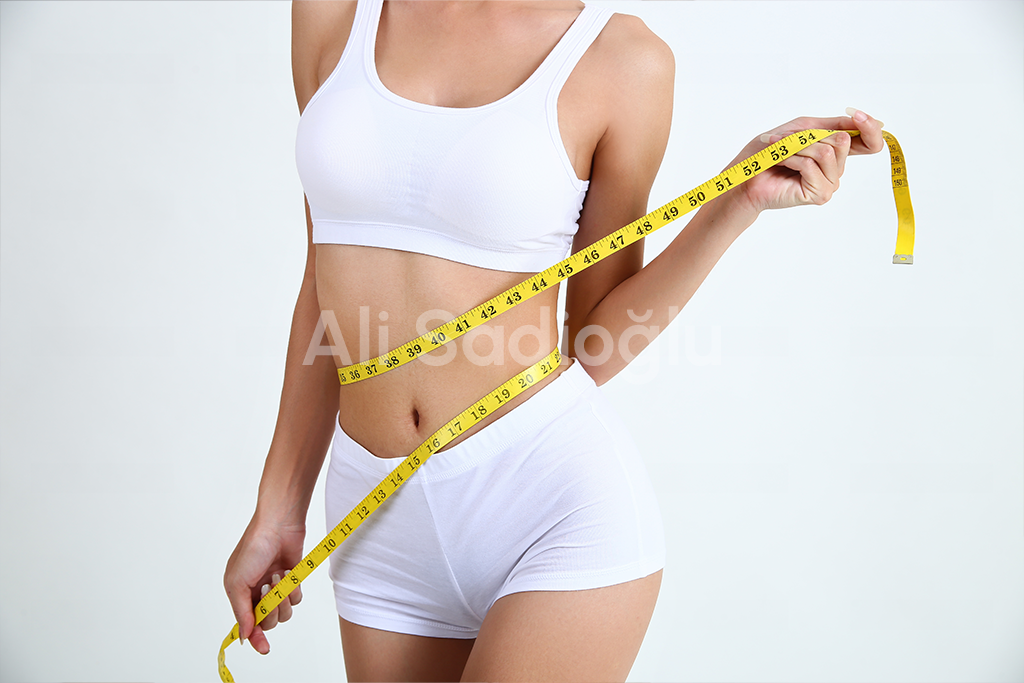
Can Liposuction Remove Stubborn Fat Even If You Are Not Overweight? A person’s weight does not always tell the full story of their body shape. Two individuals may have nearly identical measurements on the scale yet look noticeably different because of where their bodies store fat. Even people with a lean appearance may notice isolated areas of fullness that remain unchanged despite regular exercise and careful eating habits. For some, the concern is a small accumulation of fat below the belly button. Others may notice that their waist lacks definition or that their thighs appear fuller than the rest of their body. These differences are often related to inherited fat distribution patterns rather than an inability to maintain a healthy weight. Liposuction can remove stubborn fat even in people who are not overweight. The procedure is designed to selectively reduce subcutaneous fat deposits, making it possible to reshape particular body regions without pursuing substantial weight loss. However, successful treatment depends on more than identifying an unwanted fat deposit. Skin elasticity, fat thickness, underlying anatomy, and realistic expectations all influence whether liposuction is an appropriate option. Why Can Stubborn Fat Remain Even When You Are Slim? The human body does not distribute fatty tissue according to a person’s aesthetic preferences. Fat storage follows biological patterns influenced by genetics, hormones, and individual anatomy. This explains why some people develop fullness around the hips while others accumulate more fat along the lower abdomen or waist, even when their overall weight remains within a healthy range. Genetic factors influence both the location of fat deposits and the way different body regions respond to weight changes. Someone may lose weight from their face, arms, or upper body while retaining a relatively larger amount of fat around the thighs or flanks. These differences can become especially frustrating for individuals who already maintain a healthy lifestyle. Exercise improves cardiovascular health, supports muscle development, and contributes to overall fat reduction. However, the body does not selectively burn fat from whichever area is being exercised. For example, strengthening abdominal muscles does not guarantee that the fatty tissue covering them will disappear. Localized fat cannot be reliably eliminated through targeted exercises alone. Although total body fat may decrease with consistent physical activity and an appropriate diet, certain regions can remain proportionally fuller than others. Hormonal influences contribute to these patterns as well. Estrogen plays a role in fat storage around the hips and thighs, while changes associated with aging and hormonal balance can influence abdominal fat distribution. As people get older, changes in body composition may also make certain fat deposits more noticeable, even without significant weight gain. Another important consideration is that pursuing additional weight loss does not always improve body proportions. A person who is already slim may lose volume from areas they would prefer to maintain while seeing relatively little change in the region that concerns them. Stubborn fat in a person with normal body weight is not necessarily a sign of excess body fat. It may simply reflect the body’s natural pattern of fat distribution. For individuals who want to address these localized differences, surgical body contouring may offer an alternative to attempting further overall weight reduction. How Does Liposuction Change Body Shape Without Significant Weight Loss? The defining feature of liposuction is its ability to reduce fat in selected anatomical regions rather than attempting to change the body’s overall weight. During the procedure, a surgeon removes a controlled amount of fatty tissue from beneath the skin using a narrow instrument known as a cannula. The cannula is introduced through small incisions and used to extract fat from the planned treatment area. Unlike diet-related weight loss, which primarily reduces the volume of existing fat cells, liposuction physically removes a portion of the fat cells from the treated region. The resulting change can improve the relationship between neighboring body structures. For example, a person may have relatively narrow hips but a less defined waist because of localized fat along the flanks. Reducing this tissue may create a more noticeable waistline without substantially affecting body weight. Similarly, removing a modest amount of fat from beneath the chin may improve the transition between the jaw and neck. In such cases, the amount of tissue removed may be relatively small, yet the change in contour can be visually meaningful. The purpose of liposuction is not maximum fat extraction. It is the selective reshaping of body contours while preserving natural anatomical transitions. Several surgical methods may be used to accomplish this. Traditional suction-assisted liposuction removes fat through controlled cannula movement and suction. Power-assisted techniques use a mechanically vibrating cannula, while ultrasound-assisted approaches use ultrasonic energy to help loosen fatty tissue before removal. The choice of method depends on factors such as the treatment area, tissue characteristics, previous surgery, and the surgeon’s assessment. It is also important to understand that liposuction treats only certain types of fat. Subcutaneous fat, located immediately beneath the skin, can be removed through liposuction. However, visceral fat, which surrounds internal organs inside the abdominal cavity, cannot be extracted using conventional liposuction techniques. Therefore, an abdomen that projects forward because of visceral fat may not respond to liposuction in the same way as an abdomen with a localized layer of superficial fatty tissue. Liposuction also does not correct abdominal muscle separation or remove substantial excess skin. Accurately identifying the anatomical cause of unwanted fullness is essential before deciding whether fat removal can produce the desired improvement. Which Stubborn Fat Areas Can Be Treated with Liposuction? For patients who are not overweight, the most noticeable contour concerns often involve relatively small areas where fat accumulation interrupts otherwise balanced proportions. The lower abdomen is one of the most frequently discussed examples. A person may have a lean upper abdomen but retain a visible pocket of fat beneath the navel. When this fullness comes from subcutaneous fatty tissue, carefully planned liposuction may help create a more continuous abdominal contour. However, the surgeon must distinguish superficial fat from other causes of