Male Tummy Tuck: Growing Demand and Differences from Female Procedures

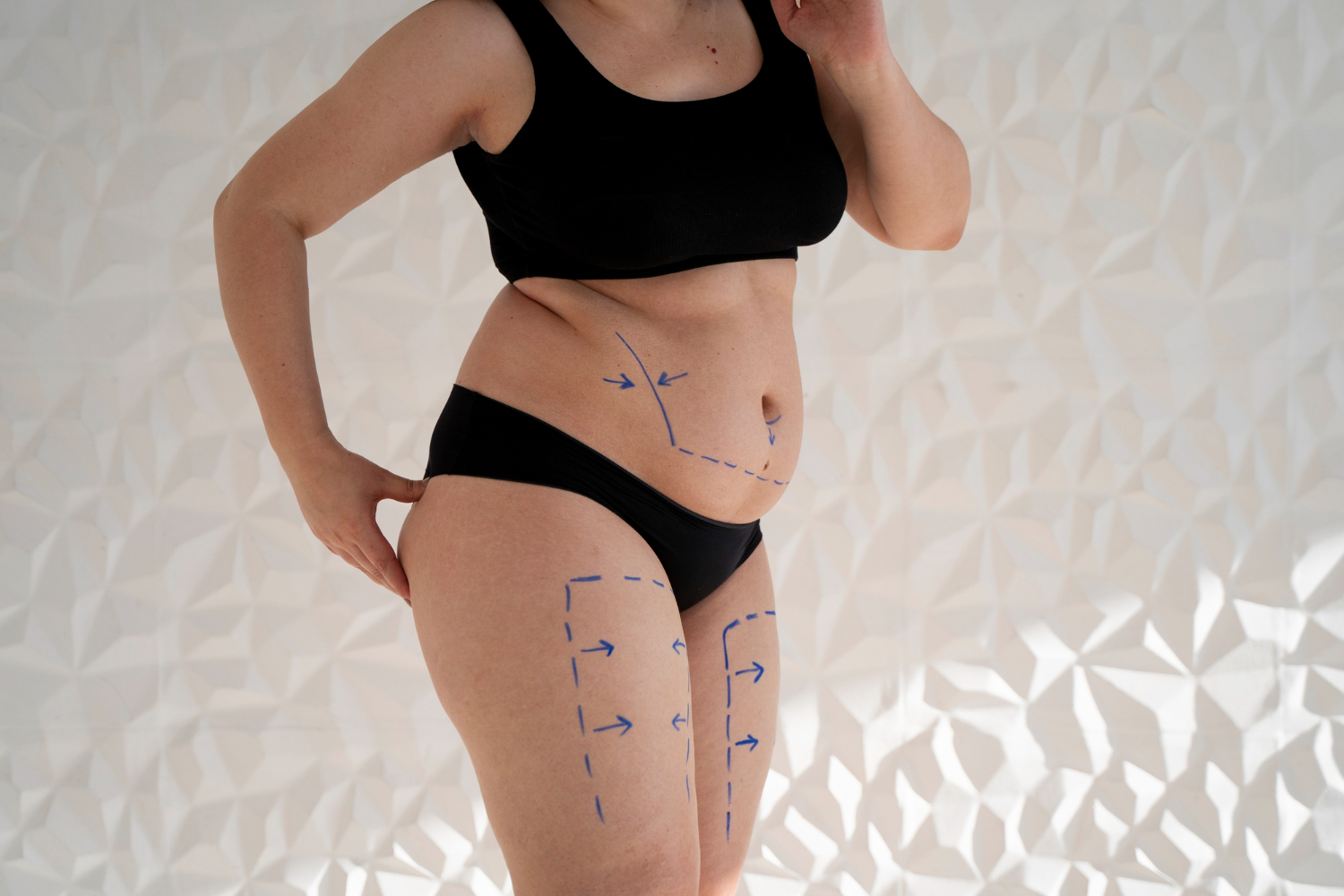
Male Tummy Tuck Procedures In recent years, there’s been a noticeable rise in men seeking body contouring procedures, particularly the male tummy tuck, also known as male abdominoplasty. Traditionally seen as a female-focused surgery, the tummy tuck is now gaining popularity among men who want to achieve a firmer, more defined abdominal area. The growing demand for male tummy tucks is driven by several factors: post-weight loss body reshaping, age-related skin laxity, and the desire for a more athletic midsection. Unlike women, men often pursue this surgery not just to remove excess skin, but to emphasize muscle definition and achieve a flatter, masculine torso. As body contouring for men becomes more mainstream, clinics are adapting to meet the specific needs of male patients—offering tailored surgical plans and highlighting trends in male cosmetic surgery that prioritize natural-looking, masculine outcomes. The Unique Anatomy and Goals of Male Tummy Tucks Compared to Females While the core goals of abdominoplasty—removing excess skin and tightening abdominal muscles—are similar for both sexes, the male vs female abdominoplasty approach differs in technique, anatomy, and aesthetic goals. Men typically have thicker skin, more centralized fat distribution, and a more pronounced rectus abdominis (“six-pack”) muscle structure. These anatomical differences in tummy tucks influence incision placement, skin tension, and the degree of muscle tightening required. In contrast to the hourglass contours often desired by female patients, male body goals focus on a straighter, firmer abdominal profile with sharper definition. Surgeons must use customised cosmetic procedures that respect masculine anatomy while addressing skin laxity or diastasis recti caused by weight fluctuations or aging. Precision in muscle repair and fat removal is critical to maintaining a natural, sculpted male appearance. Key Techniques and Considerations for Male Abdominoplasty Performing a male abdominoplasty requires a distinct surgical approach that respects male anatomy and aesthetic expectations. One of the most critical components is muscle repair, particularly for patients who have experienced weight loss or abdominal wall weakening. Surgeons often focus on reinforcing the rectus abdominis muscles without over-narrowing the waist, to preserve a naturally masculine shape. Incision placement is another key consideration. While female tummy tucks may allow for slightly higher incisions to accommodate hip curves, incision planning in men often involves a lower, more horizontal line that can be easily concealed beneath swimwear or underwear, without feminizing the silhouette. Recovery protocols may also differ. Since men often have denser musculature and thicker abdominal tissues, recovery considerations for males include the potential for more post-op tightness or discomfort. However, with proper post-operative care and realistic expectations, most male patients return to daily activities within a few weeks—often with a noticeable improvement in both appearance and core strength. The Benefits of a Male Tummy Tuck: Beyond Aesthetics While many pursue male abdominoplasty for physical transformation, the benefits go far beyond visual improvement. One of the most immediate rewards is a boost in self-confidence—especially for men who have struggled with loose skin or stubborn fat that diet and exercise alone couldn’t fix. The aesthetic benefits of a male tummy tuck include a firmer, flatter abdomen and enhanced definition, helping patients feel more comfortable in fitted clothing or shirtless in social settings. But the procedure can also offer functional advantages. For example, removing excess skin can reduce skin irritation, improve posture, and support better core strength. For men who have experienced massive weight loss, a tummy tuck can serve as the final step in their transformation—helping align their external appearance with the progress they’ve made internally. Ultimately, functional and emotional benefits work together to create a more confident, active, and fulfilled lifestyle.

Is It Safe to Combine Multiple AestAhetic Surgeries in One Session?

With growing demand for complete aesthetic makeovers and reduced downtime, many patients are now opting to undergo multiple aesthetic surgeries in a single session. Whether it’s pairing liposuction with a tummy tuck or combining a facelift with eyelid surgery, the idea of achieving transformative results in one go is undeniably appealing. But is it truly safe to combine cosmetic procedures? The answer depends on several factors—ranging from patient health and surgeon experience to anesthesia duration and aftercare planning. In this article, we explore the pros, risks, and expert recommendations surrounding multi-procedure surgeries to help you make a well-informed decision. Appeal of Combining Aesthetic Surgeries The desire for dramatic, head-to-toe transformations in a shorter time frame has led many patients to consider combining plastic surgeries in a single session. Procedures like tummy tucks, breast augmentation, and liposuction are frequently performed together as part of a comprehensive makeover. From a practical standpoint, the appeal is clear: fewer anesthetic exposures, reduced overall recovery time, and cost efficiency. In today’s fast-paced lifestyle, minimizing downtime is a major factor. When performed on the right candidate by a skilled surgeon, cosmetic procedures in one session can be both safe and effective. Still, it’s essential to understand the potential risks and plan accordingly. The Pros and Cons of Having Multiple Procedures at Once Combining surgeries comes with a list of compelling advantages. Patients often benefit from recovery time savings, as one recovery period replaces several. There’s also a psychological benefit—achieving multiple aesthetic goals at once can lead to a stronger sense of satisfaction and confidence. However, there are clear risks of multiple procedures, including longer time under anesthesia, increased blood loss, and a heightened risk of complications such as infections, fluid retention, or blood clots. The more surgeries involved, the more complex the post-operative care becomes. Therefore, advantages of combined surgeries must be carefully weighed against potential drawbacks in a one-on-one consultation with your surgeon. Medical Considerations Before proceeding with combined aesthetic surgeries, a comprehensive patient health assessment is critical. Surgeons evaluate cardiovascular health, medical history, and body mass index to ensure that the body can safely withstand the physical stress of a longer surgery. Equally important are the anaesthesia considerations—most surgeons aim to keep total operative time under 6 hours to reduce complication risks. A qualified surgeon experienced in multi-procedure sessions will structure the surgical plan strategically, prioritizing safety above all. How to Choose a Qualified Surgeon for Combined Aesthetic Surgeries Choosing the right surgeon makes all the difference in the success and safety of your procedure. Ensure your surgeon is board-certified, has extensive experience with multi-step surgeries, and offers realistic guidance during the consultation. Surgeons like Ali Sadioğlu, known for his deep experience in combination procedures and natural aesthetic outcomes, tailor surgical plans to individual goals while minimizing risk. Pay close attention to their before-and-after portfolio, read patient reviews, and confirm their understanding of your desired transformation. Consultation tips for combined surgeries include asking about contingency planning, emergency protocols, and follow-up structure. The Role of Post-Operative Care in Ensuring a Safe Recovery Process Recovery doesn’t end in the operating room. In fact, the most critical phase begins after surgery. Proper aftercare in aesthetic surgery ensures healing progresses safely and complications are identified early. Patients undergoing multiple procedures at once may need additional monitoring, physical support, and guidance. According to the World Health Organization (WHO), post-operative care should involve vigilant observation of vital signs, wound integrity, and early mobilization, all of which significantly reduce the risk of complications like surgical site infections. 📎 WHO – Post-Operative Care Protocol Following your surgeon’s instructions, attending follow-up visits, and being honest about symptoms are key elements of a smooth recovery—especially when managing multiple healing areas simultaneously.

Temporal Lift: The Hidden Secret Behind Fox Eyes and Youthful Brows

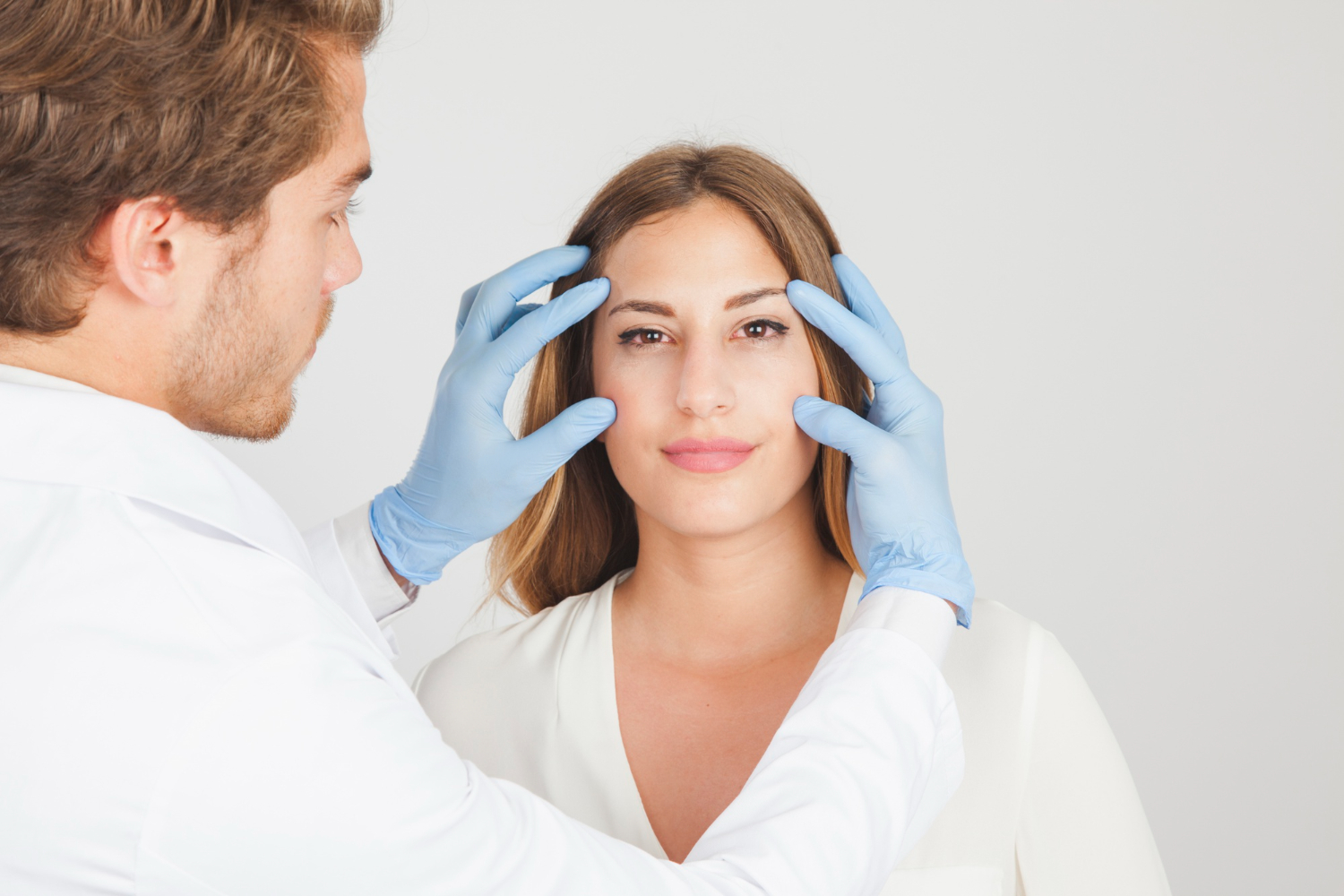
In the evolving world of cosmetic enhancements, subtle procedures that offer noticeable yet natural results are more sought after than ever. One such innovation is the temporal lift—a refined technique that has gained traction for its ability to elevate the outer brows and create the coveted “fox eyes” look, also commonly referred to as “cat eyes.” Unlike conventional brow lift techniques, this refined, minimally invasive method specifically targets the temples and brow tails to create a subtly elevated, refreshed look. With minimal recovery time, it’s ideal for those seeking enhanced facial harmony, a more lifted gaze, or a rejuvenated upper face—all aligned with today’s aesthetic ideals. Temporal Lift Aesthetics The temporal lift—often referred to as the “mini brow lift”—has gained popularity as a subtle yet highly effective way to achieve a more youthful appearance. Unlike traditional brow lifts, this technique focuses on lifting the outer corners of the eyebrows and tightening the temples, which naturally elevates the eyes and smooths the upper face. You can check our “Face Lift: What is it? Benefits and Recovery” article also. A key reason for its recent surge in demand is its link to the cat eyes or fox eyes trend, which emphasizes a slightly elongated, lifted eye shape popularized by celebrities and influencers. The procedure not only enhances the eye area but also contributes to a refreshed, more rested look. In the world of modern aesthetics, the temporal lift has become a go-to solution for those seeking aesthetic enhancements without the dramatic changes associated with more invasive facial surgeries. It offers a harmonious balance between rejuvenation and preserving natural facial expressions. The Science Behind Temporal Lift and How It Works A temporal lift operates on the principle of repositioning and tightening the soft tissues around the temples and outer brows to achieve a more lifted, youthful appearance. It falls under the category of minimally invasive cosmetic procedures, making it a preferred option for individuals seeking subtle facial rejuvenation without extensive downtime. The procedure typically involves small, hidden incisions made within the hairline at the temples. Through these access points, the surgeon uses skin tightening methods to gently elevate the lateral brow and smooth the upper face. In some cases, threads or sutures may be used to support and maintain the lift. As part of a broader approach to facial rejuvenation, temporal lifts help improve symmetry, enhance the eye shape, and reduce the appearance of tired or sagging brows. The technique is not only effective but also safe, with fewer complications compared to more invasive lifting procedures. Benefits of a Temporal Lift The temporal lift offers a range of aesthetic benefits for individuals looking to subtly enhance their facial appearance without undergoing full surgery. One of its most notable effects is the ability to lift sagging brows, creating a refreshed and more awake look by reducing heaviness around the eyes. In addition to improving brow position, the procedure also helps enhance eye shape, particularly for those aiming to achieve the popular “fox eyes” look. This refined elevation of the lateral brow and temple area results in a sleeker, more contoured upper face. Another major advantage is its contribution to a youthful look, as it smooths the outer eye area and lifts the upper face without drastically altering facial identity. With minimal scarring, quick recovery, and long-lasting results, the temporal lift is increasingly recognized as an effective solution for early signs of aging or aesthetic refinement. Comparing Temporal Lift with Traditional Brow Lifts While both the temporal lift and traditional brow lift aim to rejuvenate the upper face, they differ significantly in technique, recovery, and overall intensity. The temporal lift is a less invasive option, targeting the outer one-third of the eyebrows and temples, whereas traditional brow lifts address the entire forehead and brow line through more extensive incisions. From a patient perspective, one of the key differences lies in recovery time. Temporal lifts typically involve less swelling, reduced downtime, and a quicker return to daily activities. In contrast, full brow lifts may require a longer healing period due to the broader surgical area. As innovative beauty treatments become more refined, the temporal lift has emerged as a go-to solution for patients seeking natural, lifted results without the risks or commitment of a full brow lift. It’s ideal for those looking for subtle enhancements or early intervention in the aging process. The Ideal Candidate for a Temporal Lift The ideal candidate for a temporal lift is someone experiencing early signs of aging around the outer brows and temples—such as mild sagging or hooding of the upper eyelids—but who may not yet require a full brow or forehead lift. It’s especially popular among individuals in their late 20s to 40s who want a refreshed, lifted appearance with minimal downtime. Age considerations play a role, but the procedure is more about facial structure, skin elasticity, and personal goals than just age alone. Patients with relatively good skin tone and realistic expectations are typically the best matches for this treatment. The temporal lift is also ideal for those aligned with modern beauty goals, such as achieving a more elongated eye shape or enhancing their natural facial symmetry without undergoing major surgery. During a consultation, a qualified aesthetic surgeon can determine whether this approach fits the patient’s needs and desired outcomes. The Procedure and Aftercare A temporal lift is typically performed under local anesthesia and takes about 30 to 60 minutes, depending on the technique used. During the procedure, the surgeon makes small incisions hidden within the hairline at the temples, then lifts and repositions the tissue to achieve the desired elevation of the outer brows. The surgical process is minimally invasive, which means there’s little to no visible scarring and a relatively short recovery period. Patients can usually return to work and daily activities within a few days, though minor swelling or bruising may occur in the first week. Proper post-procedure care is essential to optimize results. This includes avoiding strenuous activities for several days, sleeping with

High-Definition Liposuction (HD Lipo): Sculpting an Athletic Look

High-Definition Liposuction High-definition liposuction (HD Lipo) represents a significant advancement in body contouring, offering more precise and sculpted results than traditional fat removal techniques. Unlike standard liposuction, which focuses primarily on reducing fat volume, HD Lipo uses precision lipo techniques to define muscles and enhance natural contours—especially in areas like the abdomen, chest, back, and arms. This advanced body sculpting method is designed to highlight the underlying muscular anatomy, creating a toned, athletic look. Among the key HD Lipo benefits are its ability to remove both deep and superficial fat with incredible accuracy, giving patients a more sculpted and balanced appearance. The Advantages of HD Lipo: Why Choose This Innovative Procedure? High-definition liposuction (HD Lipo) offers a range of benefits that set it apart from traditional fat removal methods. One of the most notable advantages is its ability to create a more athletic body contouring effect by precisely sculpting around muscle groups. This results in sharper, more defined lines in the abdomen, chest, and flanks—delivering a look that exercise alone may not achieve. Thanks to its superior fat removal technique, HD Lipo can target stubborn fat deposits with greater control, preserving the natural muscle tone beneath. It also promotes enhanced body definition, making it an ideal choice for individuals who are already fit but want to take their physique to the next level. Additionally, the procedure often yields smoother, more even results with less trauma to surrounding tissues, resulting in quicker recovery and more refined outcomes. For patients seeking aesthetic precision, HD Lipo offers a cutting-edge solution. Who is the Ideal Candidate for High-Definition Liposuction? Not everyone is a candidate for high-definition liposuction, but the procedure is especially suited for individuals who are already close to their ideal body weight and want to enhance their muscle definition. Fitness enthusiasts who maintain a healthy lifestyle yet struggle with localized fat pockets that obscure muscular contours often achieve the best outcomes. Ideal candidates for HD Lipo are those with good skin elasticity, minimal loose skin, and realistic expectations. It’s particularly beneficial for patients aiming to achieve an athletic look—highlighting abs, obliques, or pectoral muscles that are already present but hidden beneath subcutaneous fat. Before undergoing surgery, a surgeon will assess whether the patient’s body composition, goals, and overall health align with the requirements for high-definition liposuction eligibility. The technique is not designed for weight loss but rather for enhancing physique through precision fat sculpting. The HD Lipo Procedure Undergoing high-definition liposuction is a carefully planned process that begins with a comprehensive consultation. Your surgeon will evaluate your goals, body type, and medical history to determine if HD Lipo is the right fit. Once cleared, the procedure is scheduled and a detailed plan is created to map out target areas and desired muscle highlights. During surgery, advanced tools and techniques—including ultrasound-assisted or vibration-based liposuction—are used to selectively remove both deep and superficial fat. This allows the surgeon to sculpt around the natural muscle structure with high precision. The HD Lipo recovery process typically involves mild to moderate swelling and bruising, with most patients continue to light activities generally within a week. Compression garments are worn to support healing and optimize contouring results. Full outcomes usually become visible within a few weeks to a few months as the body turns into its new and amazing shape. The Results of HD Lipo One of the most rewarding aspects of high-definition liposuction is the dramatic yet natural-looking transformation it delivers. Patients often report a significant boost in confidence after seeing their post-surgery transformation, especially as muscle definition becomes more visible and body proportions appear more balanced. Unlike traditional liposuction, HD Lipo focuses on artistic sculpting, not just fat removal. This makes it an ideal choice for those aiming to achieve an athletic look—like defined abs, chiseled arms, or a sculpted back. These results are especially impactful for individuals who already maintain a healthy lifestyle and are simply looking to enhance their natural shape. Most patients see noticeable improvements within weeks, with final HD Lipo results settling in over a few months. With proper diet, exercise, and follow-up care, the sculpted contours achieved through HD Lipo can last for many years. A Closer Look at the Cost of High-Definition Liposuction and Its Long-term Value While high-definition liposuction is more expensive than traditional liposuction, many patients consider it a worthwhile investment due to its superior results and transformative impact. The cost of HD Lipo can vary based on factors like the surgeon’s expertise, geographic location, and the number of treatment areas. Unlike standard procedures, HD Lipo requires advanced equipment, more detailed planning, and a high level of surgical skill. This justifies the higher price point and reflects the long-term value of the results. Patients often find that the confidence, motivation, and aesthetic improvement gained from the procedure far outweigh the upfront costs. When considering the cost-benefit analysis of HD liposuction, it’s important to focus on the quality, safety, and longevity of the results—not just the price tag. In that sense, HD Lipo is more than a cosmetic procedure; it’s an investment in your physique and your self-image.

Is Scarless Rhinoplasty Really Possible? New Techniques Explained

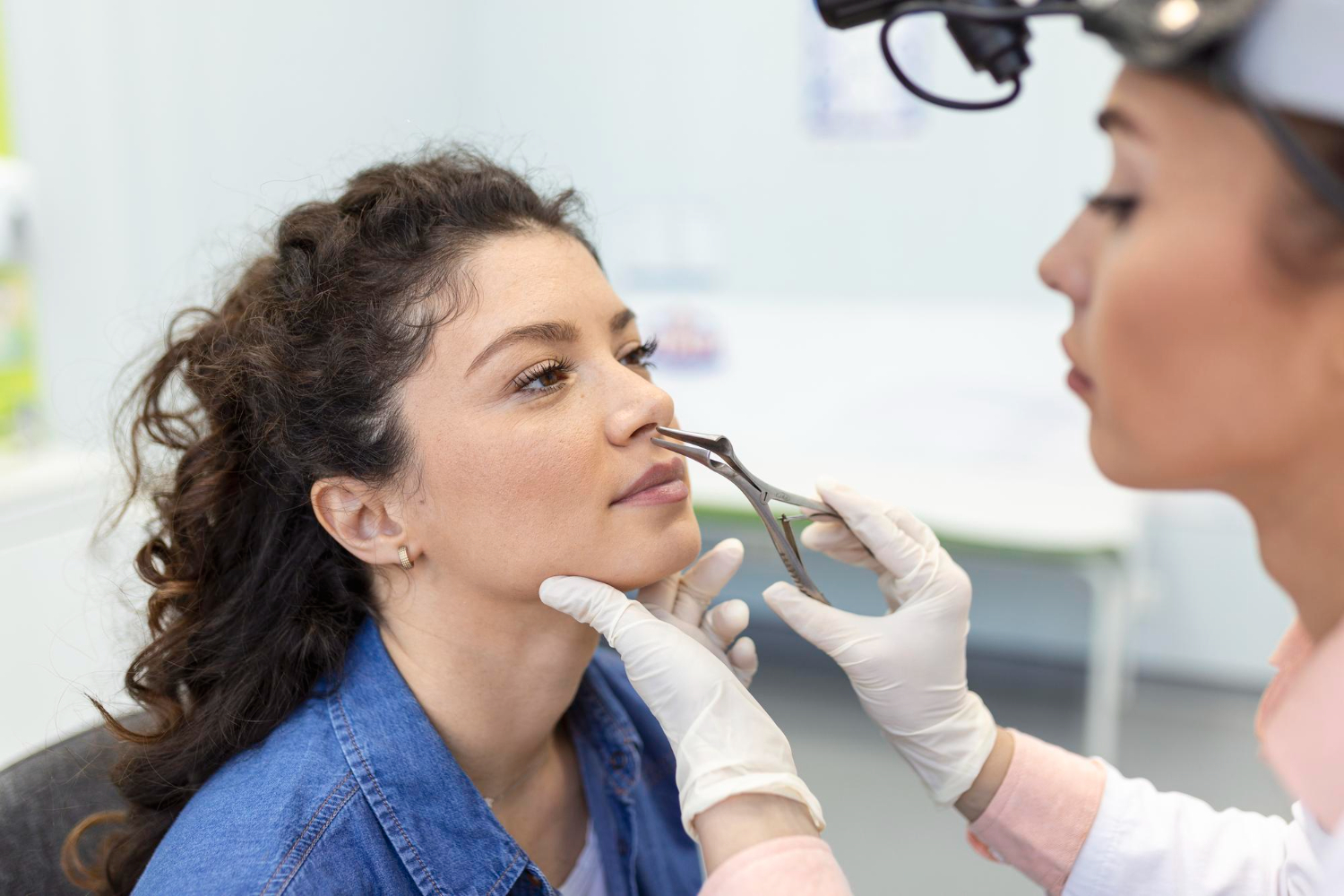
Traditional vs. Scarless Rhinoplasty Rhinoplasty commonly known as a nose job has traditionally involved open surgical techniques, where incisions are made across the columella to reshape the nasal framework. While traditional rhinoplasty remains effective for structural corrections, it can leave visible scars and often requires longer healing times. By contrast, scar-free surgery techniques like minimally invasive rhinoplasty and closed rhinoplasty are gaining popularity. These approaches avoid external incisions, working entirely through the nostrils, which significantly reduces the risk of visible scarring. Patients seeking refined nasal reshaping with quicker recovery and less surgical trauma are increasingly drawn to these modern techniques. The Latest Techniques in Scarless Rhinoplasty Modern advancements in nasal surgery have introduced highly precise, less invasive methods that aim to reshape the nose without leaving visible scars. Among these, endoscopic rhinoplasty allows surgeons to view internal nasal structures using a small camera, enabling enhanced accuracy without the need for external incisions. The closed rhinoplasty technique, another scarless method, involves making all surgical cuts inside the nostrils. This approach minimizes trauma to the soft tissues and typically results in less swelling and a faster recovery. One of the most innovative developments is ultrasonic rhinosculpture, which uses high-frequency vibrations to sculpt bone and cartilage with exceptional precision. This method significantly reduces tissue damage and bruising, contributing to a smoother healing process. As these advanced surgical methods evolve, scarless rhinoplasty is becoming an increasingly viable and appealing option for many patients. The Benefits of Choosing a Scarless Approach Opting for scarless rhinoplasty offers several key advantages for patients seeking subtle yet transformative results. One of the most notable benefits is minimal downtime recovery. Since there are no external incisions, patients often experience less swelling, bruising, and overall discomfort—leading to a faster return to daily life. Additionally, the reduced scarring risks make these techniques especially attractive to individuals concerned about visible surgical marks. The internal approach protects the external nasal skin, preserving the natural aesthetic of the nose. With innovations like ultrasonic tools and endoscopic visualization, surgeons can perform precision surgery with greater control, resulting in more refined nasal contours. These advances often lead to improved aesthetic outcomes that maintain the patient’s unique features while enhancing overall harmony in the face. Who is the Ideal Candidate for Scarless Rhinoplasty? Not everyone is a perfect fit for scarless rhinoplasty. The ideal candidates are individuals with mild to moderate nasal irregularities who desire cosmetic improvement without extensive structural changes. Those with strong internal nasal anatomy and good skin elasticity often see the best results with these less invasive techniques. A thorough cosmetic suitability assessment by an experienced surgeon is essential. Factors such as nasal shape, breathing function, skin thickness, and aesthetic goals all play a role in determining the right approach. Patients looking for subtle refinements—such as narrowing the nasal tip, adjusting asymmetry, or smoothing a small hump—are typically well-suited for scarless options. Ultimately, patient-specific outcomes depend on aligning the individual’s expectations with the capabilities of the selected method. A Note For My Patients Scarless rhinoplasty has redefined what’s possible in nasal aesthetics—offering subtle, natural-looking results without the downside of external scars. While traditional rhinoplasty remains a trusted option for complex structural changes, newer techniques like closed rhinoplasty and ultrasonic rhinosculpture offer promising alternatives for the right candidates. Choosing between traditional and scarless approaches ultimately depends on your anatomy, goals, and expectations. A detailed consultation with a qualified facial plastic surgeon is the key to determining which technique will provide the safest, most satisfying outcome. As technology and surgical precision continue to evolve, the dream of a truly scarless nose job is not only possible—it’s already here.  If you have a question don’t hesitate and contact to Ali Sadioglu Clinic representatives.

Deep Plane Facelift vs. Traditional Facelift: What’s the Real Difference?

Facelift surgery remains one of the most popular procedures in cosmetic medicine for reversing visible signs of aging. Over time, advancements in cosmetic surgery techniques have introduced both traditional and innovative approaches to facial rejuvenation. The traditional facelift method focuses on repositioning skin and superficial tissues to tighten the face and reduce sagging. In contrast, the deep plane facelift procedure works on deeper structural layers, providing more comprehensive and natural-looking results. Both techniques aim to enhance facial contours, restore youthful appearance, and improve skin laxity—each with its own benefits depending on the patient’s needs.   The Deep Plane Facelift: A Revolutionary Approach to Anti-Ageing The deep plane facelift is considered one of the most advanced techniques in modern facial rejuvenation. Unlike traditional facelifts that primarily address the skin and superficial tissue, this method lifts and repositions the deeper layers of the face, including the muscle and fat compartments. One of the key advantages of the deep plane facelift lies in its capacity to produce natural, long-lasting facial rejuvenation by addressing the deeper anatomical structures involved in aging. By carefully mobilizing and repositioning the underlying facial ligaments and tissues, surgeons can achieve noticeable enhancements in critical areas like the midface, jowls, and smile lines—without creating an artificial appearance. As a highly specialized technique, it appeals to patients looking for thorough, balanced facial improvement that maintains their natural expressions. Although it requires greater technical expertise, the deep plane facelift often results in a refined, youthful look that stands the test of time. The Traditional Facelift: Classic Method with Proven Results The traditional facelift, also known as the SMAS facelift, has long been regarded as a reliable and effective solution for facial aging. This method primarily targets the superficial musculoaponeurotic system (SMAS)—a fibrous layer beneath the skin that supports facial structure. By lifting and tightening the SMAS layer, surgeons can smooth out wrinkles, reduce jowling, and redefine the jawline. The advantages of the traditional facelift include its predictability, shorter operation time compared to more advanced methods, and suitability for patients with moderate signs of aging. The standard facelift procedure involves incisions typically made around the hairline and behind the ears, allowing excess skin to be removed and facial contours to be improved. Although it doesn’t reach the deeper facial structures, the traditional facelift remains a time-tested technique with consistently satisfying results for many patients. Which Procedure Offers More Natural Outcomes? Deep Plane or Traditional? When it comes to achieving natural-looking results, the choice between a deep plane and traditional facelift plays a crucial role. The deep plane facelift is often praised for its ability to restore youthful facial contours without creating a “tight” or overdone appearance. By repositioning the deeper facial structures as a unit, this technique preserves facial expressions and soft tissue dynamics. In contrast, while the traditional facelift can significantly improve skin laxity and reduce sagging, its effects may sometimes appear more surface-level, especially in patients with advanced signs of aging. The skin and SMAS are treated separately, which may lead to shorter long-lasting effects compared to deep plane methods. For patients seeking a more youthful appearance that doesn’t look surgically altered, the deep plane facelift typically delivers superior deep vs. traditional outcomes. However, the final results still depend heavily on the surgeon’s expertise and the individual’s facial anatomy. Surgical Considerations and Recovery Times for Each Method While both facelift methods demand a high level of surgical expertise, they vary significantly in terms of procedure complexity, recovery duration, and associated risks. The deep plane facelift involves adjusting the deeper layers of facial tissue, making it a more technically demanding operation. Due to its depth and scope, healing may take longer, but the results are often more stable and lifelike over time. Patients undergoing a deep plane facelift may experience more swelling and bruising in the initial days post-surgery, but with proper post-operative care, most return to normal social activities within two to three weeks. The enhanced results often justify the extended downtime for many. In comparison, the traditional facelift tends to involve a shorter recovery period due to its less invasive nature. Most patients resume regular activities in 10 to 14 days. However, like any surgical procedure, both methods carry potential risks and complications, including hematoma, infection, nerve injury, and scarring. Choosing a qualified plastic surgeon greatly minimizes these risks and ensures safe, predictable healing. Selecting the Right Procedure for Your Needs and Lifestyle Choosing between a deep plane facelift and a traditional facelift involves more than just aesthetics—it requires a clear understanding of your facial structure, aging concerns, downtime tolerance, and personal goals. Each technique offers distinct advantages, and the best choice depends on your unique needs. A personal consultation with a surgeon is essential to evaluate your skin elasticity, degree of sagging, and desired level of rejuvenation. Patients seeking subtle, long-lasting, and natural outcomes may be ideal candidates for the deep plane technique. Meanwhile, those with more localized aging or seeking a quicker recovery may find the traditional facelift to be a better fit. Ultimately, the decision should align with your lifestyle, expectations, and readiness for recovery. A skilled surgeon will guide you toward the most tailored cosmetic solution, ensuring that your results not only enhance your appearance but also feel true to your identity.

Correcting Overdone Rhinoplasty: Surgical Strategies for Secondary Nose Jobs

The Challenges of Overdone Rhinoplasty Rhinoplasty, often referred to as a nose job, can be a transformative procedure for many individuals seeking to enhance their facial harmony. However, when rhinoplasty is overdone, it can lead to a host of challenges that are both physically and emotionally taxing. Recognizing failed nose jobs and understanding the common issues in over-corrected noses are crucial steps for anyone considering this surgery. One of the primary challenges of overdone rhinoplasty is the unnatural appearance it can create. Over-correction often results in noses that appear too small or pinched, disrupting the natural balance of facial features. This not only affects aesthetics but can also impact self-esteem and confidence. Breathing difficulties are another significant issue associated with overdone procedures. Excessive removal of cartilage or bone during surgery can compromise nasal function, leading to chronic breathing problems—a consequence far more troubling than any cosmetic dissatisfaction. Moreover, scar tissue development is a frequent concern in overly aggressive surgeries. This scarring can cause stiffness and irregularities in nasal shape over time, further complicating any future corrective procedures. For those who suspect they might be victims of an unsuccessful rhinoplasty attempt, recognizing these signs early is essential. Consulting with an experienced surgeon who specializes in revision rhinoplasty can help address these issues effectively. Ultimately, while rhinoplasty has the potential to deliver outstanding results when performed judiciously, understanding the risks of over-correction is vital for anyone considering this path. By being informed about these challenges ahead of time, patients can make more confident decisions regarding their surgical options and outcomes. The Importance of Choosing an Experienced Surgeon for Revision Rhinoplasty When it comes to revision rhinoplasty, the stakes are significantly higher than a primary procedure. This is why choosing an experienced surgeon for your nose job correction is of utmost importance. A revision rhinoplasty expert possesses the specialized skills and knowledge required to address the complexities involved in secondary procedures. A secondary rhinoplasty specialist understands that each case presents unique challenges, often involving scar tissue, altered anatomy, and compromised nasal structures. Their expertise allows them to navigate these intricacies with precision and care, ensuring that your desired results are achieved while maintaining func  Ultimately, entrusting your revision rhinoplasty to a seasoned expert can make all the difference in restoring both confidence and satisfaction with your appearance. Don’t settle for anything less—ensure that your choice prioritizes experience and specialization for this critical procedure. Surgical Techniques for Correcting Overdone Rhinoplasties When it comes to addressing the challenges of overdone rhinoplasties, the expertise in surgical strategies for revision rhinoplasty is paramount. Over-reduced noses not only affect aesthetic appeal but can also compromise nasal function. Fortunately, advanced techniques have been developed to fix these issues effectively. One of the primary goals in secondary rhinoplasty is structural support restoration. This involves carefully rebuilding the nasal framework to ensure both form and function are optimized. Surgeons often use cartilage grafts, sourced from the septum, ear, or even ribs, to provide necessary support and volume where needed. In addition to restoring structure, precision reshaping techniques are employed to refine and correct any previous over-reduction. These meticulous adjustments require a deep understanding of nasal anatomy and an artistic eye for symmetry and proportion. Choosing a skilled surgeon with extensive experience in revision procedures is crucial for achieving successful outcomes. With these advanced surgical strategies, patients can look forward to not only improved aesthetics but also enhanced breathing functionality—ultimately leading to greater satisfaction and confidence post-surgery.  

Are Facial Implants Still Relevant? The Role of Cheek and Chin Implants in Modern Aesthetic Surgery

Facial Implants in Today’s Cosmetic Landscape Facial implants have emerged as a transformative option in today’s cosmetic landscape, offering individuals the opportunity to enhance their natural beauty with precision and confidence. Whether you’re considering cheek implants to achieve that coveted high-cheekbone look or chin implants to create a more defined jawline, these aesthetic surgeries are designed to harmonize facial features and boost self-esteem. Unlike temporary cosmetic enhancements, facial implants provide long-lasting results that can dramatically improve facial symmetry and balance. The versatility of these procedures allows for tailored solutions that meet the unique desires of each individual. For those seeking a significant yet subtle transformation, facial implants offer an effective pathway to achieving your aesthetic goals. As part of a comprehensive approach to beauty, they not only enhance one’s appearance but also contribute positively to overall self-image. In choosing aesthetic surgery like cheek or chin implants, you’re investing in a future where you feel empowered by your reflection every day. The Evolution of Facial Implants: How Technology Has Transformed Their Relevance The evolution of facial implants is a testament to the incredible advancements in cosmetic surgery, redefining modern facial aesthetics with precision and innovation. Over the years, facial implant technology has undergone a remarkable transformation, making it more relevant than ever in the quest for beauty and symmetry. Initially, facial implants were limited in scope and often associated with significant risks. However, today’s technological breakthroughs have revolutionized these procedures. These advancements have opened up new possibilities for those seeking to enhance their appearance. Whether it’s correcting asymmetries or augmenting features like the chin or cheeks, contemporary facial implant technology offers tailored solutions that align with each patient’s unique aesthetic goals. The integration of 3D imaging and computer-assisted design further enhances precision, allowing surgeons to plan procedures with unprecedented accuracy. As we continue to witness rapid developments in this field, it’s clear that the relevance of facial implants will only grow stronger. They represent a perfect blend of art and science—an opportunity for individuals to achieve their desired look while maintaining harmony with their natural features. Embracing these innovations means stepping into a future where personal aesthetics can be perfected safely and effectively. The Benefits of Cheek and Chin Implants: Why They Matter More Than Ever In today’s world, where first impressions are often visual, the benefits of cheek and chin implants have become more significant than ever. Cheek augmentation and chin enhancement are not just about altering appearance; they play a crucial role in enhancing facial symmetry—a key element in perceived attractiveness. Cheek augmentation benefits extend beyond mere aesthetics. Well-defined cheeks can add a youthful contour to the face, creating an uplifted look that exudes vitality and confidence. This procedure can also restore volume lost due to aging, helping individuals maintain a refreshed appearance over time. Similarly, chin enhancement offers distinct advantages by providing balance to facial features. A well-proportioned chin can enhance the jawline, giving the face a more structured and harmonious look. This improvement in facial symmetry is not just about beauty standards; it can significantly boost self-esteem and personal confidence. In an era where digital presence matters as much as real-world interactions, investing in cheek and chin implants is more relevant than ever. These procedures offer tangible improvements that align with both personal desires for self-improvement and societal trends towards valuing balanced aesthetics. By choosing these enhancements, individuals are not only embracing their best selves but also stepping forward with renewed assurance in every aspect of life.  

Fat Survival Rate in Fat Grafting Procedures: What Affects Longevity?

What is it and Why is Fat Survival Important? Fat grafting, also known as fat transfer, is a revolutionary technique in cosmetic and reconstructive surgery that involves transferring fat from one part of the body to another. This procedure has gained immense popularity due to its ability to enhance and contour the body naturally. But what truly sets this technique apart is the importance of fat survival and the longevity of fat grafts. Understanding why fat survival is crucial can transform your perspective on this procedure. When fat cells are transferred, their survival rate directly impacts the success of the surgery. High survival rates mean more predictable results, less need for additional procedures, and ultimately, more satisfaction with your appearance. The longevity of these grafts ensures that you enjoy long-lasting benefits without frequent touch-ups. It’s not just about adding volume; it’s about maintaining it in a way that looks natural over time. By prioritizing techniques that enhance fat survival—such as careful handling during transfer and strategic placement—surgeons can significantly improve outcomes. In essence, focusing on fat survival isn’t just a technical detail; it’s at the heart of achieving beautiful, enduring results with fat grafting. So when considering this procedure, understanding its critical role will empower you to make informed decisions for your aesthetic journey. The Science Behind Fat Survival Rates in Grafting Procedures The science behind fat survival rates in grafting procedures is crucial for anyone considering adipose tissue transplantation. The success of these procedures largely hinges on fat cell viability, which refers to the ability of transplanted fat cells to survive and integrate into new tissue environments. Several factors affect the survival rate of fat during these procedures. First, the method of harvesting plays a pivotal role. Techniques that minimize trauma to adipose cells can significantly enhance their viability. Once harvested, how the fat is processed and purified also impacts its survival potential. Proper handling ensures that only healthy cells are selected for transplantation. Moreover, the site of injection is another critical factor. Areas with a rich blood supply tend to support better integration and nourishment of transplanted cells, leading to higher survival rates. These scientific principles, patients can make informed decisions and have realistic expectations about their outcomes in adipose tissue transplantation. With ongoing research and advancements in technique, we continue to improve these procedures’ success rates—making them a reliable option for many seeking reconstructive or cosmetic enhancements. Key Factors Influencing the Longevity of Fat Grafts When considering fat grafting as a cosmetic or reconstructive procedure, understanding the key factors that influence the longevity of fat grafts is crucial for achieving optimal results. One of the primary considerations is the **graft preparation techniques** employed. Proper harvesting and processing of fat cells are essential to ensure their viability and integration into new tissue. Techniques that minimize trauma to the cells during extraction and purification significantly enhance graft survival rates. Equally important are **patient health factors**. The overall health of a patient can greatly impact how well the body accepts and maintains the transplanted fat. Factors such as age, smoking status, circulation issues, and metabolic conditions can affect healing processes and graft retention. Patients in good general health typically experience better outcomes. Another critical component is **post-operative care**. Following your surgeon’s aftercare instructions diligently can make a significant difference in maintaining your results. This includes avoiding pressure on treated areas, adhering to prescribed activity restrictions, and attending follow-up appointments to monitor progress. Lastly, **surgeon expertise** plays an indispensable role in determining success rates for fat grafting procedures. Experienced surgeons possess refined skills in both technique selection and execution, ensuring that each step—from harvesting to placement—is performed with precision. In conclusion, by focusing on these key factors—graft preparation techniques, patient health factors, post-operative care, and surgeon expertise—you can maximize the longevity of your fat grafts and achieve enduring results that enhance both appearance and confidence.  

Ultrasonic vs. Traditional Liposuction: Which Is Safer and More Effective?

What Are Ultrasonic and Traditional Liposuction? When considering cosmetic surgery for fat removal, understanding the differences between ultrasonic and traditional liposuction is crucial. Both techniques offer effective solutions, but they cater to different needs and preferences. Traditional liposuction is a well-established method that involves physically breaking down fat cells using a cannula before suctioning them out. This technique has been trusted for decades due to its reliability and effectiveness in removing larger volumes of fat. It’s particularly beneficial for individuals seeking significant contouring in areas like the abdomen, thighs, or hips. However, it may require more recovery time compared to newer methods. On the other hand, ultrasonic liposuction represents a more advanced approach by utilizing sound wave energy to liquefy fat cells before removal. This method allows for greater precision and can be especially advantageous in treating fibrous areas or targeting smaller pockets of stubborn fat. The ultrasonic technique often results in less bruising and swelling, leading to a quicker recovery period. Both liposuction techniques have their unique benefits and potential drawbacks; thus, choosing between them depends on individual goals and medical advice from qualified professionals. Whether opting for the tried-and-true traditional method or the innovative ultrasonic approach, patients can achieve their desired body contours with confidence through these advanced cosmetic procedures. The Safety Profile of Ultrasonic vs. Traditional Liposuction When considering liposuction, understanding the safety profiles of different techniques is crucial. Traditional liposuction has been around for decades, offering effective fat removal but not without its risks. Complications in traditional liposuction can include bleeding, infection, and prolonged recovery times due to the invasive nature of the procedure. These risks highlight the importance of exploring safer alternatives. Enter ultrasonic liposuction—a modern technique that promises enhanced surgical safety by utilizing sound waves to liquefy fat before removal. This method allows for more precise targeting and less trauma to surrounding tissues, significantly reducing the risk of complications compared to its traditional counterpart. The safety of ultrasonic liposuction is further bolstered by shorter recovery periods and minimized scarring, making it an attractive option for those seeking a safer body contouring experience. In a surgical safety comparison between these two methods, ultrasonic liposuction emerges as a clear winner in terms of reduced risks and improved patient outcomes. By choosing this innovative approach, patients can enjoy peace of mind knowing they are opting for a procedure designed with their well-being at its core. Efficacy Compared: Achieving Your Desired Results with Liposuction When it comes to achieving your desired body shape, understanding the efficacy of different liposuction techniques is crucial. Traditional liposuction has long been a go-to method for those seeking fat reduction, boasting a solid track record of success. This technique involves physically removing fat deposits, leading to immediate and noticeable results in body contouring. Patients often report high satisfaction with the outcomes, citing significant improvements in their silhouette. However, the landscape of cosmetic surgery has evolved with the introduction of ultrasonic liposuction—a technique that uses sound waves to liquefy fat before removal. This advanced method enhances precision and minimizes trauma to surrounding tissues, leading to quicker recovery times and smoother results. The effectiveness of ultrasonic liposuction is particularly notable in areas that are challenging for traditional methods, offering an impressive fat reduction success rate. Comparing these two approaches highlights distinct advantages: while traditional liposuction provides reliable results for larger volumes of fat removal, ultrasonic liposuction shines in its ability to sculpt and refine contours with finesse. Ultimately, both techniques have proven efficacy; choosing between them depends on individual goals and specific body contouring needs. Consulting with a qualified surgeon can help determine which method aligns best with your desired outcomes and ensures you achieve the look you’ve always envisioned.