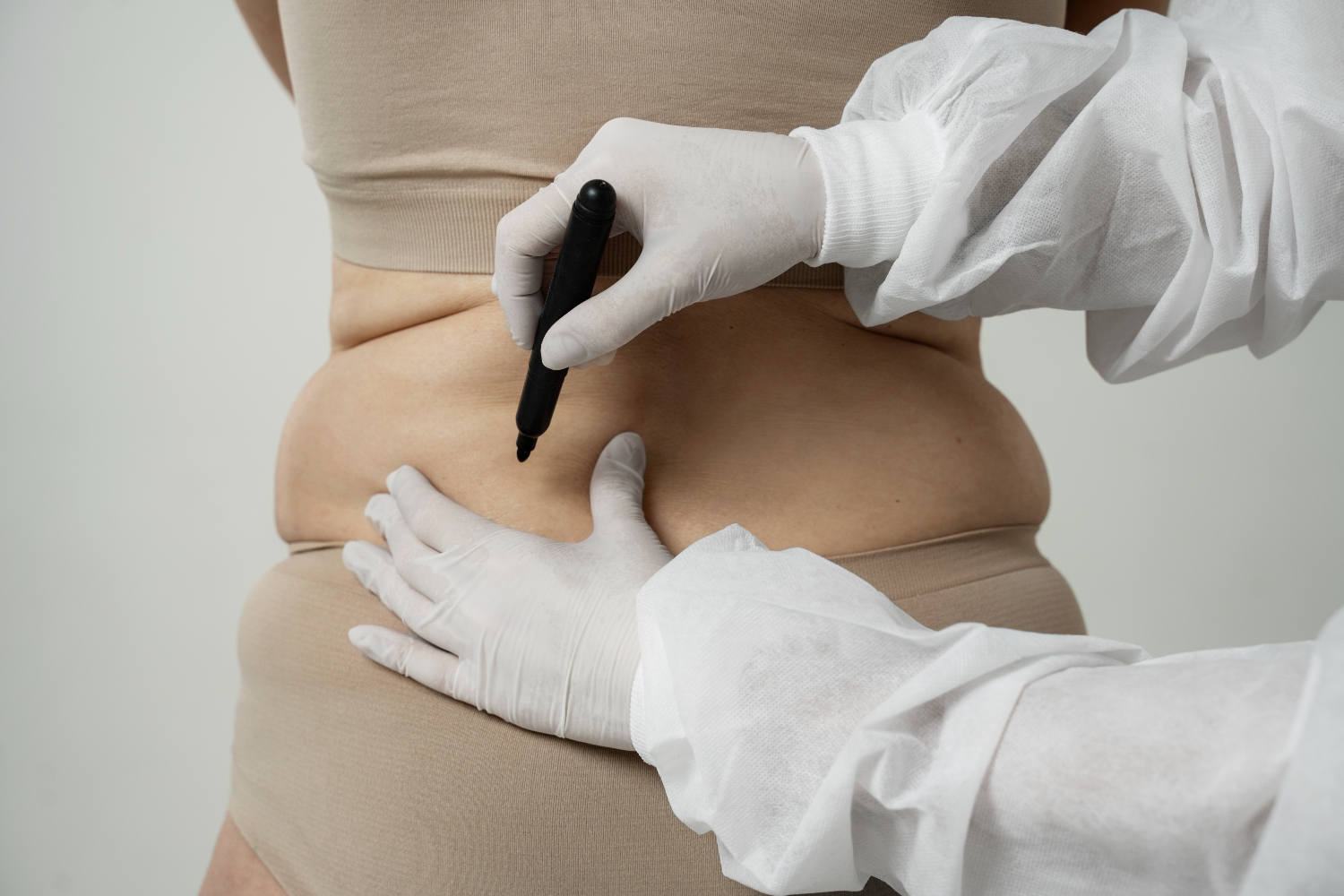
Does Liposuction Help with Cellulite?
Cellulite: What It Is and Why It Occurs Cellulite is a common concern that affects many people, yet it often remains misunderstood. To truly grasp what cellulite is, it’s important to delve into its anatomy. Essentially, cellulite refers to the appearance of skin dimpling and unevenness caused by fat deposits that push against connective tissues under the skin. This creates the characteristic “orange peel” or “cottage cheese” texture that many seek to minimize. Understanding the causes of cellulite can be empowering. It isn’t solely linked to weight; rather, it’s influenced by a combination of factors including genetics, hormones, lifestyle choices, and even age. For instance, hormonal changes can affect fat distribution and blood flow in specific areas like thighs and buttocks—common sites for cellulite development. Moreover, as we age, our skin naturally loses elasticity and collagen production decreases. This makes it easier for fat deposits under the skin to create visible dimples. While some might view cellulite as an unwelcome feature, recognizing its natural occurrence can shift perspectives. By comprehending these underlying causes and acknowledging that nearly everyone experiences some degree of cellulite at some point in their lives, we can approach this topic with greater acceptance and less stigma. Embracing your body’s uniqueness while staying informed about potential treatments or lifestyle adjustments can help you manage its appearance if desired. The Science Behind Liposuction: How It Works Liposuction is not just a cosmetic procedure; it’s a scientifically grounded method that has evolved significantly over the years to offer safe and effective results. At its core, the liposuction process involves the strategic removal of fat deposits from specific areas of the body, leading to improved contour and shape. The science behind this fat removal surgery is both fascinating and precise. During the procedure, small incisions are made in discreet areas through which a thin tube, or cannula, is inserted. This cannula is then used to break up fat cells before they are suctioned out of the body. What sets liposuction apart as an effective body contouring procedure is its ability to target stubborn fat that resists diet and exercise. By understanding the anatomy of fat deposits, surgeons can sculpt a more desirable silhouette tailored to each individual’s unique body type. This scientific approach ensures that patients achieve natural-looking results with minimal risk. In essence, liposuction combines art with science—leveraging medical expertise to deliver transformative outcomes while prioritizing patient safety and satisfaction. Whether you’re looking for subtle refinement or significant change, understanding how this procedure works can help you make an informed decision about your body transformation journey. Liposuction vs. Cellulite: Can This Surgery Really Make a Difference? When it comes to battling cellulite, many people find themselves wondering if liposuction could be the ultimate solution. The truth is, while liposuction is highly effective for removing excess fat and contouring specific areas of the body, its impact on cellulite is not as straightforward. Liposuction for cellulite reduction has been a topic of interest because it targets subcutaneous fat — the layer just beneath the skin where cellulite resides. However, it’s important to understand that cellulite isn’t just about fat; it’s a structural issue involving fibrous bands that pull down on the skin, creating that dimpled appearance. So, does lipo get rid of cellulite? While liposuction can improve body shape by removing localized fat deposits, it doesn’t directly address these fibrous bands responsible for cellulite. That said, some patients do notice an improvement in their skin’s appearance post-surgery due to reduced volume in targeted areas. For those specifically seeking smoother skin free from dimples and bumps, combining liposuction with other treatments designed to target these fibrous structures might be more effective. Techniques such as laser therapy or radiofrequency can complement liposuction by addressing both the fat and connective tissue involved in cellulite formation. Ultimately, while liposuction alone may not completely eliminate cellulite, it can certainly enhance your overall body contour when used as part of a comprehensive treatment plan tailored to your individual needs. Consulting with a qualified cosmetic surgeon will help you explore all available options and determine what approach will best meet your aesthetic goals.