How Does Fat Grafting Work in Facial Rejuvenation?

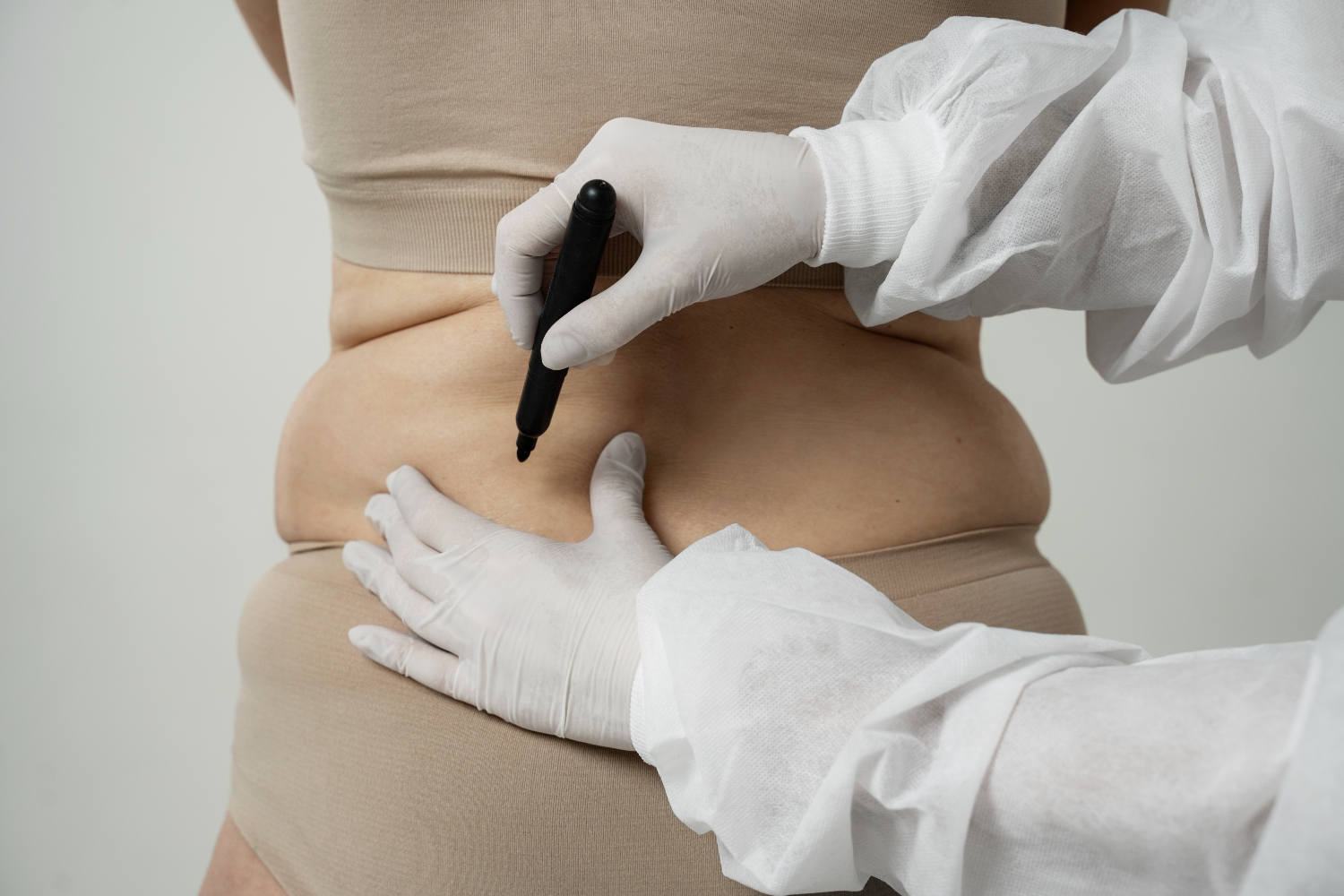
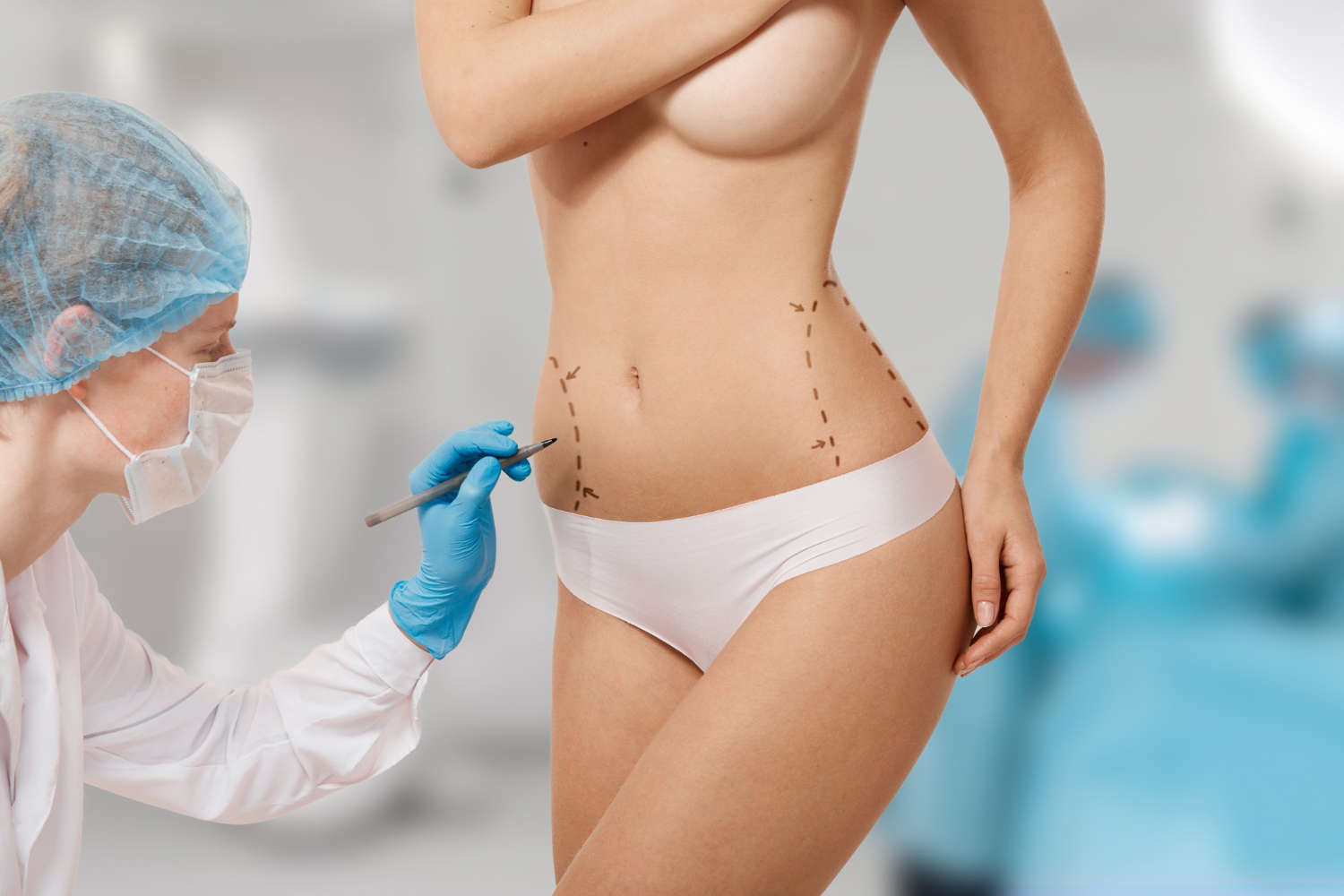
The Fascination with Facial Rejuvenation Techniques In today’s world, the quest for youthful skin has never been more attainable, thanks to the remarkable advancements in facial rejuvenation techniques. These cutting-edge anti-aging treatments offer age-defying solutions that are both effective and accessible, making them a popular choice for those looking to turn back the clock on their appearance. Facial rejuvenation is not just about vanity; it’s about feeling confident and revitalized at any age. With a range of options available—from non-invasive procedures like laser therapy and chemical peels to more advanced treatments such as dermal fillers and micro-needling—individuals can choose the method that best suits their needs and lifestyle. These innovative techniques work by targeting specific areas of concern, stimulating collagen production, reducing fine lines, and restoring elasticity for a naturally youthful glow. The fascination with these treatments lies in their ability to deliver noticeable results without extensive downtime or discomfort. As technology continues to evolve, so do these age-defying solutions, offering even more personalized approaches that cater to diverse skin types and aging concerns. Embrace the possibilities of facial rejuvenation and discover how you can enhance your natural beauty while maintaining a fresh-faced allure that defies time itself. The Basics of Fat Grafting: Understanding the Procedure Fat grafting, also known as autologous fat transfer, is a revolutionary cosmetic procedure that has gained significant attention for its ability to enhance and rejuvenate various areas of the body using your own natural resources. But what exactly is fat grafting, and why should you consider it? At its core, fat grafting involves the transfer of fat from one part of your body to another. This process begins with the careful extraction of excess fat from areas such as the abdomen, thighs, or flanks through liposuction. Once harvested, this fat is meticulously purified and then skillfully injected into targeted areas that require volume enhancement or contour improvement. The beauty of the fat transfer process lies in its dual benefits: not only does it allow for sculpting and slimming down donor sites through liposuction, but it also provides a natural method for augmenting other areas like the face, breasts, or buttocks without introducing foreign substances into your body. This cosmetic procedure offers a more harmonious and natural-looking result compared to synthetic fillers. Since it uses your body’s own tissue, there’s minimal risk of allergic reactions or rejection. Moreover, the results are long-lasting when performed by skilled practitioners. If you’re seeking a way to refresh your appearance while maintaining a natural look and feel, understanding these basics highlights why fat grafting could be an ideal choice for you. Embrace this innovative approach to achieve seamless enhancements that celebrate your unique beauty! The Science Behind Fat Grafting and Its Role in Facial Rejuvenation Fat grafting, also known as fat transfer, is a groundbreaking technique in the realm of facial rejuvenation that offers natural and long-lasting results. But how does fat grafting work? The process begins with the extraction of fat cells from areas of the body where they are abundant, such as the thighs or abdomen. These cells are then meticulously purified before being strategically injected into areas of the face that require volume restoration. One of the key benefits of fat transfer is its dual action: it not only adds volume to sunken or hollow areas but also improves skin quality over time. This enhancement is largely due to stem cells present in the harvested fat. Stem cells have regenerative properties that promote tissue repair and boost collagen production, leading to a more youthful appearance. Unlike synthetic fillers, fat grafting uses your body’s own resources, making it one of the most natural rejuvenation methods available. This minimizes risks associated with allergic reactions or rejection by your body. Moreover, because it’s a natural solution, results tend to be more harmonious with your existing facial features.  

What Is a Preservation Rhinoplasty?

The Basics of Preservation Rhinoplasty But what exactly is preservation rhinoplasty? At its core, it is a surgical method that focuses on conserving the natural structures of the nose while making aesthetic or functional improvements. Unlike traditional rhinoplasty, which often involves removing and reconstructing nasal tissues, preservation rhinoplasty aims to maintain as much of the original anatomy as possible. This innovative technique represents a significant evolution in nasal surgery, prioritizing subtlety and harmony over drastic changes. By preserving key structural elements like the dorsal hump and cartilage framework, surgeons can achieve more natural-looking results that respect the patient’s unique facial features. The benefits are clear: reduced recovery times, minimized risk of complications, and outcomes that blend seamlessly with one’s natural appearance. As more individuals seek cosmetic enhancements that enhance rather than alter their inherent beauty, understanding these modern approaches becomes crucial. Preservation rhinoplasty stands at the forefront of this shift—offering an advanced solution for those desiring both form and function in their nasal surgery experience. The Key Differences Between Traditional and Preservation Rhinoplasty When considering rhinoplasty, understanding the key differences between traditional and preservation rhinoplasty can significantly impact your decision-making process. Traditional rhinoplasty has long been the go-to method for nose reshaping, involving more invasive techniques that often require extensive tissue removal to achieve the desired results. This approach can lead to longer recovery times and a higher risk of complications. In contrast, preservation rhinoplasty represents a modern evolution in nose surgery techniques. It focuses on maintaining as much of the original nasal structure as possible, making it a minimally invasive nasal surgery option. By preserving the natural anatomy of the nose, this technique not only reduces trauma but also enhances healing and leads to more predictable surgical outcomes. The difference in surgical outcomes between these two approaches is quite significant. Preservation rhinoplasty often results in less swelling and bruising post-surgery, allowing for a quicker recovery period and more natural-looking results. For those seeking a refined appearance without altering their unique facial features dramatically, preservation rhinoplasty offers an appealing alternative. Choosing between traditional vs preservation rhinoplasty ultimately depends on individual goals and anatomical considerations. However, with its emphasis on subtlety and conservation of natural structures, preservation rhinoplasty is increasingly becoming the preferred choice for patients seeking effective yet gentle transformations through modern nose surgery techniques. The Benefits of Choosing Preservation Rhinoplasty Over Conventional Methods When considering rhinoplasty, it’s essential to weigh the benefits of preservation rhinoplasty compared to conventional methods. This innovative approach offers several compelling advantages that make it a superior choice for many patients seeking nasal refinement. One of the primary advantages of preservation rhinoplasty is its less invasive nature. Unlike traditional techniques, which often require extensive reshaping and removal of bone and cartilage, preservation rhinoplasty focuses on maintaining the original structures whenever possible. This results in a more natural-looking outcome, as the nose retains its inherent characteristics while achieving the desired aesthetic improvements. Improved recovery time is another significant benefit. Because preservation rhinoplasty involves fewer structural changes, patients typically experience less swelling and bruising post-surgery. This translates to a quicker healing process, allowing individuals to return to their daily lives much sooner than those undergoing conventional procedures. Moreover, by preserving more of the nose’s natural anatomy, this method reduces the risk of complications and ensures long-lasting results that harmonize beautifully with your facial features. For anyone considering nasal surgery, these advantages make preservation rhinoplasty an option worth serious consideration for achieving both aesthetically pleasing and enduring outcomes.  

How Does Age Affect the Results of Rhinoplasty?

Rhinoplasty: What is it and Who Can Benefit? It’s not merely about aesthetics; rhinoplasty can significantly improve one’s quality of life by addressing both cosmetic and functional concerns. A comprehensive rhinoplasty overview reveals that this procedure can correct deviations, refine the nasal tip, or adjust the overall size to achieve facial harmony. But who exactly can benefit from this surgery? Ideal candidates for rhinoplasty include individuals seeking to improve their self-confidence by altering their nose’s shape or size. Additionally, those experiencing breathing difficulties due to structural issues may find relief through functional enhancements during surgery. The benefits of a nose job extend beyond just physical appearance; it can lead to increased self-esteem and comfort in social situations. By choosing rhinoplasty, candidates are investing in both their aesthetic goals and personal well-being. With advancements in surgical techniques ensuring more natural results than ever before, now is an opportune time to consider how this cosmetic surgery could positively impact your life. The Impact of Age on Skin Elasticity and Healing Post-Surgery As we age, our skin undergoes numerous changes that can significantly impact its elasticity and ability to heal, especially after surgery. Understanding these changes is crucial for anyone considering surgical procedures later in life. One of the primary factors affecting skin elasticity with age is the natural decline in collagen and elastin production. As their levels decrease, the skin becomes less resilient, making it more prone to sagging and slower to bounce back after being stretched or cut during surgery. The healing process in older adults can also be markedly different from that in younger individuals. Aging skin tends to have a reduced blood supply, which can slow down the delivery of essential nutrients and oxygen needed for effective wound healing. This often results in longer recovery times compared to younger patients. Additionally, other aging skin factors such as decreased oil production and thinning of the epidermal layer contribute to increased dryness and fragility. These changes not only affect how quickly wounds close but also increase susceptibility to post-surgical complications like infections or scarring. Recognizing these recovery time differences is vital for setting realistic expectations about post-surgery outcomes. Surgeons often adjust their techniques or recommend additional pre- and post-operative care strategies tailored specifically for older adults to optimize healing results. In conclusion, while aging does present challenges regarding skin elasticity and healing post-surgery, being informed about these factors allows individuals to make better decisions about their health care needs as they grow older. With proper planning and expert guidance, successful surgical outcomes are achievable at any age. Rhinoplasty Outcomes in Young vs. Older Patients: What to Expect When considering rhinoplasty, or a “nose job,” it’s essential to understand how age can influence the outcomes of the procedure. The differences between youthful skin and mature skin play a significant role in shaping the results and recovery process. For younger patients, typically those in their late teens to early twenties, the elasticity of youthful skin often leads to smoother, more refined results post-surgery. This is because younger skin tends to adapt more readily to structural changes beneath it. Additionally, young patients usually experience faster healing times due to their body’s robust regenerative capabilities. In contrast, older patients might face different challenges and expectations when it comes to rhinoplasty outcomes. Mature skin may not conform as easily or quickly as youthful skin does. However, this doesn’t mean that older individuals cannot achieve satisfactory results; rather, they should be prepared for a potentially longer recovery period and slightly different aesthetic outcomes. Surgeons often tailor their techniques for age-related rhinoplasty outcomes by considering factors such as skin thickness and elasticity.  

Does Liposuction Help with Cellulite?

Cellulite: What It Is and Why It Occurs Cellulite is a common concern that affects many people, yet it often remains misunderstood. To truly grasp what cellulite is, it’s important to delve into its anatomy. Essentially, cellulite refers to the appearance of skin dimpling and unevenness caused by fat deposits that push against connective tissues under the skin. This creates the characteristic “orange peel” or “cottage cheese” texture that many seek to minimize. Understanding the causes of cellulite can be empowering. It isn’t solely linked to weight; rather, it’s influenced by a combination of factors including genetics, hormones, lifestyle choices, and even age. For instance, hormonal changes can affect fat distribution and blood flow in specific areas like thighs and buttocks—common sites for cellulite development. Moreover, as we age, our skin naturally loses elasticity and collagen production decreases. This makes it easier for fat deposits under the skin to create visible dimples. While some might view cellulite as an unwelcome feature, recognizing its natural occurrence can shift perspectives. By comprehending these underlying causes and acknowledging that nearly everyone experiences some degree of cellulite at some point in their lives, we can approach this topic with greater acceptance and less stigma. Embracing your body’s uniqueness while staying informed about potential treatments or lifestyle adjustments can help you manage its appearance if desired.  The Science Behind Liposuction: How It Works Liposuction is not just a cosmetic procedure; it’s a scientifically grounded method that has evolved significantly over the years to offer safe and effective results. At its core, the liposuction process involves the strategic removal of fat deposits from specific areas of the body, leading to improved contour and shape. The science behind this fat removal surgery is both fascinating and precise. During the procedure, small incisions are made in discreet areas through which a thin tube, or cannula, is inserted. This cannula is then used to break up fat cells before they are suctioned out of the body. What sets liposuction apart as an effective body contouring procedure is its ability to target stubborn fat that resists diet and exercise. By understanding the anatomy of fat deposits, surgeons can sculpt a more desirable silhouette tailored to each individual’s unique body type. This scientific approach ensures that patients achieve natural-looking results with minimal risk. In essence, liposuction combines art with science—leveraging medical expertise to deliver transformative outcomes while prioritizing patient safety and satisfaction. Whether you’re looking for subtle refinement or significant change, understanding how this procedure works can help you make an informed decision about your body transformation journey. Liposuction vs. Cellulite: Can This Surgery Really Make a Difference? When it comes to battling cellulite, many people find themselves wondering if liposuction could be the ultimate solution. The truth is, while liposuction is highly effective for removing excess fat and contouring specific areas of the body, its impact on cellulite is not as straightforward. Liposuction for cellulite reduction has been a topic of interest because it targets subcutaneous fat — the layer just beneath the skin where cellulite resides. However, it’s important to understand that cellulite isn’t just about fat; it’s a structural issue involving fibrous bands that pull down on the skin, creating that dimpled appearance. So, does lipo get rid of cellulite? While liposuction can improve body shape by removing localized fat deposits, it doesn’t directly address these fibrous bands responsible for cellulite. That said, some patients do notice an improvement in their skin’s appearance post-surgery due to reduced volume in targeted areas. For those specifically seeking smoother skin free from dimples and bumps, combining liposuction with other treatments designed to target these fibrous structures might be more effective. Techniques such as laser therapy or radiofrequency can complement liposuction by addressing both the fat and connective tissue involved in cellulite formation. Ultimately, while liposuction alone may not completely eliminate cellulite, it can certainly enhance your overall body contour when used as part of a comprehensive treatment plan tailored to your individual needs. Consulting with a qualified cosmetic surgeon will help you explore all available options and determine what approach will best meet your aesthetic goals.  

How Weight Gain Affects Liposuction Results?

Liposuction: The Basics of the Procedure Liposuction is a transformative cosmetic surgery that has gained popularity for its ability to enhance body contouring by removing stubborn fat deposits. This fat removal surgery targets specific areas of the body, such as the abdomen, thighs, arms, and hips, where diet and exercise might not be enough to achieve desired results. The liposuction procedure involves making small incisions in the targeted area through which a thin tube, or cannula, is inserted. This tool is used to break up and suction out unwanted fat cells, resulting in a more sculpted and defined appearance. One of the key benefits of liposuction is its precision; it allows for targeted fat reduction without affecting surrounding tissues. It’s crucial to understand that liposuction is not a weight-loss solution but rather a method for refining body contours and enhancing one’s natural shape. As with any cosmetic surgery, it’s important to consult with a qualified surgeon who can provide personalized advice based on your unique goals and health profile. Considered safe when performed by an experienced professional, liposuction offers lasting results when combined with a healthy lifestyle post-surgery. By choosing this procedure, individuals can achieve their aesthetic goals with newfound confidence and satisfaction in their appearance. The Impact of Post-Liposuction Weight Gain on Your Body Liposuction is often viewed as a transformative procedure that can help sculpt the body and boost confidence. However, understanding the potential impact of post-liposuction weight gain is crucial for maintaining those desired results. Weight fluctuation after liposuction can lead to unexpected changes in your body, making it essential to remain vigilant about your lifestyle choices. Post-surgery weight gain effects are not just limited to regaining pounds; they can also involve fat redistribution. When you gain weight after liposuction, the fat cells removed during the procedure don’t return, but new fat cells may develop in other areas of your body. This redistribution can alter your body’s proportions and potentially diminish the aesthetic benefits achieved through surgery. Maintaining liposuction results requires a commitment to a healthy lifestyle, including regular exercise and a balanced diet. By keeping these habits at the forefront of your routine, you can help ensure that you enjoy long-lasting results from your procedure. Remember, while liposuction can be a powerful tool for shaping your body, its effectiveness is significantly enhanced by consistent efforts to maintain a stable weight post-surgery. In conclusion, being aware of how post-liposuction weight gain affects your body empowers you to take proactive steps toward preserving its benefits. By prioritizing health and wellness after surgery, you’ll not only protect your investment but also enjoy continued confidence in your appearance. Liposuction vs. Weight Loss: Understanding the Difference When it comes to achieving your ideal body shape, it’s crucial to understand the distinct roles of liposuction and traditional weight loss methods. Many people mistakenly believe that liposuction is a quick fix for weight loss, but this couldn’t be further from the truth. Liposuction is not a weight loss method; rather, it is a body sculpting procedure designed to remove stubborn pockets of fat that resist diet and exercise. Unlike dieting, which focuses on reducing overall body weight through calorie restriction and increased physical activity, liposuction targets specific areas for contouring. This means that while you may see a change in your body’s shape post-procedure, the scale may not reflect significant weight loss. It’s important to have realistic expectations post-liposuction—understanding that this procedure enhances your body’s contours rather than drastically reducing your weight. Ultimately, combining healthy lifestyle choices with procedures like liposuction can lead to optimal results. By recognizing the difference between body sculpting and dieting, you can make informed decisions about how best to achieve and maintain your desired physique. The Science Behind Fat Regeneration and Redistribution Post-Surgery When considering liposuction, it’s crucial to understand the science behind fat regeneration and redistribution post-surgery. Many people mistakenly believe that liposuction is a weight loss method, but in reality, it serves as a body sculpting tool rather than a substitute for dieting. The procedure targets specific areas to remove fat cells and contour the body, but it does not prevent new fat growth in untreated areas. After liposuction, your body undergoes changes in how it distributes fat. While the treated areas may retain their new shape due to the reduction of fat cells, other regions can experience an increase in fat deposition if weight is gained. This is because the total number of fat cells decreases in treated areas, but those remaining can still expand with weight gain. Consequently, understanding these changes is vital for maintaining realistic expectations post-liposuction. To achieve long-lasting results from liposuction, maintaining a healthy lifestyle through balanced nutrition and regular exercise is essential. By doing so, you can manage any potential new fat growth and preserve your newly sculpted figure. Embracing this understanding empowers individuals to approach body sculpting with informed choices that align with their aesthetic goals while acknowledging the natural dynamics of their bodies.  

Can Brazilian Butt Lift Surgery Be Performed Without Fat Transfer?

The Traditional Brazilian Butt Lift: What Does it Involve? The traditional Brazilian Butt Lift (BBL) is a transformative procedure that has gained immense popularity for its ability to enhance and contour the body’s natural curves. But what exactly does this procedure involve? At its core, the Brazilian butt lift procedure combines liposuction and fat grafting to achieve stunning results. During the process, excess fat is carefully extracted from areas of your body such as the abdomen, thighs, or flanks through liposuction. This not only helps sculpt these areas but also provides the necessary material for the next crucial step: fat transfer. The harvested fat undergoes a meticulous purification process before being strategically injected into specific areas of your buttocks. This enhances volume and shape, creating a fuller, more youthful appearance. The beauty of the traditional BBL lies in its dual benefits—simultaneously slimming down problem areas while enhancing others. It’s a natural approach that uses your own body tissue, minimizing risks associated with synthetic implants. With this innovative technique, patients can achieve their desired silhouette with lasting results that truly reflect their unique beauty. The Demand for Non-Fat Transfer Buttock Enhancements In recent years, the demand for non-fat transfer buttock enhancements has seen a significant uptick. As individuals seek ways to enhance their physique without undergoing invasive procedures like the Brazilian Butt Lift (BBL), alternatives to BBL have become increasingly popular. These non-surgical options provide a safer and less daunting path to achieving desired results. Among the most sought-after alternatives are non-surgical butt lift options, which use innovative technologies such as radiofrequency, ultrasound, and injectable fillers. These methods offer a way to lift and shape the buttocks without the need for surgery or recovery downtime. They cater to those who want subtle enhancements or are not ideal candidates for traditional fat transfer due to insufficient body fat or other health considerations. Choosing butt enhancement without fat transfer allows individuals more control over their aesthetic goals with fewer risks involved. As these techniques continue to evolve, they offer compelling solutions that align with modern lifestyles—providing effective results while maintaining safety and convenience at their core. Exploring Non-Fat Transfer Techniques: Implants and Other Methods When it comes to enhancing the shape and size of your buttocks, there are several options beyond the traditional Brazilian Butt Lift (BBL). For those who prefer not to undergo fat transfer procedures, non-fat transfer techniques like implants and fillers offer compelling alternatives. Silicone butt implants have long been a popular choice for individuals seeking a more defined silhouette. Unlike BBL, which requires sufficient body fat for transfer, silicone implants provide consistent results regardless of your body composition. These implants are designed to mimic the natural feel and appearance of muscle tissue, offering a durable solution for those desiring significant augmentation. For those interested in less invasive methods, filler injections for buttocks present an attractive option. These dermal fillers can enhance volume and contour with minimal downtime compared to surgical procedures. Although the results may not be as dramatic as with implants or BBL, fillers allow for gradual enhancement that can be customized over time. Non-invasive methods continue to evolve, offering promising advancements in body contouring without surgery. Technologies such as radiofrequency treatments and ultrasound therapy aim to tighten and lift the skin while promoting collagen production. While these methods may require multiple sessions for optimal results, they cater to individuals seeking subtle improvements without undergoing major surgery. In conclusion, whether you’re considering silicone butt implants or exploring newer non-invasive techniques like filler injections or radiofrequency treatments, it’s essential to weigh the benefits against your personal goals and lifestyle preferences. Consulting with a qualified cosmetic professional will ensure you choose the method that best aligns with your desired outcome while maintaining safety and efficacy at the forefront of your decision-making process. The Pros and Cons of Non-Fat Transfer Buttock Enhancement Techniques When considering buttock enhancement, it’s crucial to weigh the pros and cons of non-fat transfer techniques. One popular option is the use of implants, which offers distinct advantages over fat transfer. The primary benefit of implants is their ability to provide a more predictable and uniform shape, as they are designed to create a consistent volume that isn’t dependent on the availability or quality of your own fat. This can be particularly appealing for individuals with insufficient body fat for traditional fat transfer procedures. However, non-surgical procedures also come with their set of risks that must be carefully considered. While these methods generally promise less downtime and fewer immediate complications compared to surgical options, they may involve potential side effects such as skin irregularities or allergic reactions to fillers. Moreover, these techniques might require multiple sessions to achieve desired results, which could increase both time and financial investment. When comparing long-term results, implants tend to offer more permanent outcomes compared to some non-surgical enhancements that may necessitate regular maintenance treatments. It’s important for individuals seeking buttock enhancement to consult with a qualified professional who can guide them through these options based on personal goals and health considerations. Ultimately, understanding both the benefits and risks will empower you to make an informed decision that aligns with your aesthetic aspirations.  

How to Maintain the Results of Your Tummy Tuck Surgery in the Long Term?

The Importance of Post-Surgery Care for Long-Lasting Tummy Tuck Results When it comes to achieving long-lasting tummy tuck results, post-surgery care is just as crucial as the procedure itself. A successful abdominoplasty doesn’t end when you leave the operating room; rather, it marks the beginning of a vital recovery process that can significantly impact your long-term success. Proper post-surgery care is paramount in maintaining and enhancing the outcomes of your tummy tuck. This includes following your surgeon’s instructions meticulously, which often involve managing swelling and discomfort through prescribed medications, wearing compression garments to support healing tissues, and attending follow-up appointments for professional monitoring. Equally important is adopting a healthy lifestyle that supports abdominoplasty maintenance. Incorporating balanced nutrition and regular exercise into your routine can help preserve the sculpted appearance achieved through surgery. Avoiding significant weight fluctuations is also essential to prevent stretching or loosening of tightened abdominal muscles. By committing to diligent post-surgery care and lifestyle adjustments, you not only safeguard your investment but also ensure that you enjoy the benefits of your tummy tuck for years to come. Remember, achieving optimal results requires dedication beyond the operating table—it’s about nurturing your body every step of the way. Commit to a Balanced Diet: Fuel Your Body the Right Way Committing to a balanced diet is crucial, especially when you’re on the path to recovery after a tummy tuck. Not only does it aid in healing, but it also sets the foundation for long-term weight management and overall well-being. Embracing healthy eating after your surgery can significantly impact your recovery process and help maintain the results you’ve worked hard to achieve. A well-planned diet plan post-tummy tuck is more than just about calorie counting; it’s about nourishing your body with the right nutrients. Focus on incorporating lean proteins, whole grains, fresh fruits, and vegetables into your meals. These foods provide essential vitamins and minerals that support tissue repair and boost your immune system. Balanced diet tips include staying hydrated and avoiding processed foods that can lead to inflammation or bloating. Remember, nutrition for surgery recovery isn’t just a temporary phase—it’s a lifestyle choice that will sustain you well beyond your healing period. By prioritizing these dietary changes now, you’re not only enhancing your body’s ability to recover but also establishing habits that will contribute to lasting health benefits. Fueling your body the right way is an investment in yourself—one that promises vitality and confidence as you move forward with renewed vigor. Exercise Regularly: Keeping Fit Without Overexertion After undergoing a tummy tuck, it’s crucial to ease back into your fitness routine with care and precision. Exercising regularly post-tummy tuck doesn’t just help maintain muscle tone; it also aids in a smoother recovery and enhances the results of your surgery. The key is to engage in safe workouts that respect your body’s healing process. Initially, focus on gentle movements such as walking or light stretching. These activities promote circulation without putting undue stress on the surgical area. As you progress, gradually incorporate low-impact exercises like cycling or swimming to build endurance while still being kind to your body. Your fitness routine after surgery should prioritize core stability and muscle maintenance without risking overexertion. Consider working with a physical therapist or certified trainer who can tailor exercises specifically for you, ensuring they are both safe and effective following abdominoplasty. Remember, patience is essential. By committing to regular but mindful exercise, you’ll not only maintain muscle tone but also support your overall well-being as you transition back into more vigorous activities over time.