
- moderator10
- 0 Comments
What Is Natural-Looking Breast Augmentation?
Natural-looking breast augmentation focuses on enhancing breast volume while preserving body proportions and aesthetic balance. The objective is not simply to increase cup size, but to achieve harmony between the breasts and the patient’s shoulders, chest width, waistline, and overall silhouette.
In previous years, larger and more noticeable implants were often requested. Today, aesthetic preferences are shifting toward subtle, refined results. A natural approach prioritizes soft transitions, balanced upper pole fullness, and a shape that complements the patient’s anatomy rather than overpowering it.
Implant selection plays a critical role in achieving this outcome. Beyond volume, factors such as implant profile, base width, projection, and placement technique significantly influence the final appearance. Whether the implant is positioned above or below the muscle, careful evaluation of skin quality and existing breast tissue is essential.
Ultimately, natural breast augmentation is about proportion, not exaggeration. The goal is to create enhancement that blends seamlessly with facial and body features, resulting in a confident yet understated look.
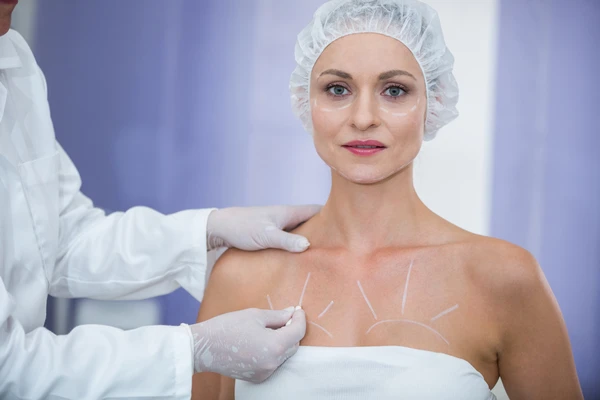
Why Are Smaller Implants Becoming More Popular?
In recent years, aesthetic trends have clearly evolved. Instead of dramatic enlargement, patients increasingly seek balanced and proportionate enhancement. This cultural shift has led to growing interest in smaller breast implants.
One major reason behind this preference is authenticity. With the rise of unfiltered social media aesthetics and body-positive messaging, patients are leaning toward results that appear effortless and natural. Rather than standing out for size alone, many women prefer refined fullness that suits their frame.
Long-term comfort and health considerations also influence decision-making. Smaller implants place less weight on breast tissue, potentially reducing the risk of premature sagging over time. This is particularly important for younger patients who want durable, stable results for many years.
For women with active lifestyles, including those who exercise regularly, smaller implants can offer greater physical comfort. Reduced bulk allows for easier movement without compromising aesthetic goals.
This evolution reflects a growing desire for “naturally enhanced” results rather than dramatic transformation.
The New Aesthetic Philosophy: Proportion Over Volume
By 2026, breast augmentation is increasingly defined by proportional balance rather than size alone. The focus has shifted toward achieving a silhouette that feels cohesive and harmonious.
Modern surgical planning emphasizes the relationship between breast volume and body structure. Factors such as shoulder width, rib cage dimensions, height, and waist-to-hip ratio are carefully analyzed before selecting implant size. The aim is integration, not exaggeration.
Another defining feature of this approach is the avoidance of excessive upper pole fullness. Instead of a rounded, highly projected look, many patients prefer a softer contour with a gentle slope that mirrors natural anatomy.
Patients today are less likely to request “bigger” and more likely to request “better suited.” Subtle refinement that enhances femininity without overwhelming body proportions defines the current direction of aesthetic surgery.
How Implant Size Influences Long-Term Results
Implant size has a direct impact not only on the initial outcome but also on how the breasts age over time. Larger implants may deliver dramatic fullness at first, but the additional weight can contribute to tissue stretching and sagging as years pass, particularly in patients with limited skin elasticity.
Smaller and moderate-sized implants tend to exert less stress on surrounding tissues. This can support longer-lasting contour stability and reduce the likelihood of future revision procedures. However, implant size is only one part of the equation.
Long-term results are also shaped by placement technique, skin quality, existing breast tissue, and lifestyle factors. Weight fluctuations, pregnancy, hormonal changes, and exercise habits all influence breast appearance over time.
When planning natural-looking breast augmentation, surgeons must consider not only how the breasts will look immediately after surgery, but how they will evolve over the next decade. Sustainable aesthetic planning is central to modern trends.
Who Is an Ideal Candidate for Smaller Implants?
Smaller breast implants are often ideal for patients seeking subtle enhancement and proportional balance. Women who already have some natural breast tissue but desire improved fullness without dramatic enlargement frequently benefit from this option.
Patients with narrow chest frames or petite body structures may find that larger implants appear disproportionate. In such cases, smaller implants help maintain anatomical harmony and prevent an artificial look.
Active individuals who prioritize comfort during physical activity may also prefer moderate sizing. Reduced implant weight can support both aesthetic goals and lifestyle flexibility.
Additionally, women who are planning future pregnancies or who want long-term structural stability may choose smaller implants to minimize tissue strain over time.
Ultimately, implant size should always be tailored to the individual’s anatomy, skin characteristics, and expectations.
Will Smaller Implants Continue to Be a Trend in 2026?
While aesthetic trends naturally evolve, the movement toward natural, proportion-driven results appears sustainable. In 2026, understated enhancement and anatomical harmony are expected to remain central principles in breast augmentation.
Cultural shifts toward authenticity and subtle refinement continue to influence patient preferences. Rather than seeking dramatic transformation, many women now prioritize balanced silhouettes and long-term satisfaction.
Increased awareness of longevity, comfort, and tissue preservation further supports the preference for smaller and moderate-sized implants. Patients are making more informed decisions, considering how their results will look not just months after surgery, but years later.
Although trends provide guidance, individualized planning remains the most important factor. The best implant choice is the one that aligns with body proportions, lifestyle, and personal aesthetic vision. Natural-looking breast augmentation is not simply a trend for 2026; it reflects a broader evolution in aesthetic values.