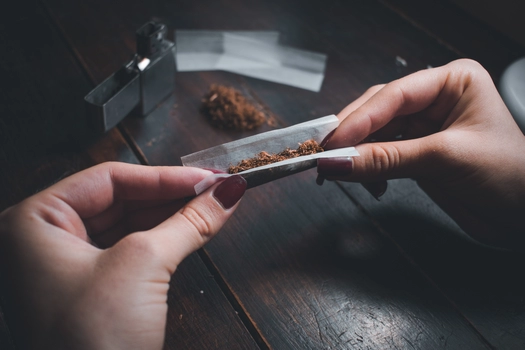
The Hidden Risks of Smoking in Surgical Recovery
When preparing for plastic surgery, one often focuses on the desired results—tighter skin, improved contours, enhanced confidence. However, an often overlooked but critically important factor is the effect of smoking on post-surgical healing. The combination of smoking and surgery introduces a range of complications that can compromise both aesthetic outcomes and patient safety.
Nicotine and other chemicals found in cigarettes alter the body’s physiological response to trauma by narrowing the blood vessels and interfering with circulation. This reduction in tissue perfusion directly affects how wounds heal, increasing the likelihood of infections, tissue necrosis, and delayed recovery.
Oxygen is a vital component in every phase of the healing process—from inflammation to tissue regeneration. When oxygen delivery is compromised by smoking, the body’s ability to fight infection and close surgical wounds efficiently becomes impaired. These factors not only increase the risk of surgical failure but may also prolong downtime and reduce satisfaction with the final outcome.
Furthermore, multiple studies have shown that individuals who smoke are significantly more prone to post-operative complications compared to non-smokers. These include poor incision healing, irregular scarring, and in some cases, elevated risks of anesthesia-related or cardiovascular issues. Choosing to stop smoking before surgery is one of the most impactful steps a patient can take toward optimizing both safety and results. Even a few weeks of cessation can improve vascular function, enhance oxygenation, and reduce the incidence of complications during recovery. Adopting a smoke-free lifestyle before surgery lays the groundwork for long-term wellbeing and more predictable surgical success.
Risks Associated with Smoking Before and After Plastic Surgery
While aesthetic procedures are primarily sought for their ability to improve physical appearance, their success is closely linked to internal healing processes. Smoking before or after plastic surgery can severely compromise these processes and create avoidable risks that may require further medical intervention.
One of the primary issues is the narrowing of blood vessels caused by toxic substances in cigarette smoke, which hinders optimal blood flow and deprives healing tissues of essential oxygen and nutrients. As a result, wounds may take longer to close, become more prone to infection, or heal unevenly.
Moreover, smokers often experience longer and more complicated recovery periods. Impaired circulation slows tissue regeneration and increases the likelihood of wound dehiscence (reopening of incisions), necrosis, and skin discoloration. In the context of aesthetic surgery—where precision and visual results matter—these complications can be especially distressing.
Scarring is another major concern. When oxygen supply is disrupted, the collagen remodeling process becomes inconsistent, resulting in hypertrophic or widened scars. This can significantly impact the aesthetic value of the surgery and may require future corrective procedures.
Given these risks, refraining from smoking both before and after the operation is not just a recommendation—it’s a critical component of a successful surgical plan.
Recommendations for Patients Who Smoke: How to Improve Your Recovery Prospects
While the risks are real, patients who smoke still have the opportunity to take proactive steps to improve their healing outcomes. The most effective strategy is to stop smoking well in advance of your scheduled procedure—ideally at least four weeks prior. This allows the body time to restore healthier circulation and improve oxygen delivery to healing tissues.
Several quitting aids can be considered in the weeks leading up to surgery. Nicotine replacement therapies such as patches, lozenges, or gum can help reduce cravings and ease withdrawal symptoms. Consulting with a healthcare professional for a personalized cessation plan can increase success rates and make the process more manageable.
Beyond smoking cessation itself, patients are encouraged to support their recovery through holistic practices. Light physical activity, when appropriate, can improve lung and cardiovascular health, while practices like deep breathing exercises, meditation, and yoga may aid both relaxation and systemic healing. Staying well-nourished and hydrated also plays a key role in supporting tissue repair and immune function during recovery.
Ultimately, the choice to quit smoking before undergoing surgery is not just a short-term decision—it’s a step toward a healthier, more resilient body capable of healing efficiently and achieving the best possible outcome.