- moderator10
- 0 Comments
Can Liposuction Remove Stubborn Fat Even If You Are Not Overweight?
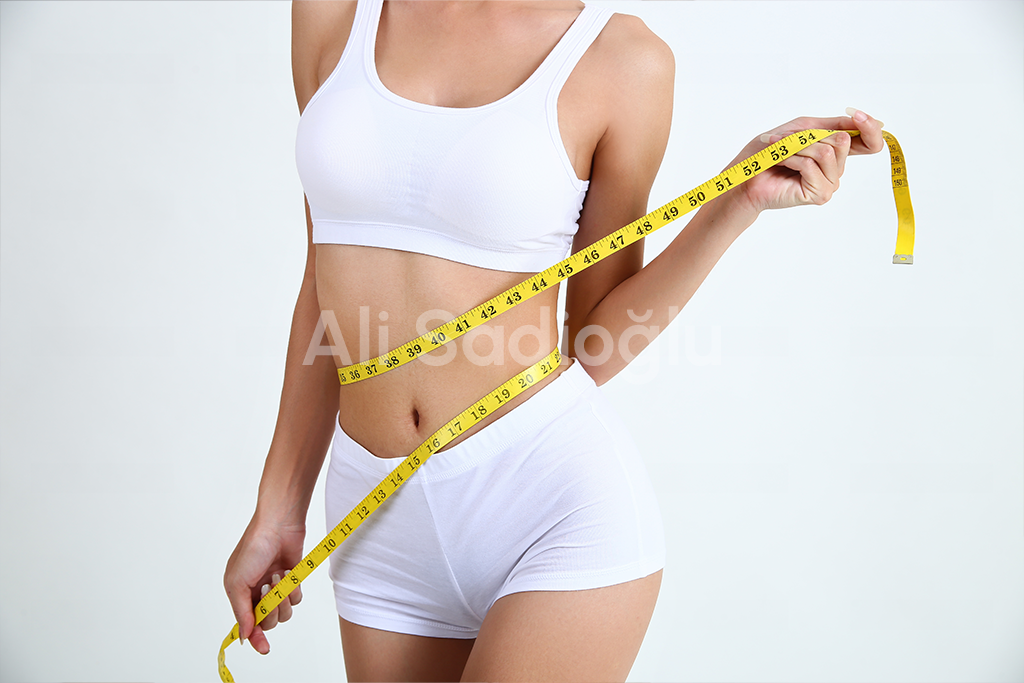
A person’s weight does not always tell the full story of their body shape. Two individuals may have nearly identical measurements on the scale yet look noticeably different because of where their bodies store fat. Even people with a lean appearance may notice isolated areas of fullness that remain unchanged despite regular exercise and careful eating habits.
For some, the concern is a small accumulation of fat below the belly button. Others may notice that their waist lacks definition or that their thighs appear fuller than the rest of their body. These differences are often related to inherited fat distribution patterns rather than an inability to maintain a healthy weight.
Liposuction can remove stubborn fat even in people who are not overweight. The procedure is designed to selectively reduce subcutaneous fat deposits, making it possible to reshape particular body regions without pursuing substantial weight loss.
However, successful treatment depends on more than identifying an unwanted fat deposit. Skin elasticity, fat thickness, underlying anatomy, and realistic expectations all influence whether liposuction is an appropriate option.
Why Can Stubborn Fat Remain Even When You Are Slim?
The human body does not distribute fatty tissue according to a person’s aesthetic preferences. Fat storage follows biological patterns influenced by genetics, hormones, and individual anatomy.
This explains why some people develop fullness around the hips while others accumulate more fat along the lower abdomen or waist, even when their overall weight remains within a healthy range.
Genetic factors influence both the location of fat deposits and the way different body regions respond to weight changes. Someone may lose weight from their face, arms, or upper body while retaining a relatively larger amount of fat around the thighs or flanks.
These differences can become especially frustrating for individuals who already maintain a healthy lifestyle.
Exercise improves cardiovascular health, supports muscle development, and contributes to overall fat reduction. However, the body does not selectively burn fat from whichever area is being exercised.
For example, strengthening abdominal muscles does not guarantee that the fatty tissue covering them will disappear.
Localized fat cannot be reliably eliminated through targeted exercises alone. Although total body fat may decrease with consistent physical activity and an appropriate diet, certain regions can remain proportionally fuller than others.
Hormonal influences contribute to these patterns as well.
Estrogen plays a role in fat storage around the hips and thighs, while changes associated with aging and hormonal balance can influence abdominal fat distribution.
As people get older, changes in body composition may also make certain fat deposits more noticeable, even without significant weight gain.
Another important consideration is that pursuing additional weight loss does not always improve body proportions.
A person who is already slim may lose volume from areas they would prefer to maintain while seeing relatively little change in the region that concerns them.
Stubborn fat in a person with normal body weight is not necessarily a sign of excess body fat. It may simply reflect the body’s natural pattern of fat distribution.
For individuals who want to address these localized differences, surgical body contouring may offer an alternative to attempting further overall weight reduction.
How Does Liposuction Change Body Shape Without Significant Weight Loss?
The defining feature of liposuction is its ability to reduce fat in selected anatomical regions rather than attempting to change the body’s overall weight.
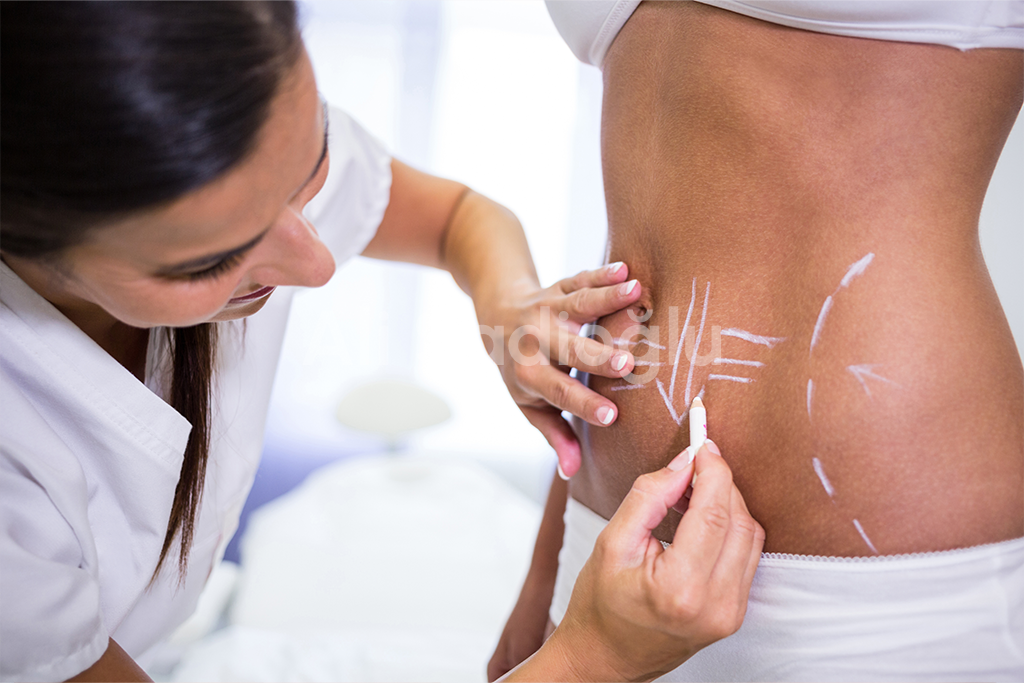
During the procedure, a surgeon removes a controlled amount of fatty tissue from beneath the skin using a narrow instrument known as a cannula.
The cannula is introduced through small incisions and used to extract fat from the planned treatment area.
Unlike diet-related weight loss, which primarily reduces the volume of existing fat cells, liposuction physically removes a portion of the fat cells from the treated region.
The resulting change can improve the relationship between neighboring body structures.
For example, a person may have relatively narrow hips but a less defined waist because of localized fat along the flanks. Reducing this tissue may create a more noticeable waistline without substantially affecting body weight.
Similarly, removing a modest amount of fat from beneath the chin may improve the transition between the jaw and neck.
In such cases, the amount of tissue removed may be relatively small, yet the change in contour can be visually meaningful.
The purpose of liposuction is not maximum fat extraction. It is the selective reshaping of body contours while preserving natural anatomical transitions.
Several surgical methods may be used to accomplish this.
Traditional suction-assisted liposuction removes fat through controlled cannula movement and suction. Power-assisted techniques use a mechanically vibrating cannula, while ultrasound-assisted approaches use ultrasonic energy to help loosen fatty tissue before removal.
The choice of method depends on factors such as the treatment area, tissue characteristics, previous surgery, and the surgeon’s assessment.
It is also important to understand that liposuction treats only certain types of fat.
Subcutaneous fat, located immediately beneath the skin, can be removed through liposuction. However, visceral fat, which surrounds internal organs inside the abdominal cavity, cannot be extracted using conventional liposuction techniques.
Therefore, an abdomen that projects forward because of visceral fat may not respond to liposuction in the same way as an abdomen with a localized layer of superficial fatty tissue.
Liposuction also does not correct abdominal muscle separation or remove substantial excess skin.
Accurately identifying the anatomical cause of unwanted fullness is essential before deciding whether fat removal can produce the desired improvement.
Which Stubborn Fat Areas Can Be Treated with Liposuction?
For patients who are not overweight, the most noticeable contour concerns often involve relatively small areas where fat accumulation interrupts otherwise balanced proportions.
The lower abdomen is one of the most frequently discussed examples.
A person may have a lean upper abdomen but retain a visible pocket of fat beneath the navel. When this fullness comes from subcutaneous fatty tissue, carefully planned liposuction may help create a more continuous abdominal contour.
However, the surgeon must distinguish superficial fat from other causes of lower abdominal prominence, including loose skin or separation of the abdominal muscles.
The waist and flanks, commonly referred to as love handles, represent another potential treatment area.
These deposits can affect how the upper and lower body relate to one another. Even a relatively small amount of fat around the sides of the waist may reduce the appearance of natural curves.
Flank liposuction can improve waist definition by reducing localized fatty tissue and refining the transition toward the hips.
The thighs are another region where inherited fat distribution patterns become apparent.
Some individuals have additional fullness along the inner thighs, while others experience greater volume around the outer thighs.
When treating these regions, preserving smooth contours is particularly important. The surgeon must consider how fat removal will affect the appearance of the legs from different angles.
Excessive fat removal from the thighs can produce visible depressions, uneven surfaces, or disproportionate contours.
The upper arms may also contain localized fatty deposits that remain noticeable despite regular exercise.
However, patients with significant skin laxity in this region may require a different surgical approach because removing fat alone does not reliably tighten loose skin.
Other possible treatment areas include the back, knees, and the area beneath the chin.
Submental liposuction, also known as chin liposuction, may be considered when localized fat obscures the natural transition between the chin and neck.
Nevertheless, fullness beneath the chin can also reflect skin laxity, muscle anatomy, or skeletal characteristics. Not every patient with a poorly defined jawline has a removable fat deposit.
Dr. Ali Sadioğlu evaluates the thickness of the fatty tissue, skin elasticity, anatomical proportions, and the relationship between adjacent body regions when determining whether liposuction may provide an appropriate contour improvement.
For slim patients, a carefully selected treatment area can be more important than the amount of fat removed.
Is Liposuction Suitable for Someone Who Already Has a Normal BMI?
Body mass index is useful for evaluating weight in relation to height, but it does not fully describe body composition or the distribution of fatty tissue.
A person with a normal BMI may have a localized fat deposit suitable for treatment, while another individual with similar measurements may have little removable subcutaneous fat.
Therefore, having a healthy BMI does not automatically qualify or disqualify someone from undergoing liposuction.
The more relevant question is whether a specific anatomical concern can be improved safely through fat removal.
Patients who are close to their preferred weight and have maintained that weight consistently may be reasonable candidates, provided they are in suitable overall health.
Stable body weight is particularly important because future weight fluctuations can change the appearance of treated and untreated areas.
Skin elasticity also has a significant influence on the final contour.
After a portion of the underlying fat is removed, the skin must adjust to the new tissue volume.
Skin with relatively good elasticity generally has a greater ability to adapt to these changes.
However, when substantial skin looseness is already present, reducing the underlying fat may make the laxity more noticeable.
Liposuction removes fat but does not reliably eliminate loose or sagging skin.
Patients who have experienced considerable weight loss, multiple pregnancies, or pronounced age-related changes may require additional evaluation to determine whether another procedure would better address their concerns.
Fat thickness must also be considered.
Very slim patients sometimes have only a small amount of subcutaneous fat in the area they wish to improve.
Removing too much tissue from such regions may disrupt the smoothness of the body surface and produce an unnatural appearance.
In these cases, preserving sufficient fat beneath the skin is just as important as removing the unwanted deposit.
Patients should also understand the potential risks of surgery.
Possible complications include bleeding, infection, fluid collections, asymmetry, contour irregularities, changes in skin sensation, and anesthesia-related problems. Although less common, serious complications such as blood clots and fat embolism may occur.
Smoking, certain medications, and underlying medical conditions may also influence surgical safety and wound healing.
An individualized consultation is necessary to determine whether the expected aesthetic improvement is realistic and whether the patient is medically suitable for surgery.
The best candidate is not necessarily the person with the smallest fat deposit, but someone whose anatomy, health, and treatment goals make a safe and meaningful improvement possible.
Can Stubborn Fat Return After Liposuction, and How Long Do Results Last?
One of the main advantages of liposuction is that the procedure removes some of the fat cells responsible for localized fullness.
These cells do not ordinarily return in the same numbers after being physically removed.
However, this does not mean the treated area becomes permanently resistant to changes in body fat.
Remaining fat cells can enlarge when a person gains weight, and untreated regions may also accumulate additional fatty tissue.
The appearance of the body can therefore change even after a technically successful liposuction procedure.
For individuals who maintain a relatively consistent weight, the reduction in treated fat deposits may provide long-lasting changes in body contour.
The recovery period is another factor that influences when these results become visible.
Following liposuction, the body reacts to surgical manipulation with temporary inflammation and fluid accumulation.
Patients commonly experience swelling, bruising, tenderness, and temporary changes in skin sensation around the treatment area.
These effects can initially conceal some of the contour improvement.
Compression garments may be recommended to help manage swelling, while gentle walking is often encouraged during early recovery when medically appropriate.
The timing of returning to exercise and other strenuous activities depends on the extent of treatment and the surgeon’s recommendations.
Visible improvements may emerge within the first several weeks, but the treated contours can continue to refine over the following months as swelling resolves.
Skin adaptation also contributes to the final appearance.
Patients with good elasticity may experience smoother tissue contraction, while those with reduced elasticity can have persistent looseness or irregularities.
Importantly, liposuction does not eliminate cellulite, stretch marks, or every existing difference between the two sides of the body.
The procedure also cannot stop future age-related changes in skin quality or fat distribution.
For someone who is already slim, the improvement may be more apparent in the body’s proportions than in a dramatic change in clothing size.
A more defined waist, a smoother abdominal contour, or reduced fullness along the thighs can alter how different body regions relate to one another.
Long-term liposuction results depend on appropriate patient selection, conservative surgical planning, individual healing, and maintaining a reasonably stable body weight.
The purpose of treatment is to address specific fat deposits that interfere with the patient’s desired proportions while preserving the natural contours and healthy tissues surrounding them.