Why Scars Form After Nose Surgery?

Why Scars Form After Nose Surgery Although nose aesthetics (rhinoplasty) is a delicate and highly refined surgical procedure, it still involves small incisions through which the surgeon reshapes bone, cartilage, and soft tissue. These incisions naturally trigger the body’s healing process, which leads to the temporary formation of scars. However, modern surgical techniques have made these marks extremely minimal and often invisible once healing is complete. In this method, the surgeon completes all necessary procedures by working through the nostrils; as a result, no visible scarring occurs on the outside of the nose. In contrast, open rhinoplasty involves a tiny incision at the columella — the narrow strip of skin between the nostrils – which allows the surgeon better access and visibility. This approach is preferred for complex cases, such as major reshaping or revision surgeries. The resulting line typically fades over time and becomes almost indistinguishable from the surrounding skin. Factors such as skin type, genetics, smoking habits, and post-operative care influence how quickly the scar blends in. With proper care, even open rhinoplasty patients can expect a smooth, natural-looking result with little to no visible scarring. How Long Do Rhinoplasty Scars Take to Heal? The healing process after nose aesthetics surgery varies from person to person, but it generally follows predictable stages. During the first few weeks, the incision line – especially in open rhinoplasty – may appear slightly pink or raised. This is a normal part of tissue regeneration, as the body produces new collagen to close and strengthen the wound. By the third to fourth week, most swelling and redness begin to fade. The skin around the nose gradually regains its natural tone, and the incision line becomes flatter and smoother. In most cases, rhinoplasty scars are barely visible after two to three months, especially when patients follow proper aftercare routines. Complete maturation of the scar — meaning its final color and texture — can take up to six to twelve months. Nevertheless, this process does not pose an obstacle to social or professional life, as the marks are barely noticeable at that stage. Protecting the area from sun exposure, maintaining good skin hydration, and avoiding smoking all play important roles in achieving a clean, scar-free appearance. Post-Operative Care to Minimize Scarring Proper post-operative care is the most important factor in minimizing scars after rhinoplasty. Even though surgical incisions are small, how you care for them during the healing phase directly affects how well they fade and blend with the surrounding skin. During the first two weeks, the area should be kept clean and dry, following the surgeon’s cleaning instructions. Once the sutures are removed and the incision has closed, applying silicone-based gels or scar-reducing creams can help soften the tissue and improve the skin’s texture. These products form a protective layer over the healing site, maintaining hydration and preventing excess collagen buildup — the main cause of raised or visible scars. Sun protection is also critical. Direct exposure to UV rays can cause scars to darken or remain visible longer. Using broad-spectrum sunscreen (SPF 30 or higher) and wearing a hat outdoors help preserve an even skin tone around the nose. Gentle massage techniques may also be recommended by your surgeon to promote blood flow and reduce stiffness in the area. Following these steps consistently ensures the incision heals flat, smooth, and nearly invisible over time. Most patients who maintain this routine find that their post-surgery marks fade completely, leaving only a refined and natural nose contour. When to Consult Your Surgeon Although mild swelling, redness, and tightness are part of the normal recovery process after nose aesthetics surgery, some symptoms may signal that professional evaluation is needed. Patients should contact their surgeon if they notice persistent redness, increasing pain, thickened scar tissue, or any discharge around the incision site. These may indicate delayed healing or infection, which can affect both comfort and final results. Regular follow-up appointments are essential. During these visits, the surgeon can monitor how the incision is healing, provide tailored care recommendations, and decide whether additional treatments such as laser therapy or steroid creams are needed to further refine the scar’s appearance. Most importantly, communication between patient and surgeon ensures that any concern is addressed early — preventing small issues from becoming complications. Consistent follow-up and proper home care allow the surgical area to heal beautifully, leaving the nose’s new shape to shine as the true result of the procedure.


What Is Facial and Nose Aesthetics?

Facial Aesthetics and Harmony Facial aesthetics focuses on achieving balance and harmony among all facial features — the eyes, nose, lips, cheeks, and chin. Rather than changing the face completely, the goal is to enhance natural beauty by refining proportions that already exist. A harmonious face is not defined by perfect symmetry but by the way each feature complements the others. The fundamental factors affecting facial balance include hereditary traits, bone structure, and the ageing process. As the skin’s elasticity diminishes over time and areas such as the cheeks and jawline experience volume loss, the overall expression of the face may appear sunken or tired. The aim of aesthetic procedures is to restore this lost volume and definition, ensuring that facial features appear more proportionate and dynamic. According to aesthetic doctor Ali Sadioğlu, successful facial aesthetics begins with understanding a person’s unique anatomy and cultural perception of beauty. The best results are achieved when surgical precision meets artistic insight – ensuring that each enhancement blends naturally with the individual’s expressions and character. The Role of Nose Aesthetics in Facial Symmetry The nose plays a central role in defining the overall balance of the face. Because it sits at the midpoint, even small changes in its shape or projection can dramatically alter how the rest of the features are perceived. That’s why nose aesthetics (rhinoplasty) is not just about reshaping the nose, but about creating harmony between the nose and the surrounding structures — the eyes, lips, and chin. Modern rhinoplasty techniques focus on achieving natural and functional results. Instead of overly sculpted or “operated” appearances, today’s approach prioritizes smooth transitions and subtle refinement. Surgeons analyze each patient’s facial angles and nasal anatomy in detail before planning the correction. Depending on the needs, the procedure may involve reducing the nasal hump, refining the tip, or improving breathing function through internal adjustments. A well-proportioned nose enhances the entire face by bringing balance and softness to one’s expression. When done properly, it can make the eyes appear brighter and the smile more defined — all without calling attention to the surgery itself. Combined Procedures for Comprehensive Results Facial and nose aesthetics often work best when planned together as part of a comprehensive approach to facial harmony. Since each facial feature affects the perception of the others, enhancing a single area may not always achieve full balance. For example, after rhinoplasty, some patients notice that their chin or cheek proportions seem slightly out of sync with their new nose shape. To achieve complete facial symmetry, additional procedures such as chin augmentation, cheek contouring, or jawline refinement can be performed in the same session or in separate stages. These combinations help create a smooth and continuous line between the forehead, nose, and chin – the key elements that define facial structure. Modern advances in aesthetic surgery enable such corrections to be performed with minimal recovery time and a high safety profile. These techniques focus on achieving natural transitions and lasting results. The aim here is not to alter the individual’s identity, but to enhance the balance, expressiveness and self-confidence of the face in a way that allows the person to feel completely “themselves”.

How Do They Fix Hooded Eyes With Surgery?

What Are Hooded Eyes and Why Do They Occur? Hooded eyes refer to a condition where a fold of skin hangs down from the upper eyelid, partially or completely covering the natural crease. This extra skin can create a tired, heavy, or even sad appearance, and in advanced cases, it may interfere with vision. The condition can be present from birth (genetic) or develop gradually as part of the natural aging process. Over time, the loss of skin elasticity and the weakening of the muscle structures supporting the eyelids are natural processes. When these two factors combine, the upper eyelid skin sags, creating a “hooded” appearance. Additionally, in some individuals, upper eyelid fat deposits, which compound this primary issue, may contribute to a puffy appearance, making the eyes appear smaller or asymmetrical. Lifestyle factors such as sun exposure, smoking, and poor sleep accelerate the process by breaking down collagen and weakening the skin structure. Although hooded eyes are not dangerous, they often lead to aesthetic concerns and a feeling that one’s facial expressions no longer reflect their true energy or youthfulness. The Surgical Solution: Upper Eyelid Blepharoplasty The most effective and permanent way to correct hooded eyes is a surgical procedure known as upper eyelid blepharoplasty. This operation removes the excess skin, tightens the underlying muscles, and redefines the natural eyelid crease – giving the eyes a more open, youthful, and alert appearance. During surgery, a small, precisely placed incision is made along the natural fold of the eyelid. Through this line, excess skin, muscle, and sometimes small pockets of fat are gently removed or repositioned. Because the incision follows the natural contour of the eyelid, the resulting scar is almost invisible once healed. The procedure typically takes about 45 to 60 minutes and is performed under local anesthesia with mild sedation, allowing patients to return home the same day. According to aesthetic doctor Ali Sadioğlu, the key to a successful eyelid surgery lies in preserving the eye’s natural shape while enhancing its brightness and symmetry. Over-removal of skin or fat can lead to an artificial look, so balance and precision are essential for achieving soft, natural results. When performed by an experienced surgeon, upper eyelid blepharoplasty not only improves the aesthetic appearance but can also restore the upper visual field, offering both cosmetic and functional benefits. Recovery After Hooded Eye Surgery Recovery after upper eyelid blepharoplasty (cosmetic surgery) is generally a quick and comfortable process when patients follow their surgeon’s post-operative instructions. The slight swelling and bruising observed in the early days are not a cause for concern; these are a natural part of tissue healing and gradually diminish over time. Applying cold compresses, keeping the head elevated while sleeping, and avoiding strenuous activities help reduce swelling and speed up recovery. Stitches are usually removed within five to seven days, and most patients can return to work or daily routines within one week. The ban on applying make-up generally lasts for 10 days; at the end of this period, once the incision line has completely closed, it is safe to apply make-up again. During this recovery period, it is essential to protect the eyes from the harmful effects of the sun. To prevent discolouration (pigmentation) in the healing tissue, it is strongly recommended to wear sunglasses and apply sunscreen. Long-Term Results and Benefits The results of hooded eye surgery are long-lasting and often transformative, both aesthetically and emotionally. Once the excess skin and fat are removed, the upper eyelids regain a smooth, defined contour, and the eyes appear more open and expressive. Most patients enjoy the benefits of blepharoplasty for ten years or longer, depending on their skin quality, genetics, and lifestyle habits. In addition to aesthetic improvement, many patients report better peripheral vision and reduced heaviness around the eyes — a change that enhances comfort in everyday activities. The surgery also brings subtle rejuvenation to the entire face, creating a fresher and more confident look without altering one’s natural identity.

Leg Aesthetics: Liposuction and Other Methods for Slimmer Legs

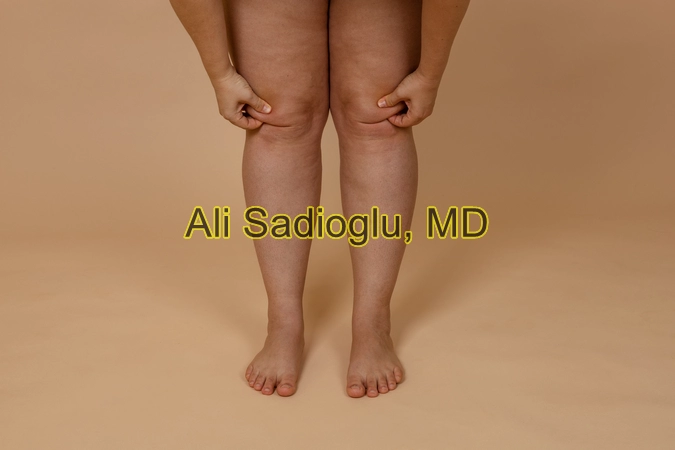
The Concept of Leg Aesthetics and Ideal Proportions The legs play a central role in overall body harmony. In aesthetic terms, the ideal legs are defined not only by their length but also by smooth contours, balanced muscle tone, and symmetrical proportions between the thighs, knees, and calves. Aesthetic leg design focuses on achieving a natural taper from the upper thigh to the ankle, creating a graceful and balanced silhouette. Factors such as genetics, hormonal balance, and lifestyle habits can significantly affect the accumulation of fat in the legs. For many individuals, even strict dieting and regular exercise fail to eliminate stubborn fat deposits on the inner thighs, knees, or calves. These localized fat pockets often distort the natural proportions of the body, causing the legs to appear heavier or disproportionate. According to aesthetic doctor Ali Sadioğlu, leg contouring should never aim for extreme thinness but for harmony between the lower and upper body. The goal is to sculpt the legs in a way that looks elegant both in motion and at rest — emphasizing proportion, not just reduction. Liposuction for Legs: Target Areas and Techniques Leg liposuction is one of the most effective procedures for reshaping the lower body and achieving slimmer, more defined legs. Unlike general weight loss methods, liposuction allows precise removal of fat deposits that are resistant to diet and exercise, offering long-term contour improvement. The most commonly treated areas include the inner and outer thighs, knees, calves, and ankles. Each region requires a tailored approach because the skin thickness, fat density, and vascular structure vary from one area to another. For example, the inner thighs often respond well to gentle suction to avoid surface irregularities, while the outer thighs may require deeper contouring to smooth the “saddlebag” appearance. Recovery and Maintenance After Leg Contouring Recovery after leg liposuction is generally smooth when patients follow post-operative care instructions closely. In the first few days, mild swelling and sensitivity are normal, but these gradually diminish as the healing process continues. Wearing a compression garment is essential during this period — it helps control swelling, supports tissue adaptation, and ensures that the new leg contours stabilize properly. Most patients are able to return to light activities within one week, while more intensive exercise should be postponed for about four to six weeks. Gentle walking is encouraged to improve circulation and speed up recovery. Maintaining a stable body weight is crucial since significant weight gain or loss can alter the results of leg contouring. According to aesthetic doctor Ali Sadioğlu, a successful leg liposuction outcome depends not only on surgical precision but also on the patient’s lifestyle choices after the procedure. Balanced nutrition, adequate hydration, and avoiding prolonged sitting or standing all help preserve the refined, slimmer leg appearance for years.

What Is the Recovery Time for a Brazilian Butt Lift?

Brazilian Butt Lift Procedure The Brazilian Butt Lift (BBL) is a body contouring procedure that enhances the gluteal region using the patient’s own harvested fat, offering a natural alternative to synthetic implants. This fat transfer process involves two main stages. First, unwanted fat cells are carefully extracted via liposuction from donor areas, such as the abdomen, waist, or thighs. Following meticulous purification, this viable fat is then strategically reinjected into the buttocks to add volume, improve the silhouette, and create a fuller, more uplifted appearance. The technique offers dual benefits — body contouring where the fat is removed and gluteal enhancement where it’s transferred. This synergy is one reason why BBL has become one of the most popular aesthetic surgeries worldwide. According to aesthetic doctor Ali Sadioğlu, the secret to a successful BBL lies in precise fat purification and meticulous grafting. When performed by an experienced surgeon, this method ensures natural curves, smooth contours, and long-lasting results while minimizing complications such as fat absorption or unevenness. Immediate Post-Operative Period: The First Few Days The first few days after a Brazilian Butt Lift (BBL) are the most delicate phase of recovery. During this time, patients experience swelling, mild bruising, and discomfort, which are all normal responses to surgery. Since the transferred fat cells need time to settle and develop a new blood supply, minimizing pressure on the buttocks is essential. The initial recovery phase is crucial for the survival of the fat graft. Patients are instructed to avoid any direct pressure on the buttocks for approximately 10 to 14 days. This ‘off-loading’ protocol means sleeping on the stomach or sides is mandatory, as lying on the back or sitting directly can compromise the results. While temporary side effects from liposuction, such as localized swelling and fluid drainage, are common, these symptoms will steadily resolve with correct post-operative care. Wearing a compression garment is another vital aspect of early BBL recovery. This garment helps reduce swelling, promotes skin retraction, and assists the body in adjusting to its new contours. Dr. Ali Sadioğlu emphasizes that following post-operative guidelines — such as staying hydrated, maintaining light mobility, and using prescribed medications — significantly improves comfort and healing speed during this early phase. Weeks 2–6: Gradual Healing and Shape Stabilization The second to sixth week following surgery marks the “settling” phase, during which the final shape of the BBL begins to emerge. As inflammation and swelling subside, the new, enhanced contours of the buttocks become more clearly visible. Beneath the surface, fortunate fat cells that have acquired a new blood supply begin to become a permanent part of that area. To preserve this new result, it is essential to carefully avoid pressure on the buttocks. Prolonged sitting can reduce the survival rate of the transferred fat (graft survival). When you must sit, using a BBL cushion or doughnut cushion is essential; these tools take the pressure off your buttocks and direct it to the back of your thighs. Mobility is also important; light walks support circulation, while strenuous exercise is still prohibited. All activities that strain the gluteal muscles, such as squats or cycling, require your doctor’s permission. As Dr Ali Sadioğlu points out, this interim period is critical for the long-term outcome. How well the new contours “hold” and stabilise depends on the patient’s patience and adherence to the rules during this period. When Can You Sit, Sleep, and Return to Exercise? One of the most common questions after a Brazilian Butt Lift (BBL) is, “When can I sit or return to my normal routine?” Because BBL relies on the survival of transferred fat cells, the first three to four weeks are crucial for protecting those cells from excessive pressure. Patients are generally advised to avoid sitting directly on the buttocks for the first three weeks. When sitting is necessary, a BBL pillow should be placed under the thighs to keep pressure off the grafted area. For sleep, lying on your stomach or sides is best, as this position allows even circulation and prevents distortion of the new shape. Light physical activity, such as short walks, can usually begin within one to two weeks, but high-impact workouts, especially those targeting the gluteal muscles, should be postponed until at least the sixth week. Returning to the gym too early can disrupt healing and compromise the fat cells’ adaptation.

Mommy Makeover for Loose Skin and C-Section Scars: Is It Really Effective?

1. What Is a Mommy Makeover and Why Is It Popular? A mommy makeover is a customized combination of cosmetic procedures designed to address the physical changes many women experience after pregnancy and childbirth. These changes often include loose abdominal skin, sagging breasts, stubborn fat deposits, and sometimes prominent C-section scars. A mommy makeover typically involves surgeries like tummy tuck (abdominoplasty), breast lift or augmentation, and liposuction, but can also be tailored to include other body contouring treatments. What makes the mommy makeover especially popular is its holistic approach—it doesn’t just target one concern, but rather restores the entire body to a more youthful, pre-pregnancy state. It allows women to reclaim their confidence, feel better in their clothing, and restore harmony in their body contours. Due to its transformative results and growing demand, the mommy makeover has become one of the most sought-after surgical packages in aesthetic medicine. Many women view it as a form of self-care—investing in their own wellbeing after dedicating months or years to motherhood. 2. Targeting Loose Abdominal Skin: How a Mommy Makeover Helps One of the most common concerns after pregnancy is loose abdominal skin—a result of stretched tissues, separated abdominal muscles (diastasis recti), and reduced skin elasticity. This issue rarely improves with diet and exercise alone, making it a key focus in any mommy makeover plan. The procedure most often used to address this is the tummy tuck, which tightens the abdominal wall, removes excess skin, and restores a smoother, firmer midsection. For mothers who have undergone multiple pregnancies or experienced significant weight fluctuations, the tummy tuck portion of the mommy makeover can produce life-changing results. Beyond aesthetics, tightening the abdominal muscles can also improve posture, reduce back pain, and enhance core strength. When performed with precision, the surgery not only removes sagging skin but also redefines the waistline—bringing balance and proportion back to the body. As part of a comprehensive mommy makeover, addressing loose skin helps restore confidence and comfort in one’s own body—especially for women who feel their abdomen no longer reflects how they feel inside. 3. Can a Mommy Makeover Improve C-Section Scars? Many women are left with visible C-section scars after childbirth—often low on the abdomen, thickened, or poorly healed. While these scars are a reminder of motherhood, they can sometimes cause self-consciousness, especially when combined with loose skin or uneven contouring in the lower belly area. A mommy makeover offers a valuable solution to this issue. During a tummy tuck, which is commonly part of the procedure, the existing C-section scar can be completely removed or replaced with a thinner, more aesthetically placed incision. This not only improves the appearance of the scar but also addresses the surrounding skin laxity, giving a smoother and more youthful abdominal profile. Aesthetic doctor Ali Sadioğlu explains that revising a C-section scar is about more than just aesthetics—it’s about helping mothers restore their body image and feel empowered in their own skin again. For many, this correction becomes a key part of the emotional and physical healing process post-childbirth. By combining functional benefits with cosmetic refinement, the mommy makeover proves to be a comprehensive and confidence-restoring option for women dealing with the long-term effects of cesarean deliveries. 4. Is a Mommy Makeover Right for You? Ideal Candidates and Considerations Not every woman who has experienced pregnancy is automatically a candidate for a mommy makeover. The procedure is best suited for individuals who have completed their childbearing journey and are seeking long-term solutions to physical changes that did not improve with diet or exercise. Ideal candidates for a mommy makeover typically: Are in good overall health Are at or near their goal weight Have no plans for future pregnancies Experience issues like loose abdominal skin, separated abdominal muscles, sagging breasts, or stubborn fat pockets Are emotionally ready for surgery and recovery It’s also important to consider the timing of the procedure. Most surgeons recommend waiting at least 6 months to a year after childbirth or breastfeeding to allow the body to fully recover and stabilize hormonally. While the procedure is highly customizable, a thorough consultation is key. During this process, your surgeon will evaluate not just your physical condition, but also your personal goals, lifestyle, and expectations. This helps ensure that the chosen combination of procedures within the mommy makeover aligns with your desired outcomes. Ultimately, if you’re looking to reclaim your pre-pregnancy shape, feel confident in your body again, and are ready to commit to the recovery process, a mommy makeover could be a powerful next step. 5. What to Expect from Recovery and Results Recovery after a mommy makeover can vary depending on the number and type of procedures performed, but most patients can expect a healing timeline of several weeks. Since the mommy makeover often includes a combination of surgeries—such as a tummy tuck, breast lift, and liposuction—patients should prepare for some downtime and temporary lifestyle adjustments. In the first few days, it’s common to experience swelling, bruising, and soreness. Pain is typically manageable with prescribed medication, and most patients can resume light activities within 1–2 weeks. Full recovery may take 6–8 weeks, with final results continuing to refine over several months as swelling subsides and tissues settle. Wearing compression garments, avoiding strenuous movement, and attending follow-up appointments are essential parts of a smooth recovery. Following your surgeon’s instructions closely plays a crucial role in both the short-term healing and the long-term success of the procedure. When performed by an experienced surgeon, the results of a mommy makeover can be dramatic and long-lasting. Women often report not only physical improvements—such as a flatter abdomen and more youthful breasts—but also a renewed sense of self-esteem and body confidence. A successful mommy makeover recovery requires patience, support, and self-care, but the payoff is a more sculpted, rejuvenated body that reflects how you feel inside. You can also check our previous “Mommy Makeover: Reclaim Your Pre-Baby Body with This Transformative Procedure” post.

How Smoking Interferes with Healing After Plastic Surgery

The Hidden Risks of Smoking in Surgical Recovery When preparing for plastic surgery, one often focuses on the desired results—tighter skin, improved contours, enhanced confidence. However, an often overlooked but critically important factor is the effect of smoking on post-surgical healing. The combination of smoking and surgery introduces a range of complications that can compromise both aesthetic outcomes and patient safety. Nicotine and other chemicals found in cigarettes alter the body’s physiological response to trauma by narrowing the blood vessels and interfering with circulation. This reduction in tissue perfusion directly affects how wounds heal, increasing the likelihood of infections, tissue necrosis, and delayed recovery. Oxygen is a vital component in every phase of the healing process—from inflammation to tissue regeneration. When oxygen delivery is compromised by smoking, the body’s ability to fight infection and close surgical wounds efficiently becomes impaired. These factors not only increase the risk of surgical failure but may also prolong downtime and reduce satisfaction with the final outcome. Furthermore, multiple studies have shown that individuals who smoke are significantly more prone to post-operative complications compared to non-smokers. These include poor incision healing, irregular scarring, and in some cases, elevated risks of anesthesia-related or cardiovascular issues. Choosing to stop smoking before surgery is one of the most impactful steps a patient can take toward optimizing both safety and results. Even a few weeks of cessation can improve vascular function, enhance oxygenation, and reduce the incidence of complications during recovery. Adopting a smoke-free lifestyle before surgery lays the groundwork for long-term wellbeing and more predictable surgical success. Risks Associated with Smoking Before and After Plastic Surgery While aesthetic procedures are primarily sought for their ability to improve physical appearance, their success is closely linked to internal healing processes. Smoking before or after plastic surgery can severely compromise these processes and create avoidable risks that may require further medical intervention. One of the primary issues is the narrowing of blood vessels caused by toxic substances in cigarette smoke, which hinders optimal blood flow and deprives healing tissues of essential oxygen and nutrients. As a result, wounds may take longer to close, become more prone to infection, or heal unevenly. Moreover, smokers often experience longer and more complicated recovery periods. Impaired circulation slows tissue regeneration and increases the likelihood of wound dehiscence (reopening of incisions), necrosis, and skin discoloration. In the context of aesthetic surgery—where precision and visual results matter—these complications can be especially distressing. Scarring is another major concern. When oxygen supply is disrupted, the collagen remodeling process becomes inconsistent, resulting in hypertrophic or widened scars. This can significantly impact the aesthetic value of the surgery and may require future corrective procedures. Given these risks, refraining from smoking both before and after the operation is not just a recommendation—it’s a critical component of a successful surgical plan. Recommendations for Patients Who Smoke: How to Improve Your Recovery Prospects While the risks are real, patients who smoke still have the opportunity to take proactive steps to improve their healing outcomes. The most effective strategy is to stop smoking well in advance of your scheduled procedure—ideally at least four weeks prior. This allows the body time to restore healthier circulation and improve oxygen delivery to healing tissues. Several quitting aids can be considered in the weeks leading up to surgery. Nicotine replacement therapies such as patches, lozenges, or gum can help reduce cravings and ease withdrawal symptoms. Consulting with a healthcare professional for a personalized cessation plan can increase success rates and make the process more manageable. Beyond smoking cessation itself, patients are encouraged to support their recovery through holistic practices. Light physical activity, when appropriate, can improve lung and cardiovascular health, while practices like deep breathing exercises, meditation, and yoga may aid both relaxation and systemic healing. Staying well-nourished and hydrated also plays a key role in supporting tissue repair and immune function during recovery. Ultimately, the choice to quit smoking before undergoing surgery is not just a short-term decision—it’s a step toward a healthier, more resilient body capable of healing efficiently and achieving the best possible outcome.

What Is Closed Rhinoplasty?

Closed Rhinoplasty is Right Choice for You? Closed rhinoplasty, often referred to as endonasal rhinoplasty, is a sophisticated nose reshaping surgery that has gained significant attention for its minimally invasive approach. Unlike traditional methods, closed rhinoplasty involves making incisions solely within the nostrils. This technique leaves no visible scars on the external part of the nose, offering a discreet solution for those seeking aesthetic enhancements. The procedure is particularly appealing due to its reduced recovery time and minimal swelling compared to open rhinoplasty. By working through internal incisions, surgeons can skilfully reshape nasal structures while maintaining the integrity of the skin and soft tissues. This method not only ensures a quicker healing process but also provides patients with natural-looking results. Closed rhinoplasty offers an effective option for those looking to refine their nasal appearance without undergoing extensive surgery. As advancements in surgical techniques continue to evolve, closed rhinoplasty stands out as a compelling choice for anyone seeking subtle yet impactful changes through nose reshaping surgery. The Procedure: How Closed Rhinoplasty is Performed Closed rhinoplasty is a sophisticated surgical technique that offers remarkable results without the tell-tale signs of surgery. Unlike open rhinoplasty, this procedure involves making incisions inside the nostrils, ensuring that there are no external scars left behind. This approach not only preserves the natural appearance of your nose but also reduces the risk of visible scarring, which is often a concern for many patients. During the rhinoplasty procedure, a skilled surgeon will carefully reshape and refine the nasal structures through these internal incisions. This method requires precision and expertise, as it limits visibility compared to an open approach. However, when performed by an experienced surgeon, closed rhinoplasty can achieve stunning outcomes with minimal disruption to your facial features. Choosing closed rhinoplasty means opting for a less invasive option with quicker recovery times and less post-operative swelling. For those seeking subtle enhancements without compromising on aesthetics or enduring prolonged downtime, this technique presents an ideal solution. With no external scars to worry about, you can enjoy a seamless transformation that enhances your natural beauty while maintaining complete discretion about your surgical journey. Benefits of Closed Nose Job When considering rhinoplasty, the choice between closed and open techniques can significantly impact your surgical experience and results. Closed rhinoplasty offers several compelling advantages that make it an attractive option for many patients seeking nasal refinement. One of the primary benefits of closed rhinoplasty is the quicker recovery time. Unlike open techniques, which involve an external incision across the columella, closed rhinoplasty utilises incisions hidden within the nostrils. This approach not only results in a more aesthetically pleasing outcome with no visible scarring but also facilitates a faster healing process. Moreover, the hidden incisions used in closed rhinoplasty mean that there is minimal disruption to nasal tissues. This precision reduces postoperative discomfort and contributes to a smoother recovery journey. For those who prioritise discretion and efficiency in their cosmetic procedures, the advantages of closed rhinoplasty present a convincing case for its selection over open techniques. Who is an Ideal Candidate for Closed Rhinoplasty? When considering a cosmetic nose surgery, it’s essential to understand who might be the ideal candidate for closed rhinoplasty. According to Doctor Ali Sadioglu’s expert advice, suitable candidates are those seeking subtle yet effective nasal reshaping options without the visible scarring associated with open procedures. Closed rhinoplasty is particularly advantageous for individuals whose primary concerns involve minor adjustments to the nose’s shape or size. This technique involves making incisions inside the nostrils, which not only reduces recovery time but also minimises post-operative swelling. It’s an excellent choice for patients looking to refine their nasal profile while maintaining a natural appearance. However, as with any surgical procedure, thorough considerations must be taken into account. Factors such as overall health, skin type, and realistic expectations play crucial roles in determining candidacy. Ultimately, consulting with an experienced surgeon like Doctor Ali Sadioglu can provide valuable insights into whether closed rhinoplasty is the right path for your aesthetic goals. By discussing your specific needs and concerns, you can make an informed decision that aligns with your desired outcomes in nasal reshaping options. The Recovery Process: What to Expect After Surgery Check out some special details for rhinoplasty recovery process on our previous article. When it comes to closed rhinoplasty, knowing what to expect during the recovery time is crucial for a smooth and successful healing journey. The initial days post-surgery are often the most challenging, as you may experience swelling and discomfort. However, with proper post-surgery care tips, you can manage these symptoms effectively. It’s essential to follow your surgeon’s advice meticulously—this includes keeping your head elevated to reduce swelling and using cold compresses as needed. The healing process after a nose job typically spans several weeks. While you might feel ready to return to normal activities sooner, patience is key. Allowing your body the necessary time to heal will ensure optimal results in the long run.

What Is Chin Liposuction and Who Needs It?

What Is Chin Liposuction? Chin liposuction, also known as submental liposuction or chin fat removal, is a minimally invasive cosmetic procedure designed to remove excess fat from beneath the chin and around the jawline. This targeted treatment helps define the lower face, eliminate the appearance of a “double chin,” and restore a more contoured profile. The procedure is typically performed under local anesthesia and involves the insertion of a thin cannula through tiny incisions beneath the chin. Through gentle suction, unwanted fat is removed, revealing sharper contours and enhancing facial symmetry. In some cases, chin lipo may be combined with other procedures like skin tightening or neck lift for more comprehensive results. With advancements in technique, chin liposuction has become a popular choice for those looking for subtle yet noticeable improvements without undergoing full facial surgery. It’s a relatively quick outpatient procedure, making it a convenient option for individuals seeking refined, natural-looking enhancements. How Does Chin Liposuction Work? The chin liposuction procedure is straightforward yet highly effective when performed by a skilled surgeon. It begins with a thorough consultation and facial assessment to determine fat distribution, skin elasticity, and overall suitability for the procedure. On the day of surgery, local anesthesia is typically administered to numb the area. Then, through one or two small incisions hidden under the chin or behind the ears, a thin cannula is inserted to break up and gently suction out the excess fat. The entire process usually takes less than an hour and leaves minimal scarring. The chin sculpting process not only removes fat but also encourages natural skin retraction over the newly contoured jawline. In younger patients with good skin tone, this retraction occurs naturally. In others, additional skin tightening techniques or adjunct treatments like radiofrequency may be suggested. How chin lipo works is a balance between precision and artistry—it requires careful fat removal to maintain symmetry and avoid overcorrection. When done properly, the result is a more defined, youthful, and aesthetically pleasing lower face. Who Should Consider Chin Liposuction? Chin liposuction is ideal for individuals who are bothered by the appearance of a double chin or fullness under the jawline, but who otherwise have relatively good skin elasticity and overall health. It’s not a weight-loss solution, but rather a contouring procedure for targeted fat reduction. Suitable candidates for chin liposuction typically include: Adults with localized fat beneath the chin that doesn’t respond to diet or exercise Individuals with good skin tone that can retract smoothly after fat removal Patients seeking a sharper jawline and improved facial balance People who prefer a minimally invasive option over more extensive surgery Who needs chin lipo are often those who want subtle, natural enhancements without significant downtime. It’s also a great option for men and women alike who feel their facial profile lacks definition or appears “heavier” due to genetic fat distribution. For those with poor skin elasticity or significant skin laxity, submental liposuction alone may not be enough, and complementary procedures like a neck lift may be recommended. A detailed consultation with a qualified plastic surgeon is essential to determine if chin lipo is the right approach based on individual goals and anatomy. The Benefits of Choosing Chin Liposuction Opting for chin liposuction offers several aesthetic and psychological benefits, especially for those seeking a more sculpted facial profile without undergoing extensive surgery. The procedure is highly effective at reducing submental fullness and enhancing jawline definition with minimal downtime. Here are the key benefits of chin lipo: Enhanced facial contours: By removing stubborn fat beneath the chin, the lower face appears leaner and more refined. Quick recovery: Most patients return to work and social activities within a few days, with only mild swelling or bruising. Minimally invasive: Performed under local anesthesia with tiny incisions, chin lipo leaves virtually no visible scarring. Long-lasting results: Once the fat is removed, it does not return—provided the patient maintains a stable weight. Boost in confidence: Patients often report feeling more self-assured in photos, on video calls, or in profile views. Compared to more extensive facial surgeries, submental liposuction is a relatively simple procedure with impactful results. The advantages of double chin surgery make it a popular option among younger patients seeking early refinement, as well as older individuals looking for subtle rejuvenation. The Recovery Process: What to Expect After Chin Liposuction Recovery after chin liposuction is generally smooth and manageable, especially when guided by expert advice such as that of Doctor Ali Sadioglu, who emphasizes the importance of proper aftercare for optimal results. Chin lipo recovery time typically spans 5 to 10 days, during which patients may experience mild swelling, bruising, and tightness in the treated area. These effects are normal and begin to subside within the first week. A compression garment or chin strap is often recommended during this period to reduce swelling and support tissue adherence. Here are some essential post-surgery care tips for submental lipoplasty patients: Wear your compression garment as instructed to help shape the area and minimize fluid buildup. Avoid strenuous activity for at least 1–2 weeks to prevent strain and promote healing. Sleep with your head elevated to reduce swelling and avoid pressure on the chin area. Follow your surgeon’s aftercare instructions closely, including any prescribed medication or skincare routines. Most patients see initial improvements within 7–10 days, with final results becoming visible over the following few weeks as swelling continues to resolve. With careful adherence to recovery guidelines, patients can enjoy a smooth healing process and long-lasting results. The Cost Factor: Is Chin Liposuction an Affordable Option? Compared to full-body or multi-area fat removal procedures, chin liposuction is generally more affordable because it focuses solely on a small, targeted area—the submental region. This makes it an attractive option for patients who want visible improvement without the high costs often associated with larger liposuction procedures. The cost of chin lipoplasty depending on the clinic, surgeon’s experience, and whether additional services (such as skin tightening) are included. When compared to other facial surgeries or full

Are You a Good Candidate for Rib Cartilage Rhinoplasty?

Rib Cartilage Rhinoplasty: What Sets It Apart? Rib cartilage rhinoplasty, also known as rib graft rhinoplasty, is a specialized nasal surgery that uses the patient’s own rib cartilage to reshape and support the nose. Unlike traditional rhinoplasty, which typically utilizes septal or ear cartilage, this method provides a more abundant and structurally strong graft—making it ideal for complex reconstructions or revision surgeries. The procedure is especially valuable in cases where previous surgeries have depleted native nasal cartilage, or where greater projection and structural support are needed. Because rib cartilage is more robust, it allows for more precise shaping, increased durability, and better long-term stability. While nose surgery using rib grafts is more technically demanding, it opens new possibilities for patients with challenging anatomical needs. For both cosmetic and functional goals, rib cartilage rhinoplasty offers a versatile, reliable solution in the hands of an experienced surgeon. The Ideal Candidate: Who Should Consider Rib Cartilage Rhinoplasty? Rib cartilage rhinoplasty is not necessary for every patient seeking nasal reshaping, but it is particularly suited for individuals with complex nasal anatomy or a history of prior surgeries. Suitable candidates for rib cartilage rhinoplasty often include those who: Have undergone one or more previous rhinoplasty procedures with depleted septal cartilage Require significant structural support for the nasal bridge or tip Have congenital nasal deformities or trauma-related defects Seek major augmentation rather than subtle refinements This technique is especially beneficial for nose reshaping candidates who need a more robust cartilage source than what the septum or ear can provide. Additionally, patients with thin nasal skin or collapsed nasal structures may benefit from the strength and volume of rib cartilage, which provides reliable support and shape retention. The best candidates for nose surgery using rib grafts are in good general health, have realistic expectations, and are willing to accept a longer recovery period and the possibility of a secondary chest incision scar. A thorough consultation and 3D planning with a qualified facial plastic surgeon are essential to determine candidacy. Benefits of Choosing Rib Cartilage Over Traditional Rhinoplasty Methods One of the most compelling benefits of rib cartilage in rhinoplasty is its structural integrity. Compared to septal or auricular (ear) cartilage, rib cartilage offers a larger, more rigid graft material that is ideal for major nasal reconstructions, ethnic rhinoplasty, or revision surgeries. Advantages of rib grafting include: Volume and strength: Rib cartilage provides sufficient material for multiple grafts and is strong enough to maintain long-term structural support, especially in cases requiring nasal tip projection or dorsal augmentation. Durability: Studies have shown that rib cartilage, when harvested and shaped properly, maintains shape over time better than softer cartilage sources. Versatility: It can be carved and contoured with precision, making it suitable for both cosmetic refinement and functional repair (e.g., collapsed nasal valves). In patients who lack sufficient septal cartilage—either due to prior surgeries or congenital deficiencies—choosing rib cartilage for a nose job can be the only viable option to achieve both aesthetic and functional success. While there is a learning curve for the surgeon and added complexity due to the chest incision, the benefits often outweigh the risks for appropriately selected candidates. The Recovery Process: What to Expect After Your Surgery? Recovery after rib cartilage rhinoplasty involves a few additional considerations compared to standard nose surgery, due to the second surgical site at the chest. However, with proper planning and adherence to post-operative care tips, most patients recover smoothly and achieve excellent results. Here’s what to expect: Initial discomfort is common at both the nose and chest donor site, especially during deep breathing or upper body movement. Pain is manageable with prescribed medications and typically subsides within a few days. The recovery timeline generally spans 2–3 weeks for initial swelling and bruising to decrease, though full healing and final nasal shape may take up to 12 months. Patients are advised to avoid strenuous activity for at least 4–6 weeks and to follow all instructions regarding wound care, taping, and sleeping position to protect both surgical sites. Proper healing after nasal surgery depends not only on the surgeon’s technique but also on the patient’s commitment to aftercare. Monitoring for rare complications—such as graft warping, infection, or chest wall pain—is essential and should be discussed during follow-up visits. When performed by a qualified surgeon and followed by diligent care, rib cartilage rhinoplasty can deliver long-lasting, stable, and aesthetically satisfying results for even the most challenging nasal cases.