High BMI Tummy Tuck: Is There a Weight Limit for Abdominoplasty?

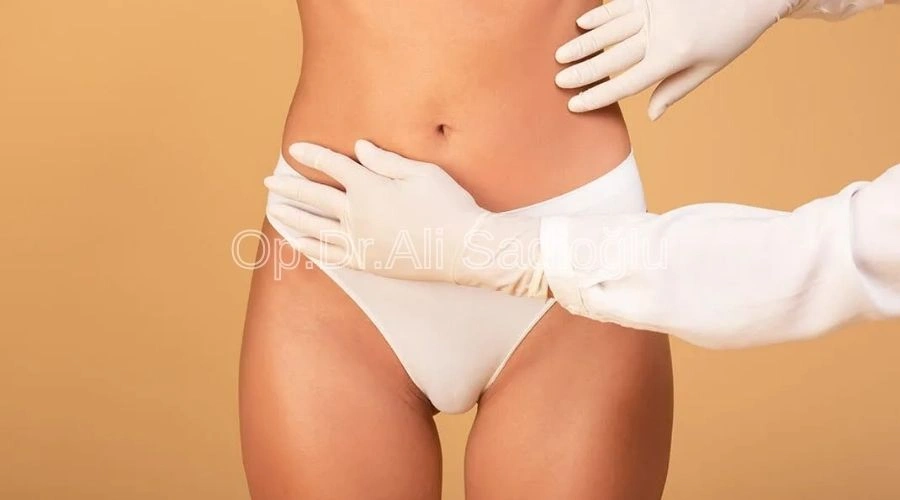
1. What Is a High BMI Tummy Tuck? A high BMI tummy tuck refers to abdominoplasty performed on patients whose body mass index is above the standard range typically recommended for cosmetic procedures. Unlike a traditional tummy tuck, this version must account for thicker fat layers and increased skin laxity often present in higher BMI individuals. The goal remains the same: to create a smoother, more contoured abdomen by removing excess skin and tightening weakened abdominal muscles. However, high BMI patients require a more detailed evaluation to ensure a safe and effective outcome. Factors like overall health, fat distribution, and skin condition play an essential role in determining eligibility. With proper assessment, many high BMI individuals can undergo the procedure successfully. 2. How BMI Influences Abdominoplasty Eligibility BMI is one of the first metrics surgeons consider when determining candidacy for abdominoplasty. Higher BMI levels may correlate with increased surgical risks, such as slower wound healing and higher complication rates. Still, BMI alone does not fully define a patient’s health. For example, a patient with elevated BMI but good cardiovascular fitness may be a better candidate than someone with a lower BMI who has uncontrolled medical conditions. Surgeons also assess lifestyle habits, skin elasticity, abdominal muscle structure, and fat distribution. Ultimately, the goal is to ensure that the patient can safely undergo the procedure and achieve predictable, satisfying results. 3. Is There a Weight Limit for Tummy Tuck Surgery? There is no universal or strict weight limit for tummy tuck surgery, but many surgeons recommend patients stay below a BMI of 30–35 to maintain optimal safety. Each clinic may have its own criteria based on experience and surgical protocol. Higher BMI levels can increase anesthesia risks, extend recovery periods, and affect the consistency of cosmetic outcomes. However, these guidelines are flexible when the patient demonstrates stable health and lacks uncontrolled conditions like hypertension or diabetes. Surgeons prioritize safety above all, so individual evaluations determine whether someone at a higher BMI can proceed with a tummy tuck. 4. Risks of Abdominoplasty in High BMI Patients High BMI patients may face a slightly elevated risk of complications after abdominoplasty. Common concerns include seroma formation, minor wound separation, infection, and prolonged swelling. Reduced blood flow in thicker fat layers can make healing slower than average. Anesthesia-related risks, such as maintaining ideal oxygen levels, may also be mildly increased. Despite these possibilities, many high BMI patients complete the procedure safely when it is performed by experienced surgeons and when postoperative instructions are followed carefully. A thorough pre-surgery evaluation and personalized recovery plan help minimize risks and support better healing outcomes. 5. Benefits of Tummy Tuck for Patients with Higher BMI Despite potential risks, high BMI patients often benefit greatly from tummy tuck surgery. Removing excess skin can reduce irritation, improve mobility, and increase comfort during daily activities. Strengthening the abdominal muscles can enhance posture and support, helping alleviate back discomfort. Many patients also report a boost in confidence and motivation for maintaining healthier habits after seeing positive physical changes. While the results may vary depending on body structure and weight, the procedure can significantly improve abdominal contour and quality of life. For many individuals, a tummy tuck becomes an important step toward long-term well-being and self-care. 6. How to Prepare for Surgery If You Have a High BMI Patients with a high BMI should follow a structured preparation process before undergoing abdominoplasty. Surgeons often recommend adopting balanced nutrition and a consistent exercise routine to stabilize weight. Managing conditions like high blood pressure or insulin resistance is crucial for reducing surgical risks. Smoking must be avoided because nicotine slows down healing. Preoperative evaluations, including blood tests and cardiac assessments, help ensure readiness. Setting up the home for recovery, arranging support, and discussing medications with the surgeon contribute to a smoother healing journey. Proper preparation significantly enhances safety and postoperative results. 7. What to Expect During Recovery Recovery for high BMI patients may take slightly longer, but most individuals can resume light activities within two weeks. Common symptoms like swelling, bruising, and abdominal tightness gradually diminish. Wearing compression garments, caring for surgical drains, and avoiding heavy lifting are essential parts of the healing process. Regular follow-up visits allow the surgeon to monitor progress and address any concerns early. Visible improvements usually begin within the first month, with final results appearing over several months. With attentive postoperative care and guidance from specialists like Op. Dr. Ali Sadioğlu, high BMI patients can achieve satisfying and safe tummy tuck outcomes.  

Rhinoplasty cost in Turkey 2026

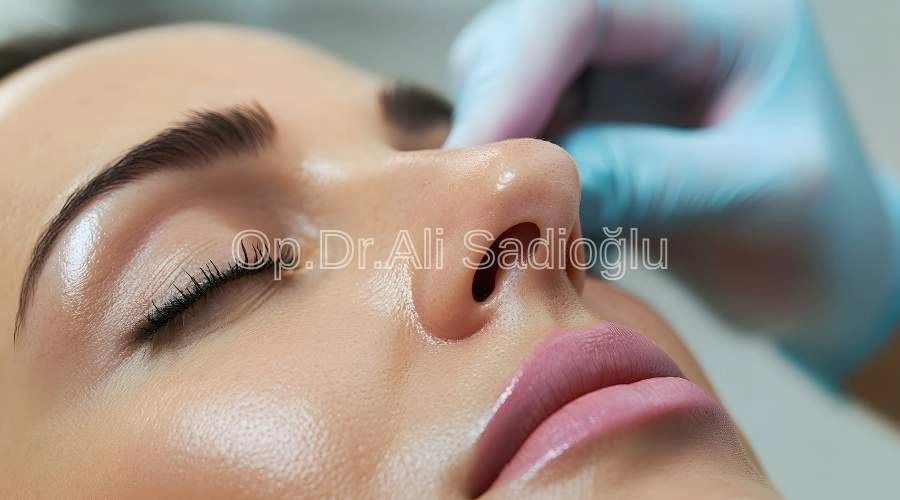
1. What Determines Rhinoplasty Cost in Turkey in 2026? Rhinoplasty costs in Turkey in 2026 are shaped by several important factors that influence both the complexity of the surgery and the overall patient experience. The surgeon’s expertise and specialization remain the most significant contributors to price, as experienced surgeons typically charge more due to their advanced skills and consistent results. Hospital standards, anesthesia type, and whether the procedure is performed as open or closed rhinoplasty also affect the overall cost. Additionally, the use of modern technologies, postoperative care quality, and the clinic’s location—especially in popular cities like Istanbul—can increase pricing. Patients should also consider preoperative tests, consultation fees, and the possibility of overnight hospital stays. All of these elements together determine the final rhinoplasty cost in Turkey. 2. Average Rhinoplasty Prices in Turkey in 2026 In 2026, average rhinoplasty prices in Turkey typically range between $2,000 and $6,000, but the actual fiyat can vary widely depending on the patient’s nasal structure, the surgical technique required, and the surgeon’s experience level. On the lower end of the spectrum, a straightforward primary rhinoplasty — where only minor shaping or dorsal hump correction is needed — may cost around $1,500–$3,500. However, patients requiring more complex corrections, such as revision rhinoplasty (secondary nose surgery), often face higher maliyet because the procedure demands advanced surgical skill, longer operating time, and precise reconstruction of cartilage or bone. For such challenging cases, the rhinoplasty price in Turkey can rise to $5,000–$6,000 or more. The overall cost of a nose job in Turkey is also influenced by additional elements such as anesthesia, hospital quality, and whether the clinic offers VIP packages, luxury hotel accommodations, or 24/7 patient coordination services. Centers operating within internationally accredited hospitals or employing surgeons with extensive experience in both functional and aesthetic rhinoplasty naturally position themselves at the higher end of the fiyat scale. Despite the variation in price, Turkey remains one of the world’s most cost-effective destinations for rhinoplasty. Patients receive high-quality surgical outcomes at a significantly lower cost compared to the United States, the United Kingdom, Germany, or Gulf countries. This balance between affordability and medical excellence makes Turkey a top choice for international patients seeking reliable, natural-looking, and budget-friendly nose aesthetics in 2026. 3. Factors That Influence the Final Price Several factors influence the final rhinoplasty price in Turkey. The type of surgery—open, closed, ethnic, or revision rhinoplasty—plays a major role due to differences in technical complexity. A surgeon’s reputation, experience, and success rate can also increase the cost, as patients often prefer surgeons known for natural and balanced results. Hospital quality, anesthesia method, and the use of advanced imaging systems for preoperative planning further affect pricing. Additional expenses may include medications, postoperative care, and follow-up visits. Patients requiring cartilage grafting or combined procedures may face higher costs. All of these details contribute to the total investment. 4. Cost Comparison: Turkey vs. Other Countries In 2026, average rhinoplasty prices in Turkey typically range between $2,000 and $6,000. Turkey remains one of the most affordable destinations for rhinoplasty compared with the United States, the United Kingdom, and other European countries. In the U.S., rhinoplasty typically costs $8,000 to $15,000, depending on the surgeon and region. In the U.K., prices usually range from £6,000 to £10,000, while countries like Germany or France charge around €6,000 to €12,000. In contrast, Turkey offers modern facilities and highly skilled surgeons at a fraction of these prices. The lower cost does not reduce quality, as many Turkish surgeons perform hundreds of rhinoplasty procedures each year. This major price difference is one of the main reasons Turkey remains a top destination for medical tourism. 5. What’s Included in the Price? (All-Inclusive Packages) Turkey is well known for its all-inclusive medical tourism packages, making rhinoplasty costs easier to understand and compare. A typical 2026 package often includes preoperative consultations, hospital fees, surgeon’s fees, anesthesia, medications, and postoperative follow-up appointments. Many clinics also provide airport transfers, hotel accommodations, translation services, and patient coordinators to assist throughout the process. These packages aim to offer convenience and transparency, eliminating unexpected expenses. International patients especially appreciate that everything—from their arrival to their final check-up—is organized. This structured system helps create a comfortable and stress-free treatment experience. 6. Why Turkey Is a Popular Destination for Rhinoplasty Turkey’s growing popularity for rhinoplasty is driven by highly skilled surgeons, modern medical facilities, and affordable pricing. Many surgeons specialize exclusively in rhinoplasty and perform hundreds of procedures annually, contributing to consistent success rates. Turkey’s strong medical tourism infrastructure ensures a smooth and well-guided experience for international patients. Additionally, the country’s hospitality and easy travel options make the journey enjoyable. Many patients combine surgery with sightseeing, creating a positive overall experience with experts like Op. Dr. Ali Sadioğlu providing professional care.

All-Inclusive Plastic Surgery Packages in Turkey: What Is Included?

What Are All-Inclusive Plastic Surgery Packages in Turkey? All-inclusive plastic surgery packages in Turkey are designed to provide international patients with a complete and stress-free treatment experience. Instead of organizing every detail separately, patients receive a single comprehensive package that covers medical procedures, accommodation, transportation, and postoperative care. This approach simplifies the entire process, making it easier for patients to plan their trip and understand the total cost upfront. Packages are especially popular among those traveling from abroad, as they eliminate uncertainties related to logistics and budgeting. By offering convenience, transparency, and high-quality service, clinics in Turkey ensure that patients feel supported from the moment they arrive until their final follow-up appointment. What Services Are Typically Included? All-inclusive plastic surgery packages in Turkey usually include a wide range of services to ensure a smooth and comfortable experience. These often begin with preoperative consultations, detailed examinations, and necessary medical tests. Patients are provided with private airport transfers, hotel accommodations, and transportation between the hotel and clinic. The package also covers the surgeon’s fees, anesthesia, operation costs, and postoperative medications. Patient coordinators, translators, and 24/7 support services are typically included to help international patients navigate their entire journey. This bundled approach simplifies planning and ensures that the patient receives continuous care throughout the process. Medical Procedures Covered Within the Package Medical procedures included in all-inclusive packages vary depending on the clinic and the patient’s needs. Most packages cover popular surgeries such as rhinoplasty, tummy tuck, liposuction, breast augmentation, and facelift procedures. The package typically includes the full surgical process: preoperative evaluation, the operation itself, anesthesia, hospital stay if required, and all medical supplies. Some clinics also provide advanced imaging or specialized techniques at no additional cost. By combining essential medical components into a single package, clinics ensure that patients receive comprehensive and coordinated care without unexpected fees. Accommodation and Travel Support Accommodation and travel support are major advantages of all-inclusive plastic surgery packages in Turkey. Patients are usually offered comfortable hotel stays, often in 4- or 5-star facilities located close to the clinic. Airport pickup and drop-off services simplify the travel experience, especially for those visiting Turkey for the first time. Daily transportation between the hotel and clinic is also included to ensure patients attend all appointments on time. This support system allows patients to focus solely on their recovery rather than worrying about logistics. The streamlined arrangement enhances comfort, safety, and overall satisfaction during their medical journey. Postoperative Care and Follow-Up Services Postoperative care is a vital part of all-inclusive packages, ensuring patients recover smoothly after their procedure. Packages often include regular check-ups, wound care instructions, medications, and compression garments when necessary. Patients are monitored closely by the medical team, and follow-up appointments are arranged to track healing progress. Many clinics also offer remote follow-up consultations once the patient returns home. This continuous support minimizes complications and reassures patients throughout recovery. With structured postoperative care, clinics maintain high success rates and deliver consistent, long-lasting results under the supervision of experts like Op. Dr. Ali Sadioğlu. Benefits of Choosing an All-Inclusive Package Choosing an all-inclusive package provides numerous benefits for international patients. The biggest advantage is cost transparency, as patients know exactly what they will pay without unexpected expenses. These packages save time by eliminating the need to organize transportation, hotel stays, or multiple appointments separately. With a well-organized structure, patients feel more secure and relaxed throughout their medical journey. The comprehensive nature of these packages makes Turkey one of the most preferred destinations for plastic surgery, combining affordability with exceptional patient care.  

Tummy Tuck Cost Turkey 2026

What Determines Tummy Tuck Cost in Turkey in 2026? Tummy tuck cost in Turkey in 2026 is shaped by several important factors that influence both the surgical process and overall patient experience. The surgeon’s expertise is a major component, as highly skilled surgeons generally set higher fees due to their advanced techniques and consistent results. Hospital quality, anesthesia type, and whether the procedure is a full or mini tummy tuck also affect the total price. Additionally, the use of modern technologies, preoperative assessments, postoperative care, and clinic location—especially in large cities like Istanbul—play a role in cost variations. Each of these elements contributes to determining what patients can expect when evaluating tummy tuck prices in Turkey. Average Tummy Tuck Price Ranges in Turkey (2026) In 2026, tummy tuck price ranges in Turkey generally fall between $3,000 and $8,000, but the exact fiyat varies significantly depending on the patient’s condition and the complexity of the surgery. For example, if the procedure only involves a limited amount of fat removal in a localized area, the maliyet can be as low as $3,000. However, if the patient has excess skin, abdominal muscle separation (diastasis recti), or a higher body mass index, the surgery becomes more demanding and the tummy tuck fiyat may rise toward $7,000–$8,000. Additional elements such as the surgeon’s expertise, anesthesia method, hospital standards, and whether liposuction is combined with full abdominoplasty also influence the overall maliyet. Clinics with internationally accredited facilities and highly experienced surgeons typically operate at the upper end of the pricing scale. Despite this wide range, Turkey remains one of the most attractive destinations for medical tourism because patients receive high-quality surgical care at a considerably lower price compared to the United States or Western Europe. This combination of affordability and advanced medical standards makes Turkey a leading country for tummy tuck procedures in 2026. Factors That Influence the Final Cost Several factors influence the final tummy tuck cost in Turkey. The extent of correction needed is one of the biggest cost indicators—patients requiring muscle repair, extensive skin removal, or combined liposuction typically pay more. The surgeon’s reputation, hospital standards, and anesthesia method also contribute to cost variations. Additional expenses may include laboratory tests, postoperative garments, medications, and follow-up appointments. Patients selecting all-inclusive packages will usually see these items bundled together. The final price reflects the overall level of care, technical expertise, and comfort provided throughout the surgical journey. What’s Included in Tummy Tuck Packages? Tummy tuck packages in Turkey are often designed to be all-inclusive, making the process convenient for international patients. These packages generally include preoperative consultations, medical tests, surgeon’s fees, hospital charges, anesthesia, and postoperative check-ups. Many clinics also provide hotel accommodations, airport transfers, and transportation between the hotel and hospital. Medications, compression garments, and follow-up support may also be included. This structured approach ensures clarity and eliminates hidden costs, offering patients a smooth and well-organized treatment experience. The package system is one of the key reasons Turkey attracts thousands of medical tourists each year. Cost Comparison: Turkey vs. Other Countries When comparing tummy tuck costs internationally, Turkey stands out for offering affordability without compromising quality. In Western countries like the United States, prices often range from $10,000 to $18,000, while the United Kingdom typically offers procedures between £7,000 and £12,000. European countries such as Germany or France also tend toward higher prices. In contrast, Turkey’s $3,000–$8,000 range provides access to skilled surgeons and modern facilities at a fraction of the cost. This price advantage, combined with strong patient care standards, explains Turkey’s popularity among those seeking cost-effective cosmetic procedures. Why Turkey Is a Popular Destination for Tummy Tuck Turkey’s popularity for tummy tuck surgery continues to grow due to its combination of affordability, surgical expertise, and patient-centered services. Clinics offer advanced technologies, multilingual staff, and comprehensive packages that simplify the entire treatment process. The country’s hospitality, cultural attractions, and convenient travel options further enhance the experience for international patients. Under the guidance of specialists like Op. Dr. Ali Sadioğlu, patients receive professional care with natural-looking, satisfying results.  

Aquiline Nose Rhinoplasty

What Is an Aquiline Nose? An aquiline nose, often described as a “Roman nose,” is characterized by a prominent bridge that creates a slight curve or downward angle. This nose shape is considered distinctive and strong, but some individuals feel it makes their facial features appear harsher or unbalanced. The aquiline shape can vary in degree—some noses have a subtle curve, while others have a more pronounced dorsal hump. Although it is a naturally occurring anatomical feature, many people seek refinement to achieve a smoother profile or a softer facial appearance. Understanding the structure of an aquiline nose helps determine the best approach for cosmetic correction and creating a harmonious overall look. What Is Aquiline Nose Rhinoplasty? Aquiline nose rhinoplasty is a specialized form of nose aesthetics surgery focused on correcting the prominent curvature or “dorsal hump” along the nasal bridge. This characteristic shape, often referred to as a “Roman nose,” can create a strong and angular facial profile. The procedure aims to reshape and harmonize the nose with the rest of the facial features, producing a smoother and more proportionate contour without compromising individuality. During surgery, the excess bone or cartilage responsible for the hump is carefully reduced, and the nasal bridge is refined for a straighter, more elegant line. In many cases, the tip of the nose is also subtly adjusted to improve overall facial balance and breathing function. Modern surgical techniques prioritize precision and preservation — ensuring the nose not only looks natural but also maintains its structural integrity. Aquiline nose rhinoplasty is often chosen by patients who wish to soften a dominant nasal profile while keeping the unique characteristics of their face intact. Who Is a Good Candidate for This Procedure? Good candidates for aquiline nose rhinoplasty are individuals who are bothered by the appearance of a curved or prominent nasal bridge and would like to achieve a smoother profile. Ideal candidates should be in good overall health, nonsmokers, and have realistic expectations about surgical outcomes. This procedure is suitable for people seeking cosmetic improvement as well as those experiencing breathing difficulties related to internal nasal structure. Candidates should also be committed to the recovery process and willing to follow postoperative instructions. Surgical Techniques Used for Aquiline Nose Rhinoplasty Several surgical techniques may be used to correct an aquiline nose, depending on the patient’s anatomy and goals. Most procedures involve reducing the dorsal hump by carefully removing bone and cartilage. Surgeons may also smooth the bridge using sanding methods or ultrasonic rhinoplasty, which allows for precise shaping with minimal trauma. In some cases, cartilage grafts are used to refine the nasal tip or provide structural support. The choice between open and closed rhinoplasty is based on the complexity of the correction. Each technique aims to create a natural and balanced nasal contour while preserving facial harmony. Recovery Process and Expected Results The recovery period after aquiline nose rhinoplasty typically lasts several weeks, with most swelling and bruising improving during the first two weeks. Wearing a nasal splint is common during the initial healing phase to support the new structure. Final results gradually become visible as the swelling decreases, often taking several months for the full shape to settle. Most patients achieve a smoother, more refined nasal profile that enhances their overall facial balance. With proper care and guidance, results can be long-lasting and highly satisfying. Benefits of Correcting an Aquiline Nose Correcting an aquiline nose offers both cosmetic and emotional benefits. Many patients experience increased confidence after achieving a smoother nasal bridge that better complements their facial features. The procedure can soften a strong or sharp profile, creating a more balanced and harmonious appearance. Functionally, rhinoplasty may also improve breathing when structural issues are addressed. Results often look natural, preserving the patient’s unique character while enhancing symmetry. With the expertise of specialists like Op. Dr. Ali Sadioğlu, patients can expect refined, high-quality outcomes that align with their aesthetic goals.