Can Birth Scars be Removed with Abdominoplasty?

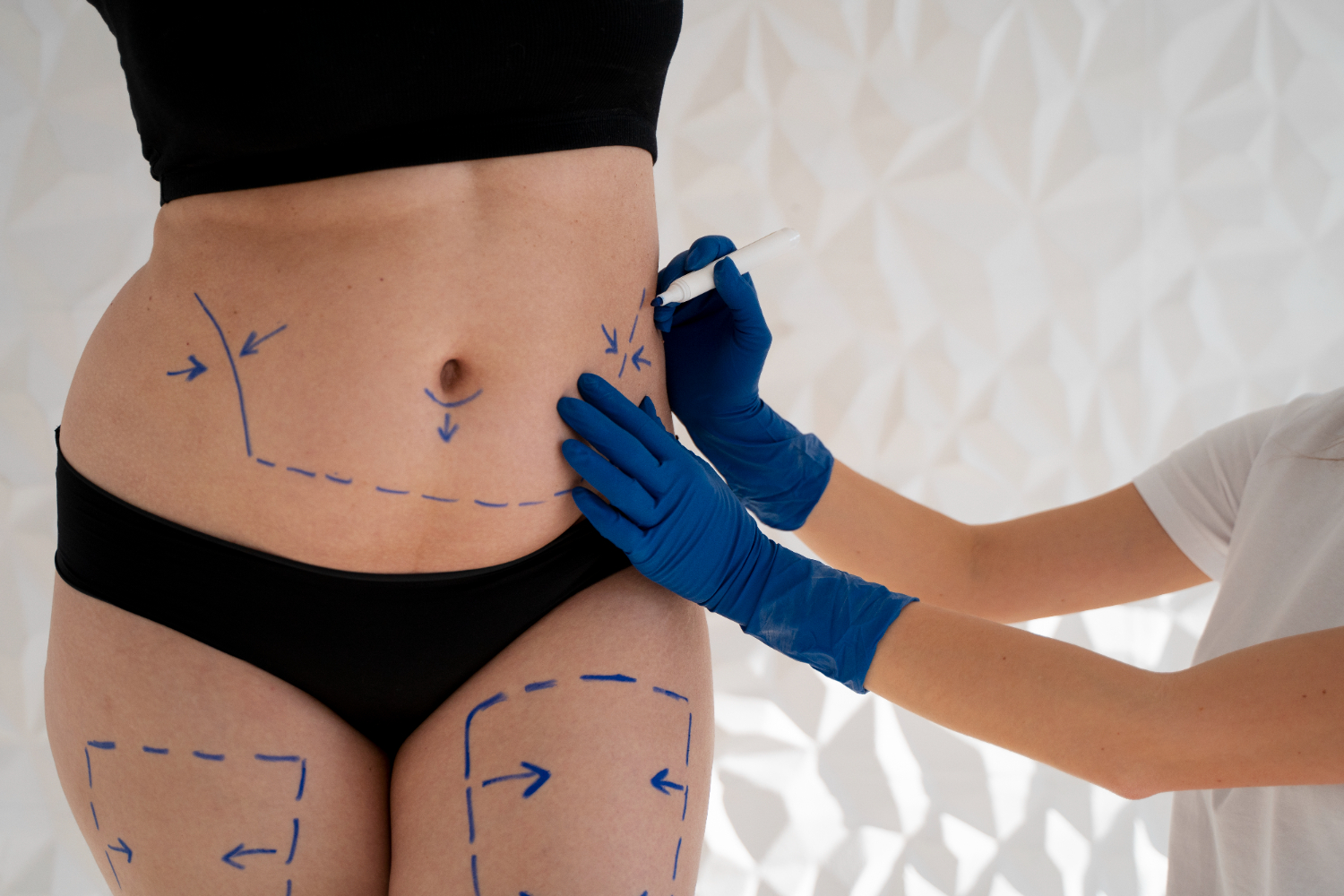
Abdominoplasty: What is it and How Does it Work? Abdominoplasty, commonly known as a tummy tuck, is a transformative cosmetic procedure that can significantly enhance your body contour and boost your confidence. If you’ve been struggling with loose skin, stubborn fat deposits, or unsightly scars on your abdomen that just won’t respond to diet and exercise, abdominoplasty might be the solution you’ve been searching for. This not only creates a firmer and flatter stomach but also helps in improving posture by providing better support to your core. Moreover, abdominoplasty isn’t just about aesthetics; it also addresses functional issues. For instance, many individuals who undergo this surgery report relief from back pain and improved mobility due to the strengthened abdominal muscles. Another compelling aspect of abdominoplasty is its ability to minimize or even eliminate scars caused by previous surgeries or injuries. By carefully excising damaged tissue and repositioning healthy skin over it, this cosmetic surgery for scars can dramatically improve their appearance. In summary, if you’re considering ways to achieve a smoother and more toned abdomen while addressing any existing scars or muscle laxity issues, abdominoplasty offers an effective solution with lasting results. It’s time to take control of your body image and enjoy the renewed sense of self-assurance that comes with it! The Impact of Pregnancy on Your Body: Why Do Birth Scars Occur? Pregnancy is a miraculous journey, but it undeniably leaves its mark on a woman’s body. One of the most common changes new mothers experience is the appearance of pregnancy scars, often referred to as birth scars. Understanding why these marks occur can help demystify the process and foster acceptance of your postpartum body. During pregnancy, your skin stretches rapidly to accommodate your growing baby. This stretching can lead to tiny tears in the dermis, which manifest as stretch marks from pregnancy. These are not just superficial lines; they are evidence of your body’s incredible ability to adapt and nurture new life. While genetics play a role in determining who gets stretch marks, hormonal changes also contribute significantly by affecting skin elasticity. Postpartum body changes can be surprising and sometimes challenging to embrace. However, recognizing that birth scars are a natural part of this transformation can be empowering. They serve as reminders of the strength and resilience required throughout pregnancy. It’s essential to approach postpartum recovery with patience and self-compassion. Embrace these changes as badges of honor—testaments to the journey you’ve undertaken—and remember that you’re not alone in this experience. Many women share similar stories and find beauty in their unique transformations. By understanding why birth scars occur, you can better appreciate their presence as part of your personal narrative—a narrative filled with strength, love, and an undeniable testament to life’s profound journey through motherhood. Abdominoplasty vs. Other Scar Removal Methods: Which is More Effective? When it comes to addressing unsightly scars, particularly those on the abdomen, choosing the right method can be crucial for achieving desired results. Abdominoplasty, commonly known as a tummy tuck, is often compared to other scar removal techniques such as laser treatments. Abdominoplasty offers a comprehensive solution by not only removing excess skin and fat but also tightening the abdominal muscles. This surgical approach is particularly effective for individuals who have undergone significant weight loss or pregnancy and are left with stretched skin and deep scars. The procedure can significantly improve the appearance of the abdomen by creating a smoother, firmer profile. On the other hand, laser treatments provide a non-invasive option that targets scar tissue directly. This technique uses focused light therapy to reduce redness and improve texture over time. While less invasive than surgery, laser treatments typically require multiple sessions to achieve optimal results and may not be suitable for all types of scars. When considering tummy tuck vs laser treatment, it’s essential to weigh factors such as recovery time, cost, and personal goals. Surgical scar removal options like abdominoplasty often deliver more dramatic results in a single procedure but come with longer recovery periods. Conversely, laser treatments offer gradual improvements with minimal downtime. Ultimately, consulting with a qualified specialist can help determine which method aligns best with your expectations and lifestyle needs. Whether opting for surgical intervention or exploring non-surgical avenues like lasers, understanding each option’s effectiveness will guide you towards making an informed decision that enhances both your confidence and appearance.  

How Many Years Does Facelift Surgery Rejuvenate?

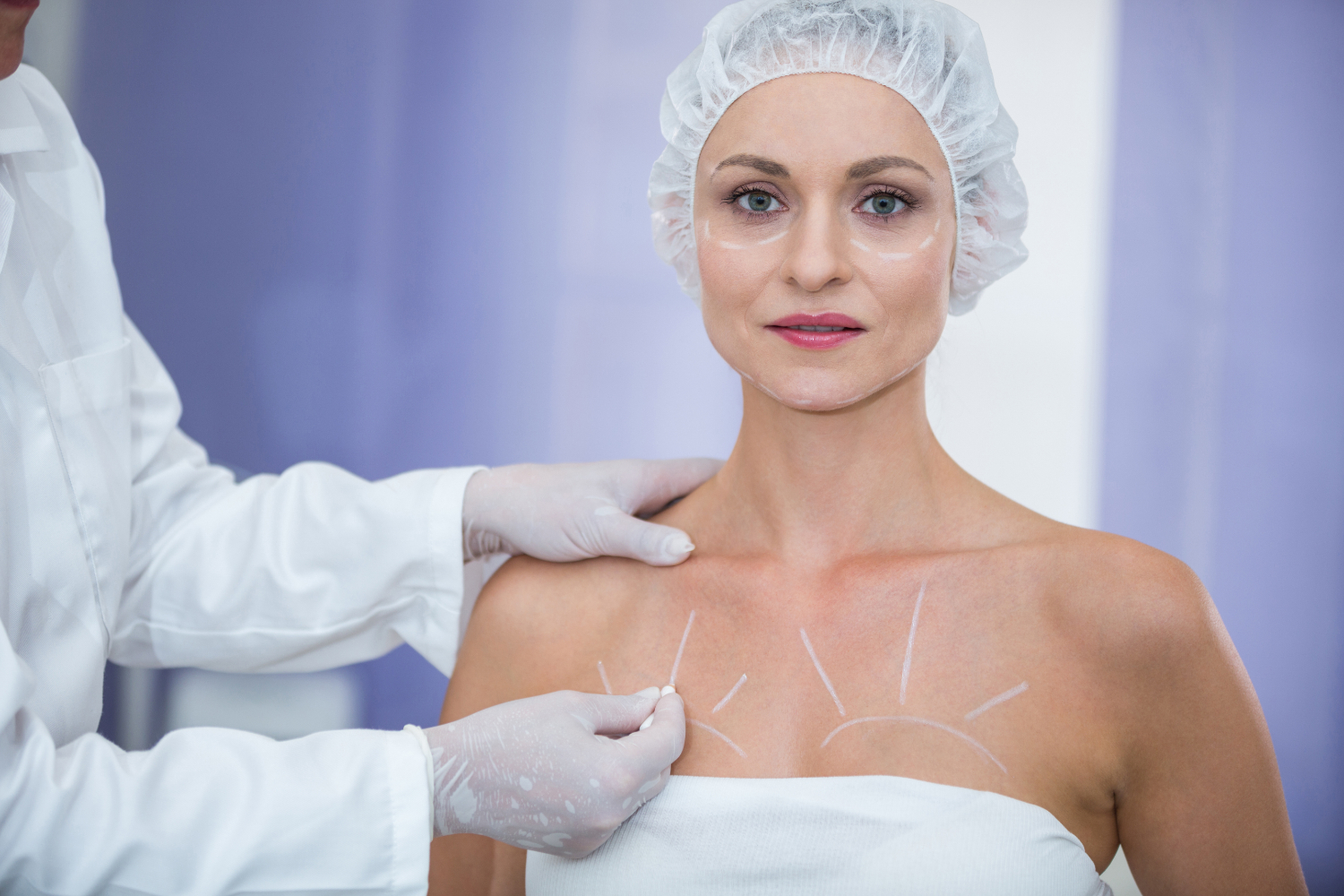
The Quest for Youthful Skin In today’s world, the quest for youthful skin is more prevalent than ever. Many individuals are turning to surgical solutions to achieve a rejuvenated appearance, and facelifts have emerged as a leading option. The benefits of a facelift extend far beyond mere aesthetics; they offer a comprehensive approach to facial rejuvenation that can significantly enhance one’s confidence and quality of life. Facelifts provide an unparalleled boost in youthful appearance by addressing deep wrinkles, sagging skin, and loss of facial volume. Unlike temporary solutions, such as creams or non-surgical treatments, facelifts deliver long-lasting results that can take years off your face. This transformative procedure tightens underlying tissues and removes excess skin, resulting in smoother contours and a revitalized look. Moreover, the psychological benefits of achieving a youthful appearance through surgery are profound. Patients often report increased self-esteem and satisfaction with their overall image post-surgery. In essence, facelifts not only refresh your exterior but also invigorate your inner sense of self-assurance. As you consider your options for maintaining or restoring youthful skin, it’s important to recognize the substantial advantages that come with rejuvenation through surgery. A facelift offers more than just cosmetic improvement—it provides an enduring solution that helps you look as vibrant on the outside as you feel on the inside. The Science Behind Facelifts: What Happens During the Procedure? The science behind facelifts can be incredibly reassuring for anyone considering this transformative procedure. At its core, a facelift is designed to address the natural signs of aging by tightening and lifting the skin, resulting in a more youthful appearance. The process begins with precise incisions strategically placed around the hairline and ears to minimize visible scarring. These incisions allow surgeons to access underlying facial tissues. The magic truly happens beneath the surface, where skilled surgeons perform surgical skin tightening by repositioning and securing deeper layers of muscle and tissue. This step is crucial as it provides a lasting foundation that supports the newly tightened skin, ensuring long-term results. During this meticulous face lift process, excess skin is carefully trimmed away before being redraped over your rejuvenated facial structure. The result? A smoother, firmer complexion that looks natural rather than stretched or artificial. By understanding these facelift procedure details, you can appreciate how modern techniques combine artistry with medical precision to deliver stunning outcomes tailored to each individual’s unique facial anatomy. How Long Do the Results of a Facelift Last? Insights and Expert Opinions When considering a facelift, one of the most pressing questions is: how long do the results truly last? Understanding the duration of facelift results is crucial for anyone looking to invest in this transformative procedure. According to expert facelift insights, the longevity of facelift effects can vary significantly depending on several factors, including individual skin type, age, and lifestyle choices. On average, patients can expect to enjoy their rejuvenated appearance for about 10 to 15 years. This impressive duration of facelift results is largely due to advancements in surgical techniques and personalized approaches that ensure natural-looking outcomes. However, it’s important to note that while a facelift can turn back the clock on aging signs like sagging skin and deep wrinkles, it doesn’t stop the aging process altogether. Experts emphasize that maintaining a healthy lifestyle—such as avoiding smoking, protecting your skin from sun exposure, and following a proper skincare regimen—can significantly enhance and prolong the longevity of facelift effects. Additionally, some patients opt for non-surgical touch-ups or complementary procedures over time to maintain their youthful glow. In conclusion, with expert guidance and proper aftercare, a facelift offers lasting benefits that can greatly enhance your confidence and overall appearance for many years. Investing in this procedure means investing in yourself—and with careful consideration and planning—you’ll find it’s an investment well worth making. The Average Number of Years a Facelift Takes Off Your Appearance When considering the transformative effects of a facelift, one of the most compelling factors is the number of years it can take off your appearance. On average, a facelift can make you look about 7 to 10 years younger. This remarkable statistic is backed by numerous studies and facial age reduction statistics that highlight the efficacy of anti-aging surgery. Facelifts are not just about tightening skin; they are comprehensive procedures that address multiple signs of aging. By repositioning underlying tissues and removing excess skin, facelifts provide a rejuvenated and natural look that non-surgical treatments simply cannot achieve. The effects are both immediate and long-lasting, offering a significant boost in confidence for those who choose this path. For anyone considering anti-aging surgery, understanding these statistics can be incredibly reassuring. Knowing that you could potentially turn back the clock by nearly a decade makes the decision even more appealing. It’s clear that facelifts remain one of the most effective solutions for those seeking significant facial age reduction.  

How to Gain a Young Look with Lower Eyelid Aesthetics?

The Importance of Lower Eyelid Aesthetics in Achieving a Youthful Appearance When it comes to maintaining a youthful appearance, the eyes play a crucial role. Often referred to as the windows to the soul, our eyes can reveal much about our age and vitality. This is where the importance of lower eyelid aesthetics comes into play. Lower eyelid aesthetics are essential because they contribute significantly to overall facial harmony. The benefits of eyelid surgery extend beyond mere cosmetic enhancement; they offer eye rejuvenation that can boost self-confidence and improve one’s quality of life. With procedures tailored to individual needs, patients can enjoy results that look natural and revitalized. Investing in lower eyelid aesthetics is not just about vanity—it’s about embracing a youthful appearance that reflects how you feel inside. With skilled professionals guiding you through the process, achieving your desired look is within reach, allowing your inner youthfulness to shine through every gaze. The Science Behind Aging Eyes and How Lower Eyelid Treatments Can Help As we journey through life, the aging process inevitably leaves its mark on our bodies, and one of the most noticeable areas is our eyes. Understanding the science behind aging eyes can help us better appreciate why certain treatments, like lower eyelid procedures, are so effective. The delicate skin around our eyes is particularly susceptible to changes as we age. This vulnerability stems from several factors, including decreased skin elasticity and shifts in eyelid anatomy. The natural reduction in collagen production leads to a loss of firmness and resilience in the skin, making it more prone to sagging and forming under-eye bags. Additionally, fat deposits that once provided youthful volume may shift or diminish over time. These changes are further exacerbated by external factors such as sun exposure and lifestyle choices, which can accelerate the appearance of aging eyes. However, there’s hope for rejuvenation through lower eyelid treatments that directly address these concerns. By targeting the specific causes of under-eye bags—such as weakened muscles and displaced fat—these procedures can restore a smoother contour beneath your eyes. Whether it’s through surgical intervention or non-invasive techniques like laser therapy or fillers, these treatments work by tightening loose skin and repositioning fat deposits for a refreshed appearance. In conclusion, while aging is an inevitable part of life, understanding its impact on our eyelids allows us to make informed decisions about how to combat these changes effectively. Lower eyelid treatments offer a scientifically-backed solution for those looking to reclaim their youthful gaze with confidence. Popular Lower Eyelid Procedures for a Younger Look Achieving a youthful appearance is a desire shared by many, and the eyes are often the focal point when it comes to rejuvenation. Fortunately, there are several popular lower eyelid procedures that can help you attain a fresher, more vibrant look. Among these options, lower blepharoplasty stands out as a highly effective surgical solution. For those hesitant about surgery, non-surgical treatments for under-eye bags offer compelling alternatives. These include injectable fillers that can smooth out hollows and reduce shadows under the eyes. Additionally, laser treatments for eyes have gained popularity due to their ability to tighten skin and stimulate collagen production without invasive measures. Whether you opt for surgical or non-surgical methods, each of these eyelid surgery options provides distinct benefits tailored to your individual needs. By consulting with a qualified specialist, you can determine which approach will best achieve your desired youthful transformation. Embrace these innovative solutions today and step confidently into a brighter tomorrow with refreshed eyes leading the way. Choosing the Right Procedure: Surgical vs. Non-Surgical Options Surgical procedures like blepharoplasty offer a more permanent solution to issues such as sagging eyelids or excess skin. The pros of blepharoplasty include dramatic, long-lasting results that can significantly enhance your appearance and boost confidence. However, it’s important to consider the cons as well—surgery involves downtime for recovery and carries risks typical of any invasive procedure. On the other hand, minimally invasive treatments provide a less daunting alternative with fewer risks and no significant downtime. Options such as laser therapy or injectable fillers can effectively address mild to moderate concerns around the eyes. These treatments are ideal if you’re looking for subtle improvements without committing to surgery. Ultimately, choosing between surgical and non-surgical options depends on your personal preferences, desired outcomes, and lifestyle considerations. Consulting with a qualified professional can further guide you in selecting the best approach tailored to your needs.  

Is Breastfeeding Possible After Breast Aesthetics?

Breast Aesthetic Procedures and Their Impact on Lactation Breast aesthetic procedures, such as breast augmentation, reduction, and lift, have become increasingly popular among individuals seeking to enhance their physical appearance. However, a common concern that arises is the potential impact these surgeries may have on breastfeeding. Understanding the relationship between cosmetic surgery and lactation is crucial for those considering these procedures. Breast augmentation involves the placement of implants to increase size or improve shape. Modern surgical techniques have evolved to minimize interference with milk ducts and nerves essential for breastfeeding. By carefully selecting incision sites and implant placement methods, surgeons can significantly reduce the risk of impacting lactation. Similarly, breast reduction surgery aims to alleviate discomfort by removing excess tissue while maintaining functionality. Skilled surgeons prioritize preserving glandular tissue and nipple sensation to ensure future breastfeeding success. The key lies in choosing experienced professionals who understand how to balance aesthetic goals with functional outcomes. A breast lift reshapes sagging breasts by removing excess skin and tightening surrounding tissue. While this procedure may involve repositioning the nipple-areola complex, advanced techniques focus on preserving milk production capabilities. Ultimately, consulting with a board-certified plastic surgeon who has experience in these specific procedures is essential for anyone concerned about breastfeeding post-surgery. They can provide personalized advice based on individual anatomy and desired outcomes while ensuring that your ability to breastfeed remains intact. In conclusion, while there are potential impacts of cosmetic surgeries on lactation, advancements in surgical techniques have made it possible for many individuals to achieve their aesthetic goals without compromising their ability to breastfeed. The Science Behind Breastfeeding Post-Surgery: What Experts Say Breastfeeding after undergoing breast implant surgery is a topic that many new mothers find themselves exploring. The good news is that the science behind lactation post-surgery offers reassuring insights. According to expert opinions on breastfeeding after aesthetics, most women with implants can successfully breastfeed their babies. Medical studies on breastfeeding post-procedure reveal that the placement of the implants plays a crucial role in determining breastfeeding success. Implants placed under the muscle are less likely to interfere with milk production compared to those placed above it. Furthermore, surgical techniques have evolved significantly, prioritizing minimal disruption to milk ducts and nerves essential for lactation. Experts emphasize that while some women may experience initial challenges, such as reduced milk supply or discomfort, these issues are often manageable with proper guidance and support from healthcare providers. Lactation consultants can provide personalized strategies to enhance milk production and ensure both mother and baby enjoy a fulfilling breastfeeding experience. Ultimately, understanding the science behind breastfeeding after implants empowers mothers with knowledge and confidence. With expert advice and medical advances, many women find they can nurture their infants naturally while embracing their aesthetic choices. Common Concerns and Misconceptions about Breastfeeding After Cosmetic Surgery When it comes to breastfeeding after cosmetic surgery, many new mothers find themselves surrounded by a whirlwind of myths and misconceptions. It’s time to set the record straight and address these common concerns with facts that reassure and empower. First, let’s tackle the myth that breast augmentation or reduction inevitably affects milk supply. In reality, most women can successfully breastfeed after such surgeries. The key factor is whether the procedure preserved the milk ducts and nerves essential for lactation. Surgeons today are highly skilled in techniques that maintain these vital structures, allowing many women to nurse their babies without issue. Another prevalent concern is nipple sensitivity post-surgery. It’s true that some women experience changes in sensation following their procedures; however, this doesn’t necessarily impede breastfeeding. In fact, sensitivity often returns over time as nerves heal naturally. The effects of anesthesia on lactation also worry many new moms. Rest assured, modern anesthetics are designed to leave your system quickly—by the time you’re ready to breastfeed, they’re typically long gone from your body. Ultimately, each woman’s experience is unique, but with proper guidance and support from healthcare professionals knowledgeable about breastfeeding post-surgery, you can confidently embark on your nursing journey knowing that most concerns have been thoroughly debunked by science and experience alike.

What is a deep plane facelift?

The Deep Plane Facelift Revolution The deep plane facelift is revolutionizing the world of cosmetic surgery, offering advanced techniques that redefine facial rejuvenation. By repositioning the underlying muscles and fat, this innovative procedure addresses sagging and volume loss more effectively, providing a comprehensive anti-aging solution. For those seeking a transformative approach to facial rejuvenation, understanding the deep plane facelift definition is crucial. This technique goes beyond surface-level adjustments by working beneath the superficial musculoaponeurotic system (SMAS), allowing for a more harmonious restoration of youthful contours. The results are not only aesthetically pleasing but also maintain a person’s unique features—preserving their identity while enhancing their appearance. Advanced facelift techniques like these are setting new standards in cosmetic surgery explanation. They offer patients an opportunity to combat signs of aging with precision and finesse, minimizing downtime and maximizing satisfaction. As more individuals seek out effective anti-aging solutions, the deep plane facelift stands at the forefront as a testament to how far surgical innovation has come in delivering unparalleled outcomes in facial aesthetics. The Science Behind a Deep Plane Facelift: How It Works The science behind a deep plane facelift can illuminate why this surgical technique is considered one of the most effective methods for achieving a youthful appearance. By addressing these foundational structures, surgeons can create more natural and long-lasting results. The key to this innovative approach lies in its comprehensive understanding of facial anatomy in facelifts. The face is not just skin-deep; it comprises complex layers of muscles, fat, and connective tissue that change over time. A deep plane facelift repositions these elements rather than merely stretching the skin. This method allows for enhanced contouring and rejuvenation without creating an overly taut or artificial appearance. Moreover, by lifting and repositioning these deeper tissues, this technique helps to maintain blood supply to the skin during surgery, promoting better healing and minimizing risks associated with traditional skin tightening methods. For those seeking significant yet subtle improvements, understanding how a deep plane facelift works reveals why it stands out as a superior choice in facial rejuvenation procedures. The Unmatched Benefits of Choosing a Deep Plane Facelift Over Traditional Methods When it comes to facial rejuvenation, the deep plane facelift stands out as a superior choice over traditional methods. By repositioning the deeper layers of facial tissue, this technique addresses sagging and volume loss at their core, ensuring that your rejuvenated appearance is maintained for years to come. Moreover, the deep plane facelift offers remarkably natural-looking results. Unlike traditional facelifts that may only tighten the skin superficially, this method enhances your natural features without creating an overly “pulled” look. The outcome is a refreshed version of yourself that exudes youthfulness and vitality. Another compelling reason to consider a deep plane facelift is its approach to scarring—or rather, lack thereof. This procedure involves minimal incisions strategically placed within natural contours or hairlines, leading to minimal visible scarring post-recovery. Finally, opting for a deep plane facelift means choosing comprehensive facial rejuvenation. It effectively targets multiple areas of concern in one procedure—addressing everything from sagging cheeks and jowls to nasolabial folds—providing you with an all-encompassing transformation that traditional methods simply can’t match. In summary, if you’re looking for long-lasting and natural-looking results with minimal scarring and comprehensive benefits, the deep plane facelift offers unmatched advantages over conventional techniques.