Is Rhinoplasty Dangerous? Understanding the Risks and Safety of Nose Surgery

The Truth About Rhinoplasty: Separating Fact from Fiction Is Rhinoplasty Dangerous? Rhinoplasty, widely recognized as a “nose job,” is a procedure that often encounters numerous myths and widespread misconceptions. Many people have preconceived notions about what rhinoplasty entails and its potential impact, which can lead to confusion and misinformation regarding this transformative cosmetic surgery. Let’s set the record straight about this popular cosmetic procedure. Contrary to popular belief, modern rhinoplasty is a safe and well-established surgery when performed by a board-certified plastic surgeon. The risks associated with nose surgery are minimal, and serious complications are rare. One prevalent myth is that rhinoplasty always results in an unnatural appearance. In reality, skilled surgeons aim for subtle enhancements that complement your facial features. Another common misconception is that rhinoplasty is extremely painful. Although some discomfort is anticipated, most patients find the pain manageable after the surgery. It’s crucial to understand that rhinoplasty isn’t just about aesthetics. Many patients undergo this procedure to correct breathing issues or repair structural defects. The surgery can significantly improve both form and function. Don’t let unfounded fears hold you back. With proper research and a qualified surgeon, rhinoplasty can be a life-changing decision. Remember, knowledge is power when it comes to cosmetic surgery. Always consult with a professional to address your specific concerns and get the facts about nose surgery. Common Risks Associated with Rhinoplasty Procedures Rhinoplasty, like any surgical procedure, comes with inherent risks that patients must carefully consider. While complications are relatively rare, it’s crucial to be aware of potential side effects. Infection is one of the primary concerns, which can lead to prolonged healing and, in severe cases, compromise the results. Bleeding and swelling are common immediately after surgery but should subside; persistent issues may indicate complications. Anesthesia-related risks, though infrequent, can range from mild nausea to more serious respiratory problems. It’s essential to disclose your full medical history to mitigate these concerns. Some patients may experience changes in sensation or numbness in the nasal area, which is usually temporary but can occasionally persist. Unsatisfactory aesthetic results are another risk to consider. Despite a surgeon’s skill, the final outcome may not align with your expectations, potentially necessitating revision surgery. Additionally, breathing difficulties can occur if the internal nasal structures are altered excessively. By choosing a board-certified plastic surgeon and following pre- and post-operative instructions diligently, you can significantly reduce these risks. Remember, being well-informed about potential complications empowers you to make the best decision for your health and appearance. How to Minimize Risks: Choosing a Qualified Surgeon When considering rhinoplasty, it’s crucial to choose a qualified surgeon to minimize risks and achieve the results you desire. Opt for a board-certified plastic surgeon with a specialization in rhinoplasty. This certification confirms that your surgeon has undergone extensive training and adheres to strict standards of patient care and safety. Make sure to conduct thorough research on your surgeon’s credentials, experience, and patient reviews. A specialist in rhinoplasty will possess a comprehensive portfolio of successful procedures, demonstrating a profound knowledge of nasal anatomy and functionality. The importance of a comprehensive consultation cannot be overstated. This is your opportunity to assess the surgeon’s expertise, discuss your goals, and address any concerns. A qualified surgeon will provide honest feedback, explain potential risks, and offer realistic expectations for your outcome. Remember, choosing the right surgeon is the most crucial step in your rhinoplasty journey. By prioritizing qualifications and expertise, you significantly reduce risks and increase the likelihood of achieving the nose you’ve always wanted. The Rhinoplasty Procedure: What to Expect During Surgery During a rhinoplasty procedure, you can expect a carefully orchestrated process designed to deliver optimal results. The surgery typically begins with the administration of anesthesia, ensuring your comfort throughout the procedure. Your surgeon will then employ advanced surgical techniques, which may include either an open or closed approach, depending on your specific needs. The actual nose job process involves reshaping the bone and cartilage to achieve the desired appearance and functionality. This may include removing excess tissue, refining the nasal tip, or adjusting the bridge. Surgical precision is paramount, with every incision and modification meticulously planned and executed. Recovery time varies, but most patients can return to work within one to two weeks. It’s important to note that while initial changes are visible immediately, the final results of your rhinoplasty will continue to refine over several months as swelling subsides. By choosing an experienced surgeon and following post-operative instructions diligently, you can look forward to a transformative experience that enhances both your appearance and confidence. Post-Surgery Care: Ensuring a Safe and Smooth Recovery Proper post-surgery care is crucial for a successful rhinoplasty outcome. Following your surgeon’s instructions diligently will ensure a safe and smooth recovery process. The healing journey begins immediately after the procedure, and your actions during this time can significantly impact the final results. Adhering to post-op instructions is non-negotiable. These guidelines are tailored to your specific case and designed to minimize complications. From managing swelling and bruising to protecting your newly shaped nose, every instruction plays a vital role in your recovery. Regular follow-up appointments are essential for monitoring your progress. These check-ups allow your surgeon to assess healing, address any concerns, and make necessary adjustments to your aftercare routine. Don’t underestimate the importance of these visits – they’re your opportunity to ensure everything is on track. Remember, rhinoplasty aftercare extends beyond the initial weeks. While most visible healing occurs in the first month, the internal healing process continues for months. Patience and dedication to your aftercare regimen will yield the best possible results, bringing you closer to your desired aesthetic goals. Long-term Results: Weighing the Benefits Against Potential Risks When considering a nose job, it’s crucial to weigh the long-term benefits against potential risks. Nose job satisfaction rates are consistently high, with many patients reporting significant improvements in their quality of life. One of the most notable benefits is improved breathing, which can enhance sleep quality and overall health. Additionally, achieving facial harmony

Mommy Makeover: Reclaim Your Pre-Baby Body with This Transformative Procedure

What Exactly is a Mommy Makeover? A Mommy Makeover is a comprehensive, personalized approach to post-pregnancy body contouring that addresses multiple concerns in a single surgical plan. This tailored combination of procedures is designed to help mothers reclaim their pre-pregnancy figures and boost their confidence.  A Mommy Makeover is highly personalized; it’s specifically designed to meet the unique needs and goals of each woman. This comprehensive approach often combines various procedures such as breast surgery (which could include augmentation, lift, or reduction), abdominoplasty (tummy tuck), liposuction, and other body contouring techniques to achieve desired results.  The exact mix of surgeries is determined based on the individual’s specific concerns and desired outcomes. This approach not only delivers more dramatic results but also reduces overall recovery time compared to having multiple separate surgeries. By addressing multiple areas simultaneously, a Mommy Makeover offers an efficient and effective way to restore a woman’s body after the physical changes of pregnancy and childbirth. It’s important to note that while the term “Mommy Makeover” is widely used, this combination of procedures is not exclusive to mothers and can benefit any woman seeking comprehensive body contouring. The Transformative Benefits of a Mommy Makeover A Mommy Makeover can be transformative, providing a holistic solution to reclaim your pre-pregnancy figure and enhance your self-esteem. This customized combination of procedures addresses multiple areas affected by childbirth and breastfeeding, delivering tailored results that align with your unique goals. By targeting concerns such as sagging breasts, excess abdominal skin, and stubborn fat deposits, a Mommy Makeover can dramatically improve your physical appearance, helping you feel more like yourself again. Beyond the visible changes, the psychological impact is profound – many women report a significant enhancement in self-esteem and body image following their transformation. With restored body confidence, you’ll find yourself embracing new opportunities, feeling more comfortable in your clothing, and radiating a renewed sense of self-assurance in all aspects of your life. The transformative benefits of a Mommy Makeover extend far beyond aesthetics, empowering you to reclaim your body and your sense of self after the incredible journey of motherhood. Common Procedures Included in a Mommy Makeover A Mommy Makeover is a tailored set of procedures designed to tackle the physical transformations women experience following pregnancy and childbirth. While each woman’s needs are unique, several common procedures are frequently included in this transformative surgery. Breast augmentation is often a cornerstone of the Mommy Makeover, restoring volume and shape to breasts that may have deflated after breastfeeding. For those experiencing sagging, a breast lift can be performed either alone or in conjunction with augmentation, creating a perkier, more youthful appearance. The tummy tuck is another essential component, targeting loose skin and separated abdominal muscles that often result from pregnancy. This procedure can dramatically flatten and tighten the midsection, restoring pre-pregnancy contours. Liposuction is frequently incorporated to address stubborn fat deposits that resist diet and exercise. This versatile technique can be applied to various areas, including the abdomen, hips, and thighs, sculpting a more defined silhouette. For women experiencing changes in vaginal tone or appearance, vaginal rejuvenation procedures can be included to enhance comfort and confidence. These treatments can improve both function and aesthetics, contributing to overall satisfaction with the Mommy Makeover results. By combining these procedures, a Mommy Makeover offers a comprehensive solution to post-pregnancy body changes, helping women reclaim their pre-baby bodies and boost their self-esteem. Who is the Ideal Candidate? The ideal candidate for a Mommy Makeover is a woman who has experienced significant post-pregnancy body changes and is looking to restore her pre-baby figure. Typically, this procedure is best suited for those who have finished having children, as future pregnancies can undo the results. Candidates should have maintained a stable weight for at least six months, as fluctuations can impact the outcome of the surgery. Good overall health is crucial for any surgical procedure, and a Mommy Makeover is no exception. Ideal candidates should be non-smokers, or willing to quit well in advance of the surgery, as smoking can impair healing and increase the risk of complications. It’s also important for potential patients to have realistic expectations about the results. While a Mommy Makeover can dramatically improve your appearance, it’s not a magic solution for all body concerns. If you’re struggling with sagging breasts, excess abdominal skin, or stubborn fat deposits that haven’t responded to diet and exercise, a Mommy Makeover could be the solution you’ve been seeking. By addressing multiple areas in a single surgical session, you can achieve comprehensive rejuvenation and reclaim your confidence. Remember, the best way to determine if you’re an ideal candidate is to consult with a board-certified plastic surgeon who can assess your individual needs and goals. Recovery Process: What to Expect The Mommy Makeover recovery process is a journey that requires patience and dedication, but the results are well worth it. Understanding what to expect can help you prepare for a smooth and successful recovery. Typically, the recovery timeline spans several weeks, with the first two being the most crucial. During this period, post-operative care is paramount, focusing on wound healing and pain management. During the early days post-surgery, you may face some discomfort, which can generally be controlled with prescribed medications and adequate rest. It’s crucial to adhere strictly to your surgeon’s guidance, including adhering to limitations on activities to prevent any complications and promote effective healing. Avoid heavy lifting, including picking up your children, and stay away from vigorous activities for at least six weeks. Regular follow-up visits with your surgeon are essential to keep track of your recovery and address any issues that may arise. These appointments provide an opportunity to adjust your recovery plan if necessary. Keep in mind that everyone’s healing journey is different, so your recovery may not align perfectly with others’. By adhering to your post-operative care instructions and maintaining open communication with your healthcare team, you’ll be well on your way to enjoying your rejuvenated appearance. The Mommy Makeover recovery process may seem daunting,

Recovery Timeline After a Facelift: Your Guide to a Smooth and Speedy Healing Process

Facelift Procedure: What to Expect A facelift, or rhytidectomy, is a transformative surgical procedure designed to address visible signs of aging in the face and neck. Understanding what to expect can help you make an informed decision about this life-changing surgery. There are several types of facelifts, ranging from mini-lifts to full facelifts, each tailored to address specific concerns. Your surgeon will recommend the most suitable option based on your unique facial structure and desired outcomes. The surgery usually starts with the application of anesthesia for your comfort. Incisions are meticulously placed, often beginning near the temples and continuing around the ear. Through these carefully placed incisions, your surgeon skillfully adjusts the underlying tissues, removes excess skin, and tightens the remaining skin to create a refreshed and youthful appearance. It’s important to note that while a facelift can dramatically improve your appearance, it’s not a one-size-fits-all solution. The best results come from a personalized approach, combining surgical expertise with an understanding of your individual goals. By choosing a board-certified plastic surgeon and following their pre- and post-operative instructions, you can maximize your chances of achieving the refreshed, natural-looking results you desire. Facelift Immediate Post-Surgery Care: The First 24-48 Hours The initial 24-48 hours post-surgery are critical for your recovery. Effective post-operative care during this time can greatly influence your healing trajectory and the final results. To optimize recovery, adhere to pain management protocols with medications prescribed by your surgeon. Reduce swelling by using cold compresses and maintaining elevation of the affected area whenever feasible. Carefully follow instructions for bandage care, keeping the surgical site clean and dry to prevent infection. Stick to your medication schedule religiously, as this will help manage pain and reduce the risk of complications. Remember, your body needs rest to heal, so avoid strenuous activities and get plenty of sleep. By diligently following these post-surgery care guidelines, you’ll set yourself up for a smoother recovery and better long-term results. Don’t hesitate to contact your healthcare provider if you have any concerns or experience unexpected symptoms during this critical period. Week 1: Managing Discomfort and Initial Healing During the first week after your procedure, managing discomfort and promoting initial healing are crucial. Expect some bruising and swelling, which are normal parts of the recovery process. To minimize these effects, apply cold compresses as directed by your surgeon and keep the affected area elevated when possible. Your sleeping position is vital for optimal healing. Follow your doctor’s recommendations, which may include sleeping on your back with your head elevated. This position helps reduce swelling and protects your surgical site. Diet plays a significant role in your recovery. Stick to easily digestible, nutrient-rich foods that support healing. Stay hydrated by drinking plenty of water, and avoid alcohol and excessive salt intake, as these can exacerbate swelling. Activity restrictions are in place to protect your results and ensure proper healing. Avoid strenuous exercise, heavy lifting, and any activities that could potentially strain your surgical area. Light walking is encouraged to promote circulation, but listen to your body and don’t overexert yourself. By adhering to these guidelines, you’re setting the stage for a smooth recovery and optimal results. Remember, following your surgeon’s instructions diligently during this critical first week will significantly impact your overall healing process. Weeks 2-3: Visible Improvements and Gradual Return to Normalcy As you enter weeks 2-3 post-facelift, you’ll begin to see visible improvements that will boost your confidence. This period marks a gradual return to normalcy, with several exciting milestones along the way. Suture removal, if needed, typically occurs during this time, signaling a significant step in your recovery. Once your surgeon gives the green light, you can start applying light makeup to conceal any remaining bruising, helping you feel more like yourself. Gentle exercises can now be incorporated into your routine, promoting blood circulation and overall well-being. You may also feel ready to engage in social activities, though it’s wise to ease back into your social calendar gradually. Don’t forget to attend your follow-up appointments during this period. These check-ups are crucial for monitoring your progress and addressing any concerns. Your surgeon will provide personalized advice on resuming more strenuous activities and fine-tuning your skincare routine. Remember, while you’re seeing improvements, your face is still healing. Patience is key as you continue to witness the transformative results of your facelift unfold. Weeks 4-6: Continued Healing and Increased Activity As you enter weeks 4-6 of your facelift recovery, you’ll notice significant improvements in your appearance and overall comfort. This is the perfect time to focus on scar care and sun protection to ensure optimal healing. Apply silicone-based scar treatments as directed by your surgeon and always use a broad-spectrum SPF 30+ sunscreen when outdoors. Now is the perfect time to gently reintroduce exercise, starting with light activities and slowly increasing the intensity as your recovery progresses. Always listen to your body and cease any activity if you feel discomfort. During this phase, you can also begin facial massage techniques, which aid in reducing swelling and enhancing blood flow. Be sure to consult with your surgeon for specific massage techniques that are best suited to your recovery needs. Emotional well-being is also crucial during this recovery period. It’s common to go through a variety of emotions as you adapt to your new look. Prioritize self-care and seek support from friends and family to help navigate this emotional journey. By adhering to these guidelines, you’ll be on track to reap the full benefits of your facelift and ensure a smooth and effective recovery. Months 2-3: Long-Term Results and Maintenance As you enter months 2-3 post-treatment, you’ll witness the full, stunning transformation of your skin. This is when the final results of your non-surgical treatments truly shine through. Your skincare routine becomes crucial at this stage, playing a pivotal role in maintaining and enhancing your newfound radiance. Embrace the power of consistency by adhering to your personalized regimen, which may include medical-grade products specifically tailored to your skin’s needs.

Neck Lift: What is it? Benefits and Recovery

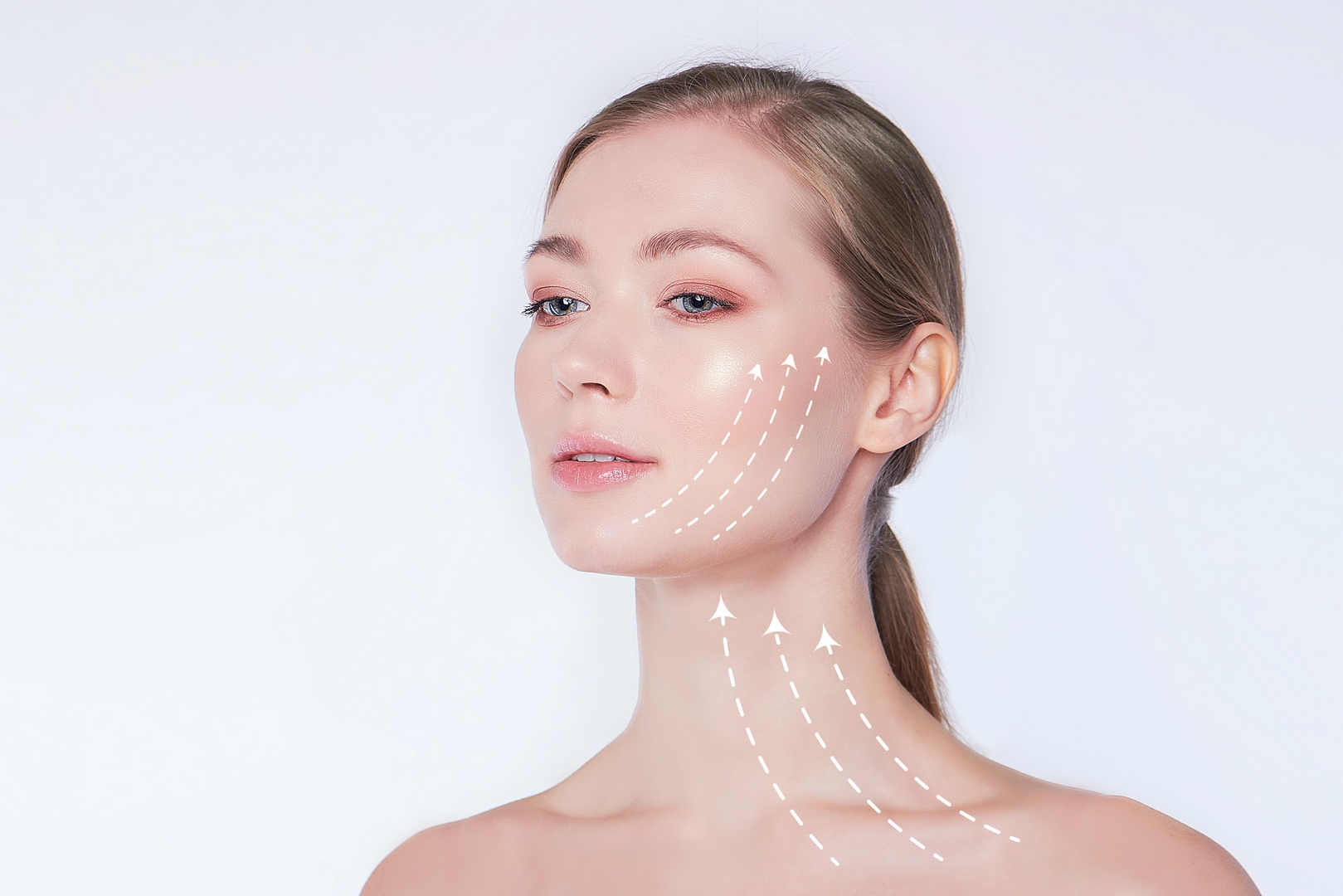
What is a Neck Lift? Understanding the Basics A neck lift, also known as lower rhytidectomy, is a transformative cosmetic neck procedure designed to rejuvenate and contour the neck area. This surgical intervention effectively addresses common signs of aging, such as sagging skin, excess fat deposits, and muscle banding, resulting in a more youthful and defined neckline. During a neck lift surgery, skilled surgeons employ advanced techniques to tighten loose skin, remove excess fat, and restructure underlying muscles. This comprehensive approach ensures optimal neck contouring, dramatically improving the appearance of a “turkey neck” or double chin. The benefits of neck rejuvenation extend beyond mere aesthetics. Many patients report increased confidence and a renewed sense of self after undergoing this procedure. Moreover, a well-executed neck lift can create a more harmonious balance between the face and neck, enhancing overall facial aesthetics. It’s essential to understand that neck lift surgery is a highly tailored procedure, customized to meet the specific needs and goals of each individual. Experienced cosmetic surgeons tailor their approach to each patient’s unique anatomy and desired outcomes, ensuring natural-looking results that complement the individual’s features. If you’re considering a neck lift, consulting with a board-certified plastic surgeon is crucial. They can provide detailed information about the procedure, assess your candidacy, and help you make an informed decision about whether this transformative surgery is right for you. The Tell-Tale Signs You Might Need a Neck Lift If you’re starting to notice changes in your neck that are affecting your confidence, it may be worth considering a neck lift. Here are some key indicators that suggest you might be an ideal candidate for this revitalizing procedure. Sagging neck skin, frequently described as ‘turkey neck,’ is a prevalent issue that tends to occur with aging. If you find yourself frequently adjusting scarves or opting for turtlenecks to conceal loose skin, a neck lift might be the solution you’re looking for. Additionally, the presence of neck bands—those vertical lines that become more visible as muscle cords become prominent—can also be effectively treated through this procedure. Struggling with a persistent double chin, even though you maintain a healthy weight? This stubborn fat deposit can be targeted and eliminated with a neck lift. Similarly, if you’ve started to notice the formation of jowls along your jawline, causing your face to appear heavier, a neck lift can work wonders in restoring a more youthful and defined contour. Keep in mind that signs of an aging neck often emerge before those on the face, potentially making you appear older than you feel. A neck lift can bring harmony between your neck and face, resulting in a more balanced and youthful appearance. Don’t allow your neck to reveal your true age—think about how a neck lift could rejuvenate your appearance and enhance your self-confidence. The Transformative Benefits of a Neck Lift A neck lift can be a game-changer for those seeking to restore a more youthful appearance. This transformative procedure not only eliminates the dreaded double chin but also dramatically tightens loose skin, resulting in a sleeker, more defined jawline. The benefits extend far beyond the physical, as patients often experience a significant boost in confidence and self-esteem. By addressing sagging neck tissues and excess fat, a neck lift can take years off your appearance, helping you look as young as you feel. Whether you’re bothered by a “turkey neck” or simply want to enhance your profile, this procedure offers a powerful solution to achieve a more refined and rejuvenated look. Don’t underestimate the impact of a well-contoured neck – it can be the key to unlocking a whole new level of self-assurance and vitality. The Procedure: What to Expect During Surgery During a neck lift procedure, you can expect a transformative experience that addresses sagging skin and excess fat in the neck area. The surgery typically begins with the administration of anesthesia, ensuring your comfort throughout the process. Your surgeon will employ advanced neck lift techniques, carefully placing incisions in discreet locations, often behind the ears and under the chin, to minimize visible scarring. The core of the procedure involves meticulous tissue repositioning, where your surgeon skillfully tightens underlying muscles and removes excess skin to create a more youthful and defined neck contour. In many cases, liposuction is incorporated to remove stubborn fat deposits, further enhancing the overall results. Throughout the surgery, your surgeon will utilize their expertise to tailor the procedure to your unique anatomy and aesthetic goals. By combining various neck lift techniques, they can effectively address multiple concerns in a single session, maximizing the impact of your transformation. Rest assured that every step of the procedure is performed with precision and care, setting the stage for a rejuvenated appearance and boosted confidence. Recovery and Aftercare: Your Path to a Renewed Neck Recovery and aftercare are crucial components of your neck lift journey, ensuring optimal results and a smooth healing process. Typically, neck lift recovery time spans about two to three weeks, during which you’ll notice significant improvements in your appearance. To expedite your recovery and minimize discomfort, follow these essential post-operative care guidelines. Reducing swelling is crucial in the initial days after your procedure. To help minimize fluid buildup, follow your surgeon’s instructions on applying cold compresses and ensure your head remains elevated, even during sleep. Pain management is typically manageable, with most patients experiencing relief through prescribed medications or over-the-counter painkillers. Following activity restrictions is essential for a smooth recovery. It’s important to avoid strenuous exercise, heavy lifting, and sudden head movements for at least two weeks. As you progress, gradually reintroduce light activities according to your surgeon’s guidance. Patience is crucial – even if you start feeling better soon, your body still needs time to heal fully on the inside. By following these aftercare instructions diligently, you’re paving the way for a successful recovery and long-lasting results. Your renewed neck is within reach – stay committed to your aftercare regimen, and you’ll soon be showcasing your rejuvenated appearance with confidence. Combining

Face Lift: What is it? Benefits and Recovery

Face Lifts A face lift surgery targets sagging skin, deep creases, and loss of muscle tone that naturally occur with age. By skillfully repositioning facial tissues and removing excess skin, a facelift can dramatically rejuvenate your appearance, restoring a more youthful and vibrant look. Unlike temporary solutions, facelift surgery offers long-lasting results, making it a popular choice for those seeking significant facial rejuvenation. The procedure can address multiple concerns simultaneously, including jowls, deep nasolabial folds, and neck laxity. It’s important to understand that a facelift is not just about tightening skin; it’s a comprehensive approach to facial restructuring that can take years off your appearance. As an anti-aging treatment, facelifts have evolved significantly over the years. Modern techniques ensure natural-looking results, avoiding the ‘pulled’ or ‘windswept’ look associated with older methods. When performed by a skilled surgeon, a facelift can subtly enhance your features while maintaining your unique facial characteristics, leaving you looking refreshed and confident. The Science Behind Face Lifts: How Do They Work? Face lifts have become a cornerstone of modern cosmetic surgery, offering remarkable results in facial rejuvenation. The science behind this transformative procedure is both fascinating and complex. At its core, a face lift works by addressing three key aspects of aging: skin laxity, muscle descent, and volume loss. The surgical technique begins with carefully placed incisions that allow access to the underlying facial structures. Skin tightening is achieved by gently lifting and repositioning the skin, removing excess tissue, and creating a smoother, more youthful appearance. However, the true magic lies in the deeper layers. Muscle repositioning is a crucial step in the face lift process. As we age, facial muscles tend to sag, contributing to jowls and a drooping appearance. By strategically lifting and securing these muscles, surgeons can restore a more youthful facial contour. Stimulating collagen production is a crucial aspect of a facelift’s success. The procedure activates the body’s natural healing processes, encouraging the generation of collagen – the essential protein that maintains skin’s elasticity and firmness. This increase in collagen production helps ensure long-lasting results and enhances overall skin quality. Facial contouring is the final touch that sets a skilled face lift apart. By carefully manipulating tissues and addressing volume loss, surgeons can sculpt a more defined jawline, enhance cheekbones, and restore balance to facial features. In essence, a face lift is not just about tightening skin; it’s a comprehensive approach to facial rejuvenation that combines artistry with advanced surgical techniques to turn back the clock on aging. Remarkable Benefits of Face Lifts: More Than Just Looking Younger Face lifts offer a multitude of remarkable benefits that extend far beyond simply looking younger. While wrinkle reduction is a well-known advantage, this transformative procedure delivers so much more. One of the most striking improvements is the enhanced definition of the jawline, creating a more sculpted and youthful appearance. Additionally, neck tightening effectively addresses sagging skin, resulting in a smoother, more elegant profile. But the benefits aren’t just skin-deep. Many patients report a significant boost in self-confidence following their face lift. This renewed sense of self can positively impact various aspects of life, from personal relationships to professional endeavors. What’s truly impressive is that modern face lift techniques produce natural-looking results, ensuring you look like a refreshed version of yourself rather than an entirely different person. With these comprehensive improvements, it’s clear that face lifts offer a powerful combination of physical and emotional benefits. Whether you’re looking to turn back the clock or simply want to feel more confident in your own skin, a face lift could be the transformative solution you’ve been seeking. Who is the Ideal Candidate for a Face Lift? The ideal candidate for a face lift is typically someone who’s experiencing visible signs of aging but still maintains good skin elasticity. While age is a factor, it’s not the sole determinant; candidates usually range from their mid-40s to 70s. Health requirements are crucial – you should be in good overall health, a non-smoker, and free from medical conditions that could impair healing. Realistic expectations are paramount. A face lift can dramatically improve your appearance, but it won’t stop the aging process or completely transform you. The best candidates understand this and seek enhancement rather than perfection. The consultation process is vital in determining your suitability. During this stage, your surgeon will assess your skin quality, bone structure, and discuss your goals.  Remember, the ideal candidate isn’t just physically suitable, but also emotionally prepared for the changes a face lift brings. If you meet these criteria, a face lift could be an excellent option to rejuvenate your appearance and boost your confidence. The Face Lift Procedure: What to Expect During Surgery When undergoing a face lift procedure, it’s crucial to understand what happens during the surgery. Your surgeon will begin by administering anesthesia, offering options such as local anesthesia with sedation or general anesthesia, ensuring your comfort throughout the process. Incision placement is meticulously planned, typically starting at the temples, continuing around the ears, and potentially extending to the lower scalp. These carefully chosen locations allow for optimal results while minimizing visible scarring. During the surgery, the surgeon will expertly adjust the underlying tissues, repositioning and tightening them to achieve a rejuvenated look. This may involve lifting and repositioning facial fat, muscles, and skin. Advanced suturing techniques are then employed to secure the lifted tissues in place, ensuring long-lasting results. The duration of a face lift surgery typically ranges from four to six hours, depending on the extent of the procedure and individual patient needs. Throughout this time, your surgical team will work diligently to achieve the desired outcome while prioritizing your safety and well-being. By understanding these key aspects of the face lift procedure, you can approach your surgery with confidence, knowing you’re in capable hands. Recovery After a Face Lift: Timeline and Tips for Optimal Healing Recovery after a face lift is a crucial period that significantly impacts your final results. Understanding the timeline and following proper post-operative