- moderator10
- 0 Comments
What Is Jawline Contouring Surgery?
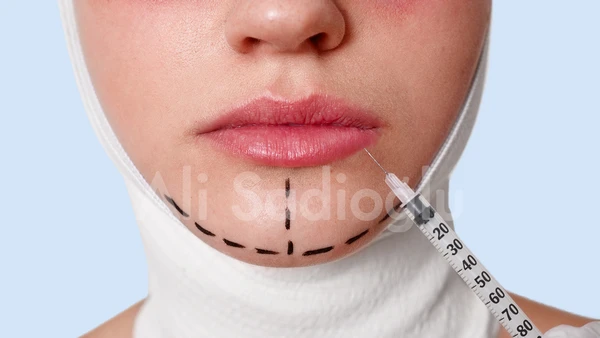
Jawline contouring surgery is a facial aesthetic procedure designed to enhance the definition, shape, and projection of the lower face. The goal is to create a sharper, more structured jawline that improves overall facial balance and profile appearance.
The jawline is a key element in creating balanced and well-defined facial proportions. A well-defined mandibular border can make the face appear slimmer, more youthful, and more proportionate. In some individuals, genetics, aging, or soft tissue laxity may cause the jawline to look weak, rounded, or undefined. Jawline contouring addresses these concerns by reshaping bone structure, adjusting soft tissue, or enhancing projection.
Depending on the patient’s anatomy and aesthetic goals, the procedure may involve jaw implants, bone reshaping, or a combination of contouring techniques. In certain cases, complementary treatments such as chin augmentation or neck contouring may be recommended to achieve a more balanced result.
Jawline contouring is not about creating an exaggerated or artificial appearance. Instead, the objective is to refine the lower facial framework so it integrates naturally with the rest of the facial features. Careful analysis of facial proportions ensures that the final outcome enhances both frontal and side profiles.
Who Is an Ideal Candidate for Jawline Contouring?
Jawline contouring surgery is suitable for individuals who feel that their lower face lacks definition or structure. A weak jawline, excess fullness along the mandibular border, or an imbalanced side profile are common concerns among patients considering this procedure.
Good candidates are generally healthy adults with realistic expectations about surgical outcomes. The ideal patient is not seeking a dramatic transformation, but rather a more defined and harmonious facial appearance. Since the jawline directly influences facial symmetry, candidates should undergo a detailed facial analysis before surgical planning.
Patients with a naturally recessed jaw, soft tissue sagging due to aging, or disproportion between the chin and jawline may benefit significantly from contouring procedures. In some cases, jawline contouring may be combined with chin augmentation or neck liposuction to enhance overall lower-face definition.
Skin quality is also an important factor. Individuals with good skin elasticity often achieve smoother and more refined results. However, in cases of skin laxity, additional tightening procedures may be recommended to optimize the outcome.
A personalized consultation is essential to determine suitability. Facial proportions, bone structure, and aesthetic goals must all be carefully evaluated to ensure the procedure enhances the profile while maintaining natural balance.
Surgical Techniques Used to Define the Jawline
Jawline contouring surgery can involve different techniques depending on the patient’s anatomical structure and aesthetic goals. The approach is highly individualized, as some patients require structural enhancement while others benefit from reduction or reshaping.
For individuals with a weak or under-projected jawline, customized jaw implants may be used to enhance definition and create stronger angles. These implants are carefully selected and positioned to improve projection while maintaining natural facial proportions. The goal is to achieve a sharper contour without creating an artificial appearance.
In cases where the jaw appears overly wide or asymmetrical, bone reshaping techniques may be performed. This involves carefully sculpting the mandibular bone to refine its shape and improve balance. Precision is critical, as even small adjustments can significantly influence overall facial harmony.
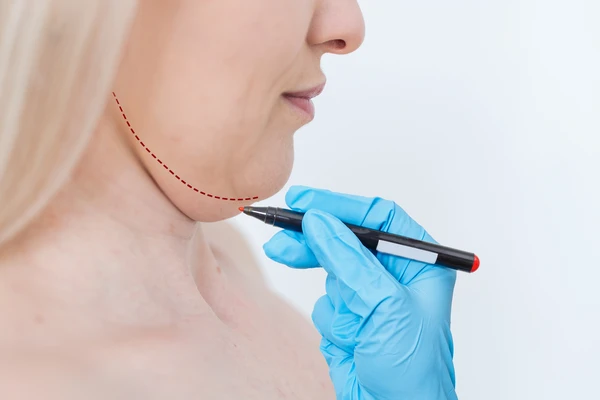
Soft tissue contouring may also play an important role. If excess fat or tissue along the jawline blurs definition, targeted liposuction or soft tissue refinement can help reveal a clearer mandibular border. In some patients, combining structural enhancement with soft tissue contouring produces the most refined result.
Every surgical plan is designed after a comprehensive facial analysis. The objective is not simply to create a sharp jawline, but to ensure that the lower face integrates seamlessly with the chin, neck, and midface structures.
How Jawline Contouring Enhances Facial Balance
The jawline is a defining structural element of the lower face. When it lacks projection or clarity, the entire facial profile can appear softer or less proportionate. Jawline contouring enhances facial balance by strengthening the framework that supports the chin, cheeks, and neck.
A well-defined jawline creates a clearer separation between the face and neck, contributing to a more sculpted appearance. This distinction is particularly important in profile view, where chin projection, jaw angle, and neck contour must align harmoniously. Even subtle improvements in these areas can significantly elevate overall facial symmetry.
Facial balance is based on proportion. The relationship between the forehead, midface, and lower face determines aesthetic harmony. When the jawline is underdeveloped or blurred by excess soft tissue, this proportion may be disrupted. Contouring procedures restore equilibrium by refining the lower facial third.
In male patients, a sharper jawline often enhances a stronger and more structured look. In female patients, refinement focuses on elegance and contour without creating harsh angles. The surgical plan always considers gender characteristics and individual anatomy to maintain natural expression.
Ultimately, jawline contouring does not aim to exaggerate features. Instead, it enhances structural definition so that the lower face complements the rest of the facial anatomy in a seamless and balanced way.
Recovery Process After Jawline Contouring Surgery
Recovery after jawline contouring surgery varies depending on the techniques used and the extent of structural modification. Mild swelling, bruising, and temporary tightness along the lower face are common during the first days following the procedure. These symptoms typically diminish over time as the healing process continues.
In most cases, patients are able to resume light everyday routines within about one to two weeks. However, strenuous exercise and activities that may impact the jaw area should be avoided for several weeks.Wearing a compression garment may be advised to minimize swelling and assist the as the tissues gradually adjust and settle into their newly sculpted shape. adapt to their new contours.
During the early healing phase, the jawline may appear firmer or slightly over-defined due to swelling. This is temporary. As inflammation decreases, the contour becomes more refined and natural-looking. Subtle improvements continue over several months as soft tissues settle and adapt to the enhanced structure.
Follow-up appointments are essential to monitor healing and ensure optimal results. Patients are advised to follow post-operative instructions carefully, including dietary adjustments if necessary and maintaining proper oral hygiene when incisions are placed inside the mouth.
Full results typically become visible within a few months, with continued refinement up to a year. When properly planned and executed, jawline contouring provides long-lasting enhancement, creating a sharper and more defined profile that remains harmonious with the overall facial structure.
This completes the overview of jawline contouring surgery and its role in achieving a balanced, sculpted lower face.