- moderator10
- 0 Comments
What Is 360 Body Contouring?
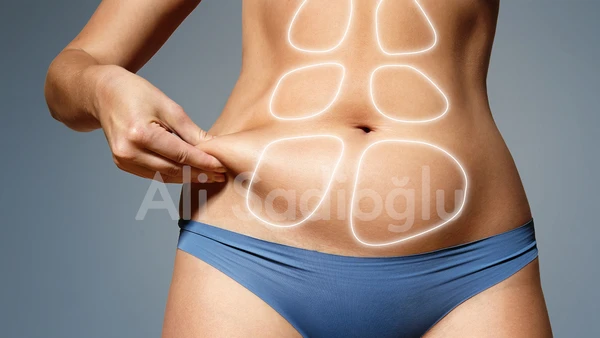
360 body contouring is a comprehensive body shaping procedure that targets the entire waist and abdominal area. While traditional liposuction typically focuses on fat accumulation in a single region, 360 body contouring evaluates the abdomen, flanks, lower back, and waistline as a whole. The goal is not only to remove fat, but to reshape the body three-dimensionally to create a more balanced and proportionate silhouette.
The term “360” refers to treating the front, sides, and back of the torso together. The procedure does not simply flatten the abdomen; it enhances the waistline definition, slims the flanks, and refines the back contour. This approach creates a more defined waist curve and smoother aesthetic transitions.
This procedure is generally performed using advanced liposuction technologies. However, the key difference lies in strategic planning. Rather than removing fat from a single area, the body’s proportions are carefully analyzed. Fat is reduced in selected areas while volume balance is preserved in others to achieve a natural-looking result.
360 body contouring is customized for each patient. A shaping plan is created based on skin elasticity, fat distribution, and aesthetic expectations. For this reason, results may appear more balanced, athletic, and natural.
What Is Traditional Liposuction?
Traditional liposuction is a cosmetic surgical procedure designed to remove stubborn fat deposits from specific areas of the body. It is most commonly performed on the abdomen, hips, thighs, arms, and under the chin. The primary goal is to reduce localized fat that does not respond to diet and exercise.
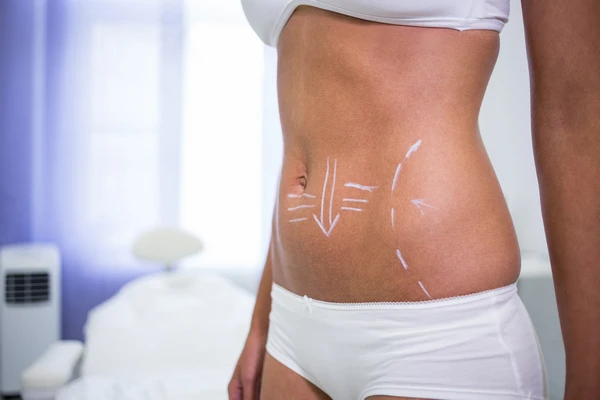
During the procedure, small incisions are made and thin cannulas are inserted to remove fat using suction. The treatment typically focuses on a single area. For example, only the abdomen or just the flanks may be addressed. Planning is usually localized, and a comprehensive proportional analysis of surrounding areas may not always be prioritized.
Although traditional liposuction is an effective fat reduction method, it primarily decreases volume in the targeted area. As a result, harmony with surrounding regions may not always be fully achieved. When the front, sides, and back of the waistline are not considered together, the outcome may appear flatter rather than contoured.
However, with proper patient selection, traditional liposuction can provide successful and satisfying results. It is an effective option for individuals with good skin elasticity and localized fat accumulation in a specific area.
In the next section, we will examine the key differences between 360 body contouring and traditional liposuction in detail.
Key Differences Between 360 Body Contouring and Traditional Liposuction
The most important difference between 360 body contouring and traditional liposuction lies in the treatment approach. Traditional liposuction focuses on reducing excess fat in a specific area, whereas 360 body contouring evaluates the entire waist circumference comprehensively. This allows the results to provide not only slimming but also improved body proportions.
In the traditional method, planning is generally based on a single region. For instance, only abdominal fat may be removed. In contrast, 360 body contouring addresses the abdomen, flanks, and lower back together. The waistline is shaped from the front, side, and back. This three-dimensional approach can create a more defined waist curve and a more aesthetic silhouette.
Another difference appears in the aesthetic objective. Traditional liposuction is primarily fat-reduction focused. 360 body contouring, however, is focused on shaping and proportioning. The aim is not merely to reduce volume, but to re-contour the body. As a result, outcomes may look more athletic and natural.
The visual impact of results may also differ. After single-area liposuction, the treated region becomes slimmer, while surrounding areas may remain unchanged. In 360 body contouring, transitions are softened to create a harmonious overall slimming effect. This approach can produce a more noticeable difference, especially in the waistline.
In summary, traditional liposuction provides localized fat reduction, whereas 360 body contouring offers a more comprehensive body sculpting approach. In the next section, we will detail which areas are included in 360 body contouring.
Which Areas Does 360 Body Contouring Include?
Because 360 body contouring treats the waist as a whole, it includes multiple anatomical regions. The most commonly treated areas are the abdomen, flanks, and lower back. However, the treatment plan can be expanded depending on the patient’s body structure.
The abdomen is often one of the areas with the most significant fat accumulation. The upper and lower abdomen are evaluated separately to create smooth, natural transitions. The goal is not only a flat stomach, but a slimming effect that harmonizes with the waistline.
The flanks—commonly referred to as “love handles”—are a key component of the 360 approach. When this area is reduced, the waist curve becomes more defined. Addressing only the abdomen is often insufficient; contouring the flanks is essential to achieve aesthetic balance.
The lower back is another area that is frequently overlooked. Fat deposits in the lower back can make the waist appear thicker. Since 360 body contouring includes this region, it enhances contour definition and slimming from the back view as well.
In some patients, the upper back, bra-line area, or the upper hip transition zone may also be included in the plan. This comprehensive approach ensures a harmonious silhouette from the front, side, and back. It is this all-encompassing strategy that distinguishes 360 body contouring from traditional liposuction.
Who Is a Suitable Candidate for 360 Body Contouring?
360 body contouring is suitable for individuals who are close to their ideal weight but have stubborn fat accumulation around the waist. This procedure is not a weight-loss treatment; rather, it aims to enhance body contours and improve proportions.
Individuals with good skin elasticity generally achieve more successful results, as the skin needs to adapt to the new contours after fat reduction. In cases of significant skin laxity, additional surgical procedures may be required.
Patients with disproportionate fat distribution in the abdomen, flanks, and back may benefit more from the 360 approach. Removing fat from a single area may not achieve aesthetic balance; therefore, comprehensive planning offers advantages, particularly for those seeking a more defined waistline.
Ideal candidates are in good general health, have realistic expectations, and are able to comply with the postoperative recovery process. Factors such as smoking, chronic conditions, and issues that may affect healing should be evaluated beforehand.
Planning for 360 body contouring should always be individualized. A detailed consultation and analysis process is essential. In Istanbul, aesthetic surgeon Dr. Ali Sadioğlu evaluates each patient’s anatomical structure and expectations to create a personalized contouring plan.