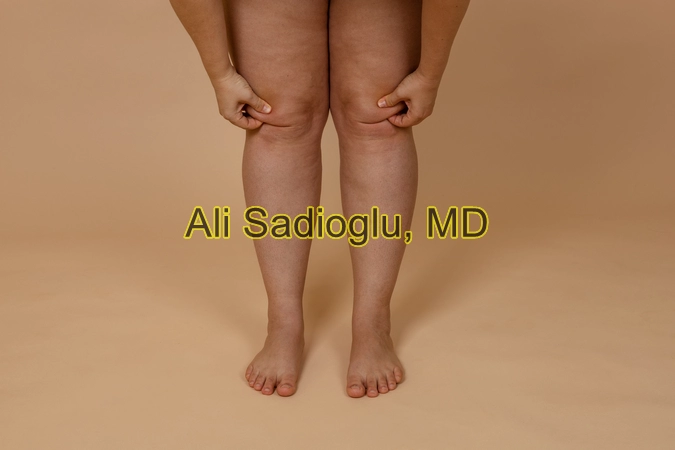
The Concept of Leg Aesthetics and Ideal Proportions
The legs play a central role in overall body harmony. In aesthetic terms, the ideal legs are defined not only by their length but also by smooth contours, balanced muscle tone, and symmetrical proportions between the thighs, knees, and calves. Aesthetic leg design focuses on achieving a natural taper from the upper thigh to the ankle, creating a graceful and balanced silhouette.
Factors such as genetics, hormonal balance, and lifestyle habits can significantly affect the accumulation of fat in the legs. For many individuals, even strict dieting and regular exercise fail to eliminate stubborn fat deposits on the inner thighs, knees, or calves. These localized fat pockets often distort the natural proportions of the body, causing the legs to appear heavier or disproportionate.
According to aesthetic doctor Ali Sadioğlu, leg contouring should never aim for extreme thinness but for harmony between the lower and upper body. The goal is to sculpt the legs in a way that looks elegant both in motion and at rest — emphasizing proportion, not just reduction.
Liposuction for Legs: Target Areas and Techniques
Leg liposuction is one of the most effective procedures for reshaping the lower body and achieving slimmer, more defined legs. Unlike general weight loss methods, liposuction allows precise removal of fat deposits that are resistant to diet and exercise, offering long-term contour improvement.
The most commonly treated areas include the inner and outer thighs, knees, calves, and ankles. Each region requires a tailored approach because the skin thickness, fat density, and vascular structure vary from one area to another. For example, the inner thighs often respond well to gentle suction to avoid surface irregularities, while the outer thighs may require deeper contouring to smooth the “saddlebag” appearance.
Recovery and Maintenance After Leg Contouring
Recovery after leg liposuction is generally smooth when patients follow post-operative care instructions closely. In the first few days, mild swelling and sensitivity are normal, but these gradually diminish as the healing process continues. Wearing a compression garment is essential during this period — it helps control swelling, supports tissue adaptation, and ensures that the new leg contours stabilize properly.
Most patients are able to return to light activities within one week, while more intensive exercise should be postponed for about four to six weeks. Gentle walking is encouraged to improve circulation and speed up recovery. Maintaining a stable body weight is crucial since significant weight gain or loss can alter the results of leg contouring.
According to aesthetic doctor Ali Sadioğlu, a successful leg liposuction outcome depends not only on surgical precision but also on the patient’s lifestyle choices after the procedure. Balanced nutrition, adequate hydration, and avoiding prolonged sitting or standing all help preserve the refined, slimmer leg appearance for years.