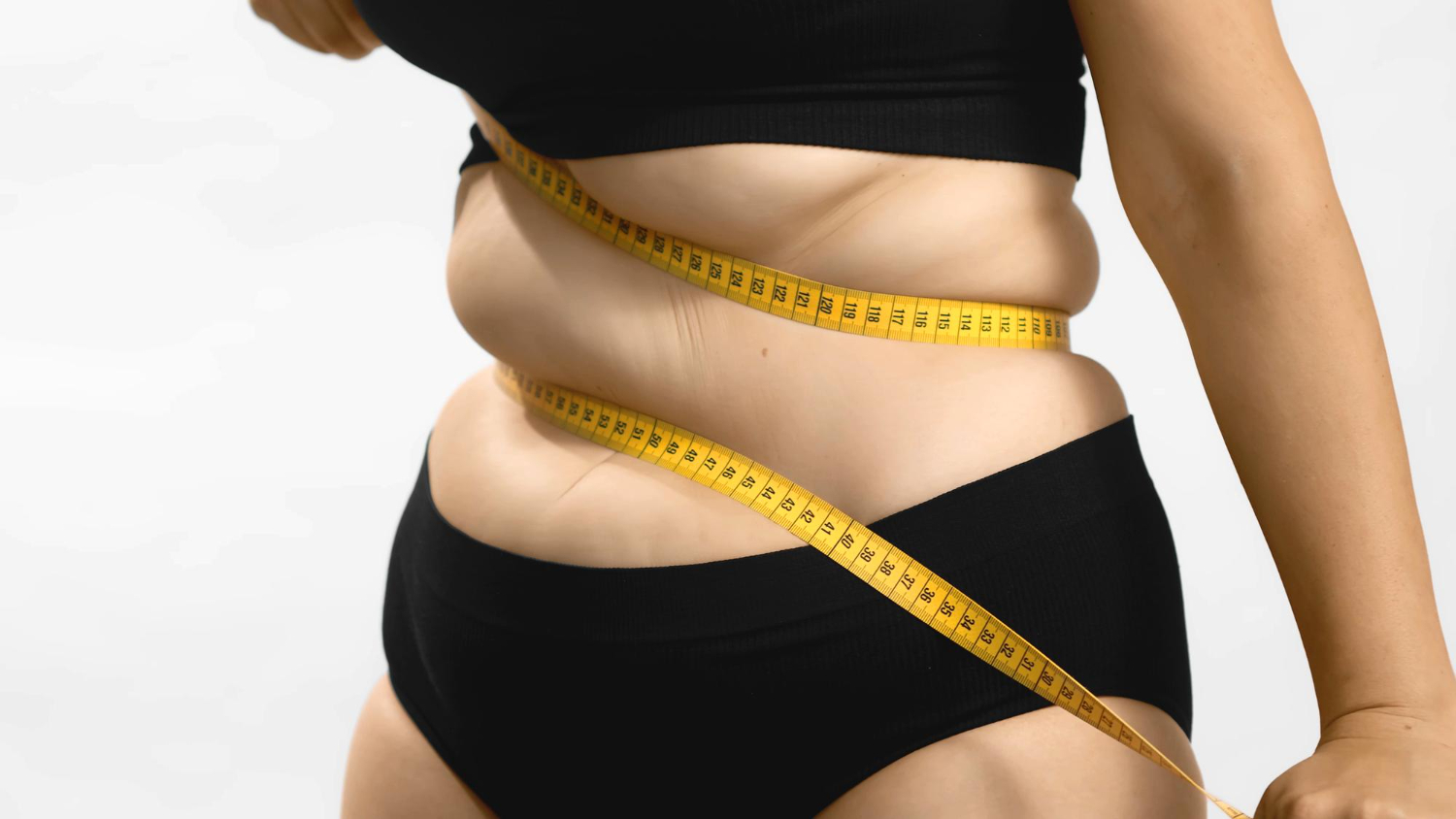
What is it and Why is Fat Survival Important?
Fat grafting, also known as fat transfer, is a revolutionary technique in cosmetic and reconstructive surgery that involves transferring fat from one part of the body to another. This procedure has gained immense popularity due to its ability to enhance and contour the body naturally. But what truly sets this technique apart is the importance of fat survival and the longevity of fat grafts.
Understanding why fat survival is crucial can transform your perspective on this procedure. When fat cells are transferred, their survival rate directly impacts the success of the surgery. High survival rates mean more predictable results, less need for additional procedures, and ultimately, more satisfaction with your appearance.
The longevity of these grafts ensures that you enjoy long-lasting benefits without frequent touch-ups. It’s not just about adding volume; it’s about maintaining it in a way that looks natural over time. By prioritizing techniques that enhance fat survival—such as careful handling during transfer and strategic placement—surgeons can significantly improve outcomes.
In essence, focusing on fat survival isn’t just a technical detail; it’s at the heart of achieving beautiful, enduring results with fat grafting. So when considering this procedure, understanding its critical role will empower you to make informed decisions for your aesthetic journey.
The Science Behind Fat Survival Rates in Grafting Procedures
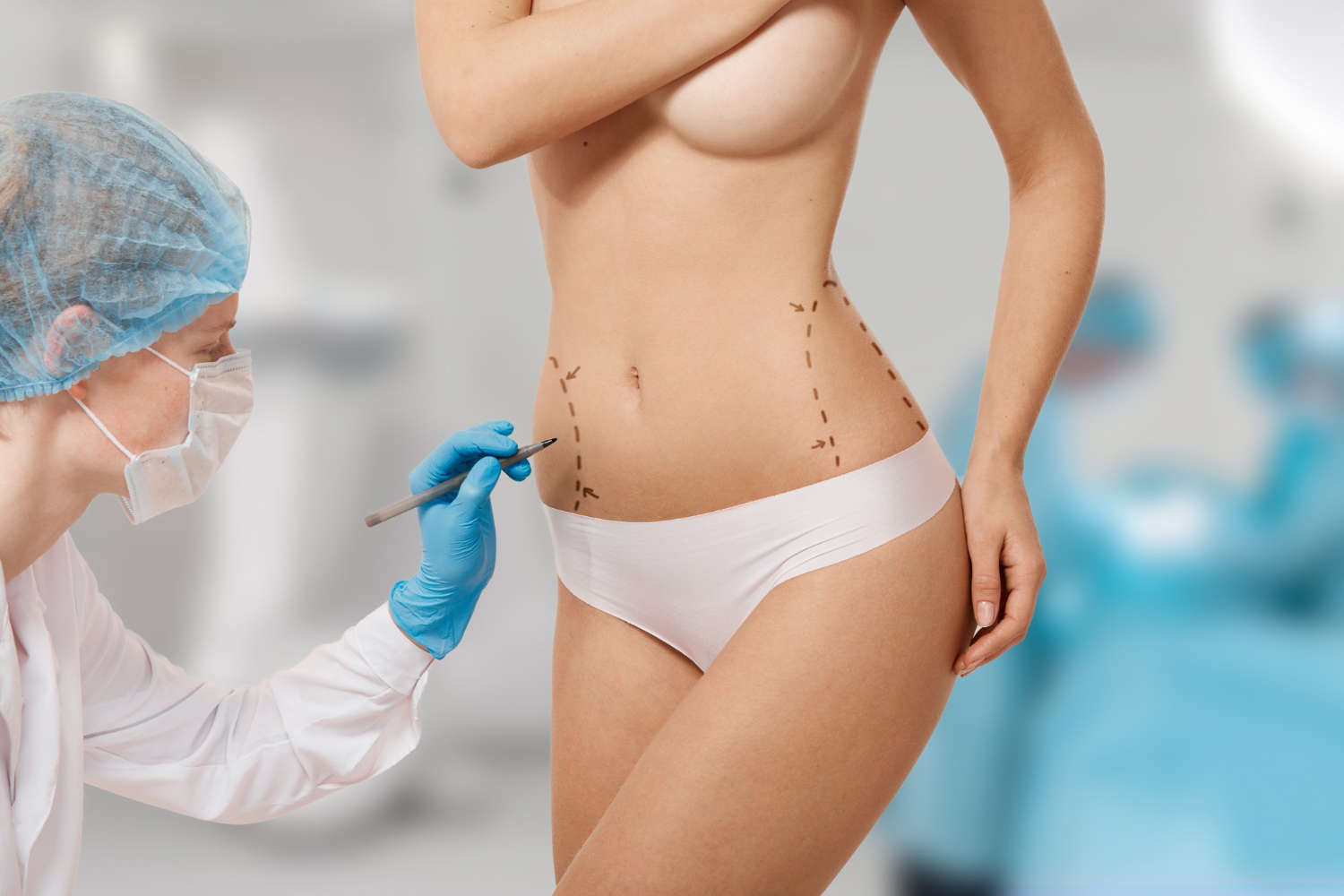
The science behind fat survival rates in grafting procedures is crucial for anyone considering adipose tissue transplantation. The success of these procedures largely hinges on fat cell viability, which refers to the ability of transplanted fat cells to survive and integrate into new tissue environments.
Several factors affect the survival rate of fat during these procedures. First, the method of harvesting plays a pivotal role. Techniques that minimize trauma to adipose cells can significantly enhance their viability. Once harvested, how the fat is processed and purified also impacts its survival potential. Proper handling ensures that only healthy cells are selected for transplantation.
Moreover, the site of injection is another critical factor. Areas with a rich blood supply tend to support better integration and nourishment of transplanted cells, leading to higher survival rates.
These scientific principles, patients can make informed decisions and have realistic expectations about their outcomes in adipose tissue transplantation. With ongoing research and advancements in technique, we continue to improve these procedures’ success rates—making them a reliable option for many seeking reconstructive or cosmetic enhancements.
Key Factors Influencing the Longevity of Fat Grafts
When considering fat grafting as a cosmetic or reconstructive procedure, understanding the key factors that influence the longevity of fat grafts is crucial for achieving optimal results. One of the primary considerations is the **graft preparation techniques** employed. Proper harvesting and processing of fat cells are essential to ensure their viability and integration into new tissue. Techniques that minimize trauma to the cells during extraction and purification significantly enhance graft survival rates.
Equally important are **patient health factors**. The overall health of a patient can greatly impact how well the body accepts and maintains the transplanted fat. Factors such as age, smoking status, circulation issues, and metabolic conditions can affect healing processes and graft retention. Patients in good general health typically experience better outcomes.
Another critical component is **post-operative care**. Following your surgeon’s aftercare instructions diligently can make a significant difference in maintaining your results. This includes avoiding pressure on treated areas, adhering to prescribed activity restrictions, and attending follow-up appointments to monitor progress.
Lastly, **surgeon expertise** plays an indispensable role in determining success rates for fat grafting procedures. Experienced surgeons possess refined skills in both technique selection and execution, ensuring that each step—from harvesting to placement—is performed with precision.
In conclusion, by focusing on these key factors—graft preparation techniques, patient health factors, post-operative care, and surgeon expertise—you can maximize the longevity of your fat grafts and achieve enduring results that enhance both appearance and confidence.