Liposuction: The Basics of the Procedure
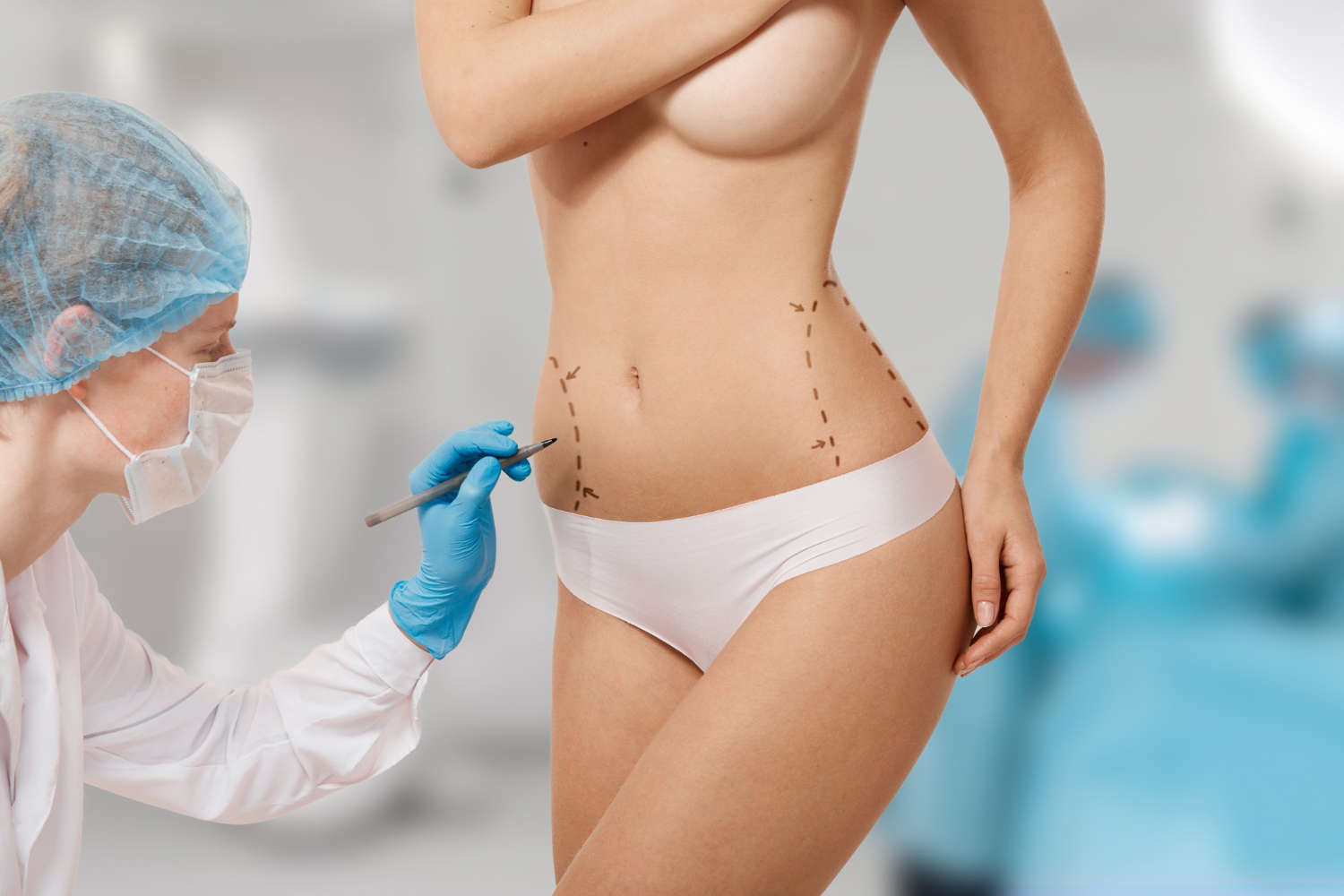
Liposuction is a transformative cosmetic surgery that has gained popularity for its ability to enhance body contouring by removing stubborn fat deposits. This fat removal surgery targets specific areas of the body, such as the abdomen, thighs, arms, and hips, where diet and exercise might not be enough to achieve desired results.
The liposuction procedure involves making small incisions in the targeted area through which a thin tube, or cannula, is inserted. This tool is used to break up and suction out unwanted fat cells, resulting in a more sculpted and defined appearance. One of the key benefits of liposuction is its precision; it allows for targeted fat reduction without affecting surrounding tissues.
It’s crucial to understand that liposuction is not a weight-loss solution but rather a method for refining body contours and enhancing one’s natural shape. As with any cosmetic surgery, it’s important to consult with a qualified surgeon who can provide personalized advice based on your unique goals and health profile.
Considered safe when performed by an experienced professional, liposuction offers lasting results when combined with a healthy lifestyle post-surgery. By choosing this procedure, individuals can achieve their aesthetic goals with newfound confidence and satisfaction in their appearance.
The Impact of Post-Liposuction Weight Gain on Your Body
Liposuction is often viewed as a transformative procedure that can help sculpt the body and boost confidence. However, understanding the potential impact of post-liposuction weight gain is crucial for maintaining those desired results. Weight fluctuation after liposuction can lead to unexpected changes in your body, making it essential to remain vigilant about your lifestyle choices.
Post-surgery weight gain effects are not just limited to regaining pounds; they can also involve fat redistribution. When you gain weight after liposuction, the fat cells removed during the procedure don’t return, but new fat cells may develop in other areas of your body. This redistribution can alter your body’s proportions and potentially diminish the aesthetic benefits achieved through surgery.
Maintaining liposuction results requires a commitment to a healthy lifestyle, including regular exercise and a balanced diet. By keeping these habits at the forefront of your routine, you can help ensure that you enjoy long-lasting results from your procedure. Remember, while liposuction can be a powerful tool for shaping your body, its effectiveness is significantly enhanced by consistent efforts to maintain a stable weight post-surgery.
In conclusion, being aware of how post-liposuction weight gain affects your body empowers you to take proactive steps toward preserving its benefits. By prioritizing health and wellness after surgery, you’ll not only protect your investment but also enjoy continued confidence in your appearance.
Liposuction vs. Weight Loss: Understanding the Difference
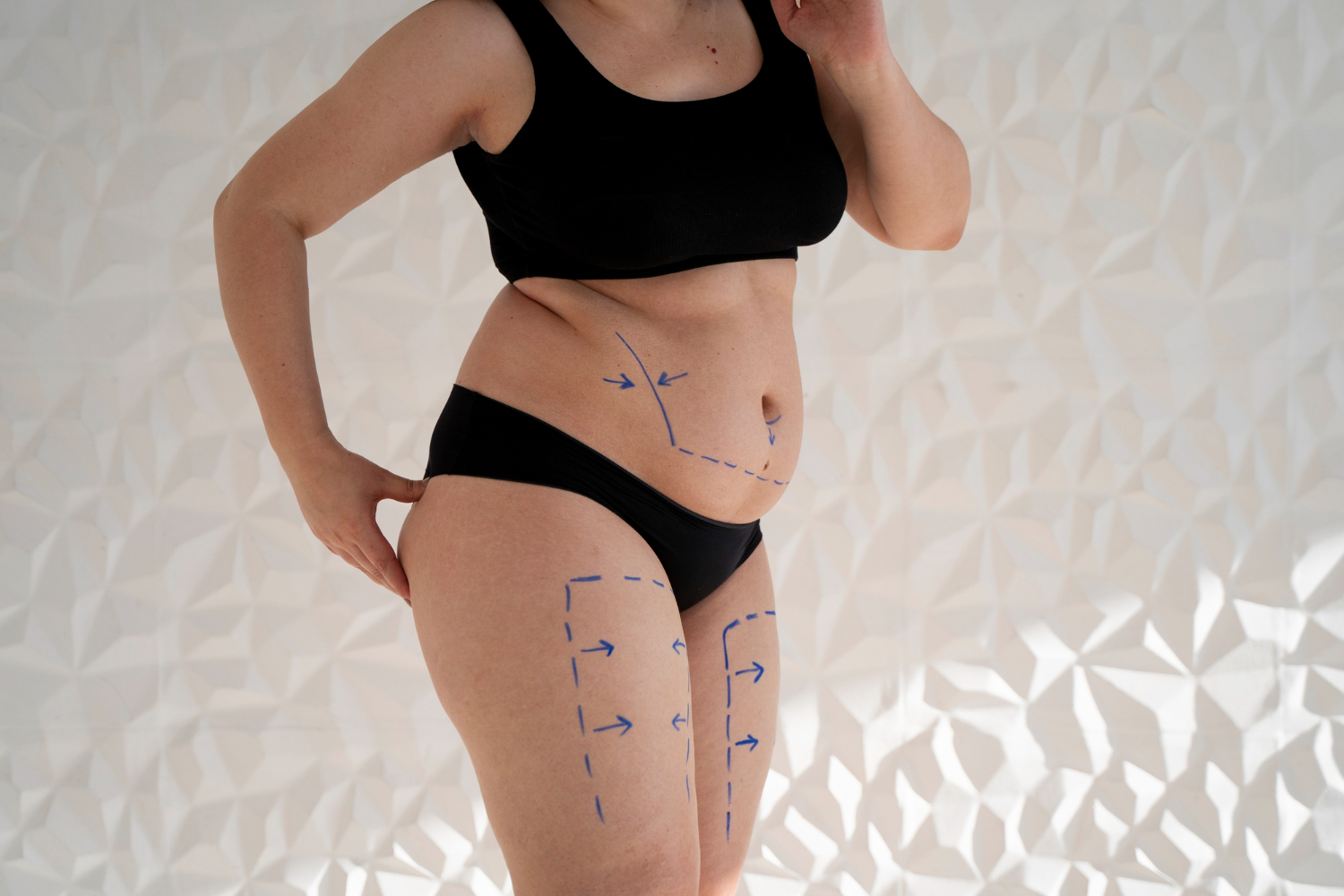
When it comes to achieving your ideal body shape, it’s crucial to understand the distinct roles of liposuction and traditional weight loss methods. Many people mistakenly believe that liposuction is a quick fix for weight loss, but this couldn’t be further from the truth. Liposuction is not a weight loss method; rather, it is a body sculpting procedure designed to remove stubborn pockets of fat that resist diet and exercise.
Unlike dieting, which focuses on reducing overall body weight through calorie restriction and increased physical activity, liposuction targets specific areas for contouring. This means that while you may see a change in your body’s shape post-procedure, the scale may not reflect significant weight loss. It’s important to have realistic expectations post-liposuction—understanding that this procedure enhances your body’s contours rather than drastically reducing your weight.
Ultimately, combining healthy lifestyle choices with procedures like liposuction can lead to optimal results. By recognizing the difference between body sculpting and dieting, you can make informed decisions about how best to achieve and maintain your desired physique.
The Science Behind Fat Regeneration and Redistribution Post-Surgery
When considering liposuction, it’s crucial to understand the science behind fat regeneration and redistribution post-surgery. Many people mistakenly believe that liposuction is a weight loss method, but in reality, it serves as a body sculpting tool rather than a substitute for dieting. The procedure targets specific areas to remove fat cells and contour the body, but it does not prevent new fat growth in untreated areas.
After liposuction, your body undergoes changes in how it distributes fat. While the treated areas may retain their new shape due to the reduction of fat cells, other regions can experience an increase in fat deposition if weight is gained. This is because the total number of fat cells decreases in treated areas, but those remaining can still expand with weight gain. Consequently, understanding these changes is vital for maintaining realistic expectations post-liposuction.
To achieve long-lasting results from liposuction, maintaining a healthy lifestyle through balanced nutrition and regular exercise is essential. By doing so, you can manage any potential new fat growth and preserve your newly sculpted figure. Embracing this understanding empowers individuals to approach body sculpting with informed choices that align with their aesthetic goals while acknowledging the natural dynamics of their bodies.