What is an Arm Lift? Unveiling the Benefits and Recovery Process

Understanding Arm Lift Surgery: A Pathway to Sleeker Arms You’re not the only person who has ever felt self-conscious about the way your arms look. Excess skin and fat in this area can be difficult for many people to lose, even with diet and exercise. Presenting arm lift surgery, sometimes referred to as brachioplasty, a revolutionary technique intended to give you more streamlined, sculpted arms. What precisely is an arm lift technique, then? In order to give the upper arms a more toned appearance, extra skin and fat are essentially removed. This procedure is especially helpful for people who have lost a lot of weight or who just want to fight against the aging process’s natural impacts on skin elasticity. Arm contouring through brachioplasty can significantly enhance your confidence by reshaping your arms and providing a smoother silhouette. The results are often life-changing, allowing you to wear sleeveless clothing with pride and ease. If you’re considering arm reshaping as a solution for achieving the look you desire, understanding the benefits and outcomes of an arm lift surgery is crucial in making an informed decision about your body’s transformation journey. The Compelling Benefits of Undergoing an Arm Lift Considering an arm lift surgery can be a transformative decision for those seeking to enhance their physical appearance and overall confidence. One of the most compelling benefits of arm lift surgery is its ability to significantly improve arm appearance by eliminating excess skin and reducing sagging. This procedure targets the upper arms, where loose skin often accumulates due to aging or significant weight loss, creating a more toned and youthful contour. In addition to the cosmetic enhancements, getting an arm lift can significantly increase one’s sense of confidence. Many people avoid wearing sleeveless clothes or feel self-conscious when engaging in arm-exposing activities. By resolving these issues, an arm lift enables people to feel more confident in themselves, enabling them to dress as they choose and participate in social events without fear. In the end, the advantages of arm lift surgery go beyond the obvious physical changes; they also promote a revitalized sense of confidence and contentment with one’s appearance. An arm lift could be the answer you’ve been seeking if you want to improve your silhouette and increase your self-confidence. The Ideal Candidate: Is an Arm Lift Right for You? Finding out if you’re a good candidate for this life-changing treatment is crucial when thinking about an arm lift, or brachioplasty. Making an informed choice regarding your physical appearance and health objectives can be facilitated by knowing who qualifies for arm lift surgery. People who have lost a lot of weight and have extra skin and tissue in their upper arms are usually the best candidates for brachioplasty. People who discover that their sagging skin is not improving with diet and exercise due to age or heredity will also benefit from this therapy. Evaluating general health and lifestyle characteristics is part of determining eligibility for arm reshaping. Applicants should be healthy, nonsmokers with reasonable expectations for the surgery’s results. In order to guarantee long-lasting outcomes, it is essential to maintain a constant weight prior to the surgery. If you’re looking to improve your confidence by achieving a more toned and contoured appearance of your arms, consulting with a qualified plastic surgeon can help determine if an arm lift is right for you. They will evaluate your specific situation and guide you through what you can expect from this life-enhancing surgery.  

How Do They Fix Hooded Eyes with Surgery?

Exploring Surgical Options: The Blepharoplasty Procedure If you have ever thought about having eyelid surgery, blepharoplasty may be the way to go if you want to seem younger and more rested. Common issues like hooded eyes, drooping eyelids, and under-eye bags that can make you appear older or more exhausted than you actually are can be addressed with this cosmetic eye surgery. Blepharoplasty is a simple but life-changing procedure. By surgically removing extra skin and fat around the eyes, you can give your upper and lower eyelids a more streamlined appearance. In order to minimize the presence of scars after recovery, a trained surgeon carefully creates incisions following your eyelids’ natural lines throughout the treatment. Not only does this surgery enhance your aesthetic appeal by providing a rejuvenated look, but it also has functional benefits. For those with severely hooded eyes that impair vision, blepharoplasty can significantly improve sight by removing obstructions caused by sagging skin. However, for many individuals seeking both aesthetic enhancement and improved function, blepharoplasty offers compelling advantages that are hard to overlook. If you’re ready to explore surgical options for revitalizing your appearance, understanding the benefits of this procedure is an excellent place to start. The Benefits of Eyelid Surgery for Correcting Hooded Eyes Blepharoplasty, or eyelid surgery, is a life-changing treatment for those who have trouble seeing. The visual enhancement that this technique offers is among its most alluring advantages. Eyelid surgery can make the face look more youthful and polished by tightening the surrounding tissues and eliminating extra skin. This adjustment balances your entire appearance in addition to improving facial beauty. Beyond aesthetics, eyelid surgery significantly contributes to an enhanced field of vision. Hooded eyes can sometimes lead to obstructed sight lines, affecting daily activities like reading or driving. By correcting this issue, blepharoplasty opens up your field of vision, allowing you to engage fully in life’s experiences without unnecessary hindrances. Moreover, the impact on self-confidence cannot be overstated. A refreshed and youthful appearance often leads to a substantial boost in self-esteem. Eyelid surgery empowers individuals by aligning their external appearance with how they feel inside—vibrant and full of life. In summary, whether you’re seeking aesthetic improvement or functional enhancement, eyelid surgery for hooded eyes offers numerous advantages that can enrich both your personal and professional life while elevating your confidence levels significantly. What to Expect Before and After Surgery Even though having surgery can be frightening, you can handle the process with confidence if you are well-prepared and know what to anticipate. Understanding the pre-operative procedures and post-operative care is essential for a speedy recovery and the best potential outcomes when it comes to eyelid surgery, or blepharoplasty. It’s crucial to adhere to the precise preparation guidelines the surgeon has given you before to your procedure. These could include avoiding drugs that raise the risk of bleeding, getting a ride home after the treatment, and creating a cozy area for recuperation at home. In addition to ensuring your safety, following these procedures will make the medical procedure go more smoothly. It’s critical to comprehend post-operative care after blepharoplasty. Recovery following eyelid surgery usually takes one to two weeks, though it might vary from person to person. It’s crucial to carefully adhere to your surgeon’s recommendations during this time, which may include using cold compresses as advised and keeping your head up while you rest. These steps can greatly lessen bruising and swelling. Eyelid surgery frequently produces amazing before-and-after pictures; many patients report feeling better about themselves in addition to having a more attractive appearance. You position yourself for the best results, which will have a good impact on your emotional and physical well-being, by carefully following the instructions before and after surgery. In conclusion, taking proactive steps in preparing for blepharoplasty and committing to diligent post-operative care will greatly influence your overall satisfaction with the procedure. With patience during recovery time and adherence to medical advice, you’ll soon enjoy refreshed eyes that mirror how vibrant you feel inside. Potential Risks and Considerations for Eyelid Surgery Candidates When considering eyelid surgery, commonly known as blepharoplasty, it’s crucial to be aware of the potential risks and candidacy requirements. While this procedure can offer remarkable aesthetic and functional benefits, understanding the surgical risks of blepharoplasty is essential for making an informed decision. Although they are uncommon when done by a skilled surgeon, eyelid surgery risks can include infection, scarring, or visual impairments. Talking about these options with your surgeon during the appointment is essential. They will give a thorough rundown of what to anticipate and how careful surgical methods and post-operative care reduce such dangers. The qualifications for eye surgery candidates are equally significant. Ideal applicants should be in good general health and have reasonable expectations for the results. Your appropriateness for the operation may be impacted by conditions like thyroid issues or dry eyes. Your healthcare professional will do a comprehensive evaluation to decide if blepharoplasty is appropriate for you. Ultimately, while eyelid surgery offers transformative results, being well-informed about its potential risks ensures that you embark on this journey with confidence and clarity.  

Can You Get Surgery to Make Your Forehead Smaller?

Understanding the Concept of Forehead Reduction Surgery Forehead reduction surgery, also known as forehead contouring or hairline lowering surgery. This transformative surgery addresses concerns related to a disproportionately large forehead, offering individuals the opportunity to achieve their desired look with precision and care. For those considering aesthetic facial surgery, understanding the nuances of forehead reduction is crucial. This procedure involves strategically repositioning the hairline, effectively reducing the height of the forehead and enhancing overall facial harmony. By doing so, it not only boosts self-confidence but also aligns one’s physical appearance with their personal aesthetic goals. The presence of rhinoplasty bandages is among the first things you’ll notice after surgery. These are crucial for preserving and supporting your nose while it begins to mend. These bandages are crucial for preserving the new shape of your nose and minimizing swelling, so it’s best not to remove them until your surgeon gives the all-clear. There are a few important aspects of post-surgery care that should not be disregarded. The best way to promote healing is to keep your head up, stay away from physically demanding activities, and adhere to your treatment plan. Additionally, you may keep an eye on your progress and promptly address any concerns by scheduling follow-up meetings with your surgeon. What to Expect from Forehead Reduction Surgery For people who want to attain facial harmony by shrinking their forehead, forehead reduction surgery, sometimes referred to as hairline lowering surgery, provides a life-changing option. You can decide if this process is the correct choice for you by being aware of what to anticipate from it. A pre-surgery consultation is the first step in the process. A qualified surgeon will examine your facial shape and talk with you about your cosmetic objectives during this important step. You can ask questions and learn about the surgical procedure at this appointment, which will make sure you’re ready for anything that comes up. The surgical process for achieving a smaller forehead involves carefully planned incisions along the hairline. This meticulous approach not only reduces forehead height but also ensures natural-looking results that complement your overall facial features. Post-operative care is an essential part of your recovery journey. Following surgery, you’ll receive specific instructions on how to care for your incision sites, manage any discomfort, and gradually return to normal activities. Adhering to these guidelines is vital in promoting healing and maintaining the results of your surgery. By understanding each stage of forehead reduction surgery—from initial consultation through post-operative care—you can approach this life-changing procedure with confidence and clarity. With expert guidance and careful planning, achieving a balanced and harmonious appearance is well within reach. The Benefits of Reducing Your Forehead Size through Surgery Considering surgery to reduce forehead size can be a transformative decision for many individuals seeking to enhance their facial harmony and boost self-confidence. The benefits of smaller forehead surgery extend beyond mere aesthetics, offering profound psychological and social advantages. One of the primary benefits is enhancing facial harmony with surgery. A balanced forehead can significantly improve the overall symmetry and proportion of your face, creating a more pleasing appearance that aligns with your personal aesthetic goals. This sense of balance often leads to increased satisfaction with one’s looks, which in turn fosters greater self-esteem. Moreover, boosting self-confidence with cosmetic procedures like forehead reduction can have a ripple effect on various aspects of life. They may find themselves seizing new opportunities at work or in personal relationships that they previously shied away from due to insecurities about their appearance. However, understanding the potential benefits—such as improved facial harmony and enhanced self-confidence—can help you make an informed choice that aligns with your desires for both physical appearance and emotional well-being.  

Buccal Fat Removal Procedure

Understanding Buccal Fat Removal Inside the realm of beauty improvements, buccal fats removal has emerged as a compelling choice for the ones looking for a cultured facial silhouette. This innovative system, additionally known as jowl discount surgical treatment, specializes in putting off buccal fats pads, that are small wallet of fat located at the lowest of the cheeks. By way of concentrated on these areas, buccal fats removal can appreciably enhance the contour of the face, developing a more sculpted and defined appearance. For folks who experience their cheeks are too complete or rounded, this cosmetic manner offers a transformative solution. The technique is incredibly easy and requires minimum healing time in comparison to different surgical options. As such, it has won popularity among folks who want to gain diffused yet impactful modifications to their facial structure. Moreover, buccal fat removal is tailored to each individual’s unique facial anatomy and aesthetic goals. This personalized approach ensures that results are natural-looking and harmonious with the rest of your features. If you’re considering enhancing your facial contours for a more chiseled look, consulting with an experienced cosmetic surgeon about buccal fat removal could be your first step toward achieving the desired transformation. The Benefits of Buccal Fat Removal for a More Defined Facial Structure When it comes to achieving a more defined facial structure, buccal fat removal has emerged as a popular choice for those seeking to enhance their natural beauty. By removing excess fat from the cheeks, the underlying bone structure becomes more prominent, giving your face a sculpted and youthful appearance. In addition to improving the cheekbones, removing buccal fat helps to achieve a slimmer appearance of the face in general. Many people find that despite maintaining a healthy lifestyle, they have problems with the volume of their cheeks, which can obscure the contours of the face. This procedure effectively solves these problems by providing a more refined appearance.  In addition, the improvement in facial aesthetics is undeniable. A well-defined face not only increases self-confidence, but also complements other features, such as the eyes and smile. The benefits of removing buccal fat go beyond physical changes: it offers people the opportunity to feel more comfortable and confident in their own skin. In conclusion, if you are considering options for improving your facial aesthetics, buccal fat removal presents compelling advantages. From accentuated cheekbones to an overall slimmer face appearance, this procedure can be transformative in helping you achieve the look you desire. Considerations Before Opting for the Buccal Fat Removal Procedure Before deciding on buccal fat removal, it’s crucial to weigh several important factors to ensure the procedure aligns with your cosmetic goals and overall health. Understanding who makes suitable candidates for buccal fat removal is a great starting point. Generally, individuals seeking a more contoured facial appearance and who possess excess fullness in their cheeks may benefit most from this procedure.  Age considerations in cosmetic surgery play a significant role as well. Younger patients might see more drastic changes as they still have youthful skin elasticity, allowing for better adaptation post-surgery. Moreover, it’s far vital to be knowledgeable approximately the risks and healing time associated with buccal fats elimination to make an knowledgeable decision. As with every surgical operation, there are inherent dangers, which include contamination or unfavorable reactions to anesthesia. Recuperation time can vary, but generally entails a few swelling and discomfort that is going away inside a few weeks. Through fully knowledge those problems and discussing them together with your physician, you may be capable of make an knowledgeable decision that aligns with your aesthetic aspirations and prioritizes your health and safety. Choosing the Right Cosmetic Surgeon for Your Buccal Fat Removal Journey Embarking on the adventure of buccal fats elimination is a tremendous decision, and selecting the right beauty general practitioner is essential for achieving your favored results accurately. Whilst looking for a certified plastic surgeon, it’s important to prioritize enjoy and know-how, especially in buccal fats extraction. A healthcare professional with a validated song file on this unique system could have honed their talents to deliver specific effects that align together with your aesthetic dreams. Begin with the aid of studying the credentials of capacity surgeons and ensure they may be board licensed. This certification shows that they’ve passed through rigorous training and meet excessive requirements of exercise. All through the consultation, do not hesitate to ask in particular approximately your enjoy with buccal fat elimination: what number of procedures you have had and what results you can realistically expect.  Session suggestions for patients encompass preparing a list of questions about the process, healing time, viable risks and post-operative care. A relied on physician will solution these questions and provide special answers with a purpose to instill confidence of their abilities. Additionally, reviewing earlier than and after images of previous patients can provide precious insight into the ability stage of the physician. Ultimately, selecting the right cosmetic surgeon involves balancing credentials with personal comfort. Trust your instincts during consultations; feeling at ease with your chosen professional is just as important as their qualifications. By taking these steps, you ensure your buccal fat removal journey begins on a foundation of trust and expertise.  

How Long Do You Wear Bandages After a Nose Job?

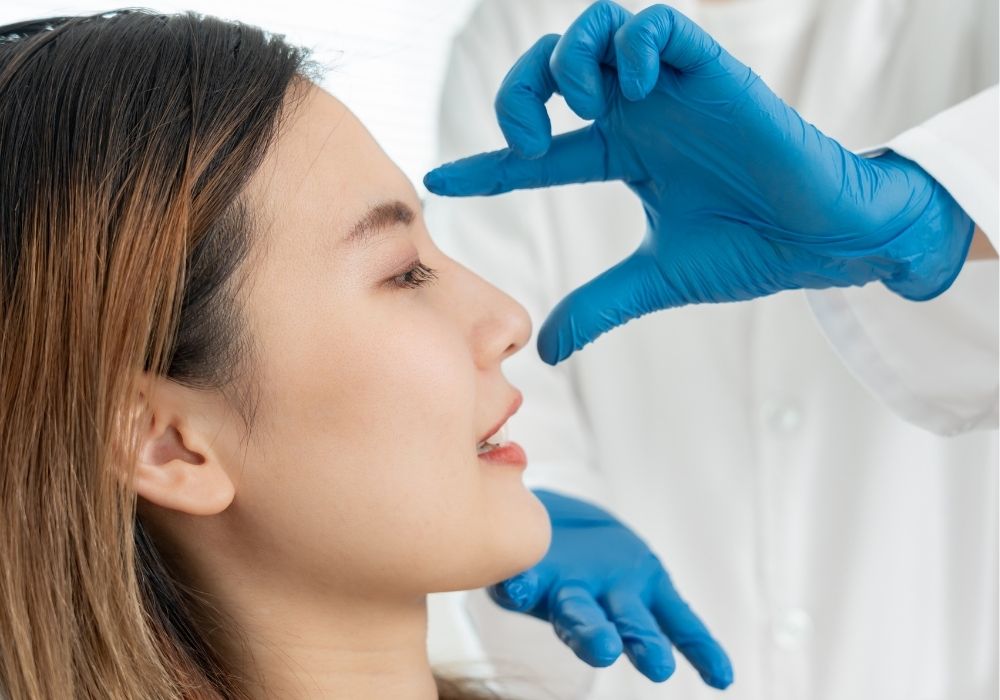
Understanding the Initial Recovery Phase of Rhinoplasty Understanding the initial recovery phase of rhinoplasty is crucial for ensuring a smooth healing journey. After undergoing a nose job, patients often have questions about what to expect and how to care for themselves during this sensitive period. The initial healing process is a time when your body begins to adjust to the changes made during surgery, and being informed can significantly impact your overall recovery experience. The presence of rhinoplasty bandages is among the first things you’ll notice after surgery. These are crucial for preserving and supporting your nose while it begins to mend. These bandages are crucial for preserving the new shape of your nose and minimizing swelling, so it’s best not to remove them until your surgeon gives the all-clear. There are a few important aspects of post-surgery care that should not be disregarded. Additionally, you may keep an eye on your progress and promptly address any concerns by scheduling follow-up meetings with your surgeon. By understanding these aspects of nose job recovery, you empower yourself with knowledge that aids in minimizing discomfort and optimizing results. Remember that patience is essential during this phase; while you may be eager to see final results immediately, giving yourself time will ultimately lead to a more successful outcome. The Role of Bandages in Post-Operative Care Bandages are essential for a successful and seamless recovery in post-operative care, particularly following nose surgery. Following nose surgery, bandages are primarily used to offer crucial support and protection while the wound heals. Bandages help your nose recover properly by minimizing swelling and lowering the risk of infection at the surgery site. Additionally, bandaging can greatly increase your level of comfort. They serve as a barrier to keep out outside irritants or unintentional effects that can disrupt the fragile healing process. In addition to preserving surgery outcomes, this increased level of safety provides you comfort while going about your everyday business. In addition to their protective benefits, bandages also assist in shaping and contouring the nose post-surgery. By applying gentle pressure, they help maintain the desired structure while preventing unwanted movements that could compromise the outcome. Ultimately, protecting your nose post-surgery with well-applied bandages is crucial for achieving optimal results. They are more than just a covering; they are a vital component of your recovery plan that ensures both safety and satisfaction with your surgical experience. Typical Timeline for Wearing Bandages After a Nose Job Understanding the typical timeline for wearing bandages after a nose job is crucial for anyone considering this transformative procedure. Rhinoplasty, commonly known as a nose job, involves a delicate recovery process that requires patience and adherence to your surgeon’s guidelines to ensure optimal results. Initially, right after the surgery, your nose will be protected with bandages and possibly a splint. This initial post-op phase generally lasts about one week. During this time, it’s vital to keep these dressings in place as they provide essential support and protection while minimizing swelling. After the first week, most patients return to their surgeon for a follow-up appointment where the external bandages are typically removed. However, internal healing continues beyond this point. The timeline for rhinoplasty recovery can vary based on individual healing rates and the complexity of the procedure but expect some residual swelling or bruising that gradually diminishes over several weeks. In essence, while you may only wear external bandages for about seven days post-surgery, understanding that full recovery takes longer is important. By following your surgeon’s advice closely during this period, you can contribute significantly to achieving the desired outcomes of your rhinoplasty journey.  

Otoplasty: Differences Between Surgery for Children and Adults

Otoplasty is a surgical procedure aimed at correcting the appearance of the ears. It can be performed on both children and adults; however, the needs and surgical approaches for each age group differ. In this article, we will explore the key differences in otoplasty surgery for children and adults. Otoplasty Purpose of Surgery Children: Otoplasty in children is often performed due to prominent ears or deformities that can affect social interactions. This condition can lead to challenges in a child’s social life. Early otoplasty can enhance a child’s self-confidence and prevent issues like peer bullying. Adults: In adults, otoplasty is typically chosen for aesthetic reasons or due to deformities that develop with aging. Additionally, some adults may opt for surgery to correct issues resulting from past trauma. Otoplasty Timing of Surgery Children: Children are generally evaluated for otoplasty around the age of 5-6, when ear development is nearing completion. This age is significant as it not only allows for physical correction but also provides psychological benefits. Adults: Otoplasty can be performed on adults at any age. The timing depends on individual desires and health conditions. Many adults seek otoplasty after years of discomfort regarding their ear appearance. Anesthesia Options Children: Children typically undergo otoplasty under general anesthesia, ensuring they remain comfortable during the procedure. Anesthesia management should be carried out by a qualified anesthesiologist. Adults: Adults may choose between local or general anesthesia for the procedure. The choice depends on the individual’s discomfort level and the extent of the surgery. Local anesthesia typically enables a faster recovery. Recovery Process Children: Children usually have a rapid recovery process. They can resume normal activities within a few days after surgery. It’s important for parents to assist in safeguarding their child’s ears during the recovery period. Adults: Recovery in adults can vary based on individual health conditions. Generally, a few days of rest are recommended, with many able to return to work within a week. Adhering to the surgeon’s instructions during the recovery process is vital. Risks and Complications Like any surgical procedure, otoplasty carries certain risks. While these risks are similar for both children and adults, children may be more sensitive to anesthesia. The results of the surgery are typically satisfactory, but potential complications include infection, bleeding, or recurrence. Otoplasty is an effective solution for both children and adults, yet the needs and surgical processes differ across age groups. If you or your child are considering otoplasty, it is important to consult with a qualified surgeon. An expert can provide the most suitable treatment options and details about the surgical process.

Leg Aesthetics: Liposuction and Other Methods for Slimmer Legs

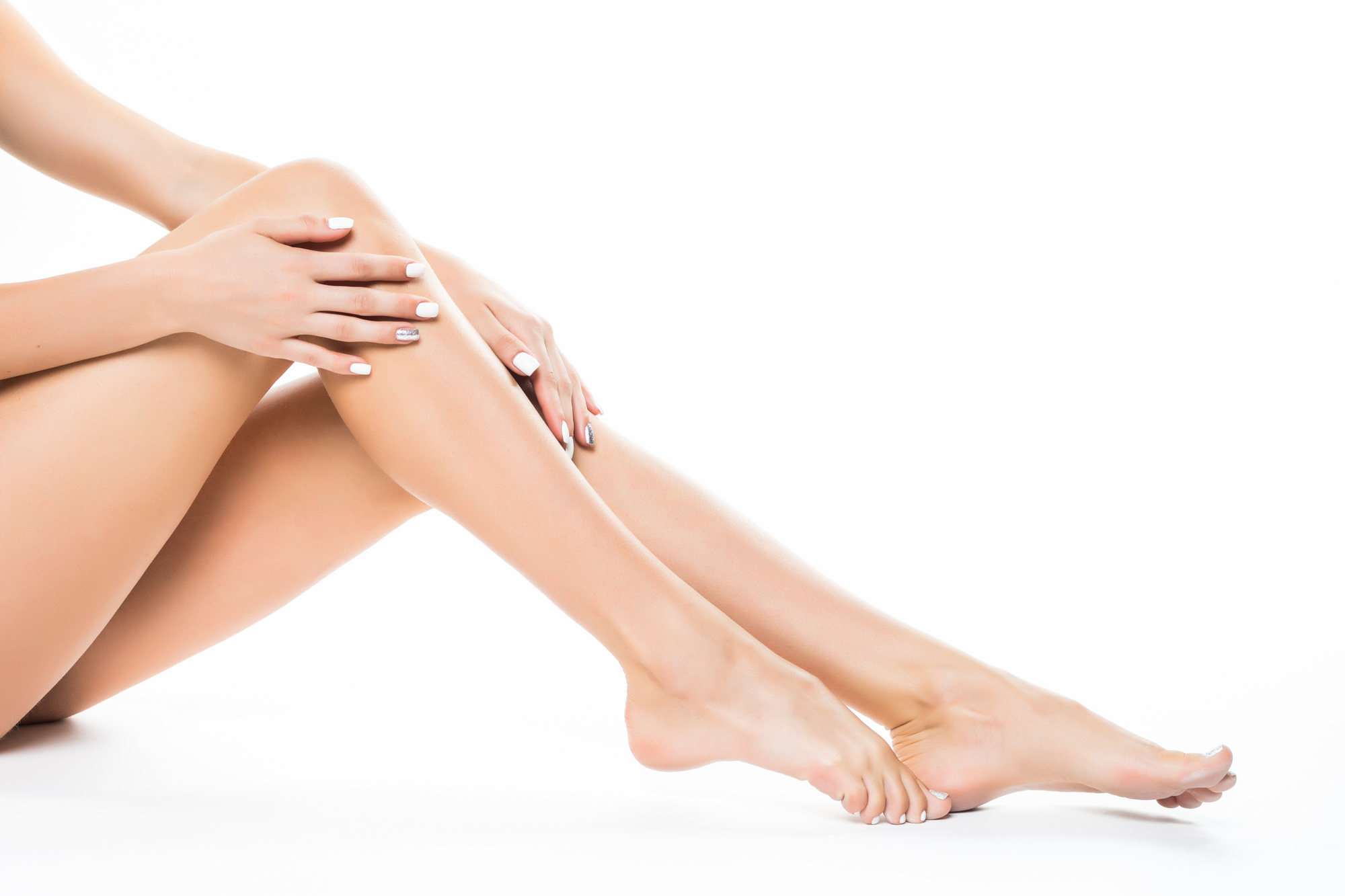
Aesthetic appearance has become an important goal for many people. Particularly, leg aesthetics stand out among aesthetic concerns for both women and men. Achieving slimmer and more shapely legs, combined with fashion and personal care trends, leads to a search for various methods. In this article, we will focus on ways to enhance leg aesthetics, especially the liposuction method. What is Liposuction? Liposuction is a surgical technique designed to extract fat deposits from targeted regions of the body. Legs, particularly the thighs and calves, are popular areas for liposuction applications. This procedure is effective in eliminating excess fat and creating a slimmer appearance. Liposuction is typically preferred in the following situations: Genetic Fat Accumulation: Some individuals may be genetically predisposed to fat accumulation in specific areas. Fat Resistant to Diet and Exercise: Sometimes, even with a healthy lifestyle, losing fat in certain areas can be challenging. The Liposuction Process The liposuction process typically involves several key stages: Consultation: In the initial meeting with a specialist, expectations and information about the procedure are discussed. Preparation: Necessary tests are conducted, and the patient’s health status is assessed before the procedure. Procedure: Performed under local or general anesthesia, liposuction uses special cannulas to remove fat cells. Recovery: Times can differ significantly from person to person. Generally, most individuals are able to return to their usual activities within a few days. Leg Aesthetics Other Methods In addition to liposuction, there are other methods to enhance leg aesthetics: Cardio Exercises: Activities like running, cycling, and swimming can help reduce fat in the legs, giving them a slimmer appearance. Strength Training: Exercises such as squats and lunges can strengthen leg muscles, helping them look fitter. Diet: A balanced diet contributes to reducing overall body fat, enhancing the appearance of the legs. Combination Treatments: Medical aesthetic procedures, cellulite treatments, and leg tightening procedures can yield more effective results when combined with liposuction. Leg aesthetics are an essential part of personal care. Liposuction offers an effective solution, especially in cases where diet and exercise have not achieved success. However, each individual’s needs are different; therefore, consulting with a specialist is crucial to determine the most suitable method. A combination of a healthy lifestyle and aesthetic applications is key to achieving the desired results.

Aging Signs in Men: Rejuvenating with Facelift Surgery

Aging Signs in Men, Time is an inevitable part of every person’s life. However, the physical changes brought about by aging can cause concern for many men, leading them to seek ways to feel younger. Sagging skin, deepening lines, and loss of skin elasticity are common signs of aging that many men face. These issues can negatively impact social life and self-esteem. Fortunately, facelift surgery is an effective way to address these concerns. Signs of Aging Aging signs in men typically manifest in the following ways: Sagging Skin: As we age, the skin loses its elasticity, leading to sagging, particularly around the jawline and neck. Sagging skin creates a more aged appearance and blurs facial contours. Deepening Lines: Lines on the forehead, around the eyes, and near the mouth deepen, creating a tired and older look. Especially, expression lines can also affect emotional expressions. Decrease in Facial Volume: As we age, the facial volume diminishes, leading to sagging cheeks that can create a gaunt and aged look. This loss of fullness often results in a less defined jawline, further contributing to an overall perception of aging. Under-Eye Bags: The fatty pads under the eyes can sag over time, creating bags that give a fatigued expression. This condition may be exacerbated by genetic factors or lifestyle influences. Skin Color Changes: As we age, collagen production decreases, leading to a duller skin tone and the appearance of age spots. This can make the skin look unhealthy. What is Facelift Surgery? Facelift surgery is an aesthetic procedure aimed at reducing signs of aging and achieving a more youthful appearance. The surgery involves tightening the skin, removing excess skin, and reshaping the face to create a more youthful contour. Facelifts frequently incorporate the neck region, providing a more thorough rejuvenation of both the face and neck. Types of Facelift Full Facelift: A comprehensive surgery that addresses sagging and wrinkles across the entire face. The skin is incised at the front of the ears and pulled back. Mini Facelift: A less invasive option, typically recommended for younger patients. Smaller incisions are made, and generally, it requires less recovery time. Neck Lift: A surgery focused solely on correcting sagging in the neck area. This can be performed alongside a facelift. Benefits of Facelift Surgery Younger Appearance: Facelift surgery effectively reduces signs of aging, providing a more youthful look. Sagging skin is minimized, and facial contours become more defined. Increased Self-Confidence: A younger appearance boosts self-esteem, positively affecting social life. This can also create a positive impact on career and personal relationships. Long-Lasting Results: With proper care, the results of a facelift can be long-lasting. Typically, effective results can last between 5 to 10 years. Impact on Overall Health: The psychological benefits of aesthetic surgery can enhance overall quality of life. Looking younger often correlates with feeling more energetic. Recovery Process The healing period following facelift surgery typically spans several weeks. Swelling and bruising in the initial days are common, but these symptoms will gradually decrease. Surgeons may provide various recommendations to facilitate recovery: Rest: It’s crucial to rest for the first few days post-surgery to aid the healing process. Cold Compresses: Using cold compresses can be effective in minimizing swelling. Doctor Check-Ups: Regular post-operative check-ups ensure that the healing process progresses healthily. Aging is an unavoidable process, but its effects can be mitigated. Facelift surgery is an effective solution for men seeking a more youthful appearance. If you are bothered by signs of aging on your face, consulting a qualified surgeon for information and evaluating the best options for you is advisable.

Achieving Lasting Results with Body Contouring: The Power of Liposuction and Diet

Body contouring has become a popular topic as many people strive to achieve their ideal body appearance. Among the various methods available, liposuction stands out as one of the most frequently chosen surgical procedures. However, to ensure the results from liposuction are lasting, it is crucial to support this process with a healthy diet. In this article, we will explore the effects of liposuction, the role of healthy eating, and ways to achieve permanent results. What is Liposuction? Liposuction is a surgical method aimed at removing surplus fat deposits from targeted areas of the body. It is commonly performed on regions such as the abdomen, hips, thighs, arms, and chin. The primary goal is to reduce fat cells in targeted locations, leading to a more sculpted and streamlined body shape. Liposuction is particularly effective for eliminating stubborn fat that cannot be lost through diet and exercise. However, it is important to note that liposuction is not a weight-loss method but rather a supportive tool for enhancing body shape. Advantages of Liposuction Liposuction offers numerous benefits, including: Quick Results: Compared to other methods, liposuction provides faster visible changes. You can observe significant changes right after the procedure. Improved Body Proportions: By targeting unwanted fat deposits, liposuction can enhance body contours and provide a more aesthetically pleasing appearance. Increased Self-Confidence: A slimmer appearance can boost self-esteem and positively impact overall quality of life. Achieving Lasting Results To ensure that the results obtained from liposuction are permanent, several essential steps must be taken: Regular Exercise: After liposuction, maintaining a consistent exercise routine is vital for improving muscle tone and further contouring the body. Cardiovascular exercises support fat burning, while resistance training builds muscle mass, enhancing body shape. Balanced Nutrition: A healthy diet is key to ensuring that the body receives the necessary nutrients. A diet rich in protein, fiber, healthy fats, and complex carbohydrates supports metabolism and prevents fat accumulation. Additionally, consuming plenty of fruits and vegetables enhances vitamin and mineral intake, improving overall health. Hydration: Drinking enough water is essential for the body’s proper functioning. Water helps maintain healthy cells and aids in detoxification. Furthermore, adequate hydration promotes a feeling of fullness, helping to prevent overeating. Emotional Well-Being: Managing emotional eating habits is a crucial aspect of a healthy lifestyle. Stress often leads to unhealthy food choices. Techniques for stress management, such as meditation and mindfulness practices, can help cultivate a healthier relationship with food. The Relationship Between Liposuction and Diet While liposuction effectively reduces body fat, a healthy diet is necessary to prevent the regrowth of fat. Proper nutrition is essential for maintaining your appearance after liposuction and improving overall well-being. Moreover, healthy eating aids the body’s recovery process and minimizes the risk of complications following the procedure. When developing a post-liposuction nutrition plan, consider the following: High-Protein Foods: Protein intake is crucial for muscle building and repair. Good sources of protein include poultry, fish, legumes, and dairy items. Fiber-Rich Foods: Foods high in fiber help regulate the digestive system. Whole grains, along with vegetables and fruits, provide excellent sources of fiber. Healthy Fats: Healthy fats from avocados, olive oil, and nuts provide essential fatty acids for the body. Liposuction is an effective body contouring method, but it must be combined with a healthy diet for lasting results. Regular exercise, balanced nutrition, and adequate hydration are key components of a successful post-liposuction plan. Remember, adopting a healthy lifestyle benefits not only your physical appearance but also your mental well-being. If you are considering liposuction, start developing healthy habits that will support your journey. By taking the necessary steps for permanent results, you can achieve the body appearance you desire. Remember, taking good care of your body will positively affect not just your appearance but your overall health as well.

Tummy Tuck or Liposuction, Which Body Contouring Procedure Is Best for You?

When it comes to achieving a more sculpted and toned appearance, body contouring procedures such as tummy tucks and liposuction are among the most popular choices. While both aim to improve the shape of the body, they serve different purposes and are suitable for different needs. In this guide, we’ll break down the differences between tummy tuck and liposuction to help you make an informed decision on which procedure might be best for you. What is a Tummy Tuck? Also known as abdominoplasty, is a surgical procedure designed to eliminate excess skin and fat from the abdominal area while also reinforcing the underlying muscles for a firmer appearance. This operation is ideal for individuals looking to achieve a flatter and more toned abdominal profile. It’s often recommended for individuals who have loose or sagging skin, usually after significant weight loss or pregnancy. Key Benefits: Removes loose, sagging skin. Tightens weakened or separated abdominal muscles. Reduces the appearance of stretch marks in the lower abdomen. Results in a flatter, firmer midsection. What is Liposuction? Liposuction is a minimally invasive procedure that targets and removes localized fat deposits from various areas of the body, including the abdomen, thighs, hips, and arms. Unlike a tummy tuck, liposuction doesn’t address excess skin or muscle laxity; instead, it focuses solely on fat removal. Key Benefits of Liposuction: Effectively removes stubborn fat in targeted areas. Minimally invasive with smaller incisions. Faster recovery time compared to a tummy tuck. It is possible to target multiple areas in a single session Key Differences Between Tummy Tuck and Liposuction: Purpose: A tummy tuck addresses both excess skin and muscle laxity, while liposuction focuses on removing fat. Scarring: Tummy tuck surgery typically results in more noticeable scarring due to larger incisions, whereas liposuction leaves minimal scars. Recovery: Recovery from a tummy tuck can take several weeks, whereas liposuction recovery is generally quicker. Results: A tummy tuck provides more comprehensive results for those with loose skin, while liposuction is ideal for those with firm skin but localized fat deposits. Which Procedure is Right for You? Choose a Tummy Tuck if: If you have loose or sagging skin, particularly following weight loss or pregnancy, this procedure may be beneficial. Your abdominal muscles are weak or separated. You are looking for a more dramatic improvement in the appearance of your midsection. Choose Liposuction if: You have firm, elastic skin but are struggling with stubborn fat that doesn’t respond to diet and exercise. You’re looking for a quicker procedure with less downtime. You want to target multiple areas of fat removal, not just the abdomen. Can You Combine a Tummy Tuck and Liposuction? For some patients, combining both procedures can offer optimal results. This combination is often referred to as lipo-abdominoplasty, which allows for both fat removal and the tightening of skin and muscles. However, the best approach depends directly on your individual body type and goals. Choosing comes down to your specific needs and the goals you want to achieve. If you’re facing issues with loose skin and weakened muscles, a tummy tuck might be the more suitable option. On the other hand, if you have firm skin but need fat reduction, liposuction could be the ideal solution.